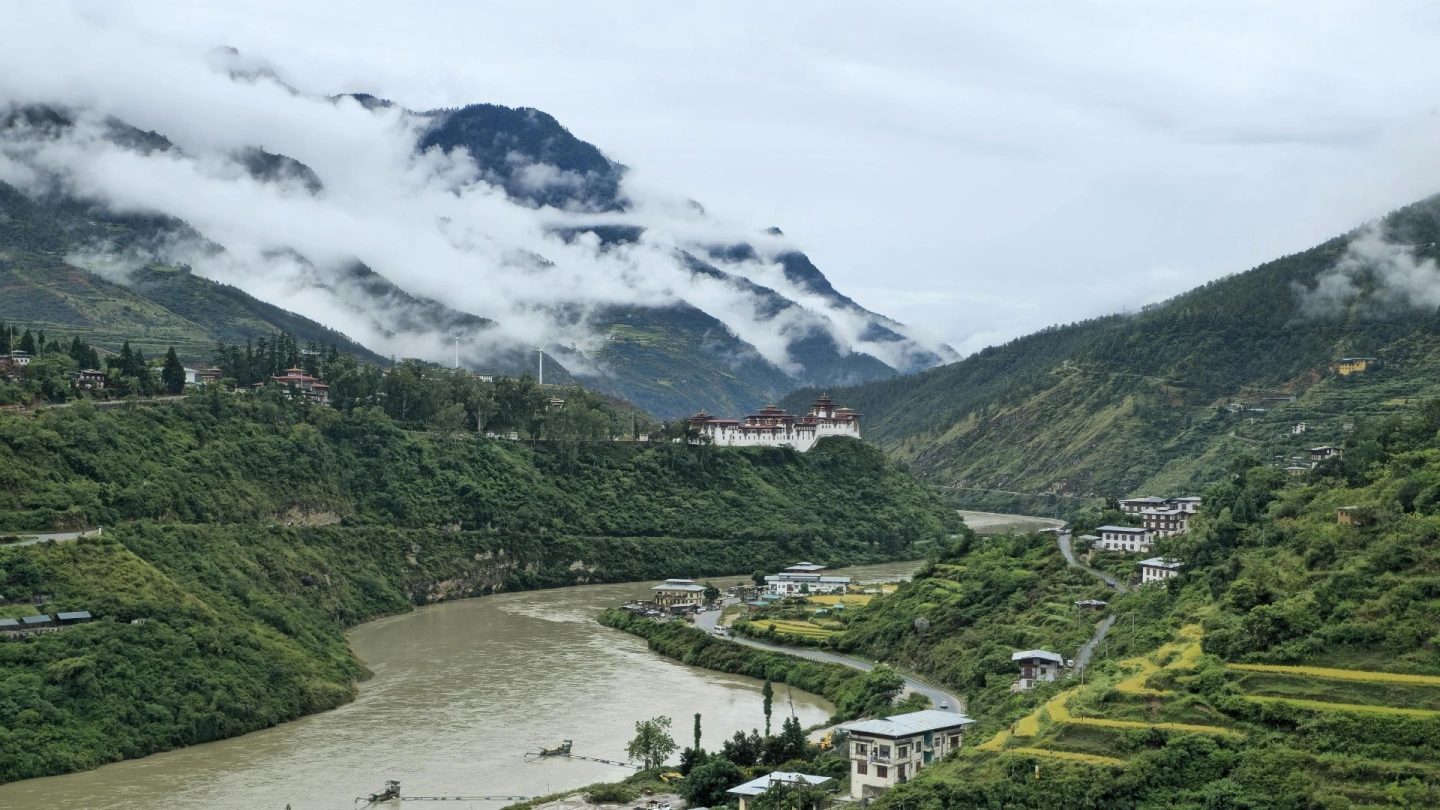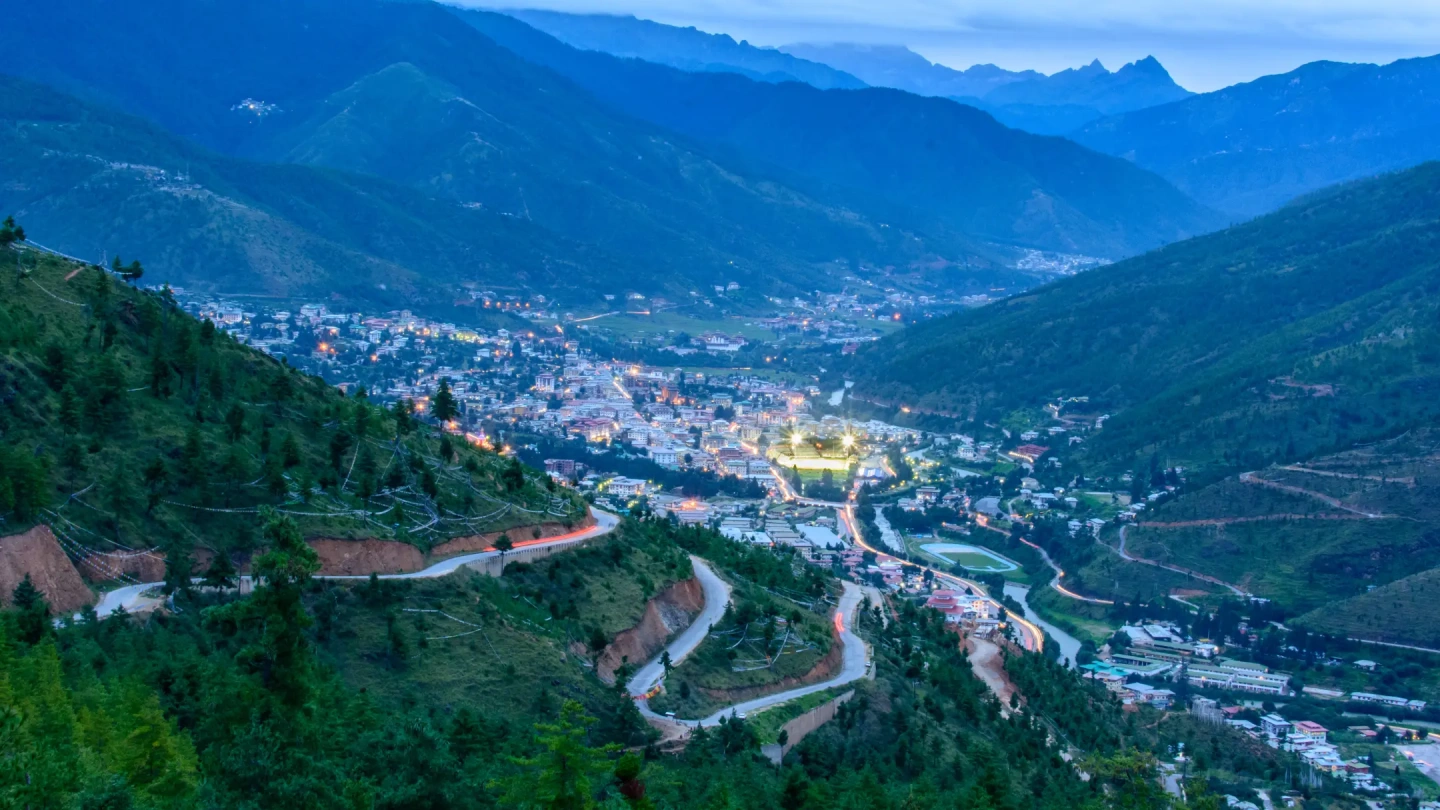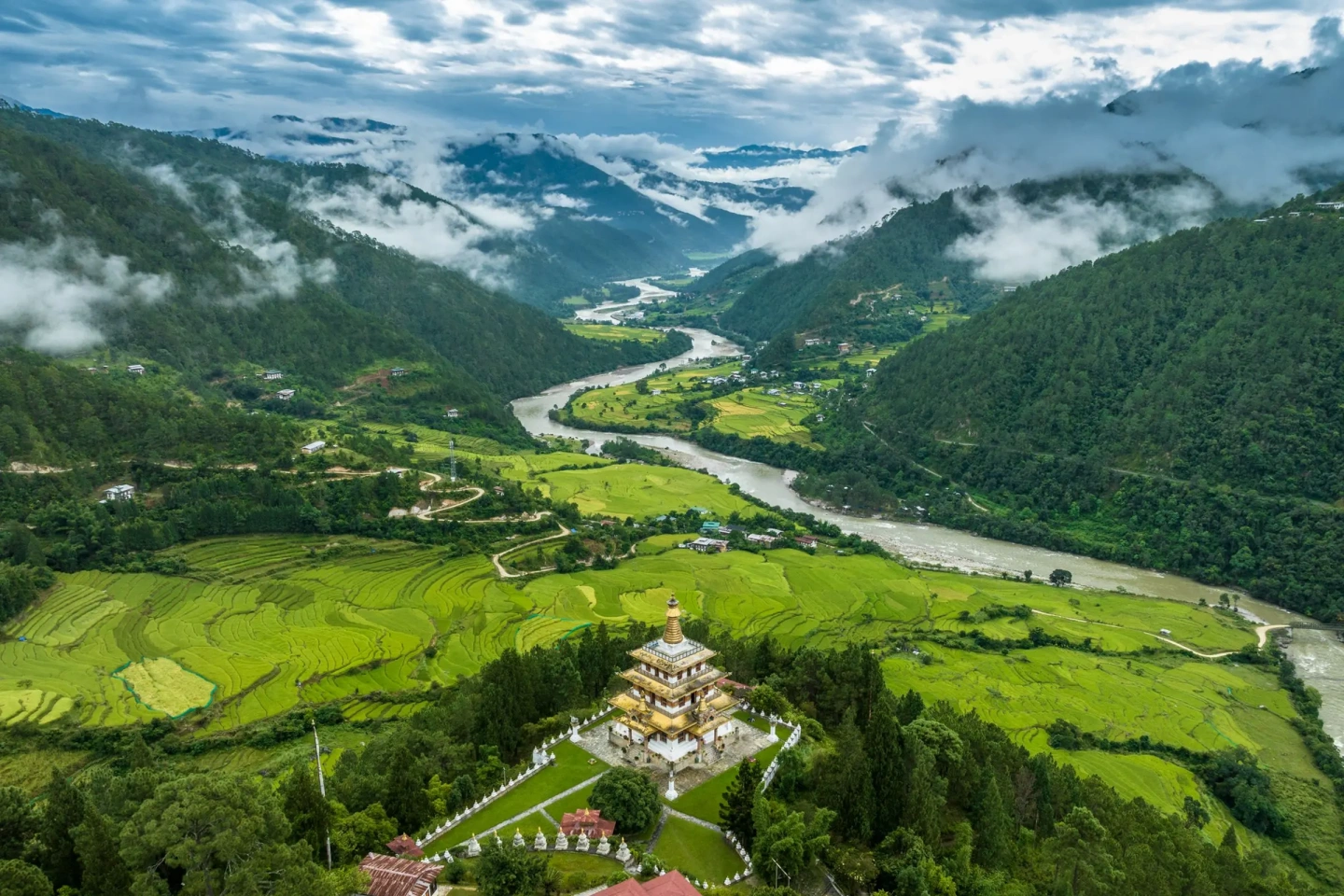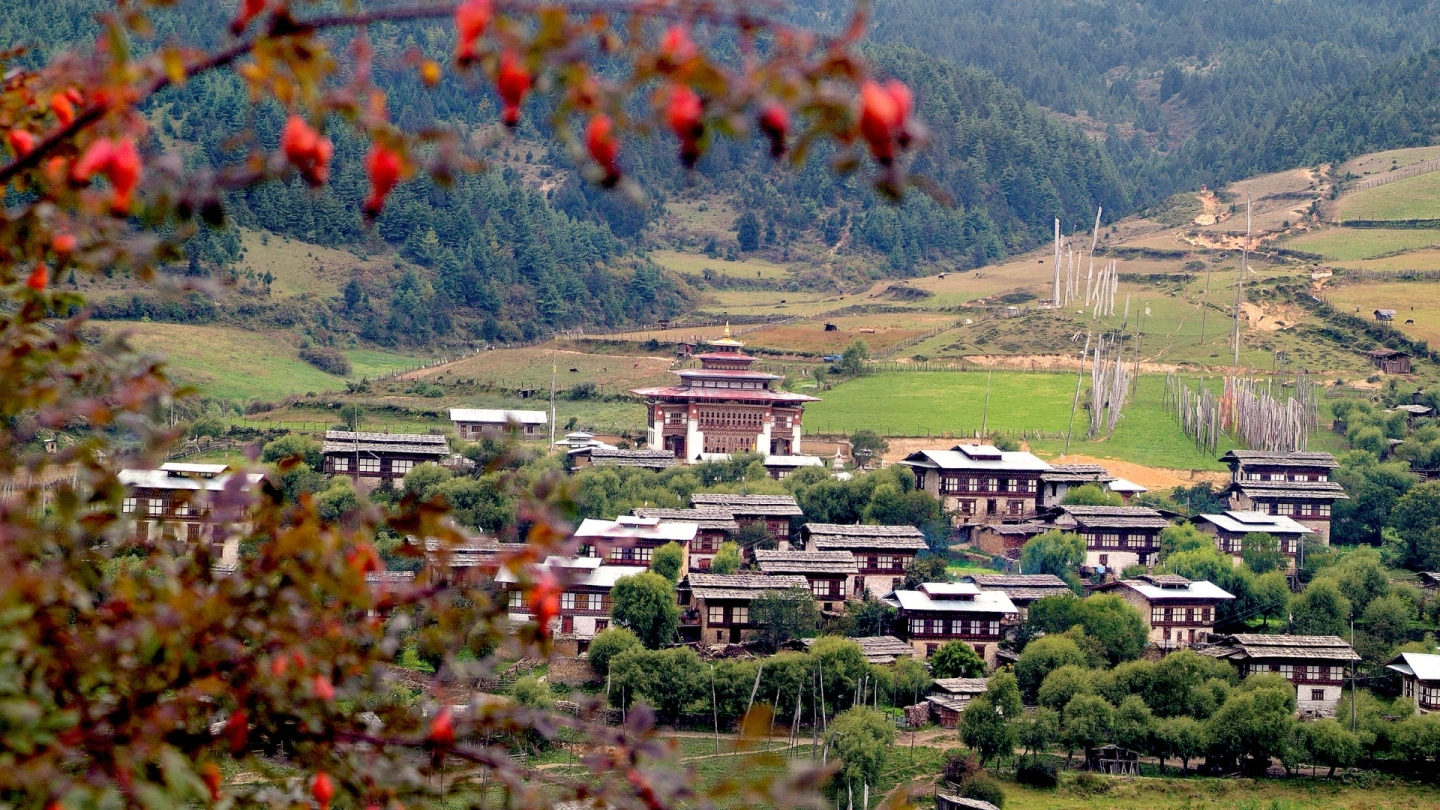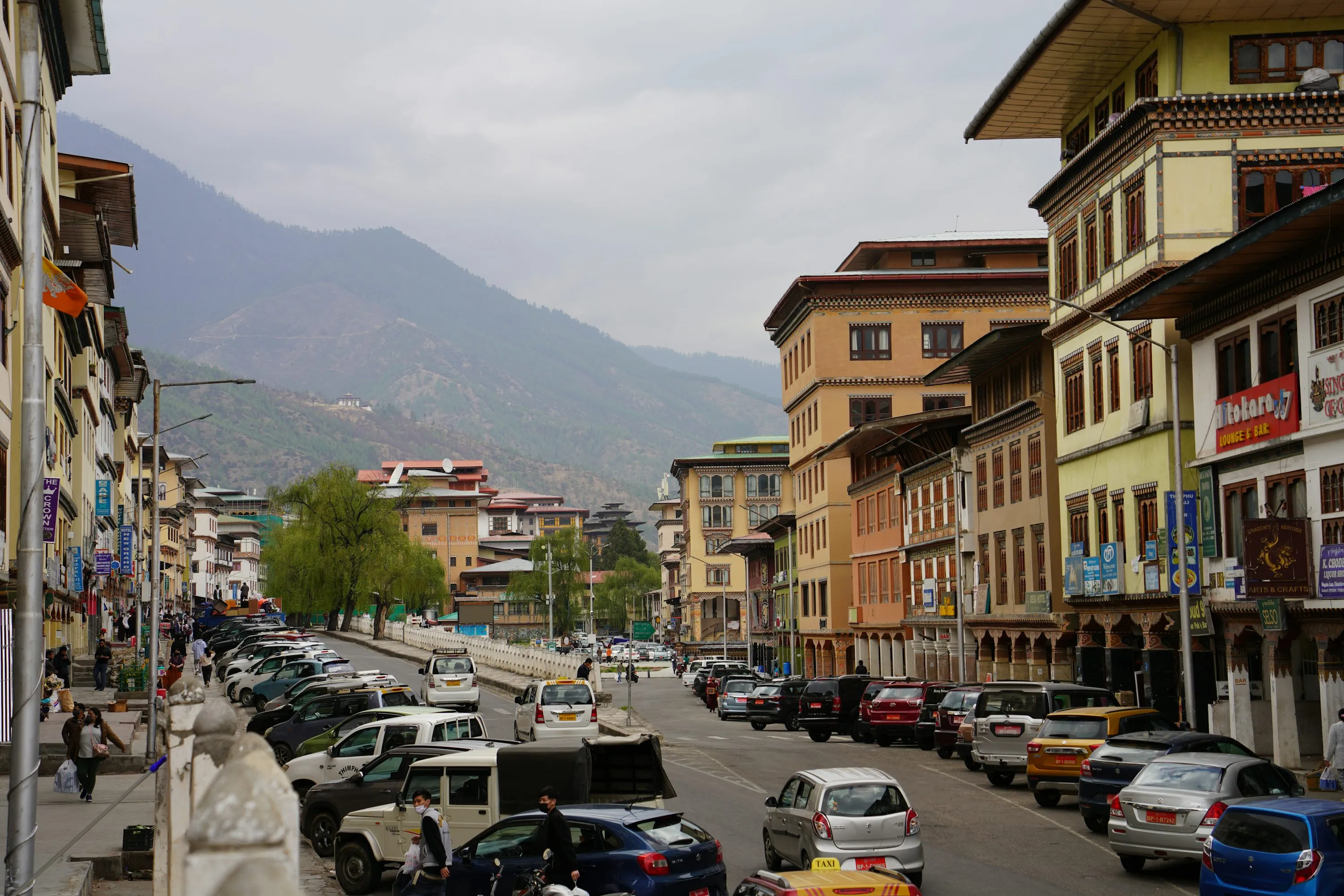


Bhutan, the enchanting Himalayan kingdom often referred to as the Land of the Thunder Dragon, beckons Togolese travelers with its pristine landscapes, profound spiritual heritage, and unwavering commitment to sustainable living. Nestled between the towering peaks of the Himalayas and lush subtropical valleys, this small nation offers a transformative journey that contrasts sharply with the vibrant coastal plains and tropical savannas of Togo. While Togo thrives on its Atlantic coastline, bustling markets in Lomé, and a rich tapestry of West African cultures influenced by Ewe, Kabiyé, and French colonial legacies, Bhutan remains a landlocked sanctuary where ancient Buddhist traditions intermingle with modern conservation efforts, emphasizing inner peace over material pursuits. Diplomatic relations between Togo and Bhutan are nascent and limited, with no direct embassies in each other's capitals; interactions occur primarily through multilateral forums like the United Nations, where both nations advocate for sustainable development and climate resilience as small, developing countries. Economically, Togo's economy revolves around agriculture, phosphate mining, and regional trade within West Africa, fostering a dynamic yet challenging growth trajectory, whereas Bhutan's hydropower-driven economy and controlled tourism model prioritize environmental preservation and cultural integrity, resulting in a slower but more harmonious pace of life. For Togolese visitors unfamiliar with high-altitude terrains and Buddhist customs, Bhutan represents not just a destination but a profound cultural exchange—one that invites reflection on shared global challenges like poverty alleviation and environmental stewardship. This guide, crafted by an experienced Bhutanese travel consultant, aims to equip you with the knowledge to navigate this unique kingdom respectfully and enjoyably, ensuring your trip becomes a cherished memory of serenity and discovery.
Visa and Entry Requirements
Bhutan's tourism policy is meticulously controlled to preserve its cultural and environmental heritage, mandating that all foreign visitors, including those from Togo, book their trips exclusively through licensed Bhutanese tour operators. This high-value, low-impact approach ensures that tourism benefits local communities while minimizing overcrowding and ecological strain. For Togolese tourists, the visa process begins with selecting a reputable tour operator who will handle the application on your behalf; you cannot apply independently. Required documents typically include a scanned copy of your valid Togolese passport (with at least six months' validity from the date of arrival), a recent passport-sized photo, and proof of your tour booking, including flight details and itinerary. The tour operator submits these to the Tourism Council of Bhutan (TCB) for approval, which usually takes about 5-7 working days. Once approved, a visa clearance letter is issued, and the actual visa is stamped upon arrival at Paro International Airport or land borders. Payment for the tour package, which must be wired in advance to the operator's account, is intrinsically linked to visa issuance; the visa is only granted after full payment confirmation, as this covers the mandatory Sustainable Development Fee (SDF). The SDF, a daily levy of USD 100 per person (as of 2025, subject to updates), supports free education, healthcare, and conservation efforts in Bhutan, directly impacting overall pricing by adding to the minimum daily tour cost of around USD 250-300, which includes accommodation, meals, transport, and guides. Togolese travelers should note that exemptions or reductions in SDF may apply for children under 12, but adults pay the full fee; always confirm current rates with your operator to avoid surprises. This system, while structured, guarantees a personalized and responsible travel experience, aligning with Bhutan's philosophy of mindful tourism.
Travel Routes from Togo to Bhutan
Traveling from Togo to Bhutan involves multiple legs due to the absence of direct flights, requiring transits through major international hubs, but the journey itself offers a fascinating transition from West African vibrancy to Himalayan tranquility. From Togo's primary international airport in Lomé (LFW), the most common routes involve flying to Europe or the Middle East first, such as via Paris (CDG) with Air France or Addis Ababa (ADD) with Ethiopian Airlines, before connecting to Asian gateways like Delhi (DEL), Bangkok (BKK), or Kathmandu (KTM). From these points, only two airlines operate flights into Bhutan: Drukair (Royal Bhutan Airlines) and Bhutan Airlines (Tashi Air), both of which fly exclusively into Paro International Airport (PBH), Bhutan's sole international gateway. For instance, a typical itinerary might include a flight from Lomé to Delhi via Istanbul (IST) with Turkish Airlines, followed by a Drukair connection from Delhi to Paro, totaling around 20-30 hours with layovers. Alternatives via Bangkok could involve Thai Airways from Europe to BKK, then Drukair to Paro, while Kathmandu routes suit those interested in a Himalayan prelude. Paro Airport, dramatically situated in a narrow valley at 2,235 meters elevation, has operational limitations including short runways and reliance on visual flight rules, meaning only specially trained pilots can land there, and flights are daytime-only. Weather-related delays are common, especially during monsoon seasons when fog or rain can ground planes for hours or days; travelers should build flexibility into schedules and consider buffer days. Booking advice emphasizes advance reservations—ideally 3-6 months ahead—through your tour operator, who coordinates with Drukair or Bhutan Airlines for seamless integration with your visa. Realistic expectations include potential jet lag from time zone shifts (Togo GMT, Bhutan GMT+6) and the thrill of Paro's hairpin landing, often hailed as one of the world's most scenic yet challenging approaches. Patience during transits and awareness of baggage allowances (typically 20-30 kg for economy) will ensure a smoother arrival into Bhutan's serene embrace.
Best Time to Visit and Seasonality
Bhutan's seasons profoundly influence travel experiences, with weather patterns varying dramatically across its diverse altitudes, from subtropical lowlands to alpine heights, making strategic planning essential for Togolese visitors accustomed to Togo's consistently warm, humid climate. Spring (March to May) brings mild temperatures averaging 15-25°C in valleys, blooming rhododendrons and jacarandas painting the landscapes in vibrant hues, and fewer crowds, ideal for trekking and cultural immersion; however, occasional showers and pollen may affect those with allergies. Summer (June to August) coincides with the monsoon, delivering heavy rains (up to 500mm monthly in some areas), lush greenery, and cooler highs of 20-30°C, but roadblocks from landslides and leeches in forests pose challenges—perfect for birdwatching or mushroom foraging festivals like those in Ura. Autumn (September to November) is widely regarded as the prime season, with clear skies, crisp air (10-20°C), golden harvests, and festivals like Thimphu Tshechu showcasing masked dances and communal celebrations, drawing moderate crowds without overwhelming sites. Winter (December to February) offers stark beauty with snow-capped peaks, temperatures dipping to 0-10°C (or below in higher elevations), and serene solitude, though high passes may close, limiting access to eastern regions; it's excellent for low-altitude explorations and spotting black-necked cranes. Cultural highlights align seasonally: spring features Paro Tshechu with sacred dances, autumn bursts with multiple Tshechus honoring Guru Rinpoche, and winter hosts quieter spiritual retreats. For Togolese tourists, who may prefer avoiding Togo's rainy season (April-October), Bhutan's autumn or spring are recommended—offering comfortable weather for activities like hiking Tiger's Nest, balanced crowd levels, and vivid festivals—while steering clear of monsoon's disruptions. Trip planning should factor in these dynamics: book early for peak seasons to secure preferred accommodations, and consult operators for weather-adapted itineraries to maximize enjoyment amid Bhutan's ever-changing Himalayan moods.
Money, Costs, and Payment Methods
Bhutan's currency, the Ngultrum (BTN), is pegged 1:1 to the Indian Rupee (INR), which is also widely accepted, creating a straightforward yet cash-reliant financial landscape for Togolese travelers transitioning from Togo's CFA Franc (XOF) system. Exchange practices are formal: convert your CFA or USD at Paro Airport's foreign exchange desk, Bank of Bhutan branches in major towns like Thimphu and Paro, or authorized hotels, as rates are government-regulated for fairness. ATMs are available in urban centers from banks like Bhutan National Bank (BNB) and Bank of Bhutan (BoB), accepting Visa and Mastercard, but rural areas lack them, so withdraw sufficient cash (up to BTN 25,000 per transaction) before venturing east. Credit card acceptance is limited to upscale hotels, larger shops, and tour payments, with a 3-5% surcharge possible; Togolese cards should work if internationally enabled, but inform your bank of travel to avoid blocks. Carrying USD or BTN in cash is advisable for small expenses, as euros or CFA are harder to exchange outside airports. Tour prices, mandated at a minimum daily rate of USD 250-300 (including SDF), typically cover three-star accommodations, all meals, internal transport, licensed guides, and entry fees, ensuring a hassle-free experience. Extras like alcoholic drinks, tips (USD 10-15 daily for guides/drivers), personal shopping, optional activities (e.g., hot-stone baths at USD 20-50), and laundry fall outside, potentially adding USD 50-100 daily depending on preferences. Togolese visitors should budget conservatively, factoring in pre-trip wire transfers for tours and carrying mixed denominations for authenticity checks in markets. This system reflects Bhutan's emphasis on equitable tourism, where costs support local economies without exploitative haggling.
Health, Safety, and Travel Insurance
Health considerations in Bhutan revolve around its high-altitude terrain, which poses risks like acute mountain sickness (AMS) for Togolese travelers unaccustomed to elevations exceeding 2,500 meters, where symptoms such as headaches, nausea, and fatigue can onset rapidly. Medical facilities are basic: Thimphu's Jigme Dorji Wangchuck National Referral Hospital offers competent care, but rural clinics are limited, necessitating evacuation for serious issues. Recommended vaccinations include hepatitis A/B, typhoid, rabies (due to stray dogs), and routine boosters like tetanus; consult Togo's health authorities or WHO guidelines, as yellow fever certification may be required if transiting endemic areas. Altitude sickness prevention involves gradual ascent, hydration, and avoiding alcohol; Diamox (acetazolamide) can be prescribed prophylactically. Bhutan's general safety is exemplary, with low crime rates stemming from strong community values and Buddhist ethics, making it one of Asia's safest destinations—petty theft is rare, but secure valuables in remote areas. Small risks include stray dogs (carry stones or sticks as deterrents), uneven trekking paths leading to slips, and occasional wildlife encounters. Travel insurance with comprehensive coverage, including emergency medical evacuation (helicopter rescues can cost USD 5,000+), is essential and often mandatory for tours; policies should cover altitudes up to 5,000 meters, trip cancellations, and adventure activities. Togolese insurers or international providers like Allianz offer suitable plans—verify inclusions for Bhutan-specific scenarios. This preparedness ensures peace of mind, allowing focus on Bhutan's spiritual allure rather than unforeseen hurdles.
Cultural Etiquette and Social Expectations
Bhutanese social customs are deeply rooted in Vajrayana Buddhism, emphasizing respect, humility, and harmony, which Togolese travelers—familiar with Togo's communal African traditions—can adapt with minor adjustments for a respectful immersion. In temples, monasteries, and dzongs, remove hats, shoes, and sunglasses before entering, dress modestly (long pants/skirts covering knees, shirts with sleeves; no tight clothing), and circumambulate clockwise while avoiding pointing at sacred images or monks. Public spaces demand patience and humility: greet with "Kuzuzangpo la" (hello) using both hands for offerings, accept gifts or food with right hand or both, and refrain from public displays of affection or loud behavior, as Bhutanese value quiet composure. Modesty extends to photography—always ask permission before capturing locals, especially elders or monks—and avoid touching heads (considered sacred) or using feet to point. Togolese cultural behaviors, such as animated storytelling or bargaining, might need tempering; while warmth is appreciated, embrace Bhutan's slower, reflective pace without rushing interactions. Religious etiquette includes not disturbing prayer wheels or flags, and during festivals, sit quietly without crossing legs toward altars. These norms foster mutual respect, allowing Togolese visitors to appreciate Bhutan's spiritual depth while sharing their own cultural insights in guided discussions.
Connectivity, SIM Cards, Internet Access
Connectivity in Bhutan, while improving, remains patchy compared to Togo's urban networks, with Wi-Fi available in most hotels and cafes in Thimphu, Paro, and Punakha, though speeds suit basic browsing rather than streaming—expect 5-20 Mbps in lobbies, often free but unreliable in rooms or rural areas. For mobile access, local SIM cards from B-Mobile (Bhutan Telecom) or TashiCell are ideal for tourists; purchase at Paro Airport counters or town outlets with your passport and visa copy, offering prepaid tourist packages (e.g., BTN 500 for 5GB data, calls, and texts valid 7-30 days). B-Mobile provides wider coverage, including 4G in valleys, while TashiCell excels in urban zones—both support data roaming, but signal drops in high mountains or remote villages. Togolese apps like mobile banking may work via international roaming, but high costs suggest local SIMs; no major restrictions exist, though occasional firewalls mirror global norms—VPNs (e.g., ExpressVPN) are useful for secure access if needed. Pocket Wi-Fi rentals at airports offer alternatives for groups. Togolese travelers should download offline maps (e.g., Maps.me) and inform contacts of potential blackouts, ensuring connectivity enhances rather than hinders exploration.
Language and Communication
Language barriers in Bhutan are minimal for tourism, as English is the medium of instruction in schools and widely spoken by guides, hotel staff, and urban youth, facilitating seamless interactions for Togolese visitors whose French or English proficiency aligns well. Dzongkha is the national language, but tourism services prioritize English, with guides fluent and often multilingual (including Hindi or Nepali). Ewe- or Kabiyé-speaking guides are not commonly available, given Bhutan's Himalayan linguistic focus, but operators can arrange English interpreters if needed. For travelers with limited English, strategies include using simple phrases, visual aids like Google Translate (offline mode recommended), or relying on non-verbal cues—Bhutanese hospitality bridges gaps through gestures and smiles. Tour packages mandate licensed guides, ensuring clear communication during treks or cultural explanations. Togolese groups might request French-speaking guides (rare but possible via larger operators), or prepare with basic Dzongkha apps. This setup encourages cultural exchange, where sharing Togolese stories enriches Bhutanese encounters.
Packing and Preparation Advice
Packing for Bhutan's varying climates demands versatility, as Togolese travelers shift from Togo's tropical heat to Himalayan fluctuations—layering is key for temperatures ranging from 25°C in valleys to sub-zero in passes. Essential clothing includes breathable long-sleeve shirts, pants, and modest attire for religious sites; pack thermal layers, fleece jackets, waterproof windbreakers, and sturdy hiking boots for treks, plus hats, gloves, and scarves for winter or high altitudes. Personal items should cover sunscreen (high UV at elevation), insect repellent (for lowlands), reusable water bottles (to reduce plastic), and quick-dry towels. Medications are crucial: stock anti-altitude sickness pills (Diamox), pain relievers, antidiarrheals, and personal prescriptions, as pharmacies are sparse outside towns; include a first-aid kit with bandages and antiseptics. Power adapters for Type D/F/G sockets (230V) are needed, along with portable chargers for outages. Other considerations: binoculars for wildlife, UV-protective sunglasses, headlamps for rural nights, and eco-friendly toiletries. For Himalayan conditions, pack motion sickness aids for winding roads and lightweight daypacks. Togolese unfamiliar with cold should test layers beforehand, ensuring luggage under 20kg for flights—focus on sustainability to align with Bhutan's ethos.
Bhutan’s Unique Tourism Philosophy
Bhutan's tourism philosophy is anchored in Gross National Happiness (GNH), a holistic development paradigm introduced by the Fourth King in the 1970s, prioritizing collective well-being over GDP through pillars like sustainable development, cultural preservation, environmental conservation, and good governance. This shapes cautious policies limiting visitor numbers via mandatory tours and SDF, favoring quality experiences that immerse travelers in authentic Bhutanese life without commodifying it. For Togolese audiences, who may relate to Togo's community-focused values amid economic pressures, GNH explains Bhutan's resistance to mass tourism: development is measured by happiness indices surveying psychological wellness, health, education, and ecology, ensuring modernization doesn't erode traditions like archery or weaving. Limits on infrastructure— no skyscrapers or fast-food chains—stem from this, protecting 70% forest cover and carbon-negative status. Togolese travelers gain insight into why Bhutan caps arrivals: to prevent cultural dilution seen elsewhere, fostering meaningful connections that benefit locals economically while preserving spiritual harmony.
Mindset and Expectations for Visitors
Adjusting expectations is vital for Togolese travelers entering Bhutan's slower pace, where life unfolds mindfully amid limited infrastructure, contrasting Togo's bustling markets and urban energy. Embrace the unhurried rhythm: meals may take time, transport involves winding roads without haste, and daily routines revolve around nature's cycles rather than clocks. Small hotels offer cozy, family-run charm with basic amenities—hot water, clean beds—but lack lavish spas or 24/7 service; expect eco-friendly setups emphasizing sustainability over opulence. Absent are luxury shopping malls, vibrant nightlife, or casinos; instead, evenings feature stargazing, traditional dances, or quiet monastery visits. The focus shifts to nature (hikes through rhododendron forests), culture (festival mask dances), and spirituality (meditation at ancient dzongs), rewarding those seeking introspection over convenience. Togolese visitors might find parallels in communal values but should prepare for power outages, simple roads, and minimal consumerism—view these as invitations to disconnect and recharge spiritually in Bhutan's tranquil embrace.
Food and Dining Culture
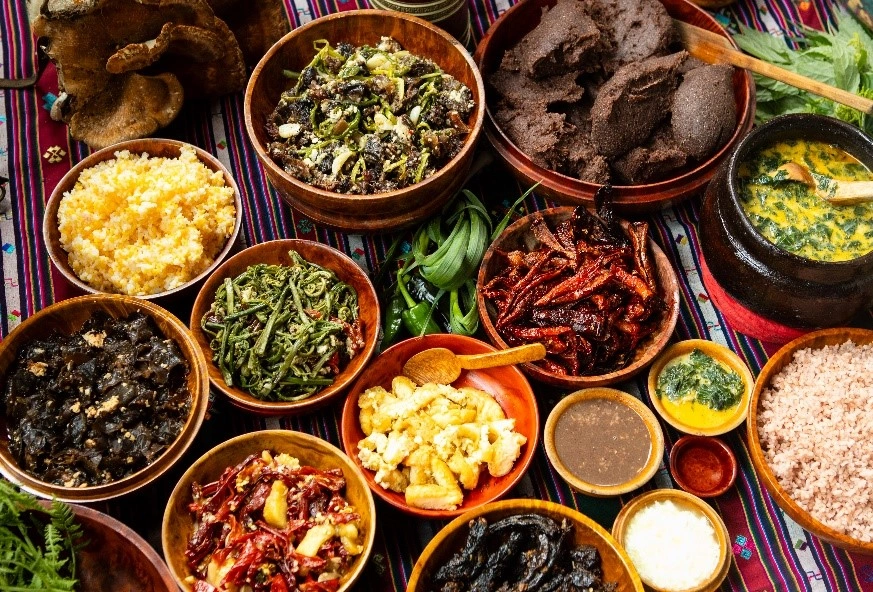
Bhutanese cuisine is a bold, comforting affair, characterized by spicy flavors, heavy use of cheese (datshi), and simple, hearty ingredients that reflect the kingdom's agrarian roots and Himalayan resilience, offering Togolese palates a spicy parallel to Togo's peppery fufu dishes. Staples include red rice (nutty and earthy), ema datshi (chilies stewed in cheese sauce, the national dish), and phaksha paa (pork with radish and chilies), often accompanied by buckwheat noodles or maize-based items in eastern regions. Dining culture emphasizes hospitality: meals are communal, served family-style with hands or spoons, and guests are plied with seconds as a sign of welcome—refuse politely if full. Alcohol like ara (rice wine) or chang (barley beer) features in social gatherings, sipped moderately, while suja (butter tea) provides salty, warming sustenance in cold climes. Togolese travelers may appreciate the spice levels but note vegetarian options abound due to Buddhist influences; inform operators of preferences to avoid surprises. Food embodies Bhutanese warmth, fostering bonds over shared plates in homestays or festivals.
Festivals, Religion, and Sacred Places
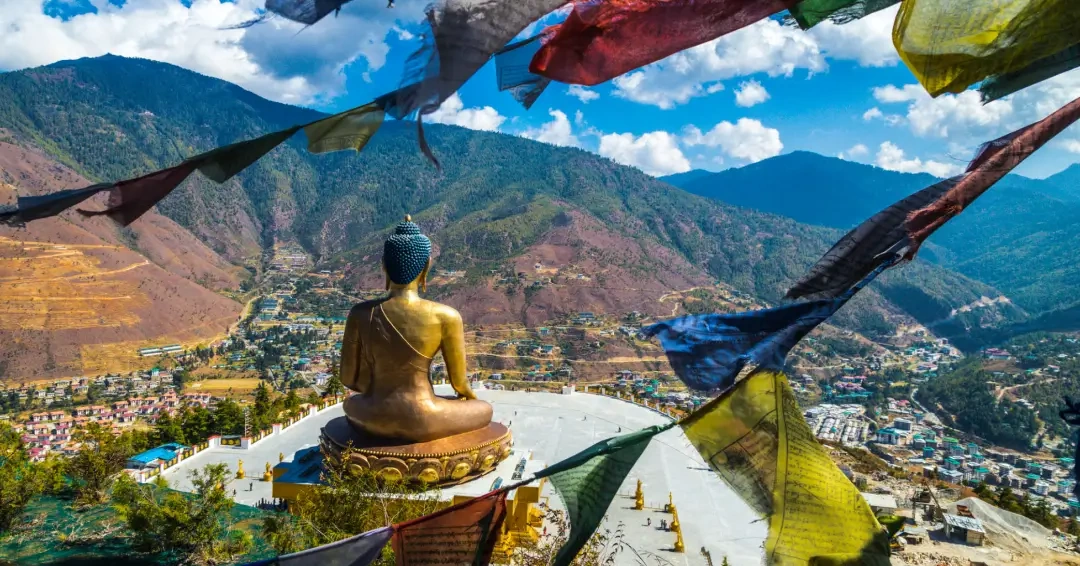
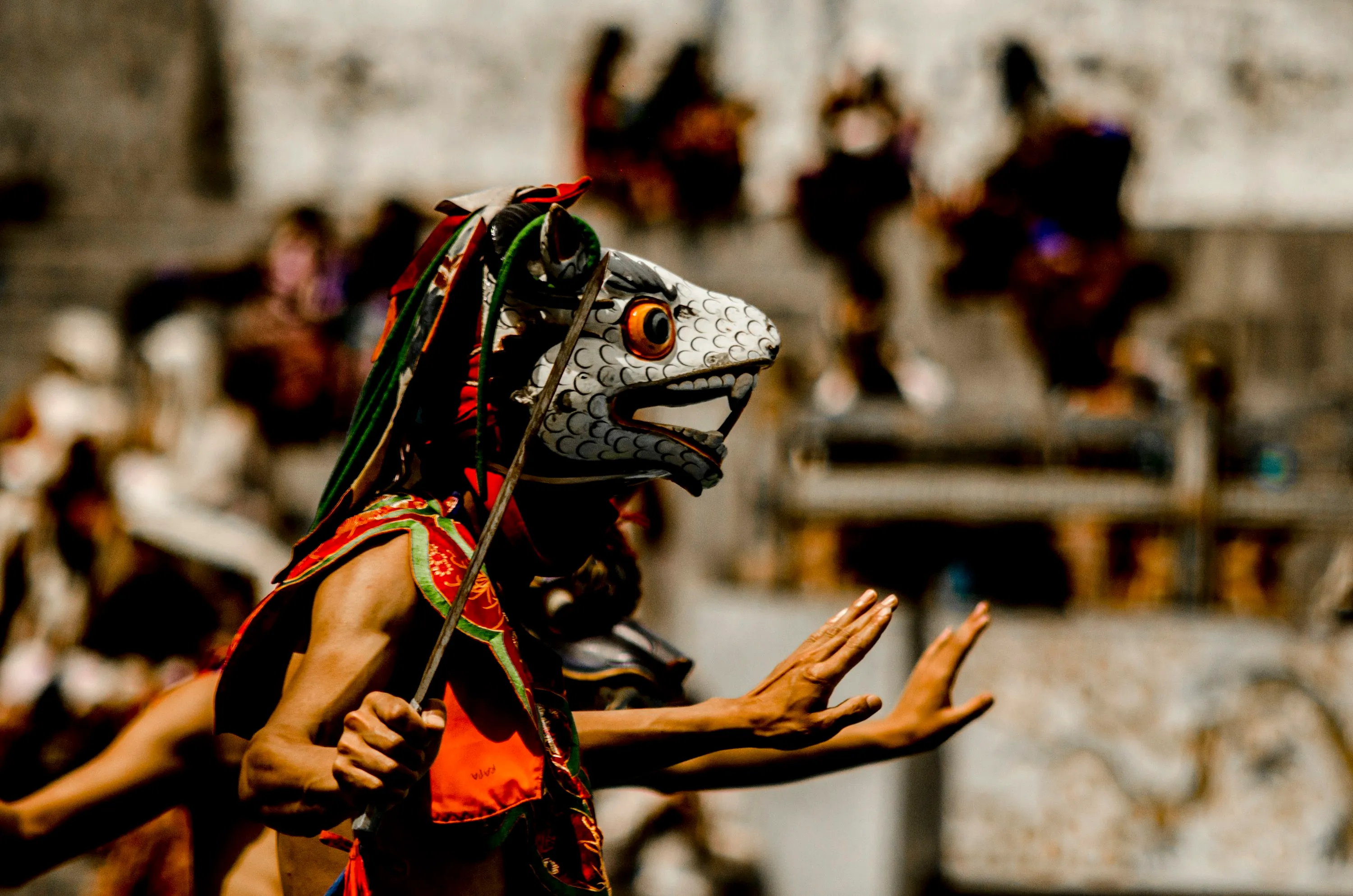
Religion permeates Bhutanese life as Vajrayana Buddhism, interwoven with daily rituals and sacred sites that offer Togolese visitors a window into profound spiritual depth, contrasting Togo's diverse Christian, Muslim, and animist traditions. Festivals like Tshechus honor Guru Rinpoche through masked dances, music, and communal blessings at dzongs, lasting days with colorful costumes depicting moral tales—visitors witness Thimphu Tshechu in autumn for its grandeur. Rules at religious sites demand respect: prostrate thrice at altars, avoid photography inside, and maintain silence. These experiences deepen cultural understanding, revealing how Buddhism shapes ethics, art, and governance in Bhutan.
Hidden Challenges and Practical Inconveniences
Travel in Bhutan includes subtle inconveniences like slow service in eateries due to fresh preparation, unexpected itinerary shifts from weather-closed roads, sporadic power outages in remote areas, and bumpy mountain drives—yet these are framed as charming facets of an authentic, unpolished paradise. Patience transforms them into opportunities for reflection, aligning with Bhutan's mindful ethos rather than viewing as flaws.
Shopping and Souvenirs
Shopping in Bhutan centers on artisanal crafts like handwoven textiles (kira/gho fabrics), bamboo products, incense, and thangka paintings, available in Thimphu's weekend market or Paro craft emporiums—lacking malls or duty-free extravagance. Bargaining is minimal and polite; fixed prices ensure fairness. Seek authenticity via certificates for high-value items, supporting local weavers and avoiding imports.
Altitude Awareness and Physical Preparedness
Altitude affects all, with symptoms like breathlessness emerging above 2,500m; precautions include acclimatizing gradually, hydrating (3-4 liters daily), and limiting exertion initially. Adjust activities by consulting guides, ensuring safe enjoyment of Bhutan's heights.
Security, Safety, and Emergency Information
Bhutan's security is robust, with low threats; respect laws on tobacco (import limits) and drugs (strict penalties). Emergencies: dial 113 (police), 112 (ambulance), 110 (fire). Togolese embassy access via India; carry insurance details for swift aid.
Photography and Drones
Photography rules prohibit shots inside temples or of officials without permission; ask locals courteously. Drones are restricted—government-only, with private use requiring BCAA permits, often denied for tourists; import without approval risks confiscation.
What Bhutan Does Not Have
Bhutan eschews skyscrapers, fast-food chains, casinos, and mega-malls, preserving its charm through simplicity and focus on happiness over consumerism.
Important Questions to Ask Before Booking a Tour
Before confirming your Bhutan tour, inquire about guide expertise—ask if they are licensed, experienced, and fluent in English, perhaps with cultural insights tailored for Togolese groups. Discuss itinerary flexibility: can adjustments accommodate weather or personal interests like festivals? Probe accommodations: what standards (3-5 stars), locations, and amenities suit your comfort? On food, confirm inclusions for dietary needs, including Togolese-inspired options or allergies. For emergencies, clarify protocols, insurance requirements, and medical support. Ask about SIM cards: do they assist with purchases for connectivity? Language: are multilingual guides available if English is limited? Tipping: what's customary (e.g., USD 10-20 daily)? These questions ensure a customized, worry-free journey.
Conclusion
In reflection, Bhutan stands as a rare gem for Togolese travelers, offering cultural depth through ancient monasteries, natural beauty in verdant valleys and snow peaks, and spiritual peace amid GNH-guided serenity—eschewing fast-paced commercialism for soulful rejuvenation.