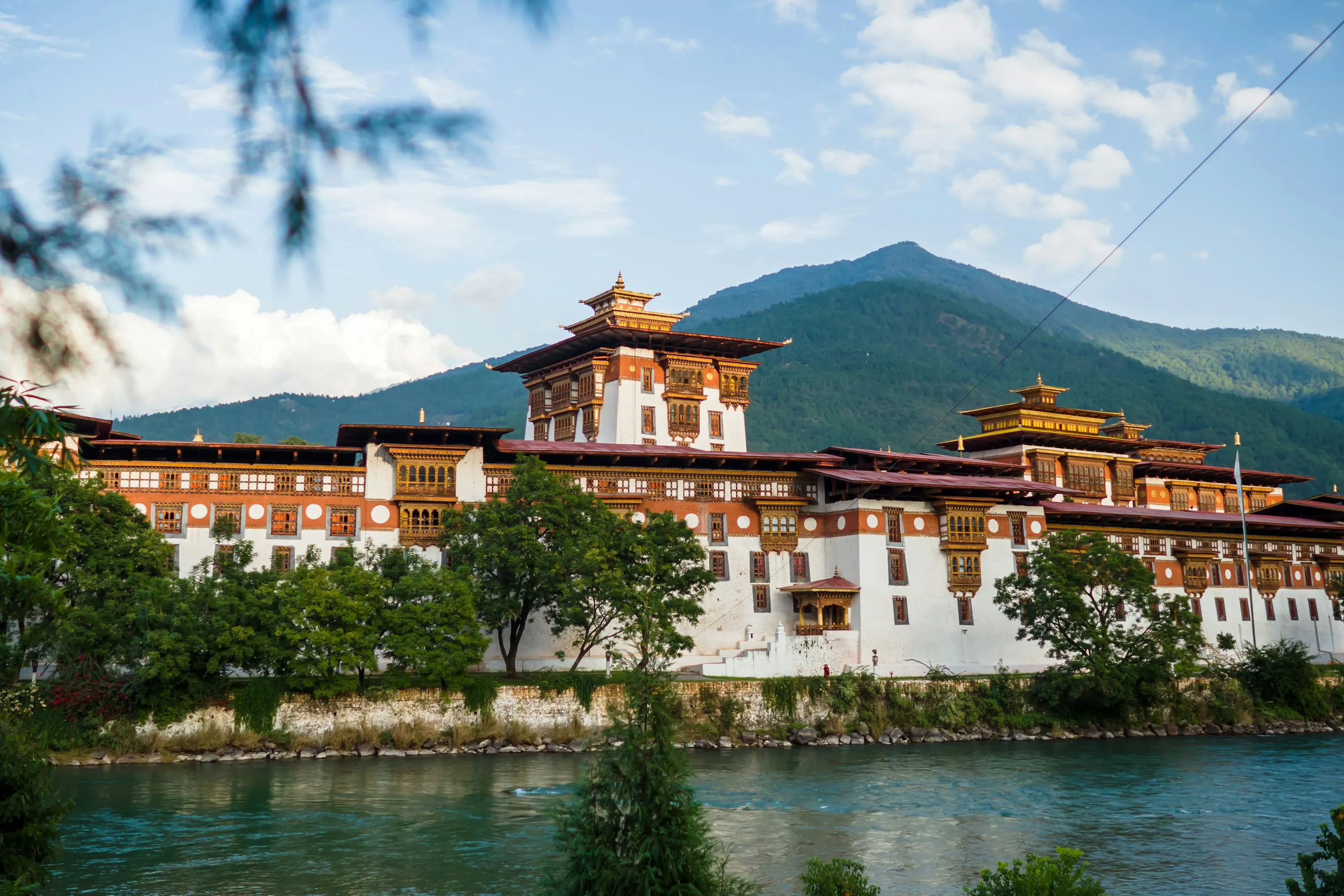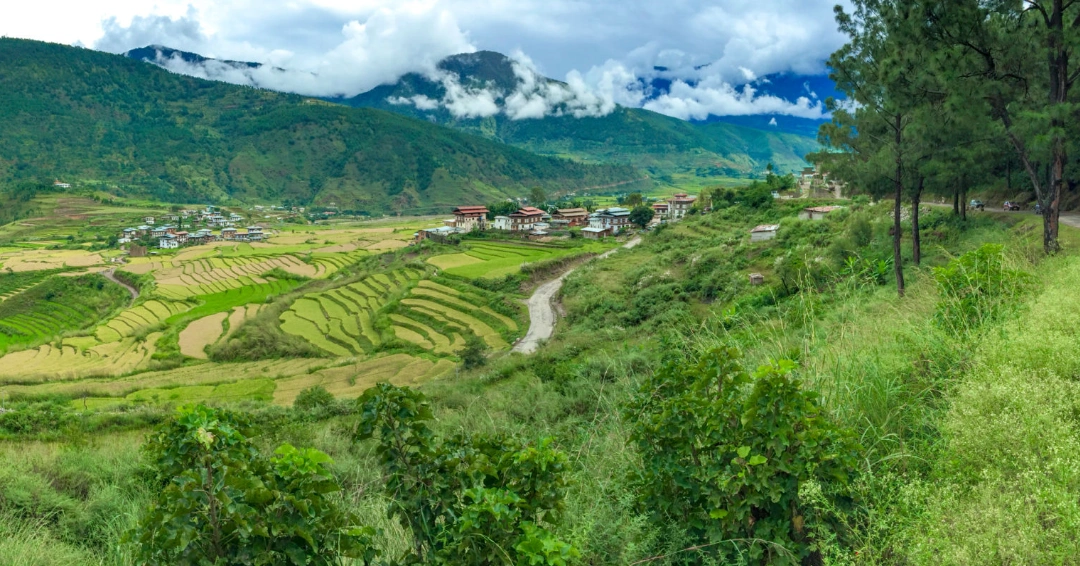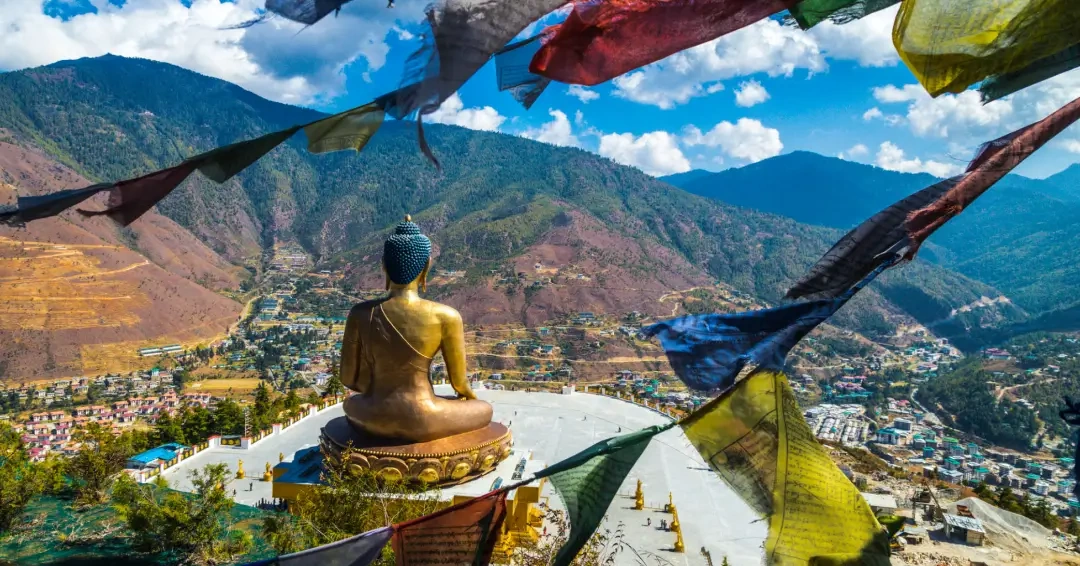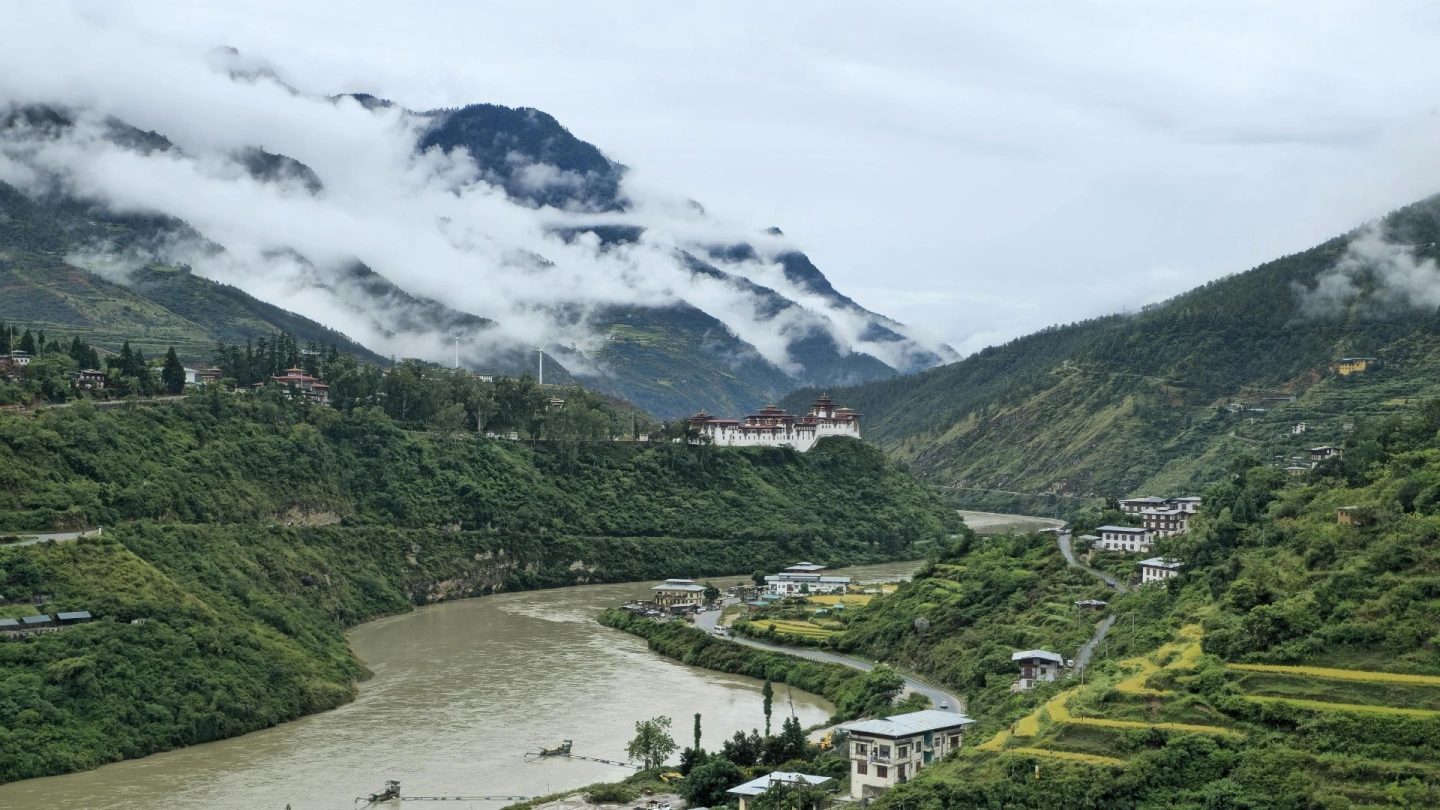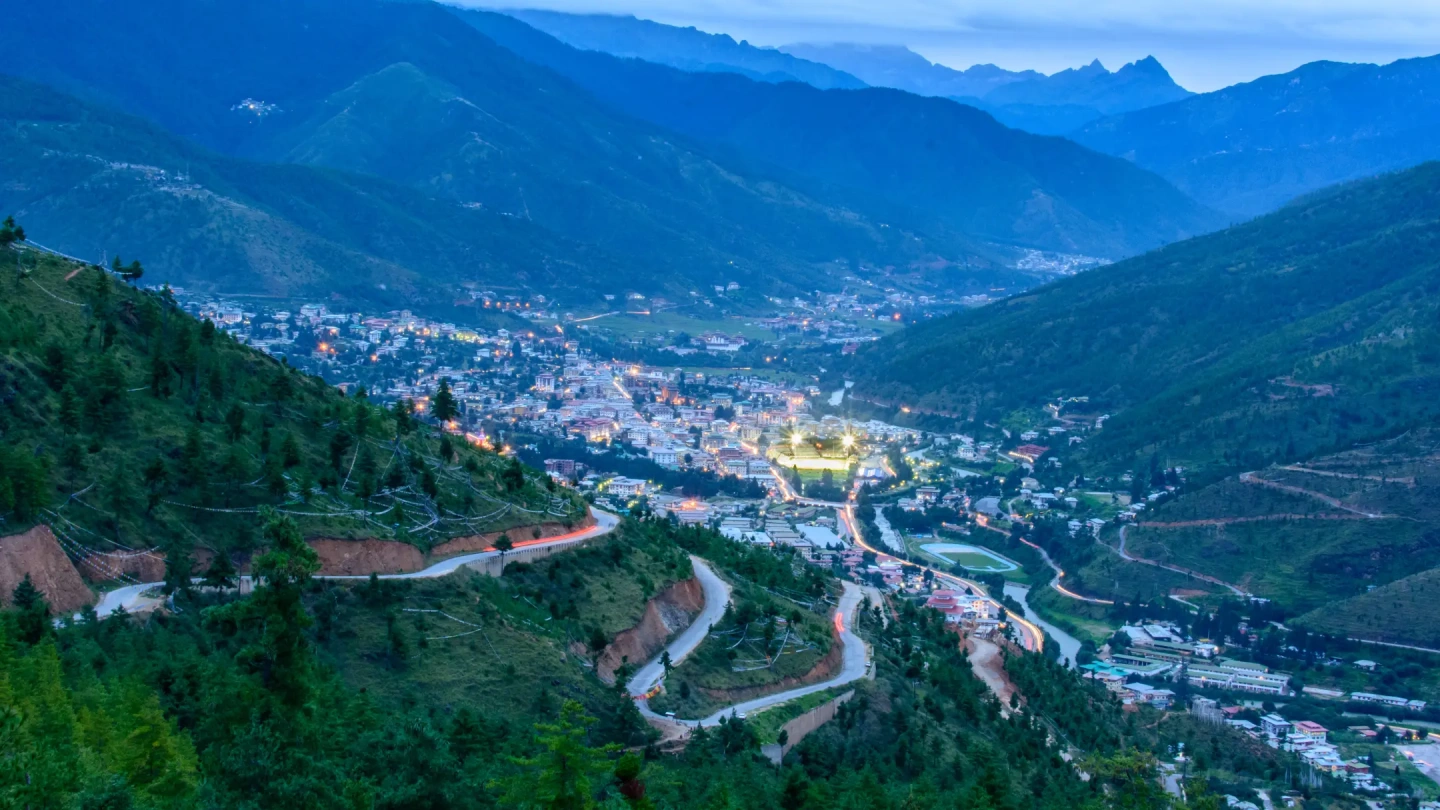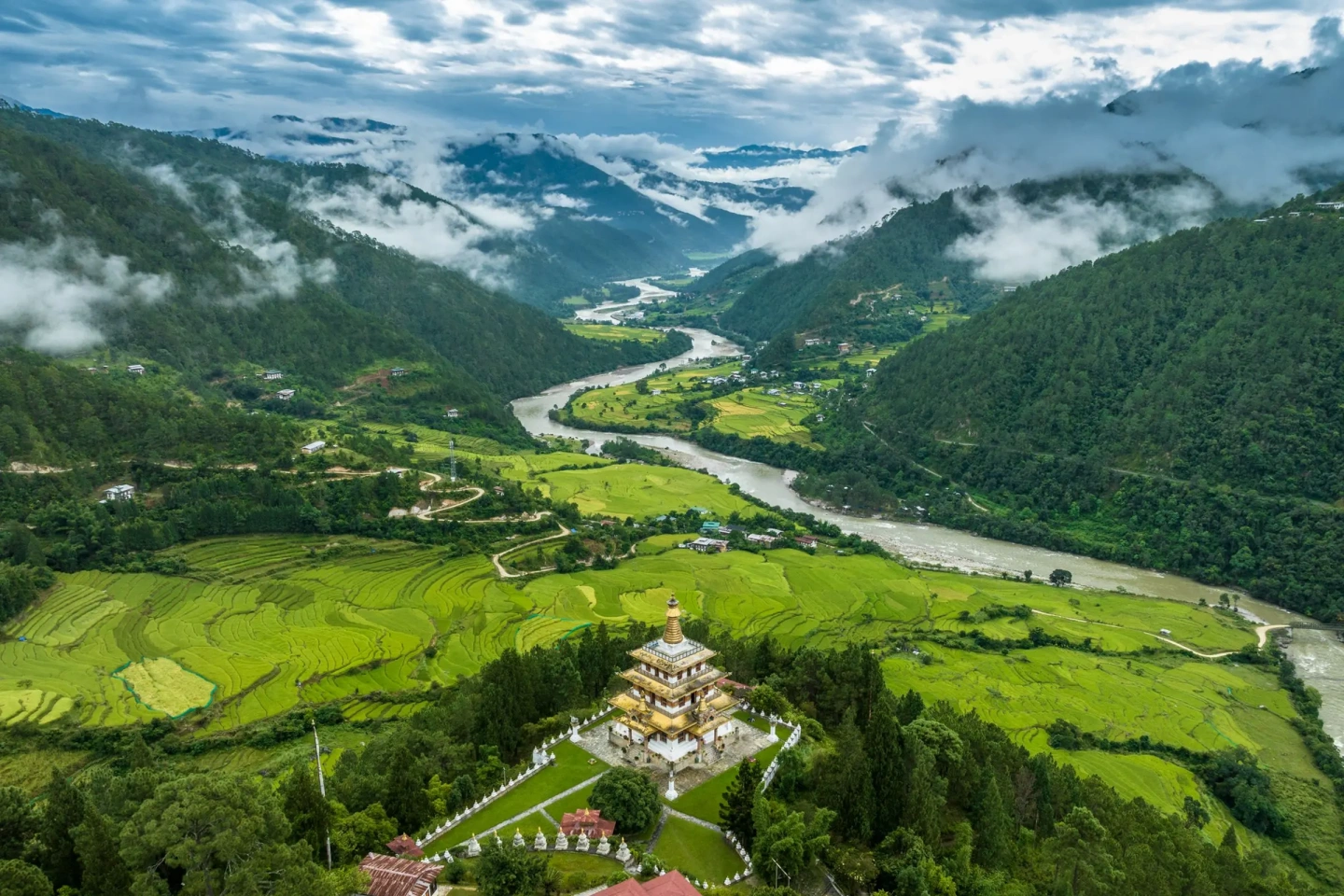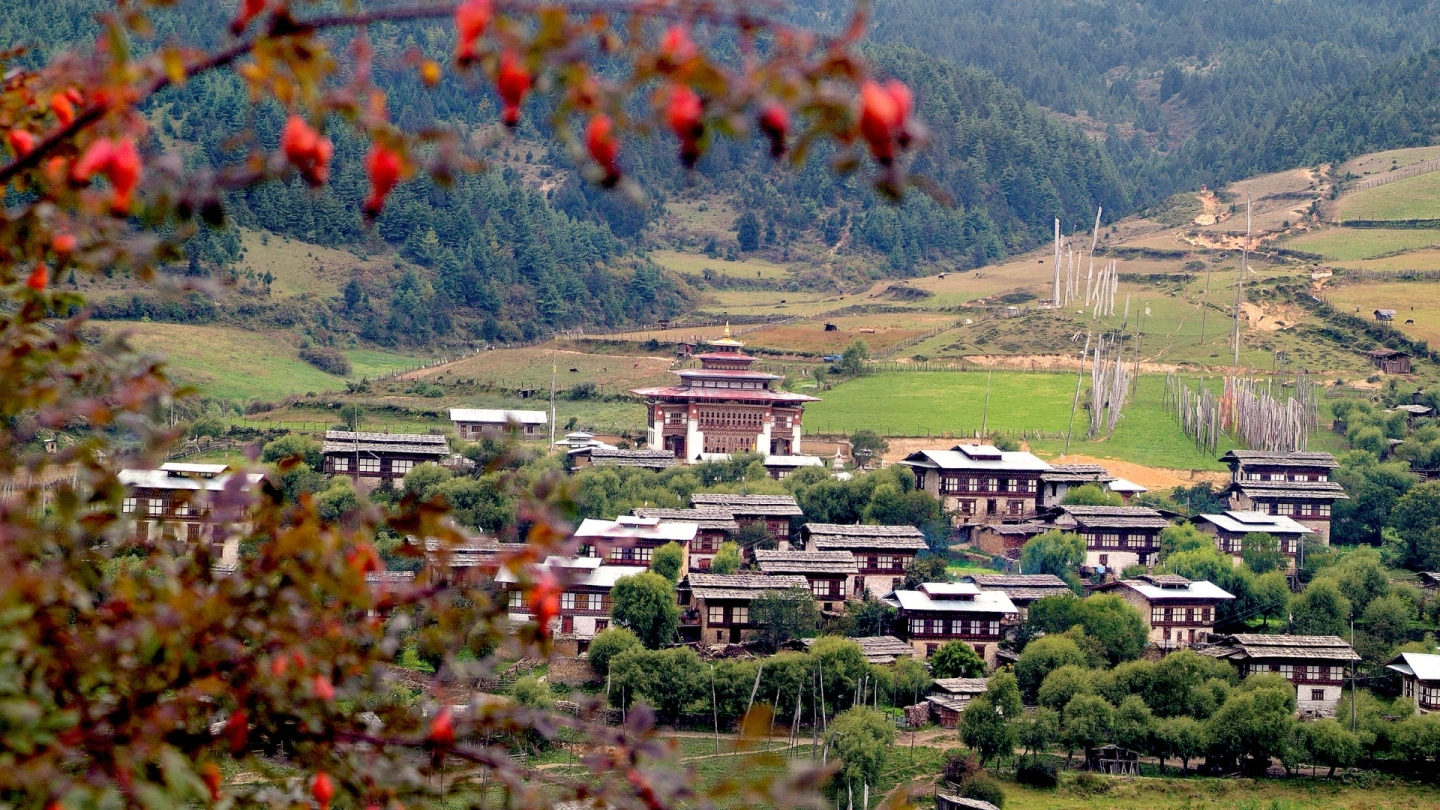


Nestled in the eastern Himalayas, Bhutan stands as a beacon of preserved culture and breathtaking landscapes, offering a travel experience that is both profoundly enriching and refreshingly unspoiled. For South African travelers, venturing to this secluded kingdom provides a stark yet captivating contrast to the vibrant, diverse tapestry of home. While South Africa boasts expansive savannas, bustling cities like Johannesburg and Cape Town, and a rich history of multiculturalism shaped by its rainbow nation ethos, Bhutan presents a more intimate scale—a compact country roughly the size of Switzerland, with a population under a million, emphasizing unity through its Buddhist heritage and the philosophy of Gross National Happiness. Relations between Bhutan and South Africa, though not formalized through direct diplomatic ties, are cordial and conducted via multilateral forums such as the United Nations, where both nations advocate for sustainable development and environmental conservation. Bhutan, like South Africa, values its natural heritage deeply; however, where South Africa grapples with urban expansion and economic diversification, Bhutan deliberately curtails rapid modernization to protect its environment and cultural integrity. This controlled approach to progress makes Bhutan an ideal destination for those seeking authenticity amid stunning monasteries perched on cliffs, lush valleys teeming with wildlife, and festivals that pulse with ancient rituals. As a Bhutanese travel consultant with years of guiding visitors through our kingdom's hidden gems, I assure you that Bhutan is not merely a trip but a transformative journey, one that invites reflection and connection in ways that resonate with the adventurous spirit of South Africans accustomed to exploring their own vast wildernesses.
Visa and Entry Requirements
Bhutan's tourism policy is meticulously designed to promote high-value, low-impact travel, ensuring that every visitor contributes positively to the nation's preservation efforts. This means all foreign tourists, including those from South Africa, must book their trips through licensed Bhutanese tour operators, who handle the entire visa process on your behalf. For South African citizens, obtaining a Bhutan eVisa is straightforward but requires advance planning; you'll need to provide a scanned copy of your passport (valid for at least six months beyond your intended stay), a recent passport-sized photo, proof of onward travel, and details of your itinerary. The tour operator submits these documents to the Tourism Council of Bhutan, which processes the visa approval letter within about 72 hours, though it's wise to apply at least two weeks in advance to account for any delays. Once approved, the visa is stamped upon arrival at Paro International Airport or at land borders if entering via India. Payment for your tour package, which includes accommodations, meals, transportation, and a guide, is intrinsically linked to visa issuance—full payment must be wired to the tour operator beforehand, as this secures both your booking and entry permit. A key component of this system is the Sustainable Development Fee (SDF), currently set at US$100 per person per night for adults, with children aged 6 to 12 paying US$50 and those under 6 exempt. This fee, reduced from previous higher rates to encourage post-pandemic tourism, funds essential services like free education and healthcare for Bhutanese citizens, environmental conservation, and infrastructure development. For South African travelers, this adds to the overall cost but ensures your visit supports sustainable practices, making your journey not just enjoyable but ethically rewarding. Be aware that without a confirmed tour booking, entry is not permitted, underscoring Bhutan's commitment to controlled tourism that minimizes overcrowding and cultural dilution.
Travel Routes from South Africa to Bhutan
Reaching Bhutan from South Africa involves a multi-leg journey, as there are no direct flights connecting the two countries, reflecting Bhutan's intentional isolation to preserve its pristine environment. Most South African travelers depart from major hubs like Johannesburg's O.R. Tambo International Airport or Cape Town International Airport, transiting through key Asian gateways such as Delhi in India, Bangkok in Thailand, Kathmandu in Nepal, or Singapore. For instance, you might fly with airlines like Emirates, Qatar Airways, or Ethiopian Airlines to Delhi, a common route taking about 10-12 hours, followed by a connecting flight to Paro with Drukair (Royal Bhutan Airlines) or Bhutan Airlines, the only two carriers authorized to operate into Bhutan. These flights from transit points are short—around 2-3 hours—but are subject to strict scheduling due to Paro International Airport's unique challenges: nestled in a narrow valley surrounded by towering peaks, it operates only during daylight hours and in good weather, with pilots requiring specialized training for the demanding approach. Weather-related delays are common, especially during the monsoon season, so building flexibility into your itinerary is essential; aim to arrive at your transit city a day early to buffer against cancellations. Booking should be done through your Bhutanese tour operator, who can coordinate seamless connections and handle any rebookings. Realistic expectations include total travel times of 18-24 hours, potential jet lag from crossing time zones, and the thrill of landing at one of the world's most dramatic airports. For South Africans used to long-haul flights across Africa or to Europe, this route offers a manageable adventure, with the added excitement of glimpsing the Himalayas en route.
Best Time to Visit and Seasonality
Bhutan's climate is as varied as its terrain, influenced by its Himalayan location, creating four distinct seasons that profoundly shape travel experiences. Spring, from March to May, brings mild temperatures averaging 15-25°C in the valleys, with blooming rhododendrons and clear skies ideal for trekking and sightseeing; this period aligns with festivals like the Paro Tshechu in April, offering vibrant cultural immersion amid fewer crowds. Summer, or the monsoon season from June to August, sees heavy rainfall—up to 500mm monthly in some areas—leading to lush greenery but also slippery roads, flight delays, and leech-infested trails, making it less favorable for most activities though perfect for birdwatching enthusiasts. Autumn, spanning September to November, is widely regarded as the prime visiting window, with crisp air (10-20°C), azure skies, and harvest festivals such as the Thimphu Tshechu in October, drawing moderate crowds for photography and hikes like the Tiger's Nest ascent. Winter, from December to February, brings cold snaps with temperatures dipping to -5°C at higher elevations and snowfall in the north, yet sunny days in the south allow for quieter explorations of dzongs and monasteries, with the Black-Necked Crane Festival in November-December highlighting migratory birds. For South African travelers, accustomed to milder winters and hot summers, autumn (September-November) is recommended for its comfortable weather mirroring South Africa's spring, balanced crowd levels avoiding peak season rushes, and opportunities for festivals that echo the communal spirit of events like Cape Town's Carnival. Planning around these seasons ensures alignment with your preferences, whether for nature, culture, or solitude, while considering that high-altitude areas remain cooler year-round.
Money, Costs, and Payment Methods
Navigating finances in Bhutan is straightforward yet requires some preparation, given the kingdom's blend of tradition and modernity. The official currency is the Bhutanese Ngultrum (BTN), pegged at par with the Indian Rupee (INR), which is also widely accepted; South African travelers should exchange Rand for US Dollars before departure, as direct conversions are rare, and then swap for BTN at Paro Airport's foreign exchange desk or banks in major towns like Thimphu and Paro. ATMs are increasingly available in urban areas, accepting Visa and Mastercard with withdrawal limits around BTN 10,000-20,000 per transaction, though rural spots may lack them, so carrying sufficient cash is advisable. Credit cards are accepted at larger hotels, upscale shops, and some restaurants, but smaller establishments and markets prefer cash, with potential surcharges for card use. Tour packages, mandatory for entry, typically cover accommodations in 3-star hotels or better, all meals (breakfast, lunch, dinner), internal transportation by private vehicle, an English-speaking guide, and entrance fees to sites, keeping daily costs predictable. However, extras like alcoholic beverages, soft drinks, laundry, tips (around US$10-15 per day for guide and driver combined), personal shopping, and optional activities such as hot stone baths or archery lessons are not included, potentially adding US$50-100 daily depending on preferences. For South Africans, budgeting an additional 20-30% beyond the package price covers these, with the SDF already factored in; embracing cash for local interactions enhances the authentic experience while supporting small vendors.
Health, Safety, and Travel Insurance
Health and safety in Bhutan prioritize prevention and awareness, given its remote Himalayan setting. Altitude sickness is a primary concern, as many sites exceed 2,500 meters, potentially causing headaches, nausea, or fatigue; acclimatization through gradual ascents, hydration, and rest is key, with medications like acetazolamide available on prescription from your doctor. Recommended vaccinations for South African travelers include hepatitis A, typhoid, tetanus, and possibly rabies due to stray dogs, while malaria risk is low but mosquito repellent is advised in southern lowlands. Medical facilities are basic outside Thimphu, where Jigme Dorji Wangchuck National Referral Hospital offers competent care, but for serious issues, evacuation to India or Thailand may be necessary—hence, comprehensive travel insurance covering medical emergencies, evacuation, and trip cancellation is non-negotiable. Bhutan boasts exceptionally low crime rates, with theft rare and violent incidents virtually unheard of, fostering a sense of security that contrasts with urban South African concerns; however, minor risks like uneven paths in monasteries or encounters with stray dogs warrant caution, such as wearing sturdy shoes and avoiding feeding animals. Overall, the kingdom's peaceful ethos ensures a safe haven, but insurance provides peace of mind, allowing you to fully immerse in its serene beauty.
Cultural Etiquette and Social Expectations
Bhutan's social fabric is woven with Buddhist principles of respect, humility, and harmony, demanding that visitors adapt their behaviors to honor these values. In temples and monasteries, remove hats, shoes, and sunglasses, dress modestly covering shoulders and knees (scarves or shawls are often provided), and circumambulate clockwise while speaking softly to maintain sanctity. Socially, Bhutanese people greet with a slight bow and "Kuzuzangpo la" (hello), appreciating patience and a calm demeanor; avoid pointing with fingers—use an open hand instead—and refrain from public displays of affection, as modesty prevails. Humility is prized, so boasting or aggressive negotiation may seem out of place; instead, embrace the collective spirit by accepting offerings like butter tea with both hands as a sign of respect. For South Africans, whose culture often celebrates directness and vibrancy, a slight adjustment toward quieter interactions and deference to elders or monks enhances connections—think of it as blending the ubuntu philosophy of community with Bhutan's emphasis on inner peace. These nuances not only prevent misunderstandings but deepen your appreciation of a society where kindness and spiritual awareness guide daily life.
Connectivity, SIM Cards, Internet Access
Staying connected in Bhutan balances modern convenience with the kingdom's rugged terrain, where Wi-Fi is reliable in hotels and cafes in towns like Thimphu and Paro, often free but slower in remote areas due to infrastructure limits. For mobile access, tourists can purchase local SIM cards from Bhutan Telecom (B-Mobile) or TashiCell at the airport or authorized outlets, requiring your passport and visa for registration; opt for tourist packages starting at around BTN 200 for data, calls, and texts, with 4G coverage in major valleys but spotty in highlands. South African apps and services generally work without restrictions, though a VPN can ensure privacy and bypass any occasional blocks. For travelers from South Africa, where connectivity is ubiquitous, Bhutan's setup encourages digital detox while providing essentials—charge devices nightly, as power can fluctuate, and use SIMs for navigation or emergencies, fostering a mindful engagement with the surroundings.
Language and Communication
Communication in Bhutan revolves around Dzongkha, the national language, but English is the medium of instruction in schools and prevalent in tourism, making interactions seamless for most visitors. Tour guides are fluent in English, trained extensively in history and culture, while hotel staff and shopkeepers in tourist areas communicate effectively; however, in rural villages, basic phrases like "thank you" (kadrinche la) go far. Guides speaking Afrikaans, Zulu, or other South African languages are not commonly available, as tourism focuses on English, Mandarin, or European tongues, but multilingual operators can arrange if requested in advance. For South Africans with limited English, visual aids, translation apps, or pairing with a compatriot guide ease barriers, emphasizing non-verbal cues like smiles and gestures that align with Bhutan's warm hospitality.
Packing and Preparation Advice
Packing for Bhutan demands versatility to handle its microclimates, from warm valleys to chilly passes. Layer clothing—breathable t-shirts, long-sleeve shirts, fleece jackets, and a waterproof windbreaker—for temperature swings; include modest attire like long pants and scarves for religious sites, plus sturdy hiking boots for trails and comfortable shoes for town walks. Personal items should cover sunscreen (high SPF for UV exposure), insect repellent, lip balm, and a reusable water bottle; medications include altitude remedies, pain relievers, and prescriptions, with a first-aid kit for minor issues. Power adapters for Type D, F, or G sockets (220-240V), a universal charger, and portable battery are essential, given occasional outages. For Himalayan conditions unfamiliar to South Africans, pack binoculars for wildlife, a hat and gloves for evenings, and eco-friendly toiletries, ensuring your luggage under 20kg for domestic flights—preparation like light fitness builds stamina for explorations.
Bhutan’s Unique Tourism Philosophy
At the heart of Bhutan's tourism lies the philosophy of Gross National Happiness (GNH), introduced by the Fourth King in the 1970s as an alternative to GDP, prioritizing holistic well-being over economic growth. GNH encompasses nine domains, including psychological wellness, environmental sustainability, and cultural preservation, shaping policies that limit visitor numbers through the SDF and mandatory tours to prevent mass tourism's pitfalls. This cautious approach favors quality experiences—intimate cultural exchanges and eco-friendly adventures—over quantity, ensuring tourism benefits locals without eroding traditions. For South African travelers, understanding GNH reveals why Bhutan resists unchecked development: to maintain biodiversity (over 70% forest cover), spiritual harmony, and social equity, offering a model that contrasts with South Africa's growth-focused economy while inspiring sustainable practices back home.
Mindset and Expectations for Visitors
Approaching Bhutan with an open mindset transforms potential surprises into cherished insights, as the kingdom's slower pace—marked by unhurried meals and contemplative walks—contrasts South Africa's dynamic energy. Expect limited infrastructure, like winding mountain roads causing longer drives, modest hotels emphasizing comfort over opulence, and an absence of luxury shopping or vibrant nightlife; instead, evenings unfold with stargazing or monastery visits. The focus shifts to nature's grandeur, cultural depth, and spiritual reflection, rewarding those who embrace simplicity and disconnect from material conveniences, fostering personal growth amid Bhutan's tranquil allure.
Food and Dining Culture
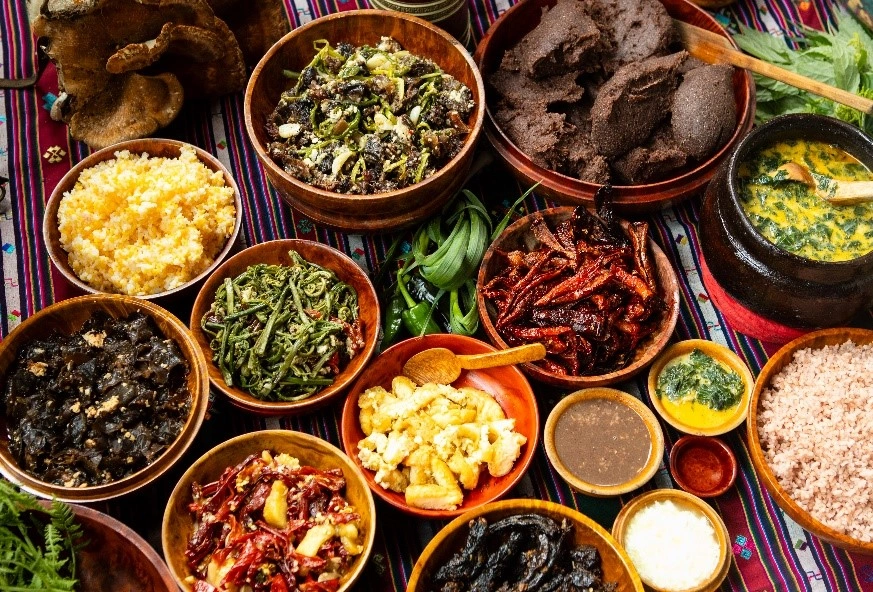
Bhutanese cuisine is a hearty reflection of its agrarian roots, characterized by bold spices, abundant cheese, and simple, nourishing ingredients that embody hospitality. Signature dishes like ema datshi—a fiery chili-cheese stew—dominate meals, paired with red rice, buckwheat pancakes, or momos (dumplings), often vegetarian due to Buddhist influences but including meats like pork or beef in non-religious settings. Dining is communal, with hosts serving generous portions to signify warmth; butter tea (suja), salty and churning, sustains in cold climes, while ara, a fermented rice spirit, adds festivity. For South Africans, the spiciness rivals peri-peri, but cheese-heavy flavors offer novelty—embrace it as part of Bhutan's generous spirit.
Festivals, Religion, and Sacred Places
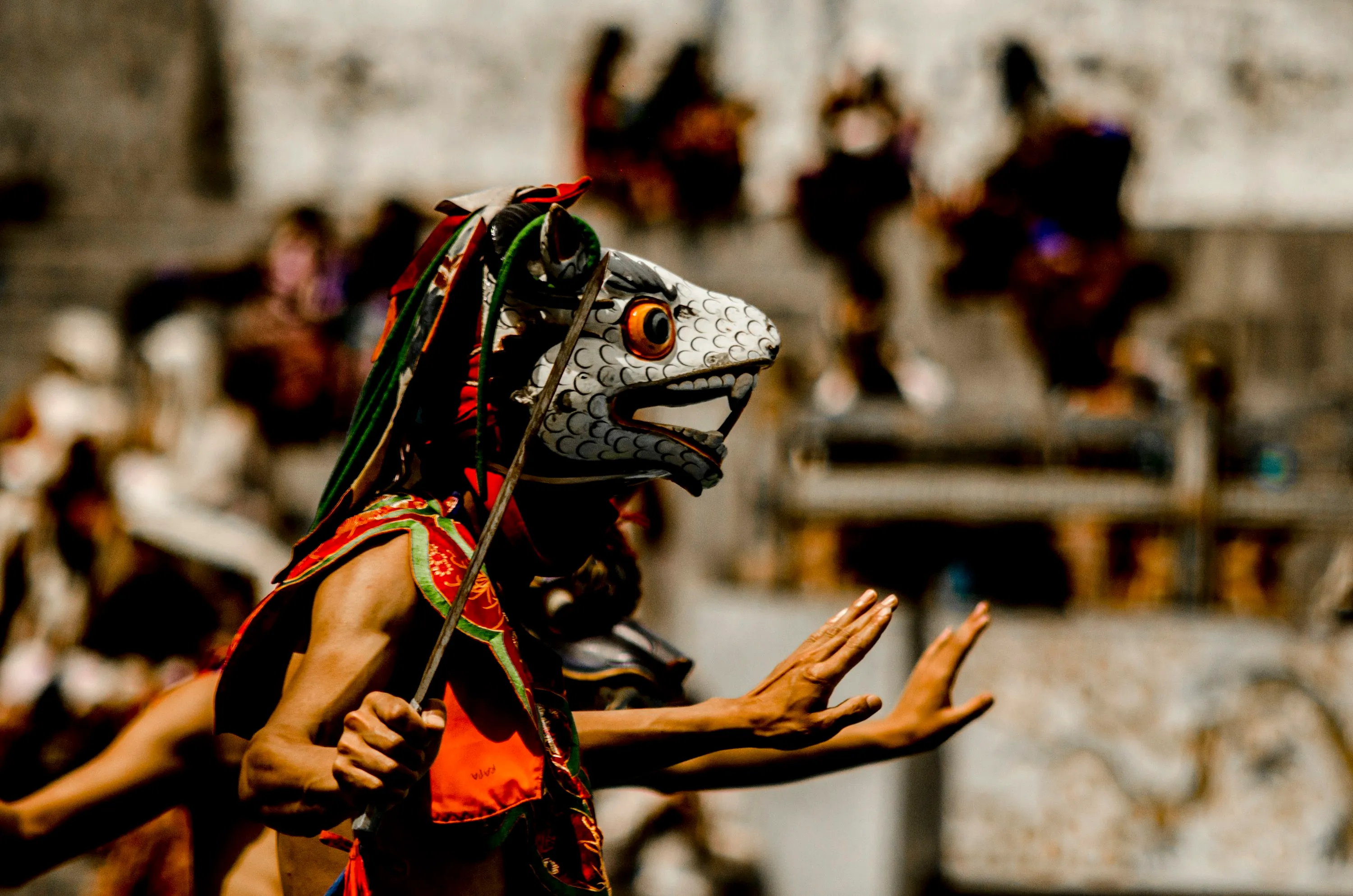
Religion permeates Bhutanese life through Vajrayana Buddhism, with sacred sites like dzongs and monasteries serving as spiritual and communal hubs. Festivals, or tshechus, honor Guru Rinpoche with masked dances, music, and rituals, fostering unity; visitors must dress modestly, avoid photography during ceremonies, and observe silently. These events deepen cultural understanding, revealing Bhutan's devotion and artistry.
Hidden Challenges and Practical Inconveniences
Bhutan's charm includes minor inconveniences like slow service in eateries, itinerary tweaks due to weather, occasional power outages, and bumpy roads—embrace them as invitations to patience, enhancing the authentic experience.
Shopping and Souvenirs
Shopping in Bhutan centers on artisanal crafts like handwoven textiles, wooden masks, and incense, found in markets without high-end malls. Bargaining is minimal; focus on authenticity for meaningful mementos.
Altitude Awareness and Physical Preparedness
Altitude affects variably, with symptoms like dizziness; hydrate, acclimatize gradually, and adjust activities to maintain well-being.
Security, Safety, and Emergency Information
Bhutan's safety is exemplary, with low crime; emergencies dial 112, and South African support via Delhi embassy—respect laws for seamless travel.
Photography and Drones
Photography is welcome outdoors but prohibited inside religious sites; drones require permits, often restricted for tourists—seek permission respectfully.
What Bhutan Does Not Have
Bhutan lacks skyscrapers, fast-food chains, casinos, and mega-malls, preserving its charm through intentional simplicity.
Important Questions to Ask Before Booking a Tour
Before committing to a tour operator, inquire about their licensing by the Tourism Council to ensure legitimacy and quality standards. Ask for a detailed itinerary, including flexibility for personal interests or weather adjustments, to align with your preferences. Discuss guide qualifications—confirm English fluency and expertise in history or specific activities—and whether the driver is separate for safety. Probe accommodation details, such as hotel ratings and locations, to match comfort levels. Regarding food, question dietary accommodations, like vegetarian options or spice levels, given Bhutan's cuisine. For emergencies, seek protocols on medical support and insurance requirements. Inquire about SIM card provision for connectivity and any language support beyond English. Finally, clarify tipping norms and full inclusions to avoid surprises, fostering a tailored experience.
Conclusion
In reflection, Bhutan offers South African travelers a rare sanctuary of cultural depth, natural splendor, and spiritual serenity, far from commercial frenzy—a destination that rewards the soul-seeking explorer with lasting peace.