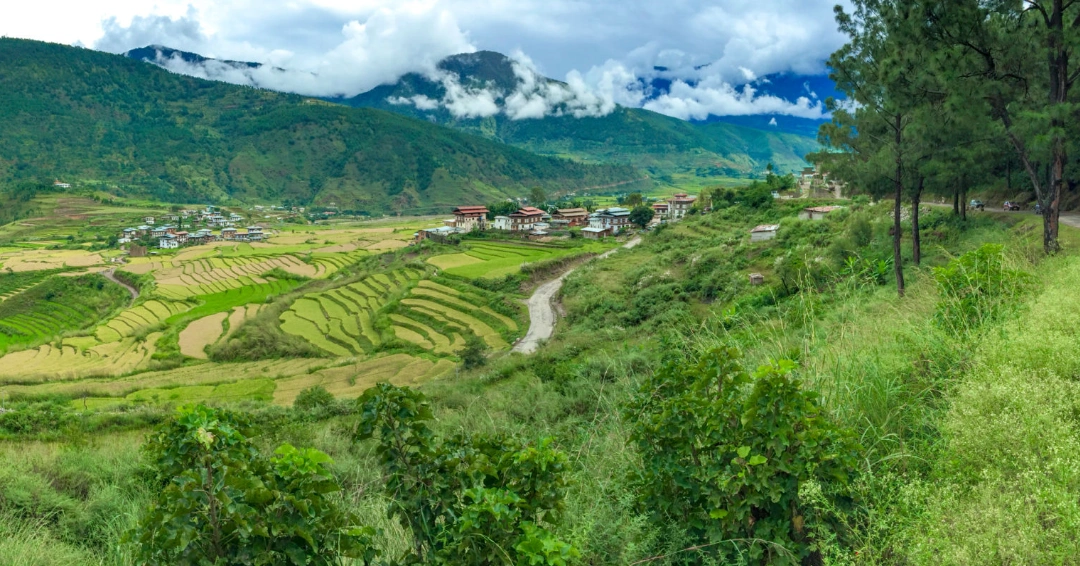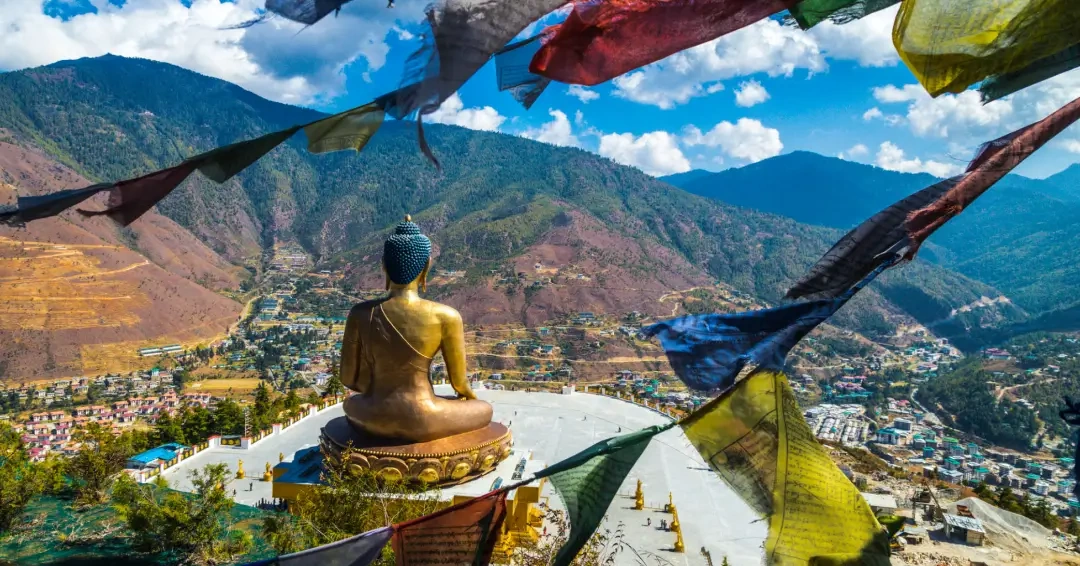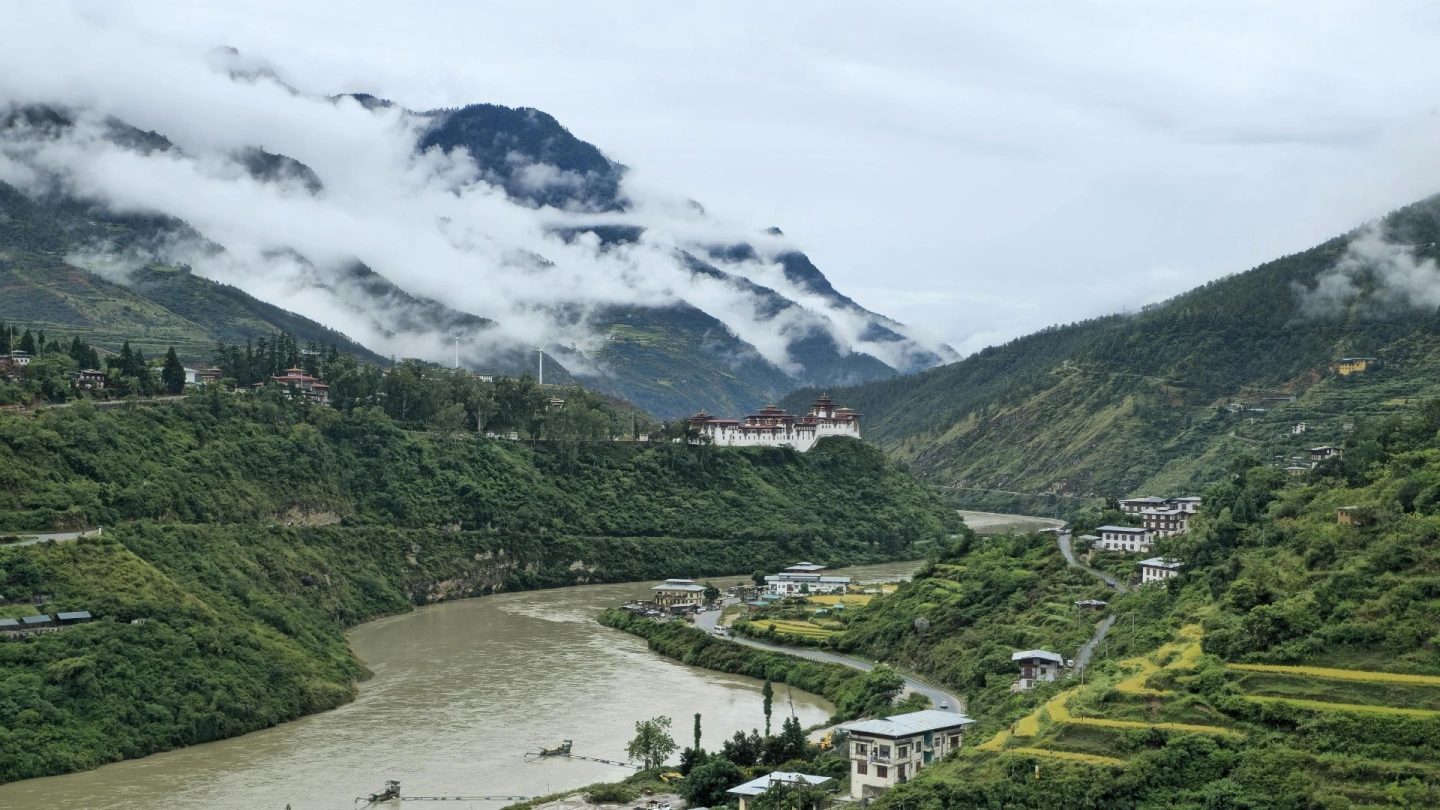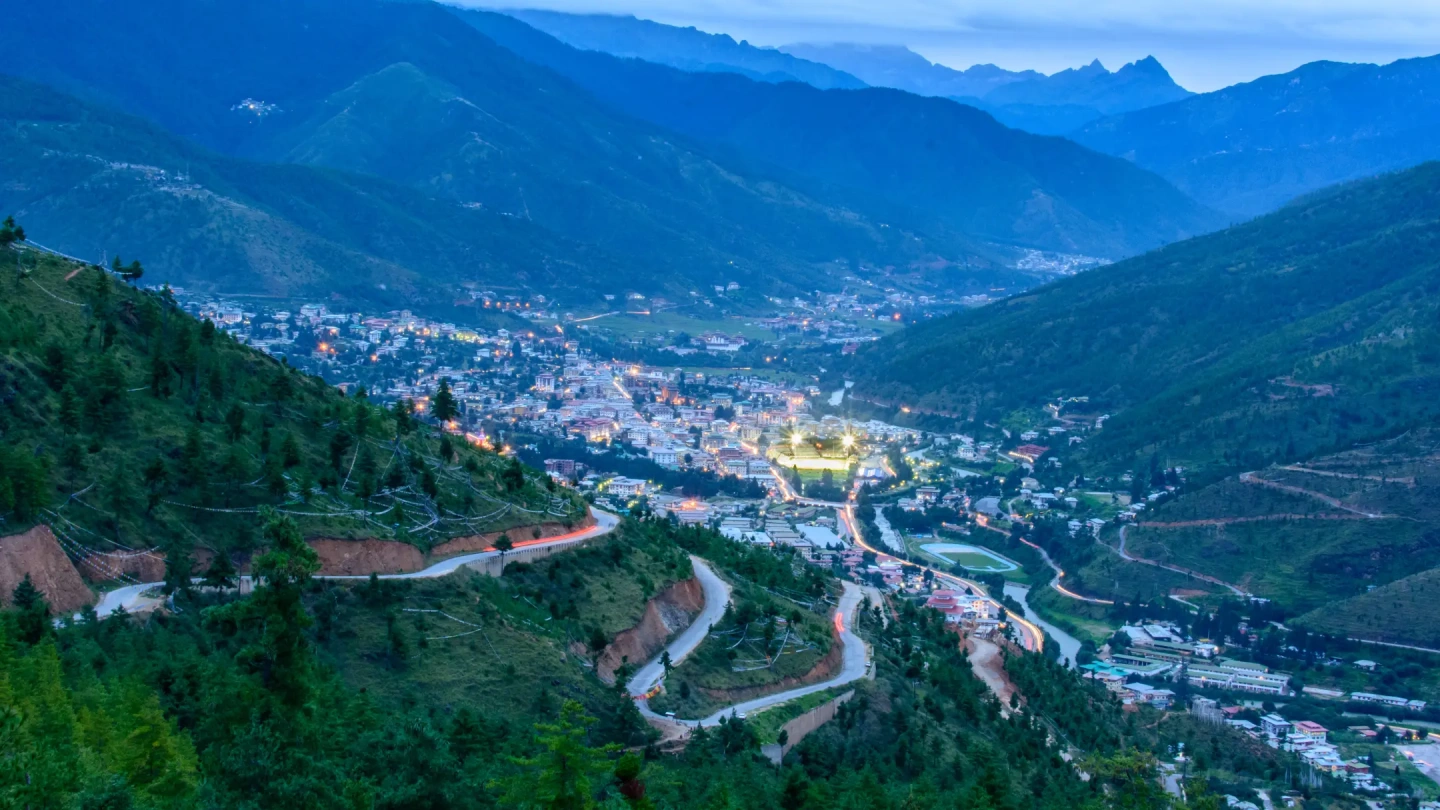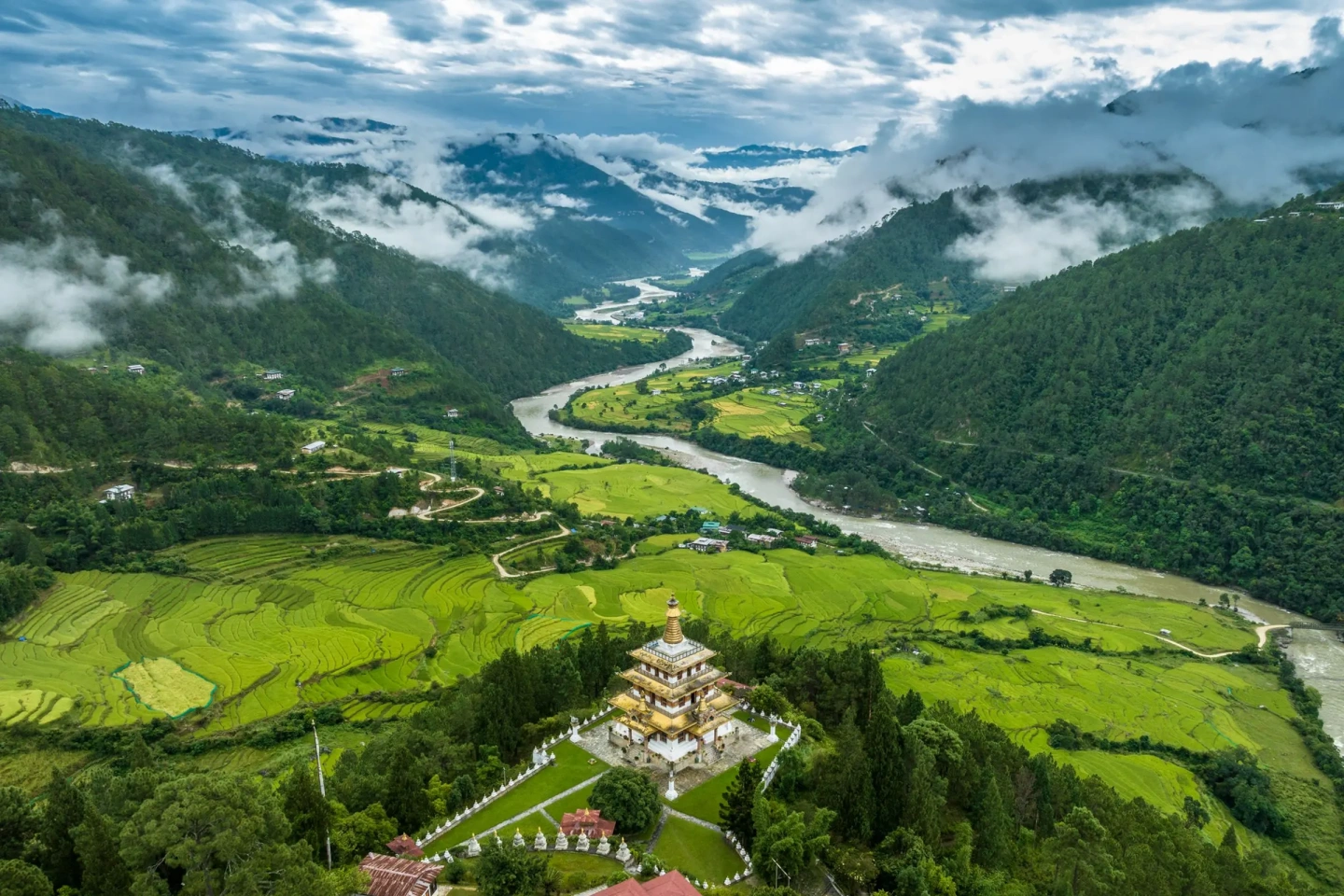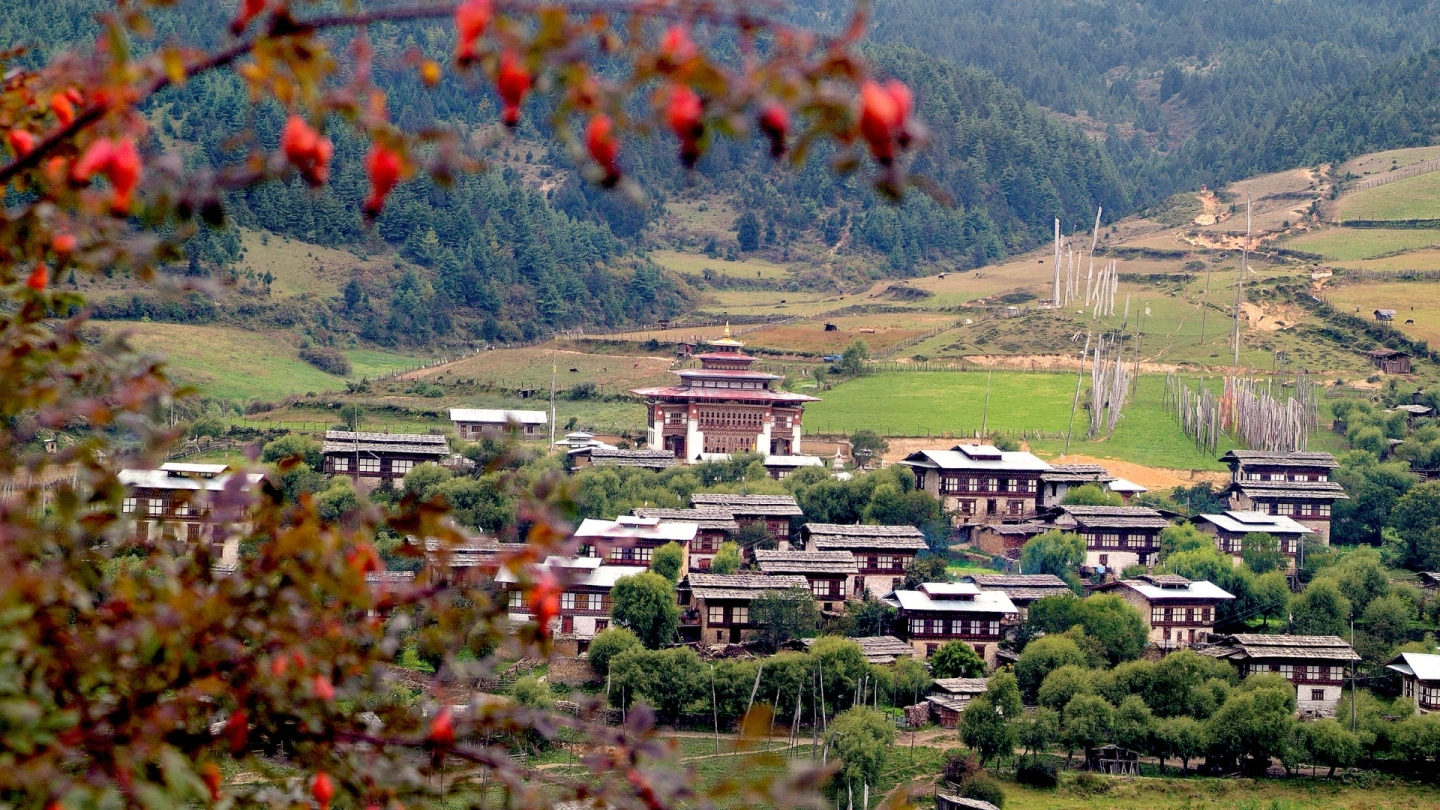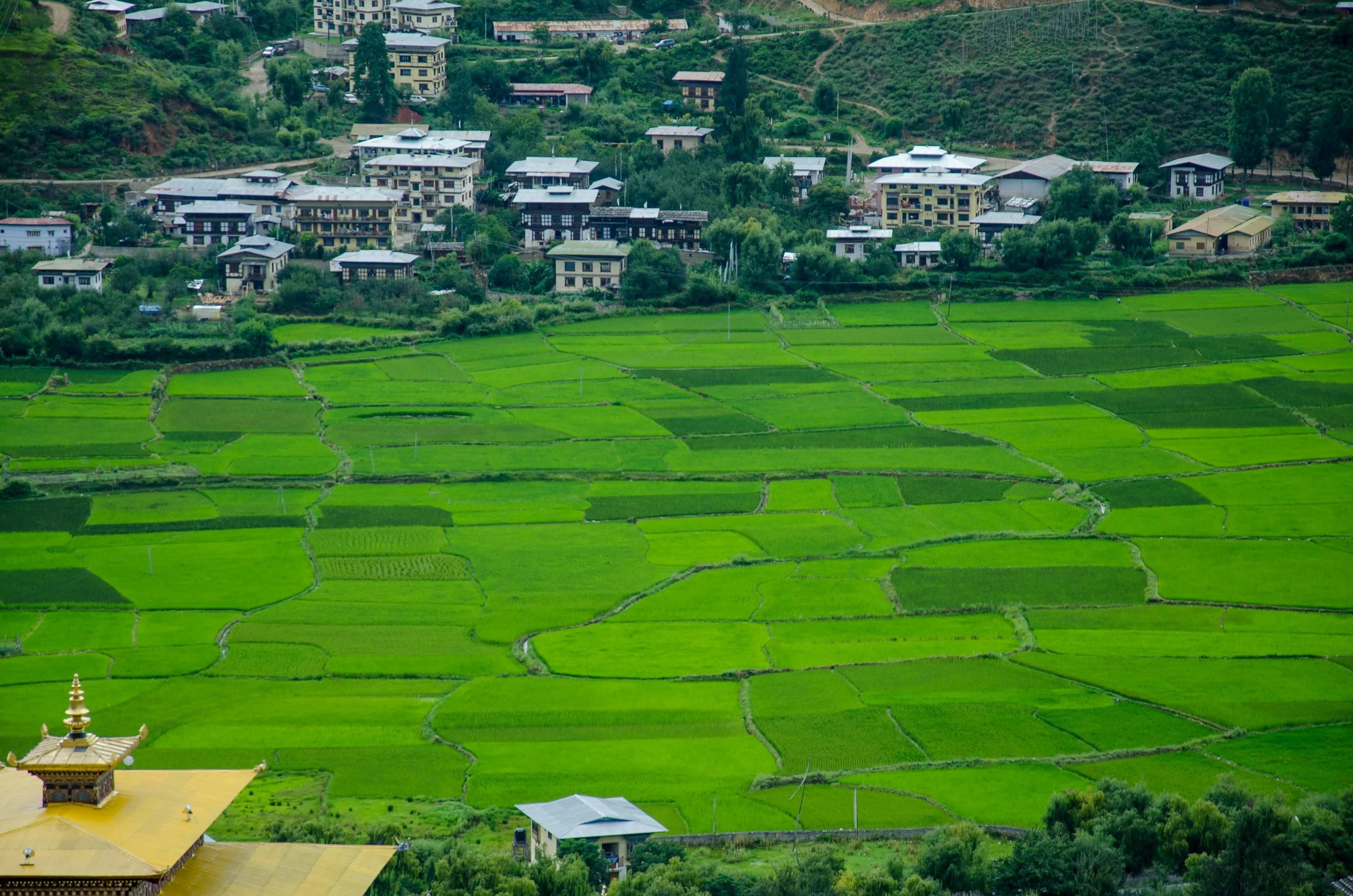


Enveloped in the majestic embrace of the Eastern Himalayas, Bhutan unfolds as a realm of profound serenity and timeless traditions, beckoning Mauritian travelers from their sun-kissed shores to a landscape where verdant valleys and sacred peaks replace endless ocean horizons. As an seasoned Bhutanese travel consultant, I warmly welcome you, visitors from Mauritius, to explore our kingdom's unspoiled beauty, where ancient dzongs stand sentinel over rivers and forests, and the air resonates with chants from monasteries rather than the rhythm of calypso beats. Diplomatic relations between Bhutan and Mauritius were formally established on July 2, 2012, fostering a bond through shared commitments in international arenas like the United Nations, where both nations champion environmental sustainability and climate action—vital for Mauritius' island vulnerabilities and Bhutan's carbon-negative status. While Mauritius flourishes as a multicultural mosaic of Creole vibrancy, luxury resorts, and economic dynamism driven by tourism and finance, Bhutan adheres to a philosophy of measured progress under Gross National Happiness, emphasizing ecological preservation and spiritual well-being over unchecked growth. This juxtaposition presents Mauritian adventurers with an enthralling escape, trading turquoise lagoons for turquoise skies over snow-draped mountains, and discovering a destination where happiness is woven into the fabric of daily life, offering a realistic yet captivating contrast to your tropical paradise.
Visa and Entry Requirements
Bhutan's tourism policy is thoughtfully crafted to ensure high-value, low-impact experiences, mandating that all international visitors, including those from Mauritius, organize their trips solely through licensed Bhutanese tour operators to protect the environment and cultural heritage. For Mauritian tourists, the visa process is streamlined as an eVisa, initiated by your selected operator who submits the application to the Department of Immigration under the Tourism Council of Bhutan. Required documents typically include a scanned passport valid for at least six months post-entry, a recent passport-sized photograph, and proof of travel insurance encompassing medical emergencies. The operator manages the submission, and approval generally comes within 72 hours in the form of an electronic visa clearance letter, which you present at Paro International Airport or land entry points. Payment for the full tour package is essential and must be transferred upfront to the Tourism Council, as this step directly facilitates visa issuance. Central to this is the Sustainable Development Fee (SDF), currently US$100 per adult per night, US$50 for children aged 6-11, and free for those under 6, valid through 2027; this fee bolsters initiatives in education, healthcare, and conservation, thereby increasing the total trip expense but guaranteeing that your journey supports Bhutan's sustainable future.
Travel Routes from Mauritius to Bhutan
Traveling from the tropical expanse of Mauritius to the secluded heights of Bhutan entails a multi-leg journey, with no direct flights available, requiring Mauritian travelers to plan connections through major international hubs for a seamless arrival. Departing from Sir Seewoosagur Ramgoolam International Airport (MRU) in Port Louis, common routes involve initial flights with carriers such as Air Mauritius, Emirates, or Turkish Airlines to transit points like Dubai, Istanbul, or Johannesburg, before linking to Asian gateways including Delhi (India), Bangkok (Thailand), or Kathmandu (Nepal). From these locations, the concluding flight to Paro International Airport (PBH) is serviced exclusively by Druk Air or Bhutan Airlines, Bhutan's national carriers, which operate on restricted schedules—typically a handful of weekly departures—to suit the airport's operational limitations. Paro Airport, cradled in a tight valley amid soaring mountains, ranks among the globe's most demanding airstrips, confined to visual approaches during daylight and prone to delays or cancellations from adverse weather such as fog, high winds, or monsoon downpours. For practical booking, secure your international segments independently while your tour operator arranges the Bhutan flight; expect overall durations of 20-30 hours with layovers spanning 4-10 hours, and incorporate contingency days for disruptions, enabling Mauritian visitors a thoughtful passage from island breezes to Himalayan wonders.
Best Time to Visit and Seasonality
Bhutan's seasons paint a vivid mosaic of climatic shifts, each offering unique weather, natural displays, and cultural events that Mauritian tourists, hailing from consistent equatorial warmth, should weigh carefully in their planning. Spring (March to May) delivers moderate temperatures of 10-20°C, blanketing landscapes in blooming rhododendrons and facilitating trekking with minimal precipitation, though light rains may arise; it features festivals like the Gomphu Kora, ideal for cultural dives. Summer (June to August) heralds the monsoon, with substantial rainfall exceeding 500mm monthly in lowlands, yielding verdant scenery but risking roadblocks and flight issues, yet it spotlights events such as the Kurjey Tshechu for immersive local traditions. Autumn (September to November) shines with cooler 5-15°C conditions, azure skies revealing Himalayan panoramas, and prime festival season including the Jambay Lhakhang Drup, attracting balanced crowds. Winter (December to February) brings chillier air down to -5°C in elevations, with snowfall adding ethereal charm for birding or quiet explorations, though some routes may shut. For Mauritian travelers acclimated to humidity, September to November or March to May are optimal, providing comfortable weather for activities like hiking, vibrant festivals without excessive crowds, and a gentle adaptation from tropical heat to mountain crispness.
Money, Costs, and Payment Methods
Financial navigation in Bhutan blends local customs with practicalities, where the Bhutanese Ngultrum (BTN), tied equally to the Indian Rupee (INR), dominates transactions, guiding Mauritian travelers familiar with the Mauritian Rupee to exchange wisely on arrival. Conversion services exist at Paro Airport, banks in Thimphu and Paro, and certain hotels, favoring USD or INR for better rates over direct Mauritian currency swaps. ATMs accepting Visa and Mastercard dot urban zones but are unreliable in outlying areas, with potential fees, while credit cards see limited use in premium venues often with added charges. Mauritian visitors should carry USD in small bills or BTN cash for rural dealings. Tour packages generally cover 3-star or superior lodging, all meals, internal travel, a guide, and site fees, excluding extras like alcohol, gifts, laundry, and tips—allocate US$10-15 daily for staff. Optional pursuits may add US$50-100 per day, reflecting Bhutan's emphasis on equitable costs that sustain its ethos.
Health, Safety, and Travel Insurance
Health and safety preparations are crucial for Bhutan, especially for Mauritian travelers shifting from sea-level tropics to altitudes that may induce challenges. Altitude sickness risks escalate above 2,500 meters, with signs including headaches and breathlessness; prevent via slow ascents, hydration, and doctor-prescribed aids like acetazolamide. Vaccinations advised encompass Hepatitis A/B, Typhoid, and Tetanus, plus repellents for southern mosquito threats despite low malaria. Facilities are adequate in Thimphu but rudimentary elsewhere, highlighting the imperative for insurance with evacuation coverage—potentially US$10,000+ for helicopters. Bhutan remains exceptionally safe with scant crime, thanks to its cohesive community, but watch for stray dogs (rabies risk) and irregular paths. With proper insurance and guide vigilance, Mauritians can savor the peace unhindered.
Cultural Etiquette and Social Expectations
Bhutan's societal norms are steeped in Buddhist ideals of respect and equilibrium, prompting Mauritian travelers, with their convivial Creole heritage, to fine-tune behaviors for harmonious integration. In monasteries and temples, opt for modest attire—long trousers, shoulder coverage, no hats or footwear; women avoid exposure to match conservative standards. Salutations involve a bow or "Kuzuzangpo la," receiving items with both hands to show appreciation in a culture prizing patience and humility over haste—echoing Mauritius' communal spirit but tempering its lively directness. Discreet affection in public, open-hand pointing, and clockwise navigation around stupas uphold traditions. Mauritian expressiveness can adapt by embracing quiet in holy sites and deference to elders, cultivating mutual esteem and deeper cultural ties.
Connectivity, SIM Cards, Internet Access
Bhutan's connectivity merges contemporary tools with topographic hurdles, affording Mauritian travelers a mix of linkage and mindful disconnection. Hotel Wi-Fi is common in cities like Thimphu, offering 5-20 Mbps, though prone to lapses in remotes or storms. Tourist SIMs from B-Mobile or TashiCell, purchasable at Paro Airport or shops with passport/visa, cost BTN 200-500 for data/calls/SMS lasting 7-30 days—B-Mobile excels in coverage. Mauritian apps operate freely, but VPNs aid privacy or rare blocks. This setup facilitates sharing experiences while aligning with Bhutan's present-focused living.
Language and Communication
Bhutan's linguistic array, led by Dzongkha, presents surmountable obstacles for Mauritians, whose English, French, and Creole proficiency dovetails with tourism's English dominance. Guides and staff converse fluently in English, easing tours. French-speaking guides, numbering over two dozen trained, are accessible via operators—request early; Creole lacks direct support but French overlaps may assist. For English limitations, use apps like offline Google Translate, visuals, or gestures in markets, with guides interpreting rural chats. Basic phrases like "Tashi Delek" build bridges, turning barriers into enriching exchanges.
Packing and Preparation Advice
Packing for Bhutan's climate diversity calls for adaptability, arming Mauritian travelers unused to Himalayan swings with essentials for varying conditions. Layer with breathable tees, fleeces, waterproof shells, and thermals for 0°C nights; include robust boots for trails, casual shoes for towns, and modest outfits for sites. Pack sunscreen (high UV), lip balm, repellent, water bottle, headlamp for outages. Medications: altitude pills, painkillers, antidiarrheals, prescriptions, first-aid. Add Type D/F/G adapter (230V), charger, binoculars, eco-products. Soft bag (20-25kg) simplifies moves, leaving souvenir room, prepping for shifts from Mauritian warmth.
Bhutan’s Unique Tourism Philosophy
Bhutan's tourism is anchored in Gross National Happiness (GNH), a paradigm by our Fourth King prioritizing holistic welfare, culture, environment, and governance over GDP, molding policies that Mauritians, from an eco-tourism hub, will resonate with yet find uniquely introspective. GNH drives guided tours and SDF to favor quality visitors, averting mass influxes that erode heritage. Bhutan curbs modernization to protect forests (70%+), biodiversity, and societal bonds, rooted in Buddhism's caution against greed. For Mauritians, this unveils a realm where depth trumps volume, akin to your sustainable practices but heightened by isolation and collective bliss.
Mindset and Expectations for Visitors
Shaping expectations for Bhutan means adopting a contemplative tempo, diverging from Mauritius' vibrant leisure to Himalayan deliberation that cultivates patience. Life proceeds leisurely—meals foster dialogue, plans flex with nature—within modest infrastructure of curving roads and intimate lodges, sans lavish malls or nightlife. Focus shifts to treks, spiritual sites, and traditions nourishing the spirit. Mauritians, versed in island calm, will appreciate this purity, seeing constraints as portals to genuine connections and renewal beyond materialism.
Food and Dining Culture
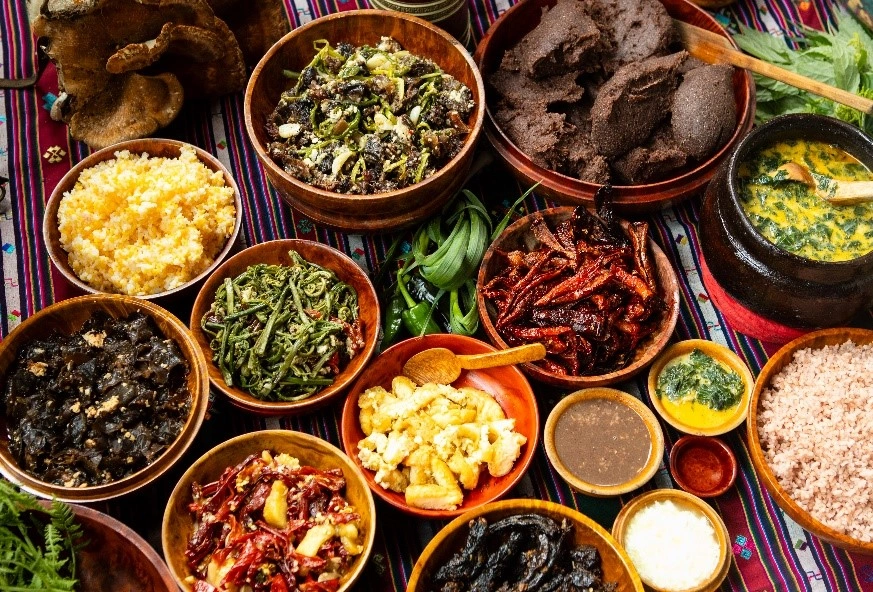
Bhutanese cuisine mirrors hearty simplicity, spiced with chilies, rich cheeses, and staples embodying hospitality, presenting Mauritian tastes a fiery pivot from Creole seafood. Red rice anchors meals with ema datshi (chili-cheese) or pork stews, emphasizing organic freshness amid vegetarian nods. Communal dining shares platters, building ties, with salty butter tea and moderate ara enhancing warmth. This tradition invites full participation, allowing Mauritians to draw spice parallels while adjusting to cheese for cultural feasts.
Festivals, Religion, and Sacred Places
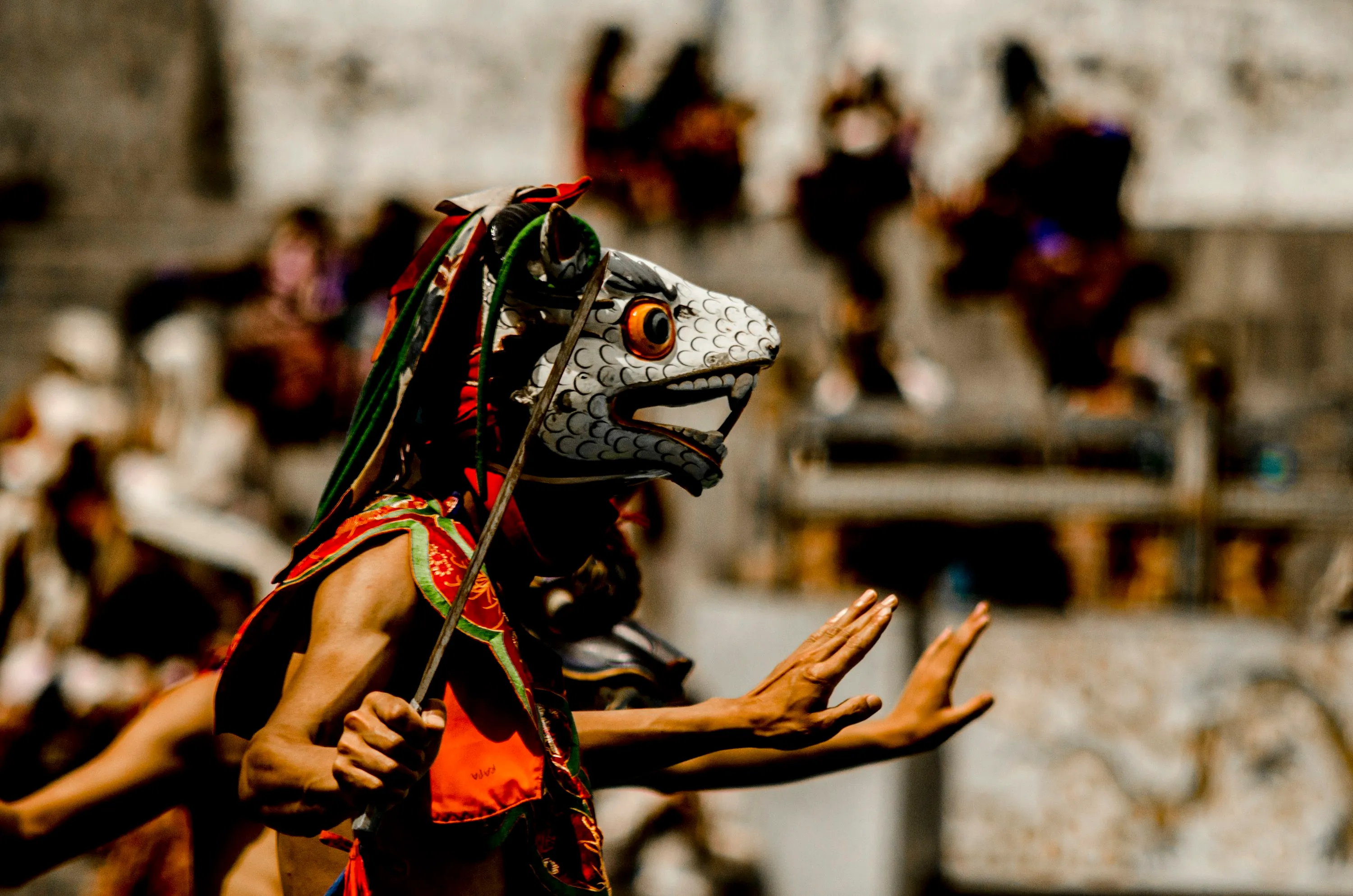
Religion saturates Bhutan, with Vajrayana Buddhism shaping existence and festivals offering Mauritians insights into spiritual layers. Tshechus feature cham dances and rituals in dzongs, requiring modest garb and quiet reverence for blessings. At sites like Taktsang, shed shoes, circle clockwise, avoid artifact contact. These engagements reveal karma and empathy, deepening cultural grasp and providing transformative views.
Hidden Challenges and Practical Inconveniences
Bhutan's raw appeal includes subtle trials that, approached patiently, amplify its enchantment for Mauritians. Service lingers thoughtfully, itineraries adapt to elements—guides manage fluidly. Hydro power flickers rurally, roads wind challengingly, yet these preserve authenticity, positioning patience as key to uncovering profound allure.
Shopping and Souvenirs
Bhutan's shopping highlights artisanal heirlooms, shifting from Mauritian boutiques to markets with textiles, carvings, incense, absent malls. Seek genuine items in Thimphu, fixed prices dominant but light bargaining possible. Certified goods aid artisans, making purchases cultural tributes.
Altitude Awareness and Physical Preparedness
Altitude varies effects, symptoms like fatigue emerging quickly; counter with fluids, carbs, rest days. Pre-fitness via cardio preps for hikes, scaling efforts for safety amid elevations.
Security, Safety, and Emergency Information
Bhutan's safety excels, low crime from trustful society, though caution on trails, wildlife. Dial 113 police, 112 health; guides assist. Mauritian support via Foreign Affairs or Delhi mission, honoring laws like tobacco curbs for serene visits.
Photography and Drones
Photography flourishes in sceneries but bans in sacred interiors; gain consent for portraits. Drones mandate aviation approval, avoiding restricted areas, ensuring dignified captures.
What Bhutan Does Not Have
Bhutan forgoes skyscrapers, fast-food, casinos, malls, safeguarding charm through omission, urging Mauritians to embrace pristine essence over commerce.
Important Questions to Ask Before Booking a Tour
Before sealing your Bhutan sojourn, Mauritian travelers ought to query operators discerningly for bespoke fit, starting with "Are you Tourism Council licensed, with Mauritian references?" for trust. Probe inclusions: "Package details—accommodations, meals, transport, guides, SDF—extras like enhancements?" Guides: "English or French proficiency, cultural depth?" Flexibility: "Weather or preference adjustments?" Lodging/food: "Hotel levels, spice/diet tweaks for Creole tastes?" Emergencies: "Health, evacuation plans, insurance advice?" Connectivity: "SIM/Wi-Fi provision?" Tipping: "Staff norms?" Insurance: "Coverage essentials?" These craft secure, personalized odysseys.
Conclusion
Bhutan persists as an exceptional sanctuary for Mauritian seekers of cultural profundity, natural majesty, and spiritual tranquility, countering island vitality with Himalayan reflection in uncommercialized splendor. This realm calls you beyond routine, yielding enriched vistas of happiness amid summits and supplications.