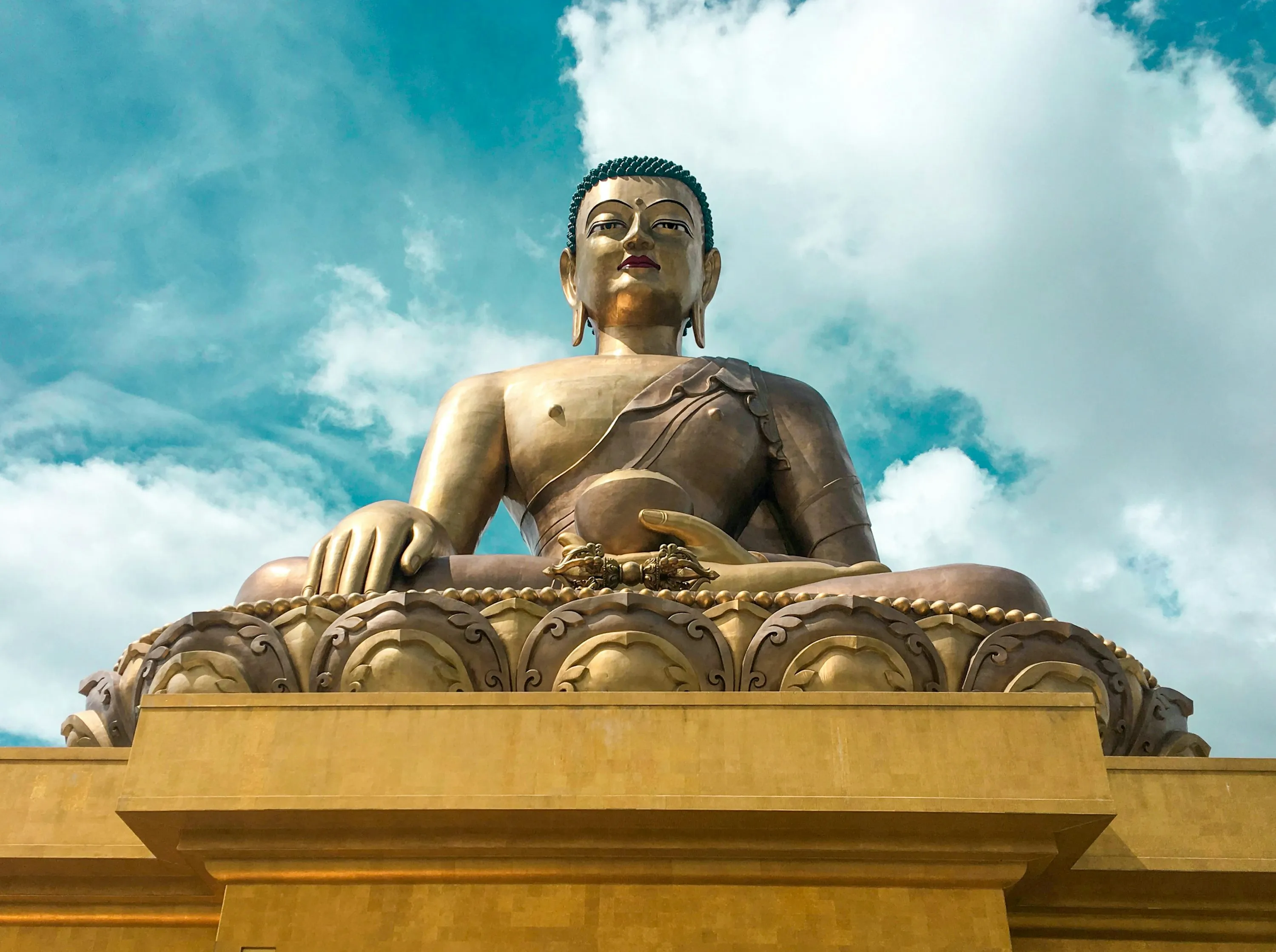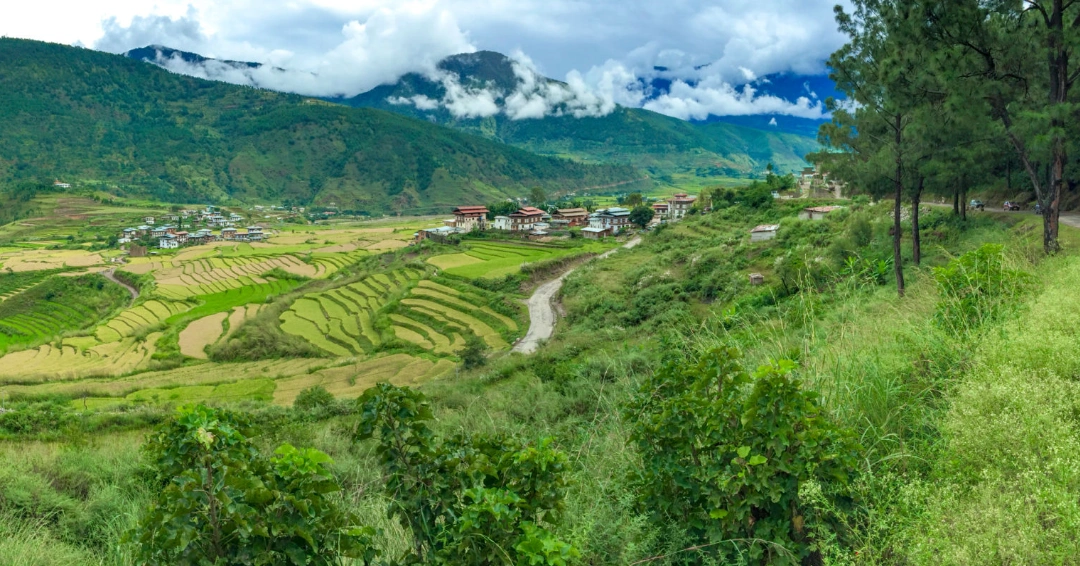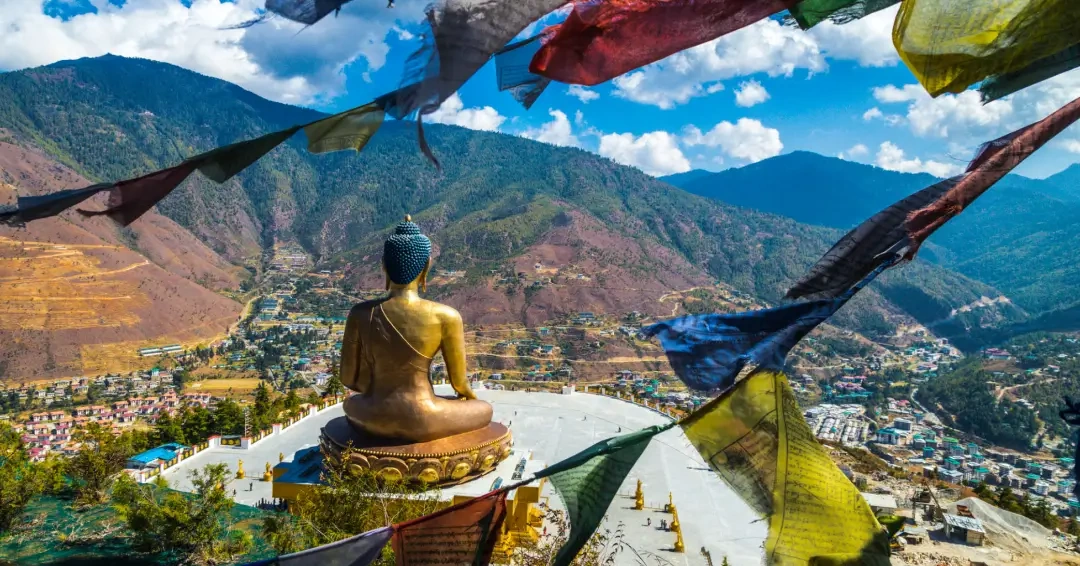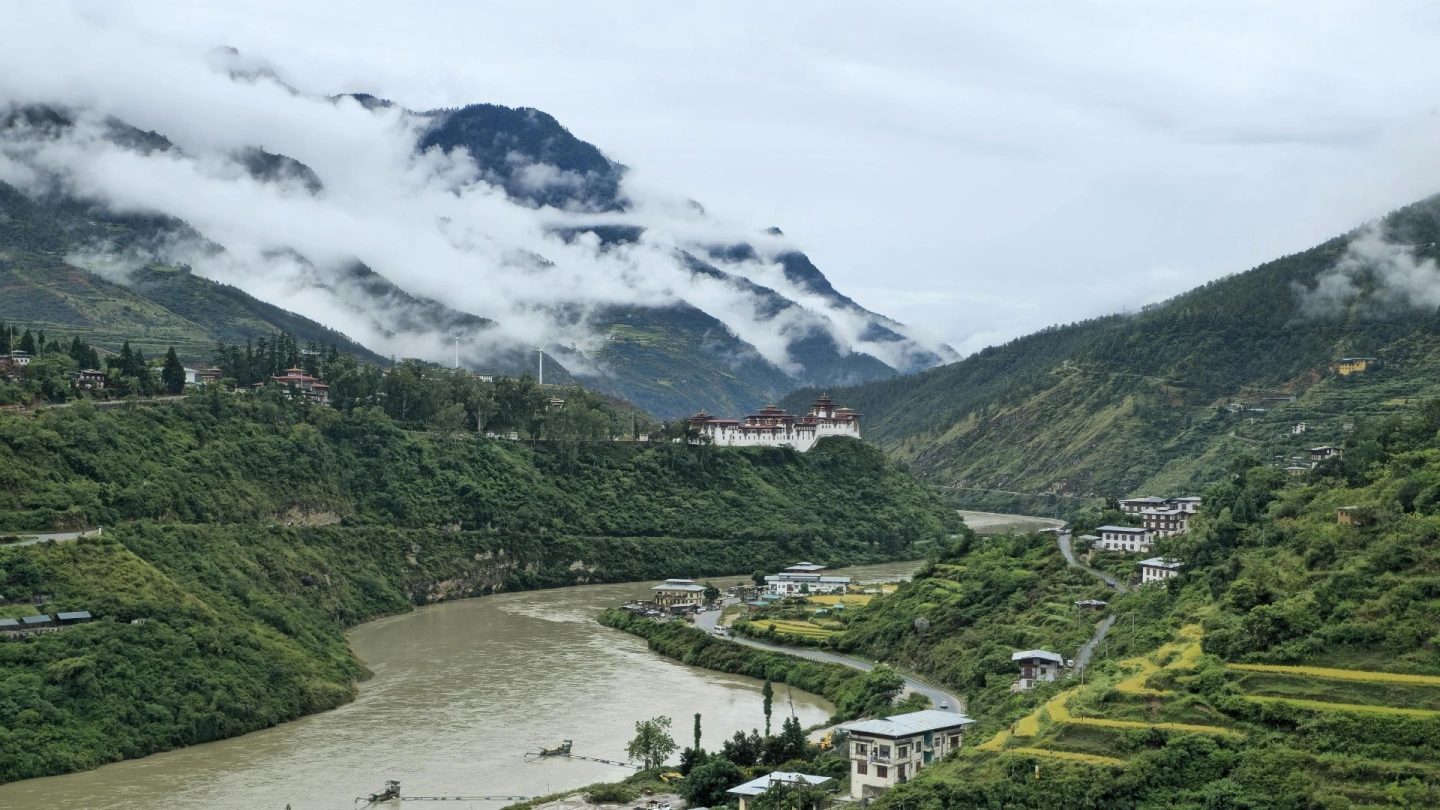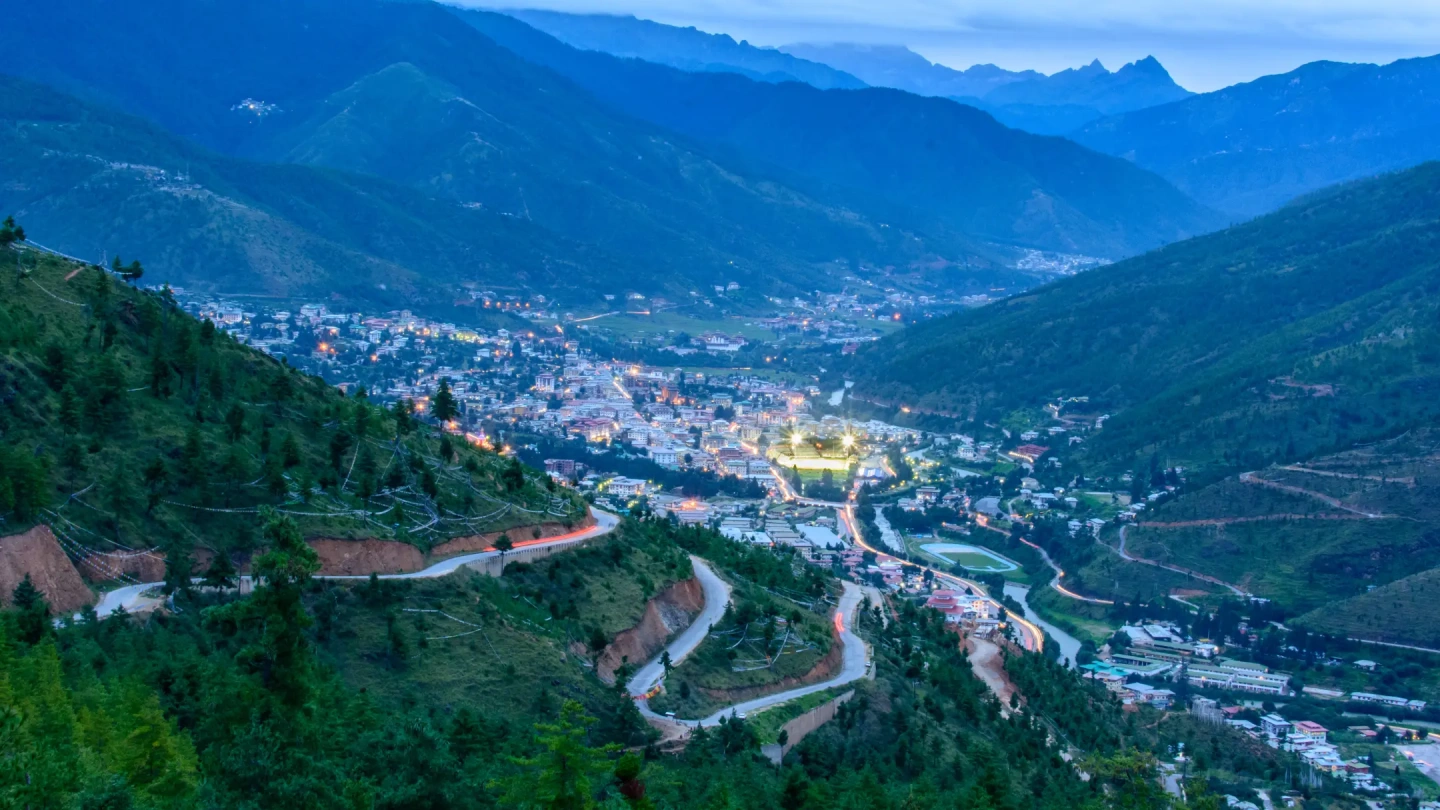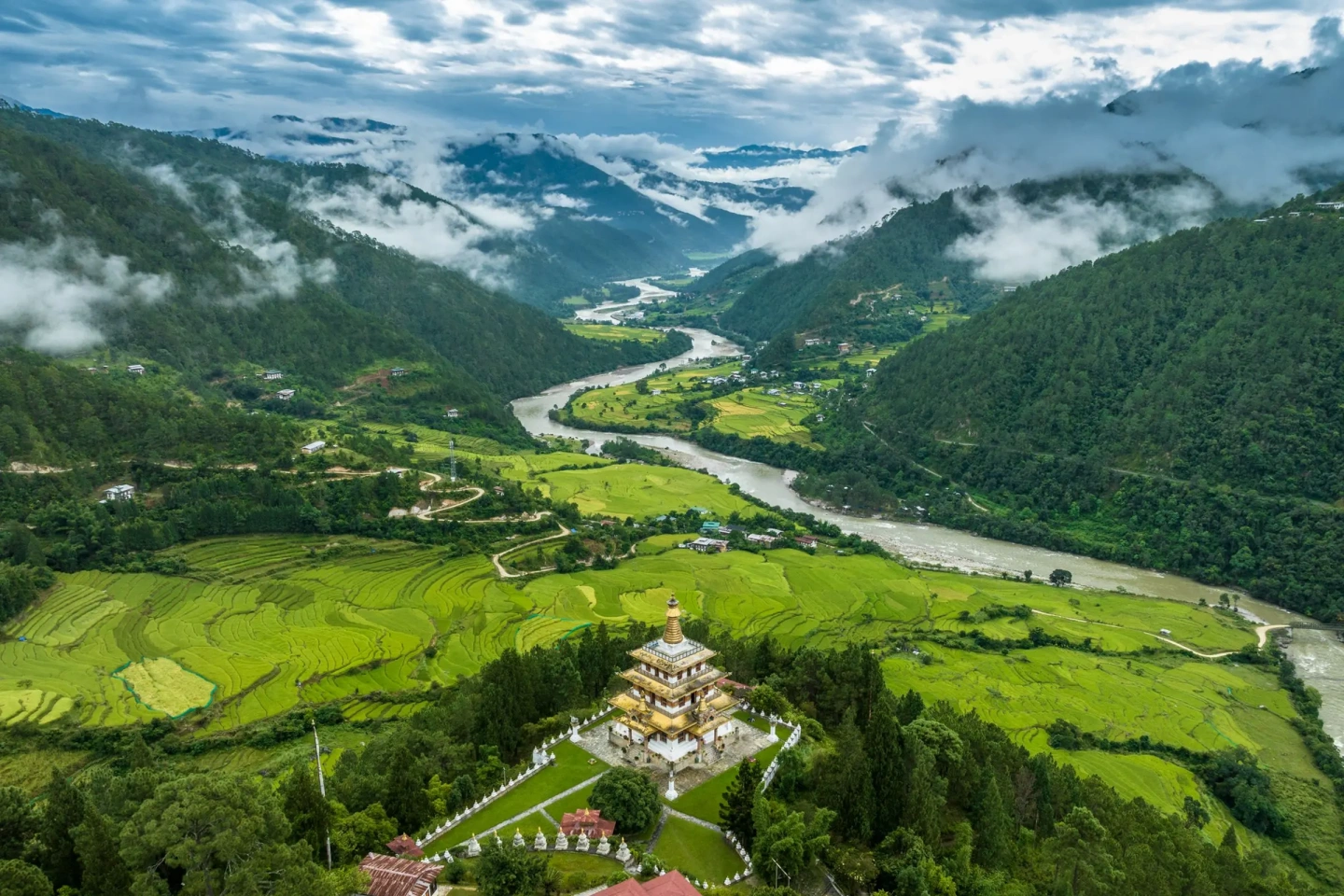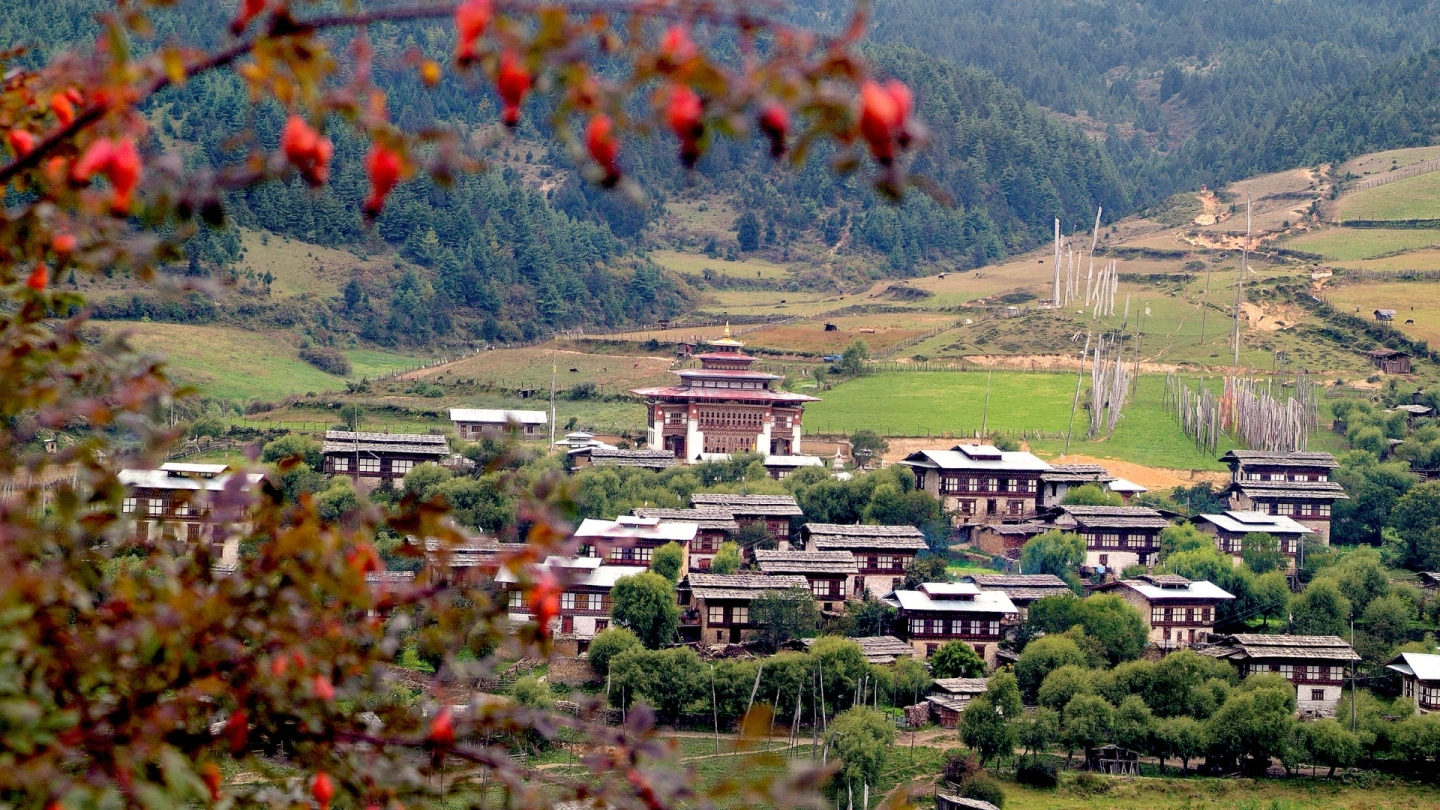


Bhutan, the enchanting kingdom nestled in the Eastern Himalayas, offers Malaysian travelers a profoundly unique escape from the familiar tropical landscapes and bustling urban life of their homeland. As a landlocked nation bordered by India and China, Bhutan captivates with its pristine natural beauty, ancient monasteries perched on cliffs, and a society deeply rooted in Buddhist principles that prioritize happiness over material wealth. For Malaysians accustomed to the vibrant multiculturalism, sandy beaches, and modern conveniences of cities like Kuala Lumpur or Penang, Bhutan presents a compelling contrast: towering snow-capped mountains instead of equatorial rainforests, serene spiritual retreats rather than high-rise skyscrapers, and a deliberate pace of life that encourages introspection amid unspoiled wilderness. The diplomatic relationship between Malaysia and Bhutan, established in 2002, has fostered warm bilateral ties, with both countries sharing memberships in international organizations like the United Nations and emphasizing sustainable development—Malaysia through its diverse economy and Bhutan via its iconic Gross National Happiness index. While Malaysia boasts a GDP per capita significantly higher than Bhutan's, reflecting its industrial and technological advancements, Bhutan stands out for its environmental conservation, with over 70% forest cover compared to Malaysia's around 50%, and a commitment to carbon neutrality that could inspire Malaysian eco-tourism initiatives. This guide, crafted as if by an experienced Bhutanese travel consultant, aims to equip Malaysian visitors—who may be unfamiliar with high-altitude adventures and controlled tourism—with realistic insights, blending the allure of Bhutan's cultural depth and natural splendor with practical advice to ensure a transformative yet comfortable journey. Despite potential challenges like winding roads and variable weather, the rewards of experiencing Bhutan's authentic hospitality and spiritual serenity make it an irresistible destination for those seeking respite from Malaysia's fast-paced, commercialized lifestyle.

Visa and Entry Requirements
Bhutan's tourism is governed by a high-value, low-impact policy designed to preserve its cultural and environmental integrity, meaning all foreign visitors, including Malaysians, must book their trips through licensed Bhutanese tour operators rather than traveling independently. This controlled approach ensures sustainable tourism while providing structured support for travelers unfamiliar with the terrain. For Malaysian citizens, obtaining a visa involves an e-visa process handled entirely by the tour operator, who submits applications on behalf of the traveler via the official portal at visit.doi.gov.bt; the visa fee is a straightforward US$40 per person, non-refundable and payable online during application. Required documents typically include a scanned passport copy valid for at least six months beyond the intended stay, proof of travel insurance covering medical emergencies and evacuation, and sometimes a recent passport-sized photo, though the operator manages most of this digitally. Once approved—usually within 72 hours—the visa is issued as an electronic clearance letter, which must be presented upon arrival at Paro International Airport or land borders. Crucially, the visa is tied to the payment of the Sustainable Development Fee (SDF), a daily levy of US$100 per person per night for adults (reduced from previous rates and valid through 2027, with children aged 6-11 paying US$50 and those under 6 exempt), which funds Bhutan's free healthcare, education, and conservation efforts. This fee directly impacts overall trip pricing, as it must be prepaid to the tour operator along with the minimum daily package rate, effectively securing the visa; without full payment, entry is denied. Malaysians should note that while their passport grants visa-free access to many destinations, Bhutan's requirements emphasize pre-arranged tours to minimize environmental strain and cultural disruption, aligning with the kingdom's philosophy of quality over quantity in tourism.
Travel Routes from Malaysia to Bhutan
Reaching Bhutan from Malaysia requires careful planning due to the absence of direct flights, with most journeys involving transits through key hubs that connect Southeast Asia to the Himalayan kingdom. From major Malaysian cities like Kuala Lumpur, Penang, or Johor Bahru, travelers typically fly to transit points such as Bangkok (Thailand), Singapore, Delhi (India), or Kathmandu (Nepal), before boarding flights operated exclusively by Bhutan's two national carriers: Drukair (Royal Bhutan Airlines) and Bhutan Airlines. For instance, a common route from Kuala Lumpur International Airport (KUL) involves a short flight to Bangkok's Suvarnabhumi Airport (BKK) on airlines like AirAsia or Thai Airways, followed by a Drukair connection to Paro International Airport (PBH), lasting about 4-5 hours; similarly, via Singapore's Changi Airport (SIN), Drukair offers direct links to Paro. Bhutan Airlines has introduced seasonal direct flights from Kuala Lumpur to Paro starting in late 2024, but as of 2025, these remain limited and subject to confirmation, often requiring transit for reliability. Paro Airport, one of the world's most challenging due to its high-altitude location (2,235 meters) surrounded by steep mountains, accommodates only specially trained pilots and smaller aircraft like Airbus A319s, leading to strict operational limits—flights operate solely during daylight hours with clear visibility, and weather-related delays or cancellations are common, especially during monsoon seasons. Malaysian travelers should book flights well in advance through their tour operator, who coordinates seamlessly with visa approvals, and aim for flexible schedules allowing buffer days for potential disruptions; expect total travel times of 8-12 hours including layovers, with costs varying by season but often bundled into tour packages for convenience.
Best Time to Visit and Seasonality
Bhutan's diverse topography creates distinct seasons that profoundly influence travel experiences, from blooming rhododendrons in spring to crisp autumn skies ideal for trekking, making trip planning essential for Malaysian visitors used to consistent tropical warmth. Spring (March to May) brings mild temperatures averaging 10-20°C in valleys like Paro and Thimphu, with valleys bursting into color from peach blossoms and wildflowers, though higher altitudes may still see snow; this period highlights festivals like the Paro Tshechu in April, featuring masked dances and religious rituals that offer cultural immersion. Summer (June to August) introduces the monsoon, with heavy rains (up to 500mm monthly) causing lush greenery but also landslides, foggy conditions, and flight delays—ideal for botany enthusiasts but less so for clear Himalayan views or outdoor activities. Autumn (September to November) is widely regarded as the prime season, with clear blue skies, comfortable 15-25°C days, and minimal rainfall, perfect for trekking the Druk Path or attending the Thimphu Tshechu in October; festivals abound, drawing moderate crowds without overwhelming popular sites. Winter (December to February) offers stark beauty with snowfall in higher regions (temperatures dipping to -5°C at night), fewer tourists, and events like the Punakha Tshechu in February, but cold snaps can close mountain passes. For Malaysian tourists, who might prefer avoiding Malaysia's rainy seasons, autumn or spring are recommended for balanced weather, vibrant festivals, and manageable crowds—plan around these for optimal hiking, wildlife spotting, and cultural events, while considering altitude's cooling effect compared to Malaysia's humidity.
Money, Costs, and Payment Methods
Bhutan's currency, the Ngultrum (BTN), is pegged one-to-one with the Indian Rupee (INR), which is widely accepted alongside it, simplifying exchanges for Malaysian travelers who can convert Ringgit (MYR) to USD or INR before departure. ATMs are available in major towns like Thimphu, Paro, and Punakha, primarily from banks such as Bhutan National Bank and Bank of Bhutan, accepting Visa, Mastercard, and sometimes Maestro cards with a four-digit PIN; however, rural areas lack machines, so withdraw cash in urban centers, noting potential fees of BTN 200-500 per transaction and daily limits around BTN 20,000. Credit cards are increasingly accepted at hotels, larger shops, and tour-related services, but cash remains king for small vendors, tips, and remote spots—carry a mix of USD (clean, post-2006 bills for best rates) or BTN, as exchanges at Paro Airport or banks require passports. Tour prices, mandated at a minimum daily rate (around US$250-300 including SDF), typically cover accommodations, meals (three per day), private transport, licensed guides, and entry fees, leaving extras like alcoholic beverages, souvenirs, laundry, and personal expenses (e.g., BTN 500-1,000 daily for incidentals) to the traveler. Malaysians should budget an additional 10-20% for tips (BTN 500-1,000 per day shared between guide and driver) and note that while costs seem high upfront, the all-inclusive nature minimizes surprises, promoting Bhutan's sustainable tourism model.
Health, Safety, and Travel Insurance
Traveling to Bhutan involves health considerations distinct from Malaysia's tropical risks, particularly altitude sickness, which affects many visitors due to elevations exceeding 2,500 meters in places like Thimphu or Dochula Pass—symptoms include headaches, nausea, and fatigue, mitigated by gradual acclimatization, hydration, and medications like acetazolamide if prescribed. Recommended vaccinations include tetanus, typhoid, hepatitis A, and possibly rabies given stray dogs in rural areas; consult a doctor 4-6 weeks prior, as Bhutan lacks advanced medical facilities outside major hospitals in Thimphu or Paro, where care is free for locals but charged for tourists. Travel insurance is non-negotiable, covering emergency evacuation by helicopter (essential for remote treks) and medical expenses up to US$100,000, as standard Malaysian policies may exclude high-altitude activities. Bhutan is remarkably safe with low crime rates, thanks to its close-knit communities and Buddhist values, but petty theft can occur in crowded festivals, and hazards like uneven paths, stray animals, or slippery roads during rains warrant caution—always follow guides and avoid solo night walks. Malaysians, familiar with urban safety protocols, will appreciate Bhutan's peaceful ambiance, but preparing for these nuances ensures a worry-free exploration of its spiritual landscapes.
Cultural Etiquette and Social Expectations
Bhutanese society is steeped in Buddhist traditions that emphasize respect, humility, and harmony, requiring Malaysian travelers to adapt slightly from their multicultural, often more extroverted norms to foster meaningful interactions. In temples and monasteries, remove hats, shoes, and sunglasses before entering, dress modestly with shoulders and knees covered (long pants and collared shirts preferred), and circumambulate sacred sites clockwise while avoiding pointing at statues or monks—use an open palm instead. Socially, greet with a slight bow and "Kuzuzangpo la" (hello), offer or receive items with both hands or the right hand supported by the left as a sign of respect, and refrain from public displays of affection, which are uncommon. Patience is key in daily life, where time is fluid and service unhurried, contrasting Malaysia's efficiency-driven culture; humility shines through avoiding loud voices or boasting, aligning with Bhutan's egalitarian ethos. Malaysians might adjust by toning down directness in conversations, embracing silence during meals (eaten communally without much chatter), and showing deference to elders or monks—small gestures like not touching heads (considered sacred) or pointing feet at people ensure cultural sensitivity, enriching experiences at festivals or homestays where hospitality flows from genuine warmth rather than formality.
Connectivity, SIM Cards, Internet Access
While Bhutan offers decent connectivity for a Himalayan nation, Malaysian travelers accustomed to seamless 5G in urban Malaysia should temper expectations, focusing on reliable options like hotel Wi-Fi and local SIM cards for staying connected. Wi-Fi is widely available in mid-range and luxury hotels, cafes in Thimphu or Paro, and some public spots, often free but variable in speed (suitable for emails and browsing, less for streaming); rural areas may have spotty or no access, encouraging digital detox amid nature. For mobile data, purchase a tourist SIM from B-Mobile (Bhutan Telecom) or TashiCell at Paro Airport or town outlets upon arrival—provide a passport copy and visa for activation, with packages starting at BTN 200-500 for 1-5GB data valid 7-30 days, including calls and texts. These support 4G in major valleys but drop to 3G or edge in remote regions; TashiCell often edges out for coverage, while B-Mobile excels in urban speeds. Malaysian apps like WhatsApp or Grab equivalents work fine, but occasional restrictions on certain services might necessitate a VPN for privacy or access. Pre-download maps and inform family of potential outages during treks, ensuring connectivity enhances rather than hinders your Bhutanese adventure.
Language and Communication
Dzongkha serves as Bhutan's national language, a Tibeto-Burman tongue with regional dialects, but English is the medium of instruction in schools and prevalent in tourism, easing communication for Malaysian travelers whose English proficiency varies. Licensed tour guides, mandatory for foreigners, are fluent in English, providing insightful narration on history and customs, though Malay-speaking guides are rare—request one in advance if needed, as some operators cater to Southeast Asian groups with multilingual staff. In hotels, restaurants, and shops catering to tourists, English is standard, but rural villagers may rely on basic phrases or gestures; learning simple Dzongkha like "Kadrinche la" (thank you) fosters goodwill. For those with limited English, visual aids, translation apps (offline-capable like Google Translate with Dzongkha support), or the guide as interpreter prove invaluable during homestays or markets. Malaysians can leverage shared Asian cultural cues, such as non-verbal respect, to bridge gaps, turning potential barriers into opportunities for authentic exchanges that deepen understanding of Bhutan's linguistic diversity.
Packing and Preparation Advice
Packing for Bhutan demands versatility to handle its Himalayan climate, which swings from warm valley days to chilly mountain nights, contrasting sharply with Malaysia's steady humidity—focus on layers, practical gear, and health essentials for a seamless trip. Start with breathable, quick-dry clothing like long-sleeved shirts, pants, and scarves for modesty in religious sites; add thermal base layers, fleece jackets, and a waterproof windbreaker for altitudes where temperatures drop to 5-10°C, even in spring or autumn. Sturdy walking shoes or light hiking boots are crucial for uneven paths and treks, paired with wool socks and sandals for indoor use; don't forget a warm hat, gloves, and sun hat for variable weather. Personal items include high-SPF sunscreen, lip balm, and moisturizer to combat dry air, insect repellent for lowlands, reusable water bottle (tap water is unsafe—boil or purify), and power adapters for types D, G, or M plugs (230V, same as Malaysia). Medications should cover altitude sickness (consult a doctor for Diamox), motion sickness for winding roads, pain relievers, antidiarrheals, and personal prescriptions with extras; pack a first-aid kit, torch for outages, and eco-friendly toiletries. Malaysians unfamiliar with cold snaps should include a down jacket for winters, while all should carry copies of documents, cash in small denominations, and lightweight binoculars for wildlife—aim for a soft duffel bag under 15kg to fit tour vehicles, emphasizing comfort over style in this rugged paradise.
Bhutan’s Unique Tourism Philosophy
At the heart of Bhutan's tourism lies the philosophy of Gross National Happiness (GNH), a visionary framework introduced by the Fourth King in the 1970s that measures progress through holistic well-being rather than economic output alone, profoundly shaping the kingdom's cautious approach to visitors. GNH encompasses four pillars—good governance, sustainable development, cultural preservation, and environmental conservation—guiding policies that limit tourist numbers to prevent overcrowding and cultural erosion, unlike mass tourism models elsewhere. This manifests in the mandatory tour operator system and SDF, which fund community initiatives while ensuring high-value experiences that respect local traditions; Bhutan prefers discerning travelers who engage deeply with its heritage over hordes seeking superficial thrills. For Malaysian visitors, understanding GNH reveals why Bhutan resists unchecked modernization—skyscrapers, pollution, or commercialization would undermine spiritual harmony and ecological balance, priorities that contrast with Malaysia's rapid urbanization but echo shared Asian values of communal welfare. By capping development, Bhutan safeguards its identity, allowing tourists to witness authentic practices like archery competitions or butter lamp offerings, fostering a tourism model that enriches both visitor and host in pursuit of collective happiness.
Mindset and Expectations for Visit
Approaching Bhutan with an open mindset is crucial for Malaysian travelers, as the kingdom's deliberate slowness and simplicity offer a stark departure from Malaysia's dynamic, convenience-oriented lifestyle, emphasizing immersion in nature and spirituality over material luxuries. Life unfolds at a unhurried pace here, with services reflecting thoughtful precision rather than speed—meals might take time, and itineraries adjust to weather or festivals, teaching patience as a virtue amid breathtaking landscapes. Infrastructure remains modest, with winding single-lane roads connecting remote villages and small, family-run hotels providing cozy but basic amenities like hot water buckets instead of spas; expect no high-end shopping malls, vibrant nightlife, or gourmet chains, as evenings often involve stargazing or cultural storytelling. This absence of commercial distractions shifts focus to profound experiences, such as meditating in ancient dzongs or hiking pristine trails, rewarding those who embrace humility and flexibility. Malaysians, used to efficient public transport and urban buzz, should reset expectations for a journey that nurtures the soul, where true luxury lies in unspoiled vistas and genuine connections, transforming potential frustrations into cherished memories of serene authenticity.
Food and Dining Culture
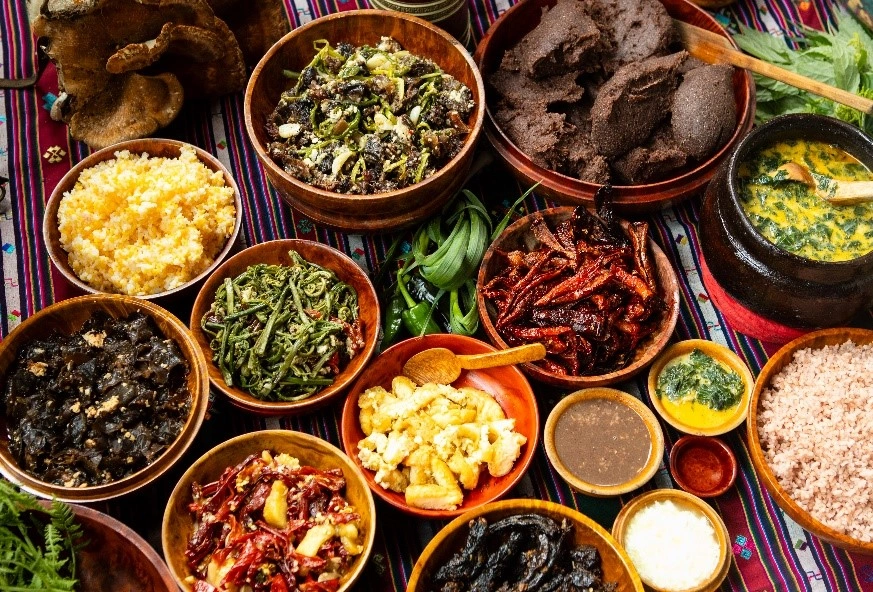
Bhutanese cuisine mirrors the kingdom's rugged terrain and Buddhist ethos, featuring hearty, spicy dishes that Malaysian palates—fond of bold flavors—will find intriguingly familiar yet distinct, centered on local staples like red rice, chilies, and dairy. Signature meals include ema datshi, a fiery stew of chilies and cheese symbolizing national pride, often paired with phaksha paa (pork with red chilies) or momos (steamed dumplings filled with meat or vegetables), all emphasizing simplicity and freshness from organic farms. Dining is communal and unpretentious, with meals served family-style on the floor or low tables, fostering bonds over shared plates; etiquette involves eating with hands (right only) or spoons, savoring slowly without much conversation. Tea holds ritual importance—suja (salty butter tea from yak milk) warms on cold days, while ngaja (sweet milk tea) refreshes—reflecting hospitality where hosts offer endless refills. Alcohol, like ara (distilled rice or maize spirit), appears in social rituals but moderately, aligning with Buddhist moderation; vegetarians thrive on datshi variations, though cheese-heavy fare might surprise. Malaysians can adapt by requesting milder spices, discovering how food embodies Bhutan's warmth, turning every meal into a cultural exchange of sustenance and stories.
Festivals, Religion, and Sacred Places
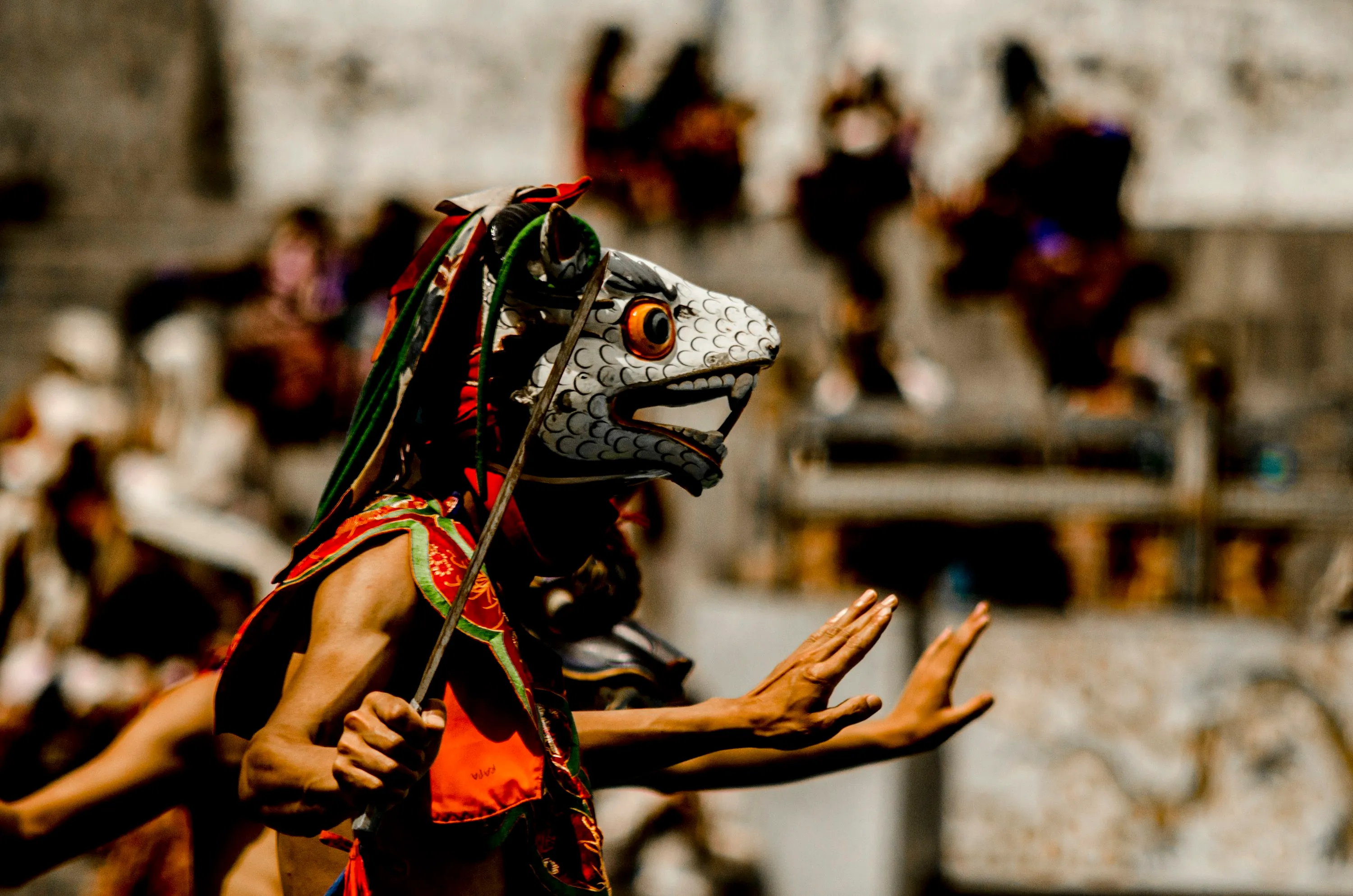
Religion permeates every aspect of Bhutanese life, with Vajrayana Buddhism shaping festivals, sacred sites, and daily conduct, offering Malaysian travelers a window into profound spiritual practices that enhance cultural understanding. Tshechus, annual religious festivals honoring Guru Rinpoche, feature mesmerizing masked dances (cham) performed by monks in colorful costumes, symbolizing the triumph of good over evil; attendees receive blessings while witnessing acrobatic displays and folk music, with major events like Paro Tshechu drawing locals in traditional attire. Sacred places, such as Taktsang Monastery (Tiger's Nest) or Punakha Dzong, demand reverence—visitors must dress modestly, remove footwear, and maintain silence, avoiding photography inside chapels to preserve sanctity. These experiences contribute to deeper insights, revealing how Buddhism fosters compassion and environmental stewardship, contrasting yet complementing Malaysia's diverse faiths. Rules include clockwise circumambulation, no touching of artifacts, and participation in rituals like lighting butter lamps, all underscoring festivals' role in community bonding and spiritual renewal, making them essential for travelers seeking Bhutan's soul.
Hidden Challenges and Practical Inconveniences
While Bhutan's allure lies in its untouched charm, Malaysian travelers should anticipate subtle challenges that test resilience but ultimately enhance the adventure, viewing them as integral to the kingdom's authentic appeal rather than flaws. Road conditions, often narrow and winding through mountains, can lead to bumpy 4-6 hour drives between sites, with landslides during monsoons causing delays—embrace this as time for scenic contemplation. Power outages occur sporadically, especially in remote areas reliant on hydropower, disrupting lights or charging; carry a torch and power bank, seeing it as a chance for candlelit evenings. Service might seem slow by Malaysian standards, with meals or check-ins unhurried due to cultural emphasis on mindfulness, requiring patience that rewards with genuine interactions. Itinerary changes from weather or festivals are common, flexibility key; frame these as part of Bhutan's unpolished magic, where inconveniences like limited hot water in homestays build appreciation for simplicity, turning potential hurdles into memorable stories of adaptation and discovery.
Shopping and Souvenirs
Shopping in Bhutan revolves around artisanal treasures that reflect the kingdom's rich craftsmanship, offering Malaysian travelers meaningful mementos like handwoven textiles (kira and gho fabrics in vibrant patterns) or intricate wood carvings, far from the mall-centric experiences back home. Markets in Thimphu or Paro brim with stalls selling incense, prayer wheels, Thangka paintings (Buddhist scroll art), and yathra wool products from Bumthang, all handmade by local cooperatives emphasizing sustainability. Authenticity is paramount—look for government-certified shops to avoid fakes, with prices fixed in reputable outlets but open to gentle bargaining in street markets (10-20% off possible with polite negotiation). No duty-free extravaganzas or luxury brands exist; instead, focus on unique items like Dzi beads (protective amulets) or handmade paper from Trashigang, supporting artisans directly. Malaysians should allocate BTN 5,000-10,000 for souvenirs, packing them carefully as exports of antiques require permits, ensuring purchases honor Bhutan's cultural heritage while adding personal value to your journey.
Altitude Awareness and Physical Preparedness
Altitude poses a primary challenge in Bhutan, where elevations range from 150 meters in lowlands to over 3,000 in valleys, affecting travelers differently and necessitating proactive measures for Malaysians unaccustomed to such heights. Symptoms of acute mountain sickness (AMS)—headache, dizziness, shortness of breath—can onset above 2,500 meters, varying by fitness, age, and ascent speed; monitor for severity, as ignoring it risks complications like high-altitude pulmonary edema. Precautions include acclimatizing gradually—spend initial days in Paro (2,200m) with light activity, hydrate (3-4 liters daily), avoid alcohol and heavy meals, and ascend no more than 300-500 meters per day during treks. Physical preparation involves cardio exercises weeks prior, consulting doctors for at-risk individuals (e.g., heart conditions), and carrying medications like ibuprofen or prescribed Diamox. Adjust activities by pacing hikes, using oxygen if available in hotels, and descending if symptoms persist—guides are trained to assist, turning awareness into empowerment for safe enjoyment of Bhutan's lofty wonders.
Security, Safety, and Emergency Information
Bhutan's reputation as one of Asia's safest destinations stems from its low crime rates and vigilant communities, reassuring Malaysian travelers while underscoring the need to respect local laws for seamless visits. Petty theft is rare but possible in tourist hubs—secure valuables and avoid isolated areas at night; natural hazards like earthquakes or wildlife encounters warrant following guide advice. Emergency contacts include police at 113, ambulance at 112, fire at 110, and traffic at 111—tour operators provide 24/7 support, with the Malaysian embassy in New Delhi (via India) handling consular needs at +91-11-2419-8000. Local laws prohibit smoking in public (fines up to BTN 500), require permits for restricted areas, and enforce environmental protections like no littering. Malaysians should carry insurance details and heed advisories, embracing Bhutan's secure environment where mutual respect ensures safety amid its tranquil settings.
Photography and Drones
Photography in Bhutan captures its stunning vistas and festivals, but strict rules protect cultural sensitivity, especially at religious and government sites where Malaysian enthusiasts must exercise restraint. Courtyards and landscapes are freely photographable, but interiors of temples, dzongs, or monasteries prohibit cameras to preserve sanctity—always ask guides for permission and avoid flash. When photographing locals, seek consent with a smile, respecting privacy during rituals; drones are banned for tourists without special permits from the Bhutan Civil Aviation Authority, due to no-fly zones over sacred yellow-roofed buildings, airports, and military areas. Frame respectful shots that honor subjects, using tripods sparingly in crowds, ensuring your captures reflect Bhutan's dignity without intrusion.
What Bhutan Does Not Have
Bhutan's deliberate preservation of its heritage means certain modern amenities absent, contributing to its unique charm that Malaysian travelers will find refreshingly distinct from home. No skyscrapers pierce the skyline, as buildings adhere to traditional architecture limited to a few stories; fast-food chains like McDonald's or Starbucks are nonexistent, promoting local eateries instead. Casinos, big shopping centers, or theme parks are missing, emphasizing spiritual and natural pursuits over commercial entertainment—this absence fosters a deeper connection to Bhutan's essence, where simplicity amplifies the joy of discovery.
Important Questions to Ask Before Booking a Tour
Before committing to a Bhutan tour, Malaysian travelers should engage in thoughtful dialogue with operators to align expectations, starting with inquiries about the guide's expertise and language skills—ask if English-fluent guides are standard and whether Malay-speaking options exist for comfort, ensuring clear communication during cultural explanations or emergencies. Delve into itinerary flexibility, questioning how changes due to weather or personal preferences are handled, and request a detailed day-by-day plan including travel times, meal inclusions, and optional activities like short hikes or festival attendance. Accommodation details merit scrutiny—probe the types of hotels (e.g., 3-star vs. luxury), their locations, and amenities like Wi-Fi or heating, confirming if upgrades are possible for those seeking more comfort amid Bhutan's modest infrastructure. Food accommodations are vital; inquire about dietary options for halal, vegetarian, or spice-level preferences, and whether water purification or snacks for long drives are provided. Emergency protocols should be clarified—ask about insurance requirements, medical support on tours, and evacuation plans for altitude issues, plus contacts for 24/7 assistance. On practicalities, question SIM card arrangements upon arrival, tipping customs (typically shared between guide and driver), and any hidden fees for extras like beverages or laundry. Finally, seek client reviews or references from past Malaysian groups to gauge reliability, ensuring your questions reveal a operator's commitment to personalized, safe, and enriching experiences in this Himalayan haven.
Conclusion
In reflection, Bhutan stands as a rare sanctuary for Malaysian travelers yearning for cultural immersion, untouched natural beauty, and spiritual tranquility, far removed from the whirlwind of commercialized vacations. Its commitment to Gross National Happiness invites a slower, more mindful exploration, where misty mountains, ancient rituals, and warm hospitality renew the spirit, offering profound lessons in balance that resonate long after the journey ends.