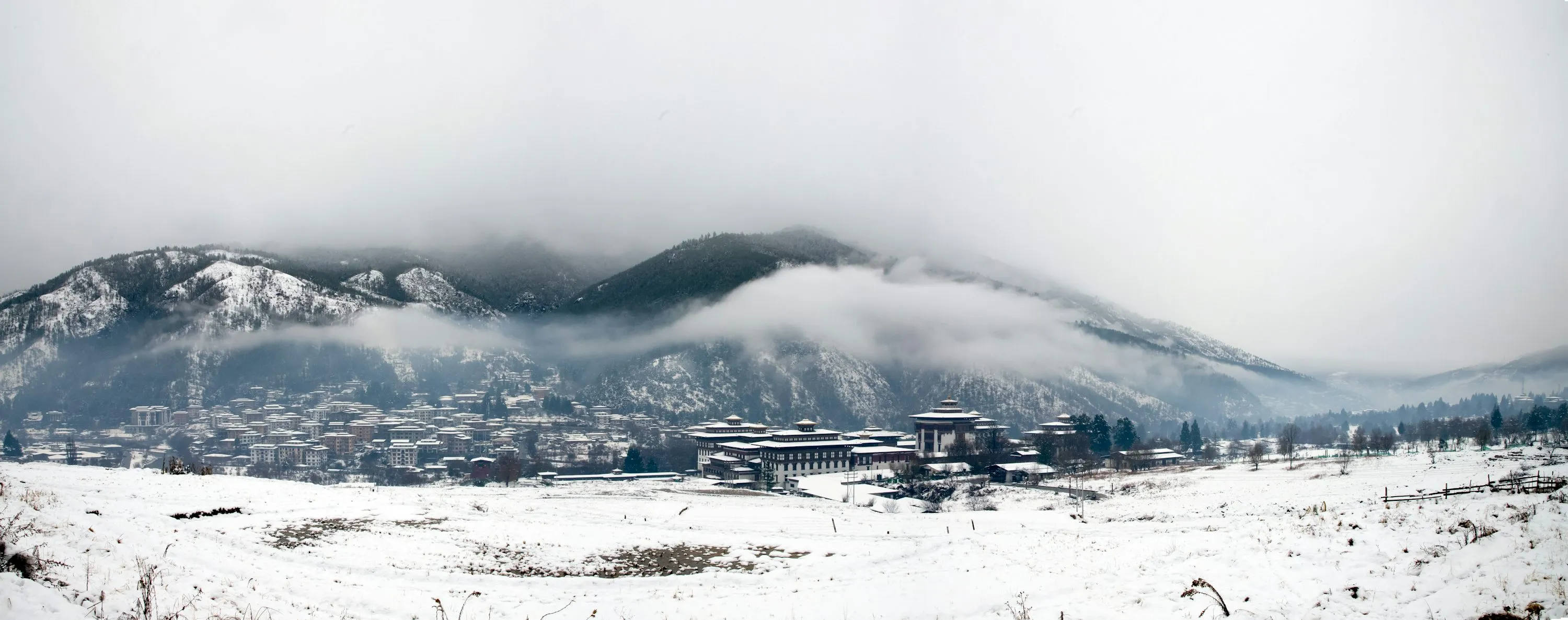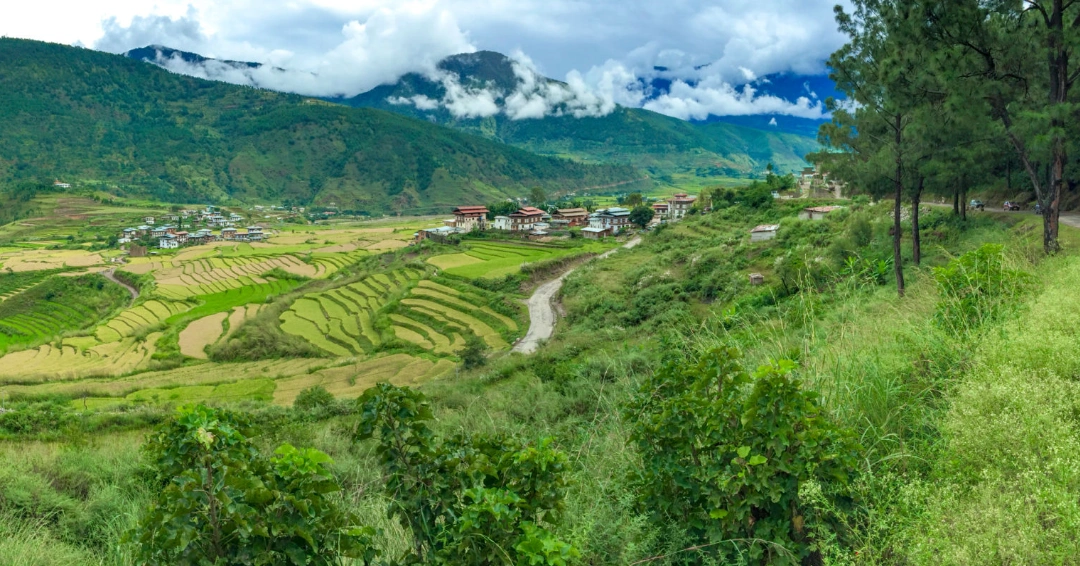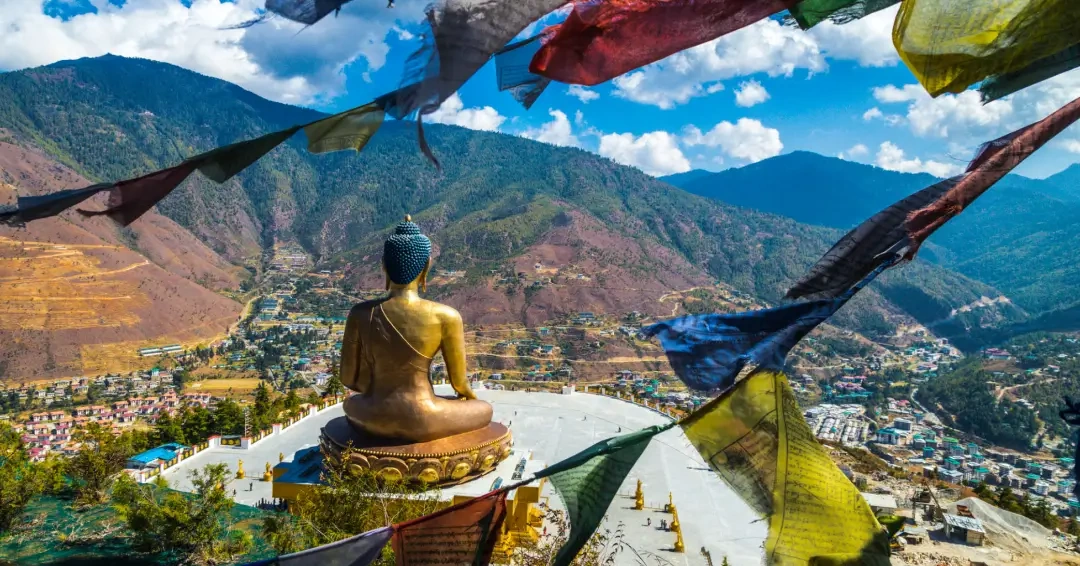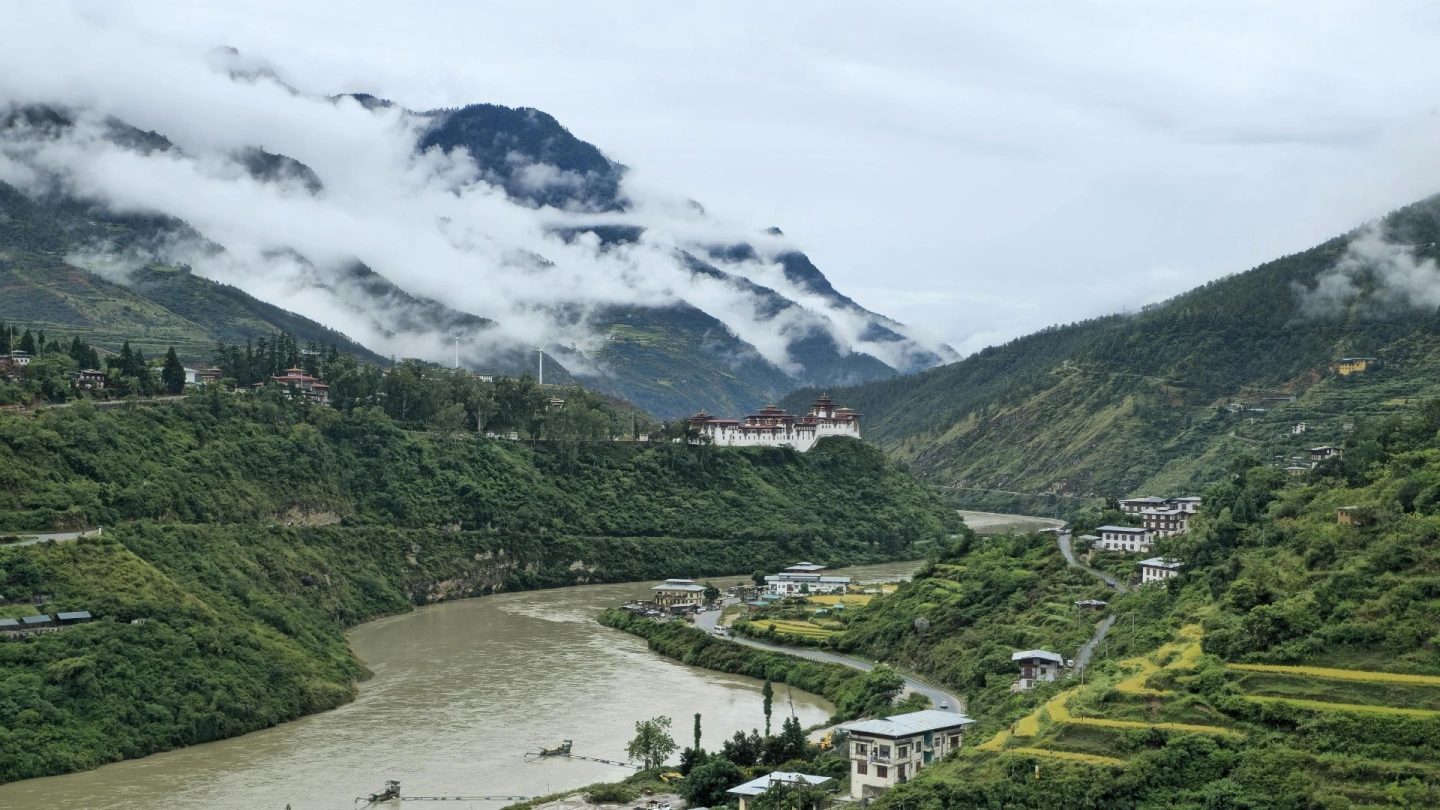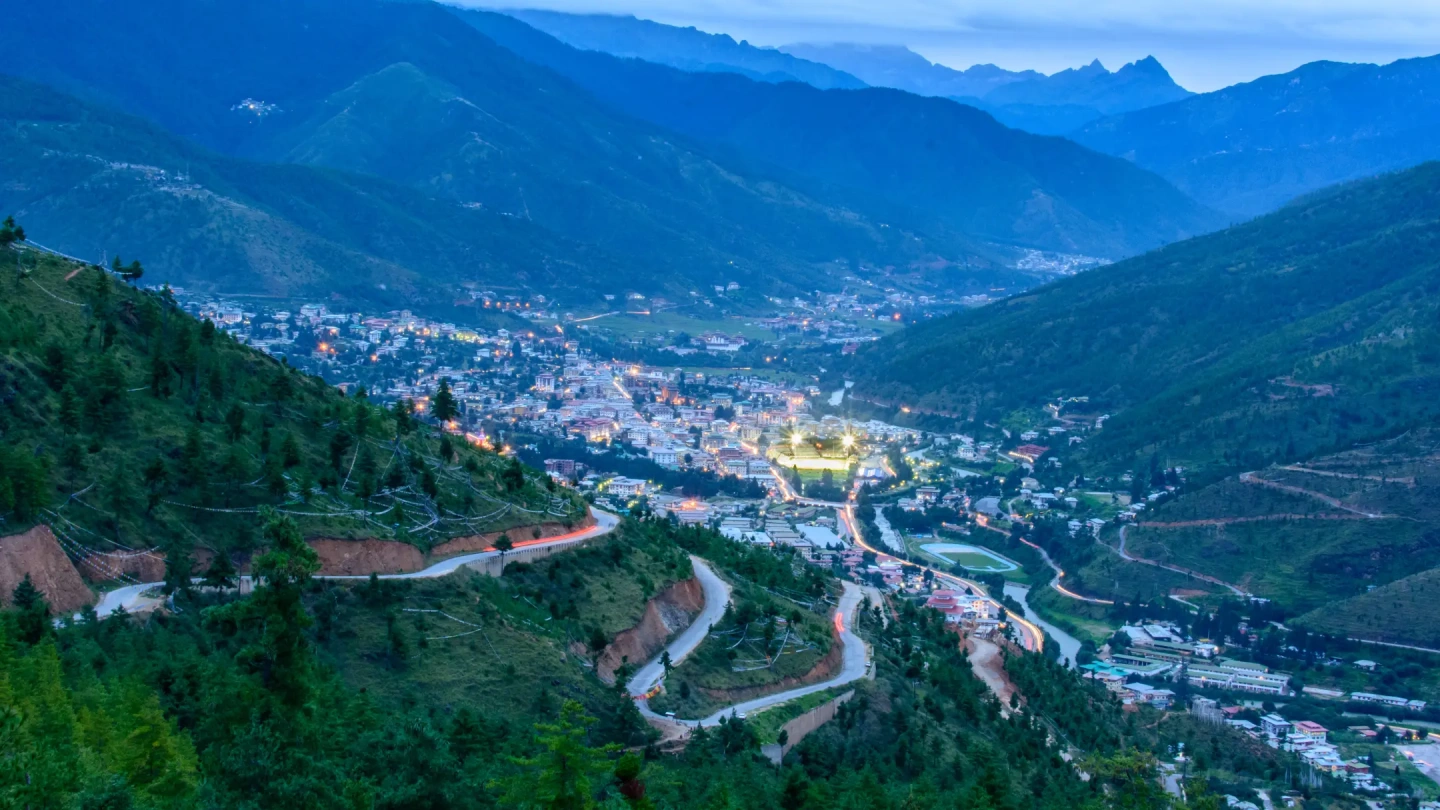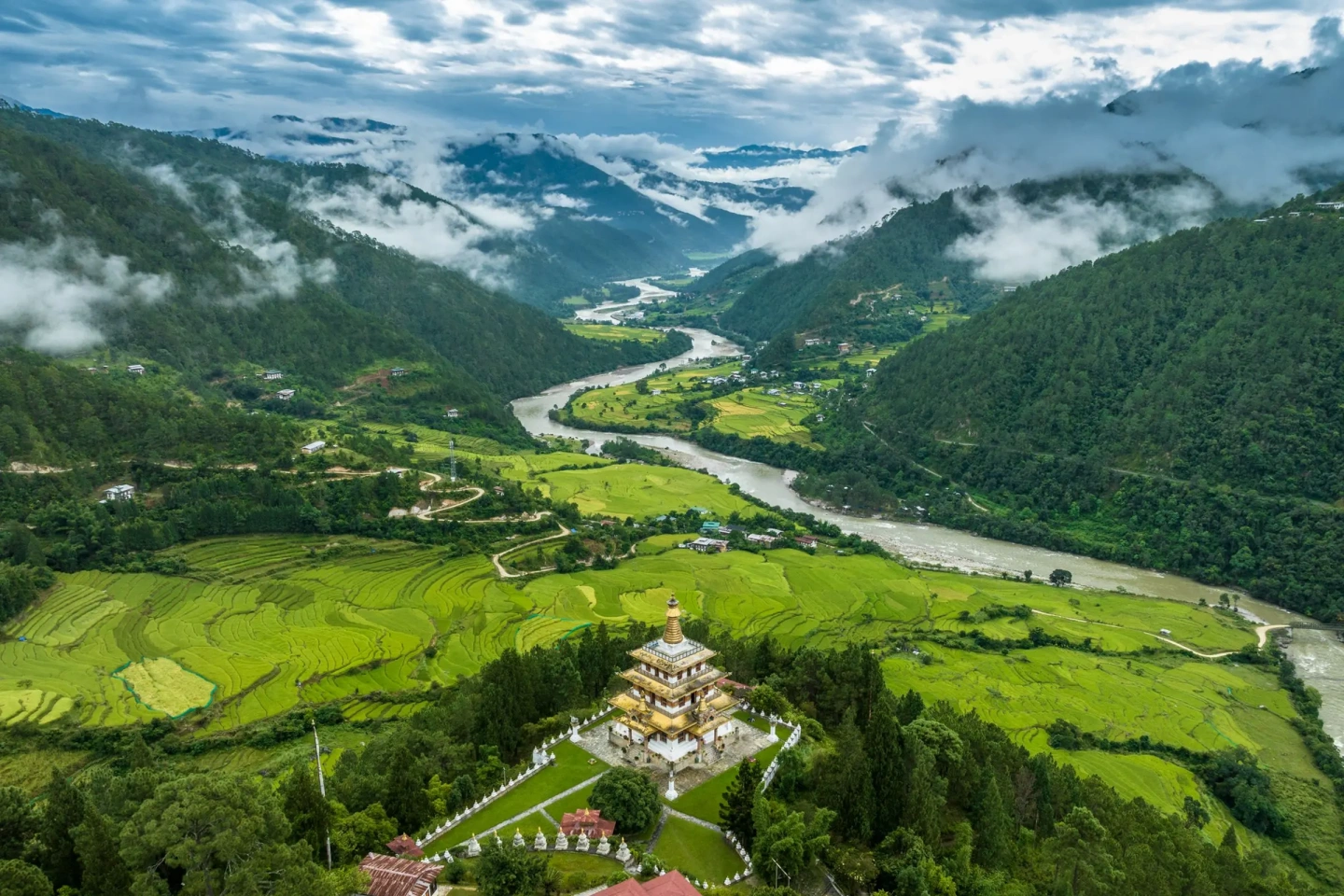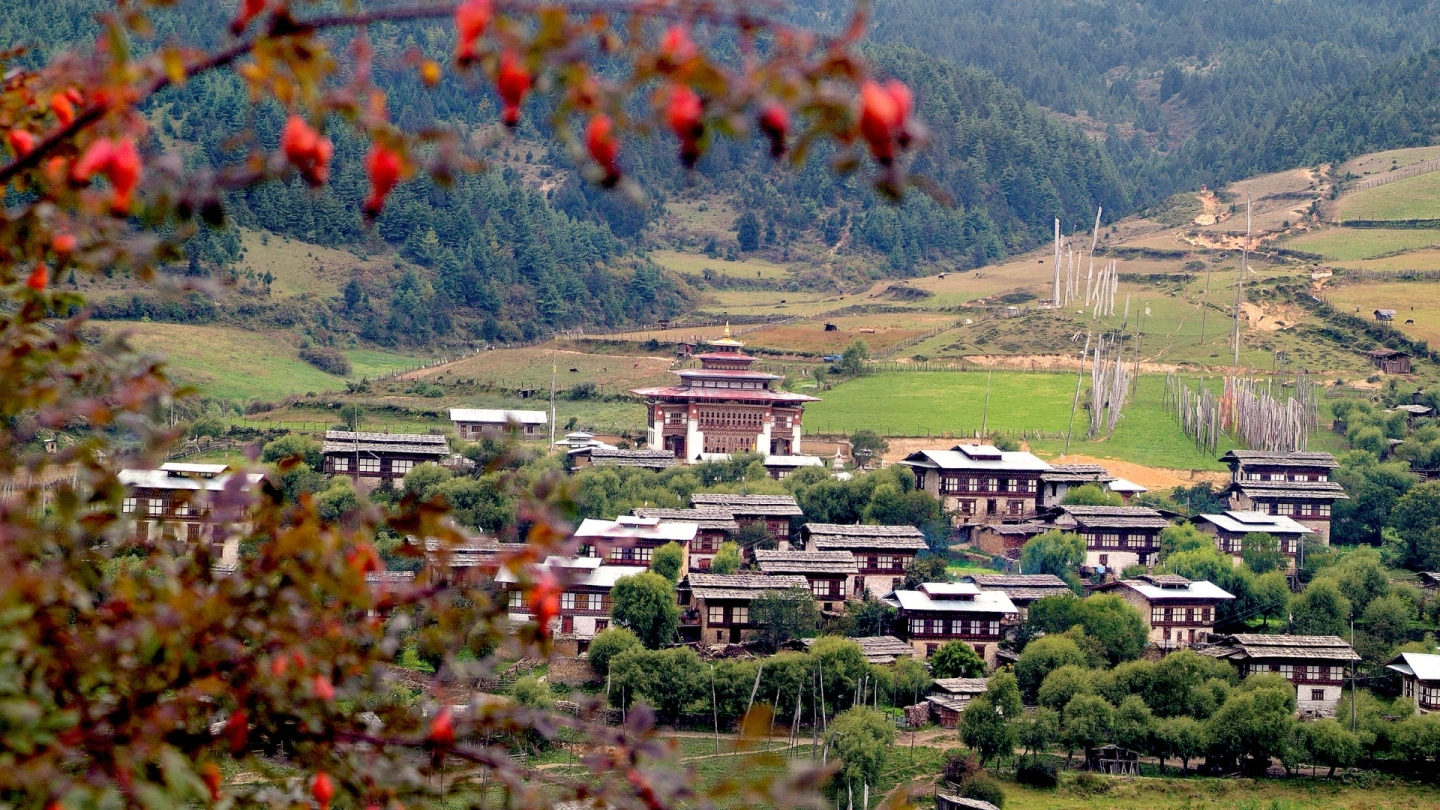


Bhutan, often called the Land of the Thunder Dragon, is a small, landlocked kingdom nestled in the eastern Himalayas, renowned for its pristine natural beauty, rich Buddhist heritage, and commitment to sustainable living. For Basotho adventurers unfamiliar with this distant destination, imagine a place where snow-capped peaks rise dramatically like the Maloti Mountains of your home, but enveloped in dense subtropical forests and dotted with ancient fortresses that echo the resilient spirit of Lesotho's highland communities. Both nations share intriguing parallels: Lesotho, the Kingdom in the Sky, and Bhutan are monarchies emphasizing cultural preservation amid modernization pressures, with populations that value community harmony over material excess. However, while Lesotho grapples with arid plateaus and economic ties to South Africa, Bhutan thrives on its forested landscapes and a philosophy that prioritizes happiness. Diplomatic relations between Bhutan and Lesotho, though not extensively developed, are fostered through shared memberships in international bodies like the United Nations, where both advocate for small nations' rights and environmental protection. This guide aims to bridge the gap, offering a realistic yet compelling portrait of Bhutan—not as a flawless paradise, but as a profoundly rewarding destination where challenges like rugged terrain are outweighed by moments of spiritual tranquility and cultural immersion. Whether you're drawn by the allure of trekking sacred paths or witnessing vibrant festivals, Bhutan promises an authentic experience that resonates with the Basotho appreciation for nature and tradition.
Visa and Entry Requirements
Bhutan's tourism is meticulously regulated to preserve its environment and culture, embodying a "high value, low impact" policy that requires all foreign visitors, including those from Lesotho, to book their trips exclusively through licensed Bhutanese tour operators. This controlled approach ensures that tourism benefits local communities without overwhelming the kingdom's delicate ecosystem. For Basotho tourists, obtaining a visa is straightforward but tied directly to your tour booking; you cannot apply independently. The process begins with selecting a reputable tour operator, who will handle the visa application on your behalf once you provide essential documents such as a scanned copy of your passport (valid for at least six months beyond your planned stay), a recent passport-sized photo, and proof of travel insurance. The operator submits these to the Tourism Council of Bhutan (TCB), which approves the visa within about 72 hours, issuing an electronic visa letter that you present upon arrival at Paro International Airport or land borders. Payment for the tour, including the mandatory Sustainable Development Fee (SDF), must be wired in advance to secure the visa—typically in US dollars via bank transfer. The SDF, currently set at US$100 per person per night for most international visitors (with concessions for children and potential incentives for longer stays until 2027), funds conservation, education, and healthcare initiatives, directly influencing the overall cost of your trip. This fee is non-negotiable and adds substantially to pricing, making a week-long tour for a Basotho traveler range from US$1,500 to US$3,000 per person, depending on group size and itinerary. It's worth noting that while Basotho passports allow eVisa access, always confirm any reciprocal agreements or updates through your tour operator to avoid surprises.
Travel Routes from Lesotho to Bhutan
Traveling from Lesotho to Bhutan involves a multi-leg journey due to the absence of direct flights, reflecting the geographical distance between southern Africa and the Himalayas. Most Basotho travelers depart from Moshoeshoe I International Airport in Maseru, connecting first through O.R. Tambo International Airport in Johannesburg, South Africa—a short hop operated by airlines like Airlink or South African Airways. From Johannesburg, you'll transit via major hubs such as Delhi (India), Bangkok (Thailand), or Kathmandu (Nepal), which serve as gateways to Bhutan. Popular routes include flying Ethiopian Airlines or Qatar Airways to Delhi, then transferring to Drukair (Bhutan's national carrier) or Bhutan Airlines for the final leg to Paro International Airport, the kingdom's sole international gateway. Alternatively, routes via Bangkok with Thai Airways or via Kathmandu with Nepal Airlines offer scenic approaches over the Himalayas. Drukair and Bhutan Airlines are the only operators permitted to fly into Paro, known for its challenging runway surrounded by steep mountains, requiring specially trained pilots and often leading to weather-related delays, especially during monsoon seasons when visibility drops. Expect total travel time of 20 to 30 hours, with layovers; book flights well in advance through your tour operator, who can coordinate seamless connections. Realistic expectations include potential cancellations due to high winds or fog at Paro—pilots only land in clear conditions—so build flexibility into your schedule and consider travel insurance covering delays. For Basotho travelers, budgeting for these international flights adds US$1,000 to US$2,000 round-trip, making early planning essential for cost savings.
Best Time to Visit and Seasonality
Bhutan's climate varies dramatically across its elevations, from subtropical lowlands to alpine heights, creating distinct seasons that profoundly influence travel experiences. Spring (March to May) brings mild temperatures averaging 15-20°C in valleys, with blooming rhododendrons and clear skies ideal for trekking and festivals like Paro Tshechu, though occasional showers can muddy paths. Summer (June to August) introduces the monsoon, with heavy rains up to 500mm monthly in the south, fostering lush greenery but causing landslides and flight disruptions—perfect for birdwatching or mushroom foraging if you're prepared for humidity. Autumn (September to November) offers crisp air at 10-15°C, golden harvests, and festivals such as Thimphu Tshechu, with minimal crowds early in the season. Winter (December to February) sees chilly days below 10°C and snowfall in higher areas, suiting cultural tours but limiting high-altitude activities. For Basotho tourists accustomed to Lesotho's cooler highlands, autumn emerges as the optimal time, balancing comfortable weather for outdoor pursuits like hiking the Trans Bhutan Trail, fewer tourists than spring, and vibrant cultural events that showcase masked dances and communal celebrations. Plan around these seasons to align with your interests—festivals add depth but increase costs and crowds—while noting that climate change may intensify monsoons, so monitor forecasts closely.
Money, Costs, and Payment Methods
Bhutan's currency, the Ngultrum (BTN), is pegged to the Indian Rupee at a 1:1 ratio, facilitating easy exchanges for travelers carrying USD or INR. ATMs are available in major towns like Thimphu and Paro, accepting Visa and Mastercard from international banks, though rural areas may lack them, so withdraw cash early. Credit cards are increasingly accepted at hotels and larger shops, but cash reigns supreme for small purchases. Basotho travelers should exchange currency at Paro Airport or banks in Thimphu for competitive rates, bringing crisp USD notes as backups since local exchange for Lesotho Loti is rare. Tour prices, mandated by the government, typically include accommodations, meals, transport, guides, and the SDF, starting at US$250 per day per person in high season, but exclude extras like alcoholic drinks, tips (US$10-15 daily for guides and drivers), and personal shopping. Overall costs for a Basotho couple on a 10-day tour might total US$4,000-6,000, factoring in flights, with budgeting for incidentals ensuring a stress-free journey.
Health, Safety, and Travel Insurance
Health considerations in Bhutan center on its high altitudes, where symptoms like headaches and nausea from acute mountain sickness can affect even fit travelers above 2,500 meters. Recommended vaccinations include tetanus, typhoid, and hepatitis A, with rabies shots advised due to stray dogs. Medical facilities are basic outside Thimphu, so carry personal medications and consult a doctor pre-trip. Bhutan boasts low crime rates, with its Buddhist ethos fostering safety, though minor risks like uneven paths or animal encounters exist. Comprehensive travel insurance covering emergency evacuation—often by helicopter—is crucial, as costs can exceed US$10,000 without it. For Basotho visitors, this peace of mind allows full enjoyment of the kingdom's tranquility.
Cultural Etiquette and Social Expectations
Bhutanese society is steeped in Buddhist principles of respect, humility, and harmony, requiring visitors to adapt behaviors for meaningful interactions. In temples and monasteries, remove hats and shoes, dress modestly covering shoulders and knees, and circumambulate clockwise while avoiding pointing at sacred images. Public displays of affection are frowned upon, and patience is valued in a culture where time flows slowly. Basotho travelers, known for communal warmth, might adjust by embracing greetings like "Kuzuzangpo la" with a slight bow, and offering or receiving items with both hands. Humility shines in conversations—avoid boasting—and photography of people requires permission. These nuances foster deeper connections, enriching your Bhutanese experience.
Connectivity, SIM Cards, Internet Access
Internet access in Bhutan is reliable in urban hotels via Wi-Fi, though speeds vary in remote areas with occasional outages. For mobile connectivity, purchase a local SIM from B-Mobile or TashiCell at the airport or shops, costing around BTN 200 with data packages up to 2GB. These providers offer good coverage, but Basotho apps may face restrictions, making VPNs useful for unrestricted access. Your tour guide can assist in setup, ensuring you stay connected without detracting from Bhutan's immersive nature.
Language and Communication
Dzongkha is Bhutan's national language, but English is the medium of instruction in schools and prevalent in tourism, with guides and hotel staff fluent. Sesotho-speaking guides are unavailable, given the linguistic distance, but English bridges most gaps. For limited English speakers, use simple phrases, gestures, or translation apps, while learning basic Dzongkha like "thank you" (Kadrinche la) enhances interactions. Communication thrives on patience, aligning with Bhutan's serene pace.
Packing and Preparation Advice
Packing for Bhutan's variable Himalayan climate demands versatility: layers of breathable clothing for warm days and insulated jackets for cold nights, plus sturdy walking shoes for uneven terrain. Include modest attire for religious sites, rain gear for monsoons, and sun protection like hats and high-SPF sunscreen. Essentials encompass medications for altitude, a reusable water bottle, power adapters (Type D/F, 230V), binoculars for wildlife, and eco-friendly toiletries. Basotho travelers, familiar with highlands, should add ginger chews for nausea and quick-dry items for laundry—preparation ensures comfort amid Bhutan's raw beauty.
Bhutan’s Unique Tourism Philosophy
At the heart of Bhutan's tourism lies Gross National Happiness (GNH), a holistic philosophy introduced by the Fourth King in the 1970s, measuring progress through psychological well-being, cultural preservation, environmental sustainability, and good governance rather than GDP. This shapes cautious policies limiting visitor numbers via the SDF and mandatory tours, prioritizing quality experiences that respect local traditions over mass tourism. For Basotho travelers, understanding GNH reveals why Bhutan resists unchecked development—protecting its 70% forest cover and carbon-negative status—fostering authentic encounters that align with shared values of community and nature.
Mindset and Expectations for Visitors
Visiting Bhutan requires adjusting to a slower rhythm, where infrastructure like winding roads and modest hotels emphasizes simplicity over luxury. Expect no nightlife or shopping malls, but profound immersion in nature and spirituality—hiking sacred trails or meditating in monasteries. This mindset shift, from material convenience to inner peace, rewards Basotho travelers seeking respite from fast-paced life, transforming potential inconveniences into opportunities for reflection.
Food and Dining Culture
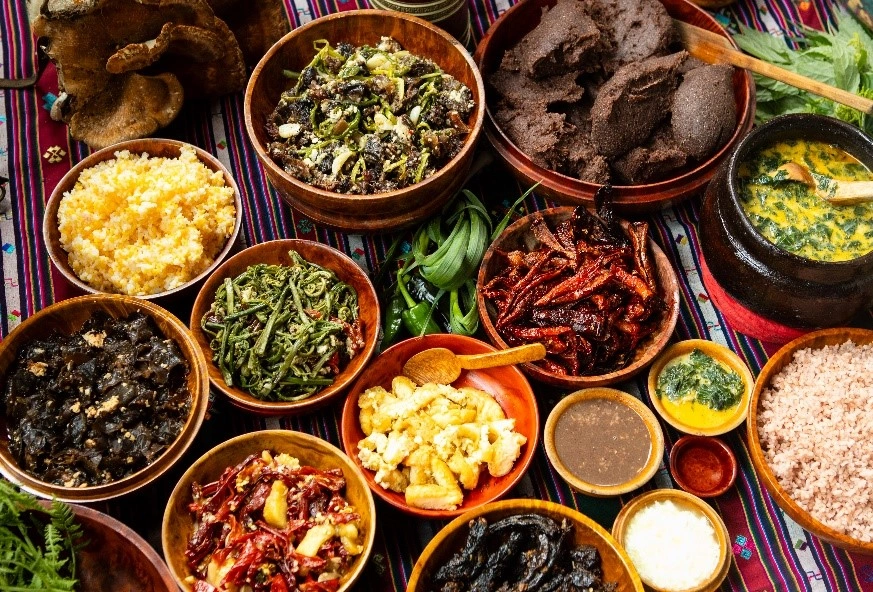
Bhutanese cuisine is hearty and spicy, featuring red rice, chili-infused dishes like ema datshi (cheese and chilies), and meat stews, reflecting a cheese-heavy, simple palate influenced by agriculture. Dining is communal, often with butter tea (suja) for warmth or ara (fermented grain alcohol) in hospitality rituals. Basotho visitors might find parallels in staple grains, appreciating food's role in social bonds while noting vegetarian options abound.
Festivals, Religion, and Sacred Places
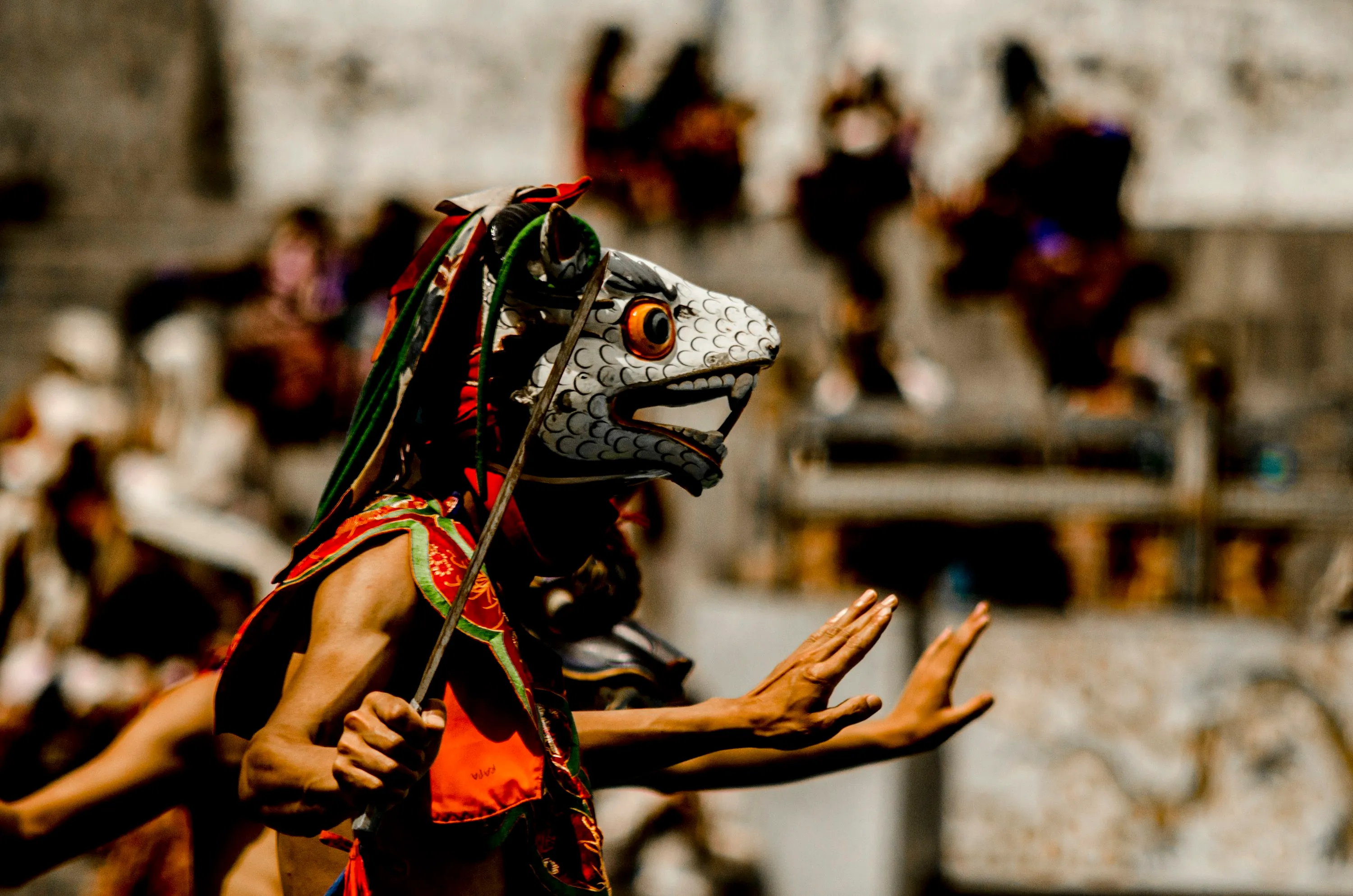
Religion permeates Bhutan, with Vajrayana Buddhism guiding daily life and festivals like Tshechus honoring Guru Rinpoche through masked dances and rituals at dzongs. Visitors witness these at sites like Punakha Dzong, adhering to rules like modest dress and no photography inside shrines. These experiences deepen cultural understanding, offering Basotho travelers insights into spiritual devotion akin to their own traditions.
Hidden Challenges and Practical Inconveniences
Bhutan's charm includes minor hurdles like slow service in eateries, itinerary tweaks due to weather, power outages in rural spots, and bumpy roads from monsoons. Patience transforms these into endearing aspects, highlighting the kingdom's unhurried authenticity rather than flaws.
Shopping and Souvenirs
Shopping in Bhutan focuses on artisanal goods like handwoven textiles, wood carvings, and incense, found in Thimphu's markets without high-end malls. Bargaining is subtle and respectful; seek authenticity certifications to ensure genuine crafts, making souvenirs meaningful mementos.
Altitude Awareness and Physical Preparedness
Altitude in Bhutan ranges from 150m to over 7,000m, potentially causing dizziness or fatigue; acclimatize gradually, hydrate extensively, and avoid alcohol. Physical prep through cardio builds resilience for treks, with guides monitoring symptoms for safe adventures.
Security, Safety, and Emergency Information
Bhutan is exceptionally safe, with negligible crime, but respect laws like no tobacco sales. Emergency contacts include police (113), ambulance (112); Basotho can access consular aid via South African missions. Awareness ensures worry-free exploration.
Photography and Drones
Photography is welcomed outdoors but prohibited inside religious sites; always ask permission for people. Drones require permits from the Bhutan Civil Aviation Authority, limited to 6kg and visual line of sight, respecting privacy and no-fly zones.
What Bhutan Does Not Have
Bhutan lacks skyscrapers, fast-food chains, casinos, and mega-malls, preserving its serene, uncommercialized essence—a deliberate choice enhancing its unique appeal for those valuing authenticity over convenience.
Important Questions to Ask Before Booking a Tour
Before committing to a Bhutan tour, Basotho travelers should engage their operator in detailed discussions to ensure alignment with expectations. Start by inquiring about the guide's experience and language proficiency—will they be fluent in English, and how do they handle cultural explanations for newcomers? Probe the itinerary's flexibility: can it accommodate personal interests like specific festivals or lighter physical activities, and what happens if weather forces changes? Ask about accommodations in depth—are they comfortable, clean, and varied, perhaps including homestays for immersion, with details on amenities like hot water or Wi-Fi? Food preferences matter too: confirm if meals cater to dietary needs, such as vegetarian options or spice levels, and whether local specialties are included. Emergency protocols are vital—how does the operator manage health issues like altitude sickness, including access to oxygen or evacuation plans? On practicalities, question SIM card arrangements: will they provide or assist in obtaining one for connectivity? Tipping customs should be clarified: what's the expected amount for guides and drivers to avoid awkwardness? Finally, verify insurance requirements: does the tour mandate coverage, and what support do they offer for visa processing or refunds in case of cancellations? These conversations build trust, ensuring a tailored, seamless journey.
Conclusion
In reflecting on Bhutan as a destination for Basotho travelers, one cannot overlook its rarity—a kingdom where Gross National Happiness guides every facet, offering cultural depth, untouched natural beauty, and spiritual serenity far removed from commercialized escapes. This guide has illuminated the practicalities and nuances, preparing you for a transformative voyage that honors both Bhutan's heritage and your own quest for meaningful adventure.