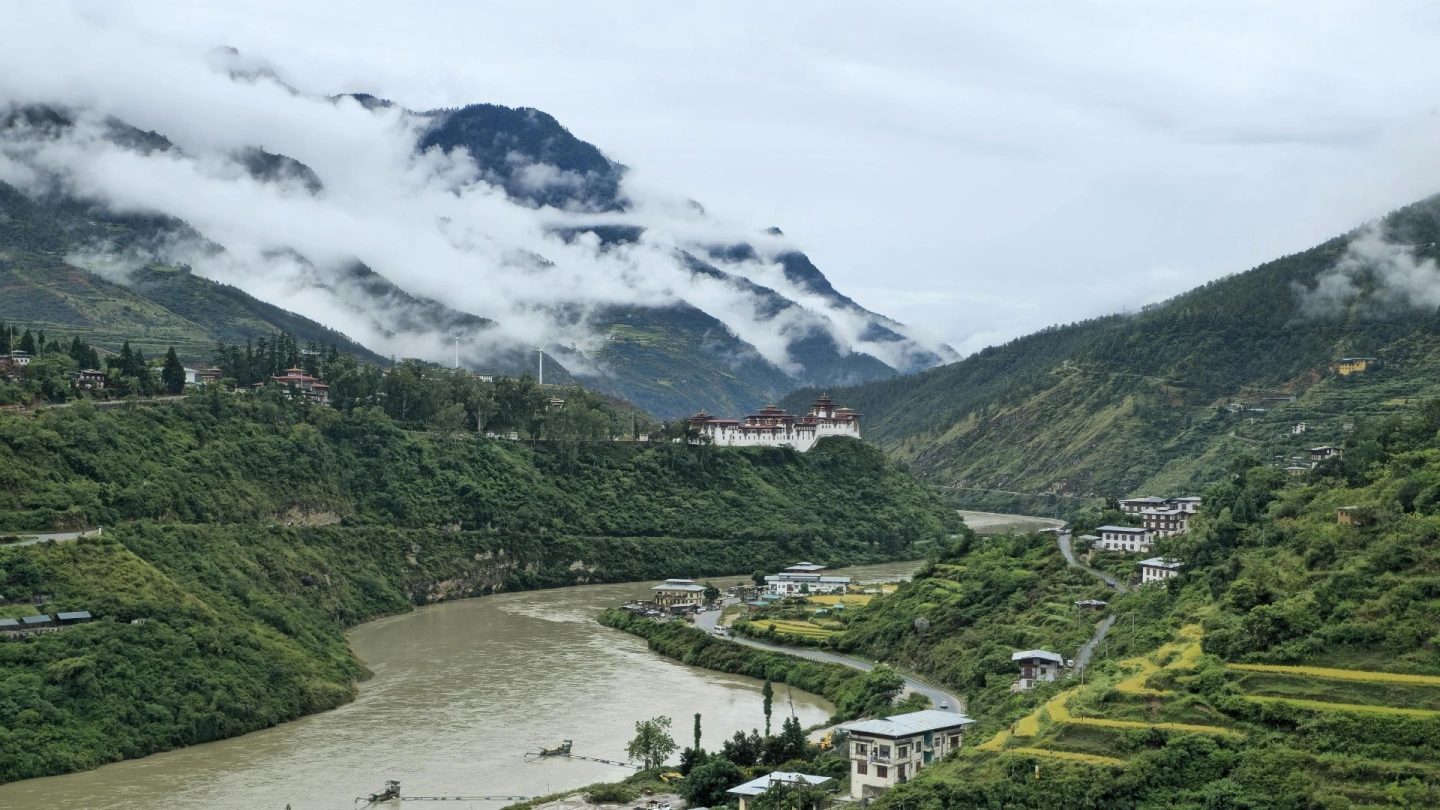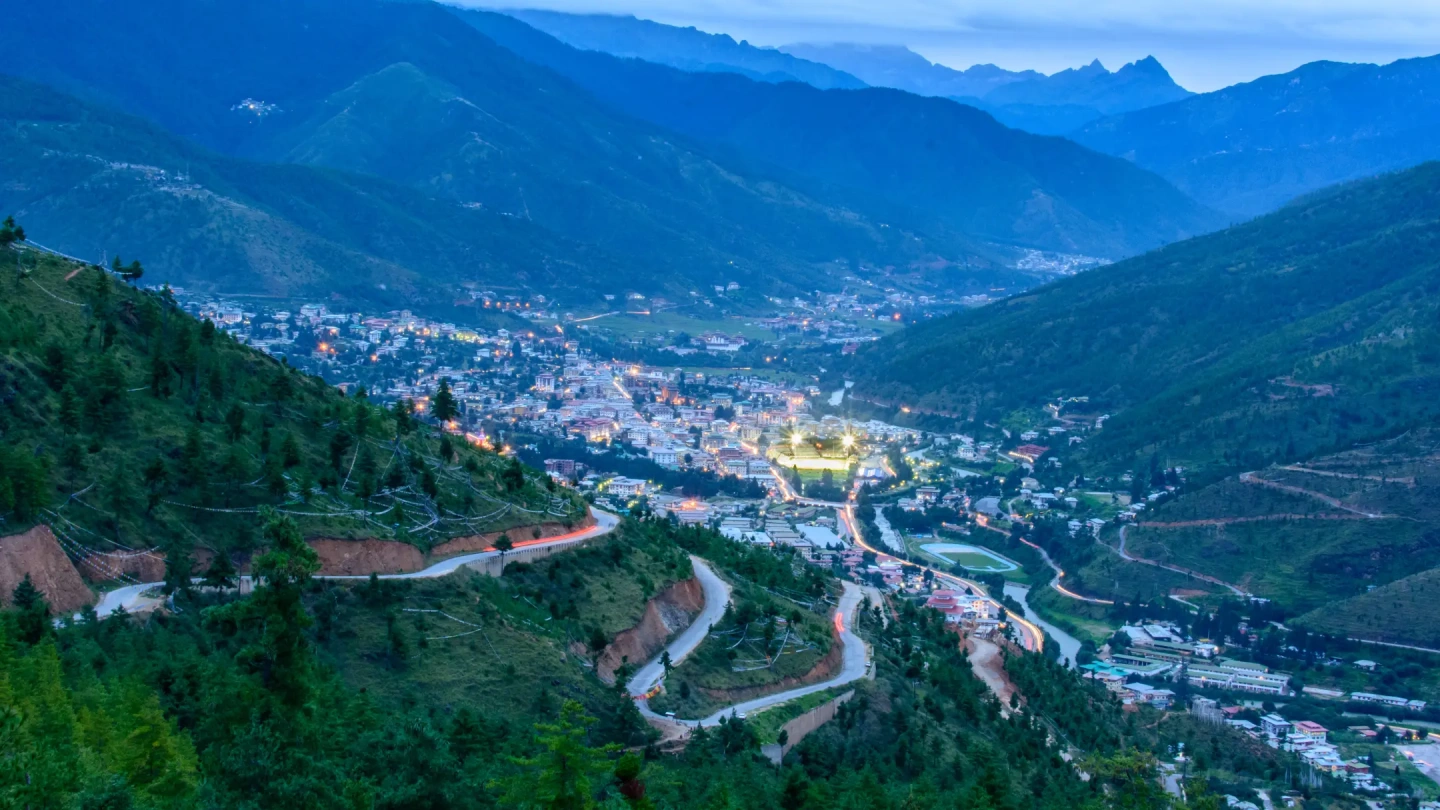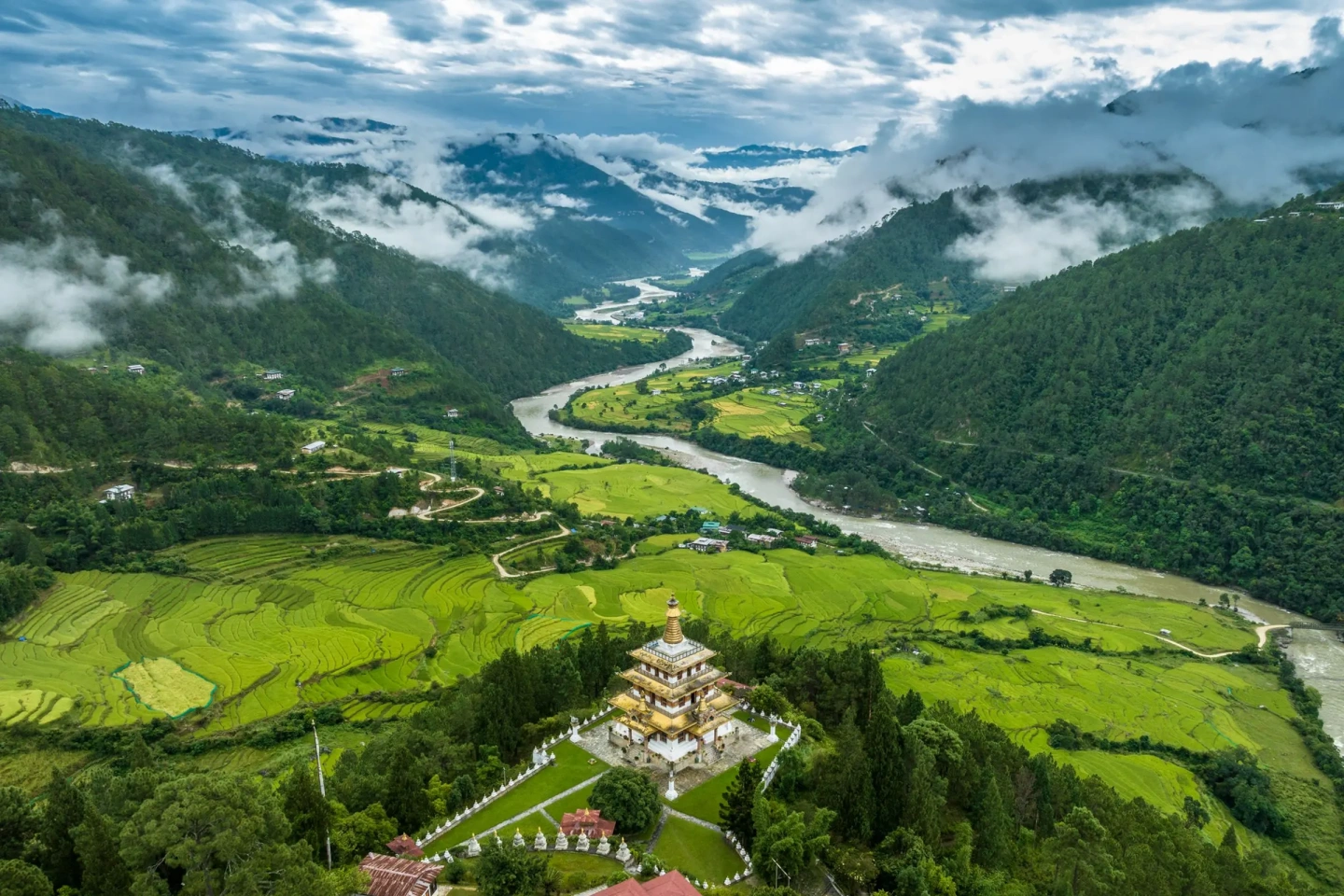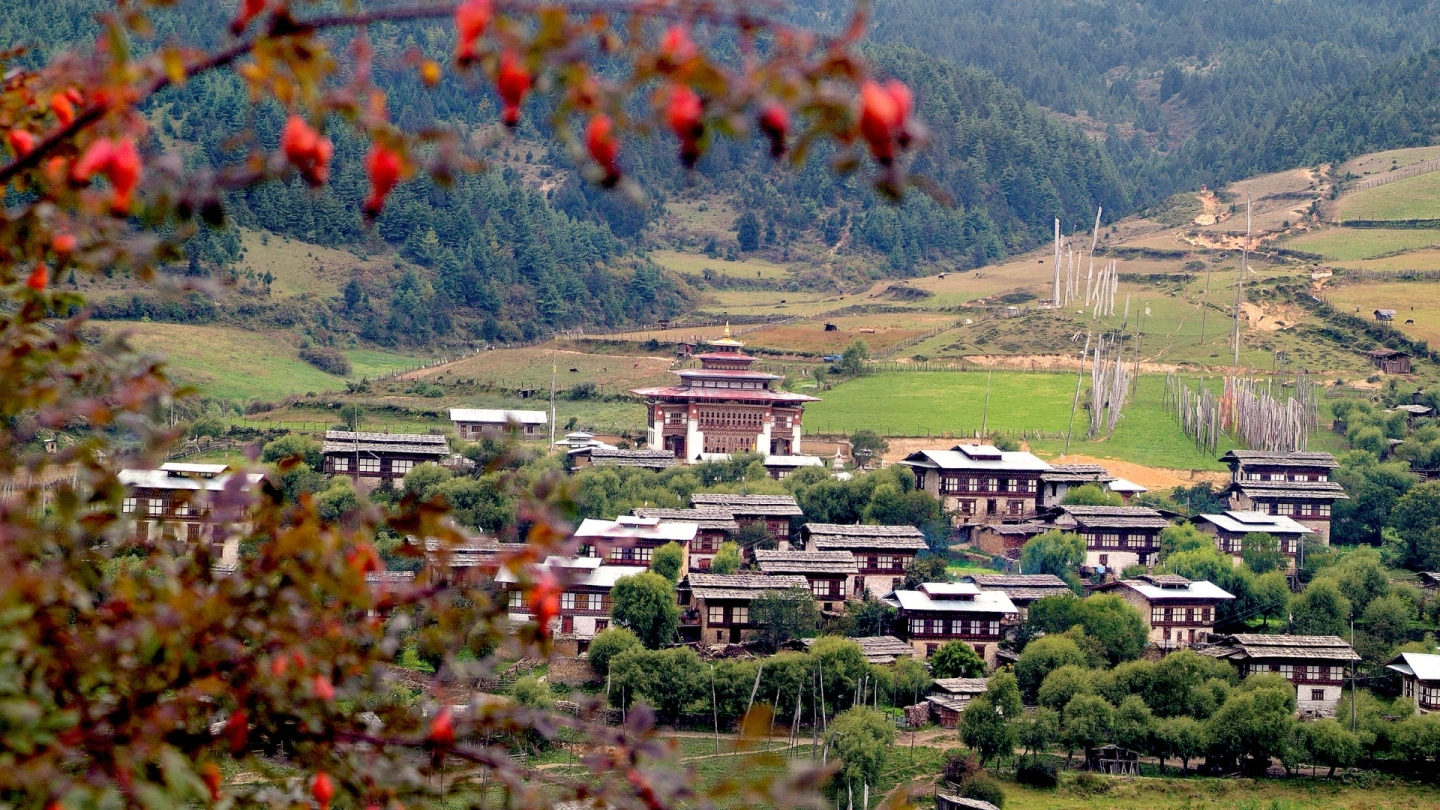


Nestled in the eastern Himalayas, Bhutan emerges as a captivating destination that blends pristine natural beauty with profound cultural heritage, offering Israeli travelers a unique escape from the familiar landscapes of the Middle East. As a small, landlocked kingdom, Bhutan shares intriguing parallels with Israel—both nations are compact in size yet rich in history and spiritual depth, with Bhutan anchored in Vajrayana Buddhism much like Israel's foundation in Judaism. Diplomatic relations between Bhutan and Israel were formally established in December 2020, fostering cooperation in areas such as agriculture, water management, and healthcare, which has strengthened ties and opened doors for mutual understanding. While Israel's arid deserts and innovative urban hubs contrast sharply with Bhutan's lush valleys, towering mountains, and commitment to environmental conservation, both countries prioritize the well-being of their people—Israel through its resilient society and Bhutan via its philosophy of Gross National Happiness. This guide, crafted from the perspective of an experienced Bhutanese travel consultant, aims to equip Israeli visitors unfamiliar with our kingdom with a thorough understanding of practicalities and nuances, ensuring a journey that is not only seamless but also deeply respectful and enriching. From the moment you arrive at Paro International Airport, surrounded by dramatic peaks, to exploring ancient monasteries and serene villages, Bhutan promises an authentic experience that emphasizes mindfulness, sustainability, and cultural immersion, far removed from the fast-paced tourism found elsewhere.
Visa and Entry Requirements
Bhutan's tourism is governed by a controlled policy designed to preserve its environment and culture, mandating that all foreign visitors, including those from Israel, book their trips exclusively through licensed Bhutanese tour operators. This approach ensures high-quality experiences while limiting the number of tourists to maintain sustainability. For Israeli tourists, the visa process begins once you select and confirm your itinerary with a tour operator; they will handle the application on your behalf by submitting details to the Tourism Council of Bhutan. Required documents typically include a passport valid for at least six months beyond your planned stay, a recent passport-sized photograph, and proof of your tour booking, such as the itinerary and payment receipt. The visa approval letter is issued electronically within a few days and must be presented upon arrival at Paro International Airport or land borders, where the actual visa stamp is affixed to your passport for a fee of USD 40 per person. Payment for the tour is intrinsically linked to visa approval, as wire transfers to the operator's account in Bhutan must be completed in advance, with funds held by the government until your departure to guarantee services. Central to this system is the Sustainable Development Fee (SDF), currently set at USD 100 per person per night for international visitors as of 2025, reduced from previous rates to encourage tourism until 2027; this fee supports free education, healthcare, and conservation efforts, directly impacting the overall cost of your trip by adding to accommodation, meals, and guided services. Children under six are exempt, while those aged six to twelve pay half, making family trips more feasible, but be prepared for the SDF to influence budgeting, as it underscores Bhutan's commitment to balanced development rather than mass influxes.
Travel Routes from Israel to Bhutan
Traveling from Israel to Bhutan involves careful planning due to the absence of direct flights, requiring transits through major Asian hubs that connect to Bhutan's sole international airport in Paro. From Tel Aviv's Ben Gurion Airport, the most common routes include flying to New Delhi in India with airlines like Air India or El Al, then connecting via Druk Air or Bhutan Airlines to Paro; alternatively, routes via Bangkok with Thai Airways or Kathmandu with carriers such as Turkish Airlines or Flydubai offer viable options, with total journey times ranging from 12 to 20 hours depending on layovers. Druk Air, Bhutan's national carrier, and Bhutan Airlines are the only operators serving Paro, flying from limited gateways like Delhi, Bangkok, and Kathmandu, so synchronizing your international flight with these schedules is essential—book early, especially during peak seasons, as flights to Paro are infrequent and subject to cancellations. Paro International Airport is renowned for its challenging approach, nestled in a narrow valley with steep surrounding mountains, demanding skilled pilots and clear weather conditions; flights often operate only during daylight hours, and delays or diversions to nearby airports like Bagdogra in India can occur due to fog, rain, or high winds, particularly in monsoon months. Israeli travelers should anticipate potential jet lag from the time difference—Bhutan is three hours ahead of Israel—and prepare for the scenic yet turbulent final leg, where the sight of Himalayan peaks compensates for any inconveniences. Realistic expectations include monitoring weather forecasts, allowing buffer days in transit cities, and confirming bookings through your tour operator, who can assist with seamless connections and ground transfers upon arrival.
Best Time to Visit and Seasonality
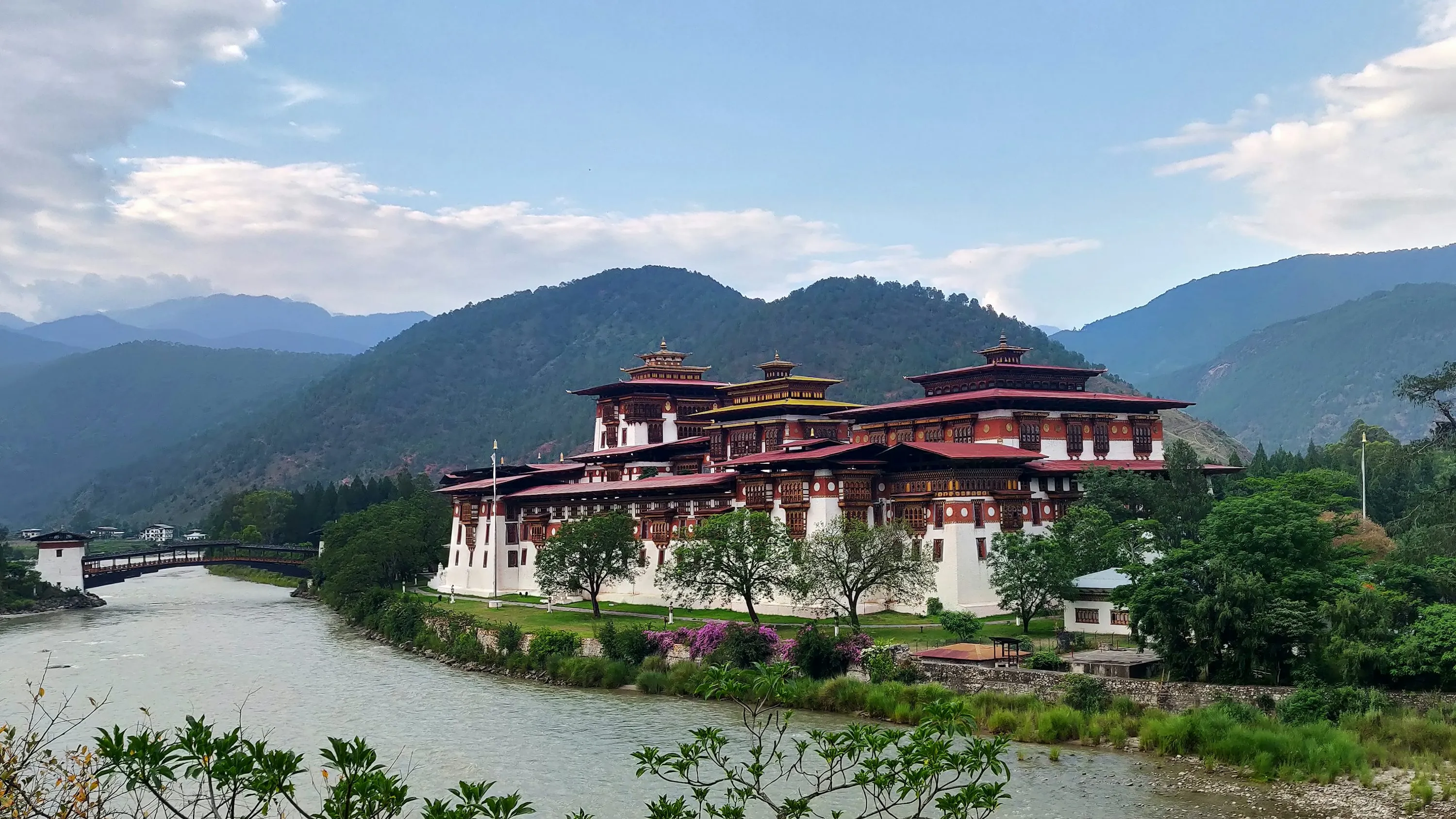
Bhutan's climate is diverse due to its Himalayan topography, with four distinct seasons influencing weather, activities, and cultural events, making trip planning a deliberate exercise in aligning preferences with natural rhythms. Spring, from March to May, brings mild temperatures averaging 10-20°C in valleys, blooming rhododendrons and clear skies ideal for trekking and sightseeing, though occasional showers can occur; this period suits Israeli travelers escaping Mediterranean winters, with fewer crowds allowing intimate explorations of sites like Punakha Dzong. Summer, June to August, marks the monsoon with heavy rains, humid conditions up to 30°C, and lush greenery, but landslides and foggy views deter most visitors—yet it's perfect for those seeking solitude and lower costs, with festivals like the Haa Summer Festival highlighting local traditions. Autumn, September to November, is widely regarded as the prime time, offering crisp air at 5-15°C, vibrant festivals such as Thimphu Tshechu featuring mask dances and communal celebrations, and optimal visibility for hikes to Tiger's Nest; for Israelis, this aligns with post-holiday travel, balancing moderate crowds with cultural immersion. Winter, December to February, features cold snaps down to -5°C in higher altitudes with snowfall, but sunny days in lower regions make it suitable for birdwatching and relaxed tours, though passes may close. Based on weather stability, activity variety, and avoiding extremes, October and November are recommended for Israeli tourists, providing comfortable conditions, festival highlights, and manageable visitor numbers that enhance the serene experience without overwhelming the kingdom's tranquil essence.
Money, Costs, and Payment Methods
Bhutan's currency, the Ngultrum (BTN), is pegged to the Indian Rupee at a 1:1 ratio, simplifying exchanges for travelers familiar with regional economics, though Israeli shekels are not directly convertible and must be swapped for USD beforehand. ATMs are available in major towns like Thimphu and Paro, accepting international Visa and Mastercard with withdrawal limits around BTN 10,000-20,000 per transaction, but reliability dips in remote areas, so carrying USD cash is advisable for exchanges at banks or authorized counters offering favorable rates without commission. Credit cards are accepted at upscale hotels and some shops in urban centers, yet cash remains king for local markets and tips, with minimal fees for foreign cards but potential surcharges. Tour packages, mandatory for all visitors, typically encompass accommodation in 3-star hotels, all meals featuring Bhutanese cuisine, private transportation, English-speaking guides, and entrance fees, keeping daily costs predictable around the SDF plus operator fees; however, extras like alcoholic beverages, souvenirs, optional activities such as hot stone baths, and gratuities for guides (USD 10-15 per day) and drivers (USD 5-10) fall outside, requiring an additional budget of USD 50-100 daily. Israeli travelers should exchange sufficient USD upon arrival at Paro Airport for incidentals, as rural areas lack facilities, and embrace the cash-oriented system that reflects Bhutan's unhurried economic pace, ensuring a stress-free financial navigation through this cash-preferring society.
Health, Safety, and Travel Insurance
Health considerations in Bhutan revolve around its high-altitude terrain, where elevations from 1,200 to over 3,000 meters pose risks of acute mountain sickness, characterized by headaches, nausea, and fatigue, particularly for those unaccustomed like many Israeli visitors from sea-level regions. Preventive measures include gradual acclimatization, hydration, and avoiding alcohol initially, with medical facilities in Thimphu and Paro offering basic care, though advanced treatments may require evacuation to India. Recommended vaccinations encompass Hepatitis A and B, Typhoid, Tetanus, and possibly Rabies due to stray dogs, while malaria is low-risk but mosquito repellents are wise; consult a travel clinic in Israel well in advance. Safety is exemplary, with negligible crime rates attributed to strong community bonds and Buddhist principles, yet minor hazards like uneven paths in monasteries or encounters with wildlife on treks warrant caution—stick to guided paths and respect local advisories. Travel insurance is indispensable, covering medical emergencies, evacuation by helicopter (essential for remote areas), trip cancellations, and lost baggage, as Bhutan's infrastructure limits on-site resolutions; policies should explicitly include high-altitude activities, ensuring peace of mind in this secure yet rugged destination where proactive health management enhances the overall adventure.
Cultural Etiquette and Social Expectations
Bhutanese society is steeped in Buddhist values of respect, humility, and harmony, requiring visitors to adopt behaviors that honor these principles, especially in sacred spaces where etiquette fosters mutual understanding. When entering temples or monasteries, remove hats, shoes, and sunglasses, dress modestly with long pants and covered shoulders—Israeli travelers accustomed to casual attire might need to adjust by packing scarves or light jackets for coverage, avoiding shorts or revealing clothing that could offend. Patience is paramount in interactions, as the Bhutanese pace is deliberate, emphasizing mindfulness over haste; greet with a slight bow and "Kuzuzangpo la" (hello), and accept offerings like tea with both hands as a sign of gratitude. Humility shines through in avoiding loud voices or pointing at religious icons, instead using an open palm gesture, and always circumambulating stupas clockwise. Socially, hierarchy is respected—address elders or monks deferentially—and public displays of affection are subdued, aligning with a collective focus on community well-being. Israeli cultural traits like directness can be tempered with gentleness to fit Bhutanese expectations of compassion, ensuring interactions build bridges rather than barriers, enriching the experience through genuine cultural exchange.
Connectivity, SIM Cards, Internet Access
Connectivity in Bhutan has improved significantly, yet it reflects the kingdom's balanced approach to modernization, with Wi-Fi widely available in hotels and cafes in urban areas like Thimphu and Paro, though speeds vary and rural spots may offer intermittent access. For reliable mobile data, purchasing a local SIM card upon arrival is recommended—B-Mobile (Bhutan Telecom) and TashiCell are the primary providers, with tourist packages including data, calls, and texts available at Paro Airport or authorized outlets for around BTN 200-500, requiring your passport for registration. B-Mobile boasts broader coverage, ideal for treks, while TashiCell offers competitive data plans; both support 4G in populated regions, enabling navigation apps and communication. Israeli apps like WhatsApp function normally, but occasional restrictions on certain services due to government policies might necessitate a VPN for unrestricted access, particularly for work-related tools. Expect signal drops in mountainous terrains, so download offline maps beforehand, and embrace periods of disconnection as part of Bhutan's charm, allowing deeper immersion while staying connected enough for essentials.
Language and Communication
Dzongkha serves as Bhutan's national language, a Tibeto-Burman tongue written in Tibetan script, but English is the medium of instruction in schools and prevalent in tourism, facilitating smooth interactions for most visitors. Tour guides, hotel staff, and urban residents speak fluent English, ensuring guided experiences are accessible without barriers; however, in rural villages, communication may rely on basic phrases or gestures, where a smile and patience go far. Hebrew-speaking guides are exceedingly rare, as the tourism sector caters primarily to English, Hindi, or Mandarin speakers, so Israeli travelers should prepare by learning simple Dzongkha greetings like "Tashi Delek" (good luck) or using translation apps. For those with limited English, visual aids, phrasebooks, or pre-arranged translators through your operator can bridge gaps, while embracing non-verbal cues aligns with Bhutanese hospitality. Overall, the linguistic landscape encourages cultural curiosity, turning potential challenges into opportunities for meaningful connections.
Packing and Preparation Advice
Packing for Bhutan demands versatility to handle the Himalayan climate's fluctuations, from warm valley days to chilly mountain nights, so layering is key—bring breathable cotton shirts, fleece jackets, and waterproof windbreakers for sudden rains or high passes. Sturdy hiking boots with good grip are essential for trails like Tiger's Nest, paired with wool socks and quick-dry pants; include modest clothing like long skirts or trousers for temple visits, and a hat, gloves, and scarf for winters. Personal items should encompass sunscreen, insect repellent, reusable water bottles to minimize plastic, and adapters for Type D/F/G plugs at 230V. Medications are crucial—stock altitude sickness remedies like Diamox, pain relievers, antidiarrheals, and any prescriptions, plus a first-aid kit for minor issues. Israeli travelers unfamiliar with high altitudes might add ginger chews for nausea, binoculars for wildlife, and a power bank for remote areas with sporadic electricity. Lightweight daypacks, torches, and eco-friendly toiletries round out preparations, ensuring comfort in Bhutan's varying conditions while respecting its environmental ethos.
Bhutan’s Unique Tourism Philosophy
At the heart of Bhutan's tourism lies the philosophy of Gross National Happiness (GNH), introduced by the Fourth King in the 1970s as a holistic measure prioritizing psychological well-being, cultural preservation, environmental sustainability, and good governance over mere economic growth. This ethos shapes the kingdom's cautious policies, favoring "high value, low volume" tourism that attracts discerning visitors willing to invest in meaningful experiences rather than overwhelming numbers that could erode traditions. By requiring bookings through local operators and imposing the SDF, Bhutan limits modernization, curbing unchecked development like large resorts or infrastructure that might harm its 70% forest cover. Israeli travelers can appreciate this as a deliberate choice to safeguard identity, much like Israel's focus on heritage, understanding that restrictions stem from a desire to maintain harmony—GNH surveys guide policies, ensuring tourism benefits communities without compromising the kingdom's soul, inviting guests to contribute to this balanced vision.
Mindset and Expectations for Visitors
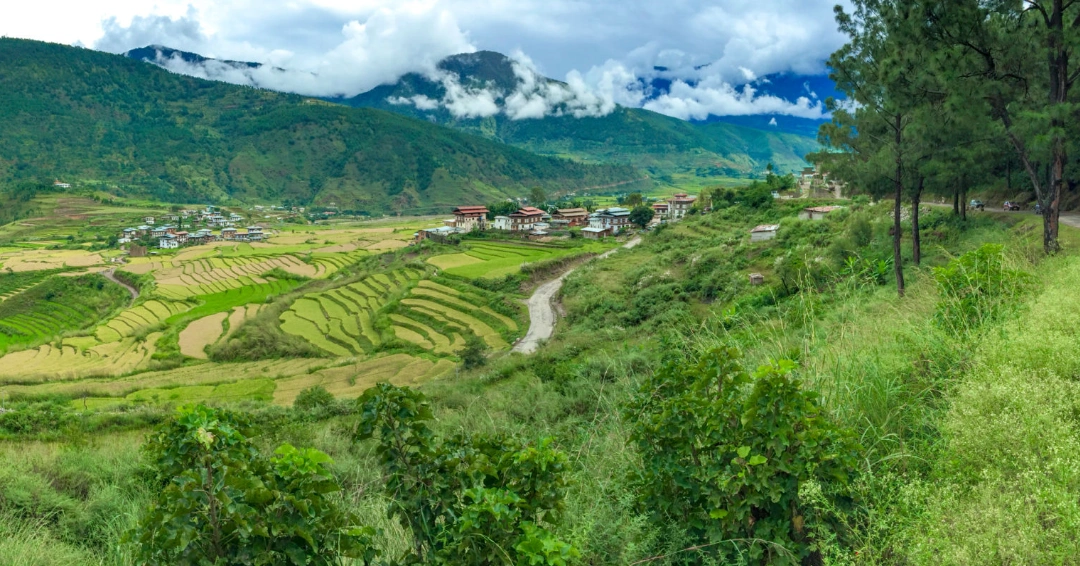
Approaching Bhutan with an open mindset is vital, as its slower pace of life contrasts with Israel's dynamic rhythm, emphasizing contemplation over convenience in a land where time unfolds gently amid nature's grandeur. Infrastructure is functional yet modest—roads wind through mountains, hotels are cozy family-run establishments rather than lavish chains, and amenities like hot water may vary, reflecting a society that values simplicity. Absent are luxury shopping malls or vibrant nightlife; instead, evenings might involve stargazing or cultural shows, with emphasis on spiritual pursuits like meditation at monasteries. Israeli visitors should temper expectations of high-speed services, embracing delays as invitations to mindfulness, and appreciate the focus on nature hikes, cultural festivals, and personal growth over material indulgences, finding fulfillment in Bhutan's unspoiled authenticity that rejuvenates the spirit.
Food and Dining Culture
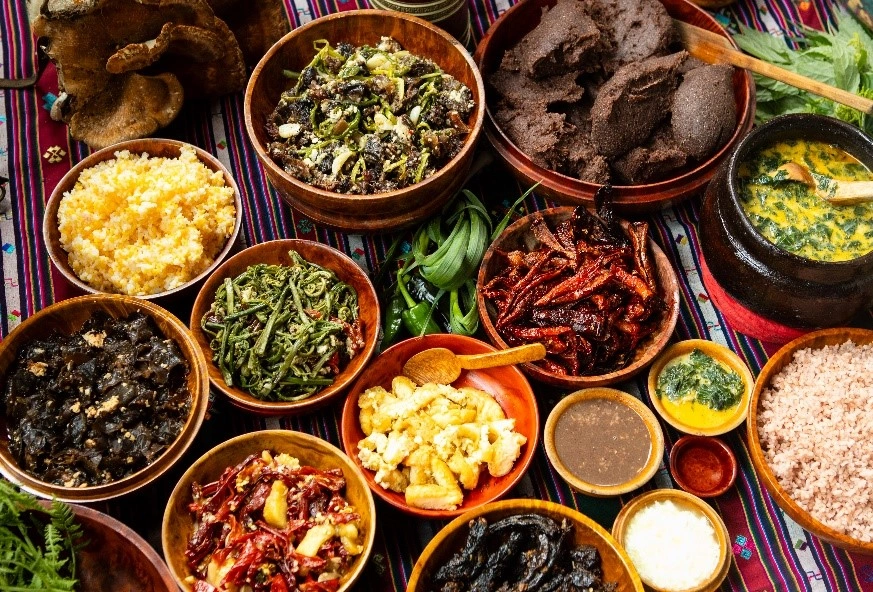
Bhutanese cuisine is hearty and flavorful, dominated by spicy chilies, fermented cheese, and simple staples that embody the kingdom's agrarian roots and communal dining ethos. Signature dishes like ema datshi—a fiery stew of chilies and cheese—pair with red rice, while momos (dumplings) and phaksha paa (pork with radish) offer variety, often seasoned with garlic, ginger, and local herbs for a bold, comforting taste. Meals are social affairs, shared family-style to foster bonds, with vegetarian options abundant due to Buddhist influences, though meat features in non-religious contexts. Butter tea (suja), salty and nourishing, is a staple beverage, alongside ara, a distilled rice spirit enjoyed moderately in homes, symbolizing hospitality. Israeli travelers might find the spiciness intense but can request milder versions, discovering how food integrates with Bhutanese warmth, where invitations to dine signify deep respect and connection.
Festivals, Religion, and Sacred Places
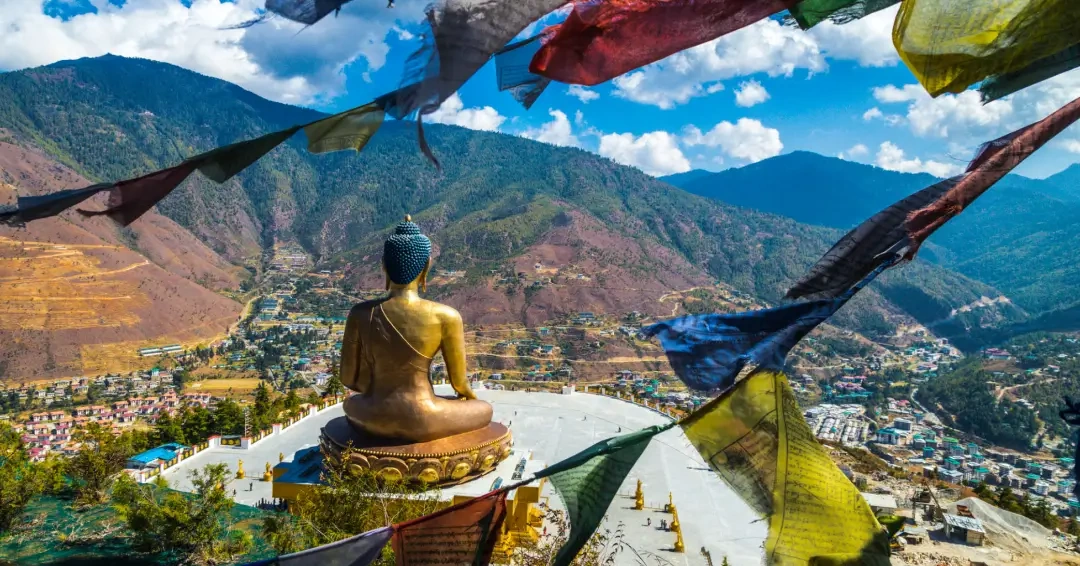
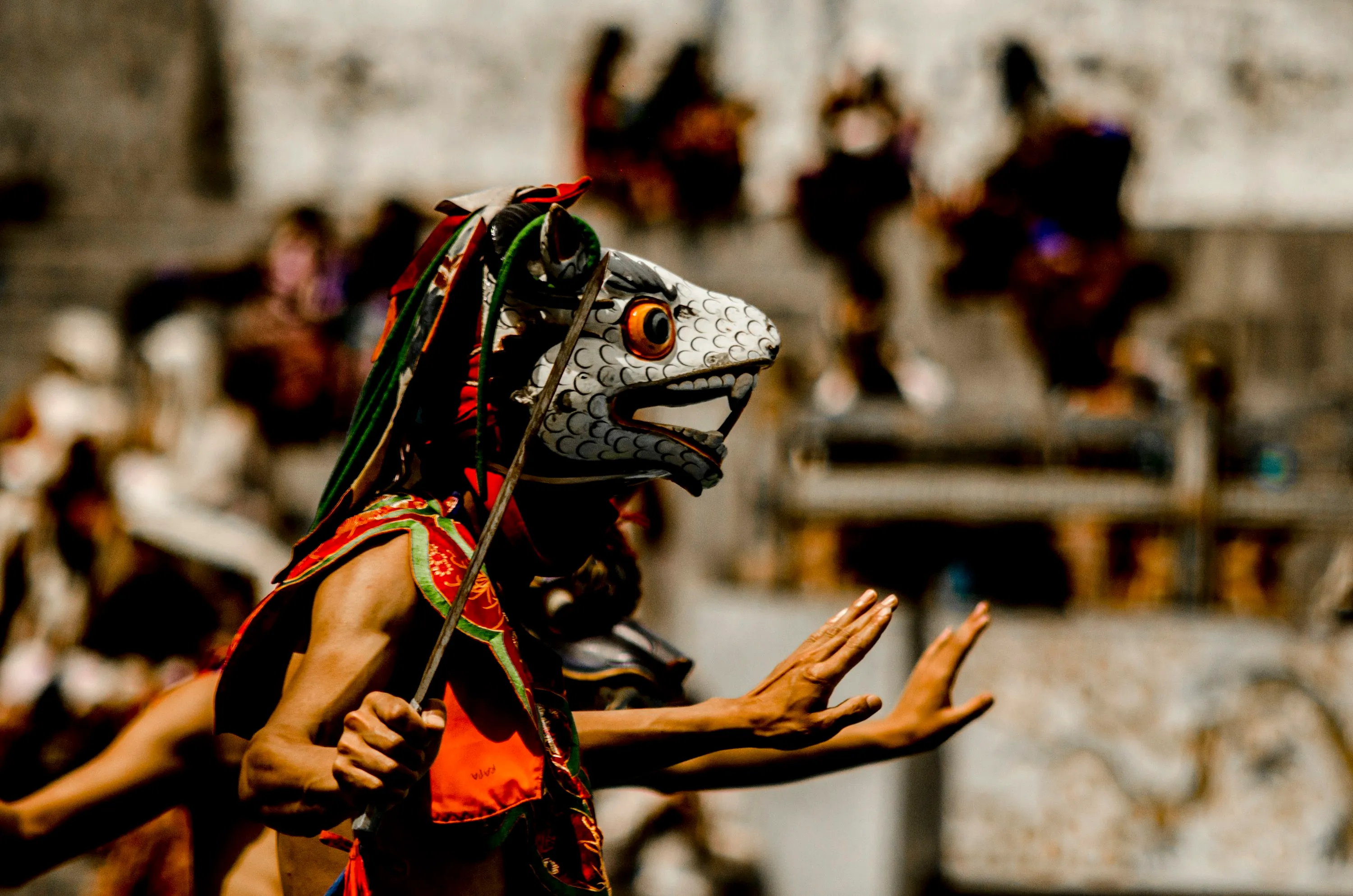
Religion permeates Bhutanese life through Vajrayana Buddhism, where festivals like Tshechus honor Guru Rinpoche with elaborate mask dances, music, and rituals at dzongs, blending spirituality with community joy. Visitors witness vibrant processions and sacred performances that impart moral lessons, contributing to cultural insight by revealing devotion's role in daily harmony. At sacred sites—monasteries, stupas, temples—conduct includes modest dress, clockwise circumambulation, and silence during prayers, with no photography inside to preserve sanctity. These experiences deepen understanding of Bhutan's soul, where religion fosters compassion, inviting Israeli travelers to reflect on shared human quests for meaning amid the kingdom's hallowed grounds.
Hidden Challenges and Practical Inconveniences
While Bhutan's allure is undeniable, subtle challenges arise from its rugged terrain and developing infrastructure, such as winding roads prone to delays from weather or maintenance, requiring patience during long drives that offer scenic rewards. Power outages occur sporadically, especially in remote areas, so carrying torches and embracing candlelit evenings adds to the rustic charm. Service may seem unhurried, reflecting a cultural aversion to rush, and itinerary shifts due to festivals or closures teach flexibility. These inconveniences, framed as integral to Bhutan's authenticity, cultivate resilience and appreciation, transforming potential frustrations into endearing aspects of the journey.
Shopping and Souvenirs
Shopping in Bhutan centers on artisanal treasures that showcase skilled craftsmanship, from handwoven textiles like kira and gho fabrics in vibrant patterns to wooden masks, thangka paintings, and incense symbolizing spiritual heritage. Markets in Thimphu and Paro offer bamboo crafts, jewelry with turquoise, and woven baskets, all ethically sourced without mass production. Bargaining is mild and respectful, as fixed prices prevail in cooperatives, ensuring fair trade; seek authenticity certificates for exports. Absent high-end malls, this intimate shopping experience connects buyers to artisans, allowing Israeli travelers to bring home meaningful mementos that echo Bhutan's creative spirit.
Altitude Awareness and Physical Preparedness
Altitude in Bhutan varies dramatically, affecting individuals differently with symptoms like dizziness or shortness of breath emerging above 2,500 meters, necessitating awareness for safe enjoyment. Precautions include ascending gradually, hydrating with 3-4 liters daily, and avoiding strenuous efforts initially; acclimatization days in Paro help, with light walks building tolerance. During tours or treks, pace activities, monitor for severe signs like confusion warranting descent, and consult doctors for preventive meds. Physical preparedness through pre-trip cardio enhances resilience, turning altitude's challenges into gateways for profound Himalayan encounters.
Security, Safety, and Emergency Information
Bhutan's reputation as a safe haven holds true, with low crime bolstered by vigilant communities and strict laws, allowing worry-free explorations. Respect local customs, like not disturbing wildlife or trespassing, and heed road safety on narrow paths. Emergencies connect via 112 for medical aid, 110 for fire, 113 for police; the nearest Israeli embassy is in New Delhi, reachable for consular support. Tour operators provide 24/7 assistance, reinforcing security in this peaceful realm where proactive respect ensures harmonious visits.</p>
<h2 style="font-size:22px; line-height:32px;">Photography and Drones</h2>
<p style="font-size:16px;">Photography in Bhutan captures its splendor, but rules protect sensitivity—inside religious sites, it's prohibited to maintain sanctity, while exteriors and landscapes are free with permission for locals. Drones require prior permits from the Civil Aviation Authority, banned near airports, military zones, or sacred areas like yellow-roofed buildings; tourists often face restrictions, so consult operators. Respectful behavior, like avoiding intrusive shots, honors Bhutan's privacy, enriching captures with ethical depth.
What Bhutan Does Not Have
Bhutan's deliberate preservation excludes modern excesses, lacking skyscrapers in favor of traditional architecture blending with nature, fast-food chains to uphold local cuisine, and casinos to align with Buddhist non-gambling values. Without big shopping centers, the focus shifts to artisanal markets, enhancing the kingdom's charm as a sanctuary of simplicity and authenticity.
Important Questions to Ask Before Booking a Tour
Before committing to a Bhutanese tour operator, Israeli travelers should inquire thoroughly to ensure alignment with expectations, starting with questions about the guide's experience and language proficiency—ask if they are certified by the Tourism Council, how many years they've led tours, and if they can accommodate specific interests like history or hiking, as a knowledgeable guide transforms the journey. Probe into itinerary flexibility, questioning whether adjustments for weather, health, or personal preferences are possible, and how changes are handled without extra costs, given Bhutan's unpredictable elements. Discuss accommodations in detail, asking about hotel standards, locations, amenities like Wi-Fi or heating, and options for upgrades, ensuring comfort matches your needs amid varying facilities. Food is crucial, so inquire about meal inclusions, dietary accommodations for kosher-like preferences or allergies, and variety beyond spicy Bhutanese fare, including access to international options. Emergency protocols warrant attention—ask about medical support, evacuation plans, and operator insurance, confirming coverage for altitude issues or delays. For connectivity, question SIM card arrangements, data packages, and VPN recommendations if needed for Israeli services. Language barriers might arise, so confirm English fluency and any multilingual support. Tipping customs should be clarified, asking expected amounts for guides and drivers to budget appropriately. Finally, verify the operator's sustainability practices, like eco-friendly transport or community contributions, aligning with Bhutan's GNH ethos for a responsible trip.
Conclusion
In reflecting on Bhutan as a destination, it stands as a rare jewel for Israeli travelers yearning for depths beyond the ordinary, where the pursuit of cultural richness, untouched natural splendor, and inner tranquility eclipses the allure of hurried, commodified adventures. This Himalayan kingdom, with its commitment to harmony and preservation, invites a profound shift in perspective, offering Israeli visitors a chance to unwind in serene valleys, engage with timeless traditions, and rediscover peace amid majestic peaks—a journey that lingers long after departure, fostering lasting appreciation for life's simpler, more spiritual joys.