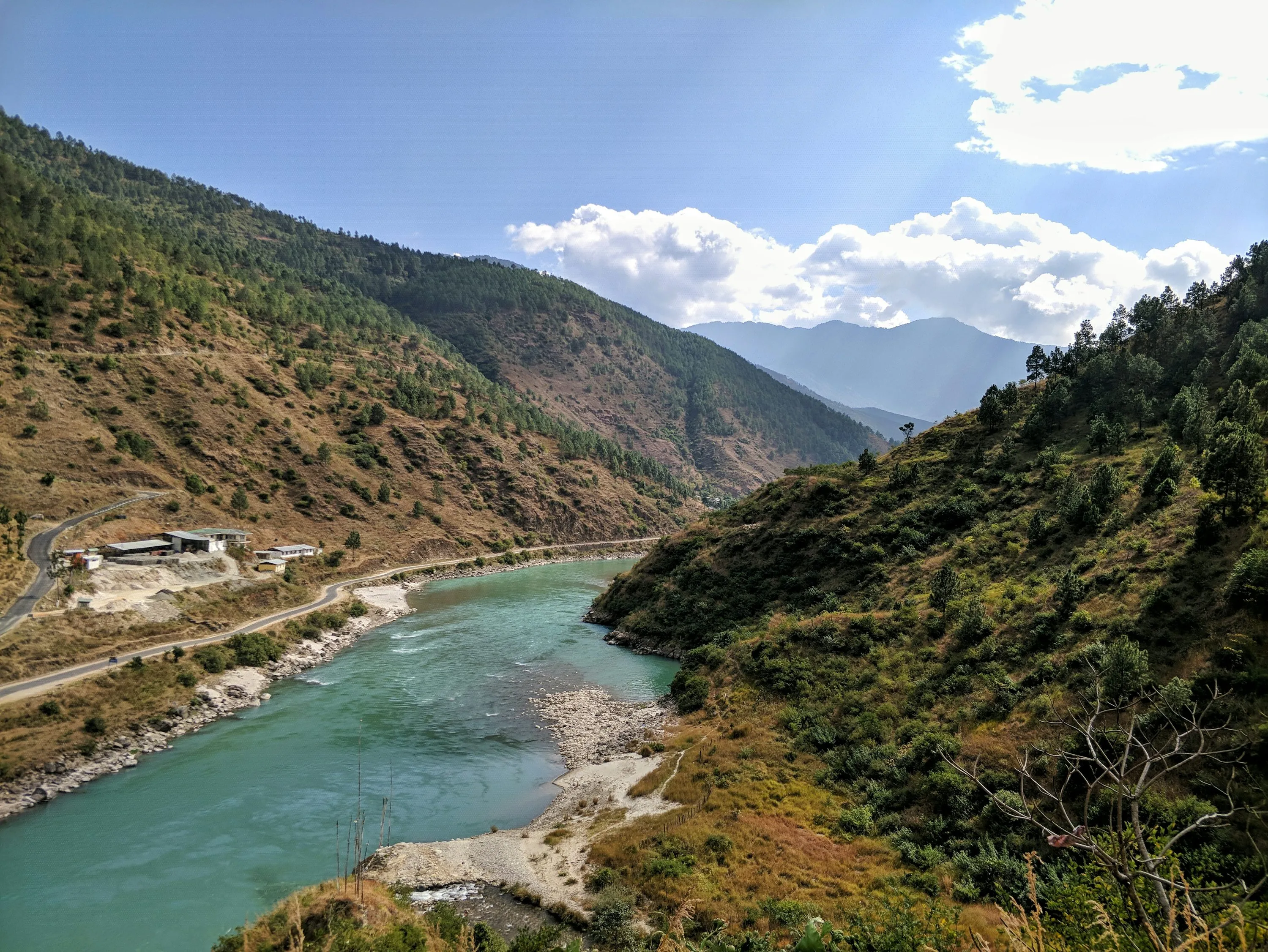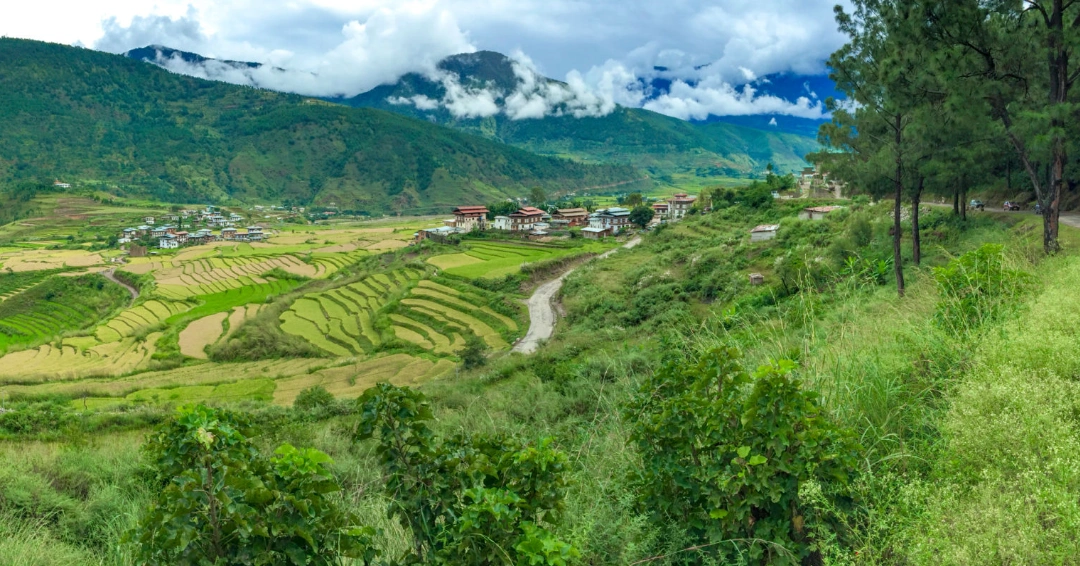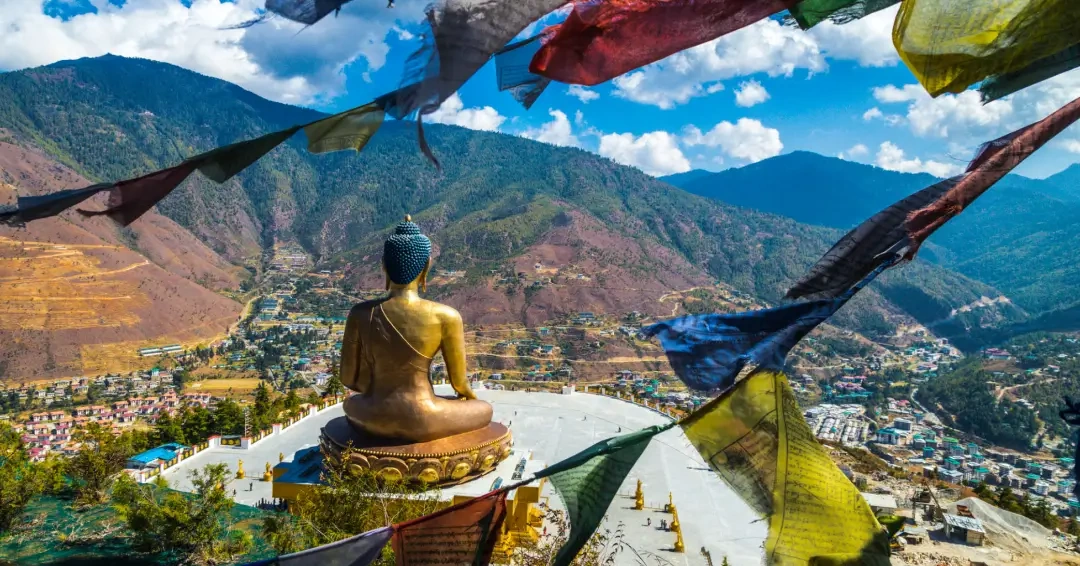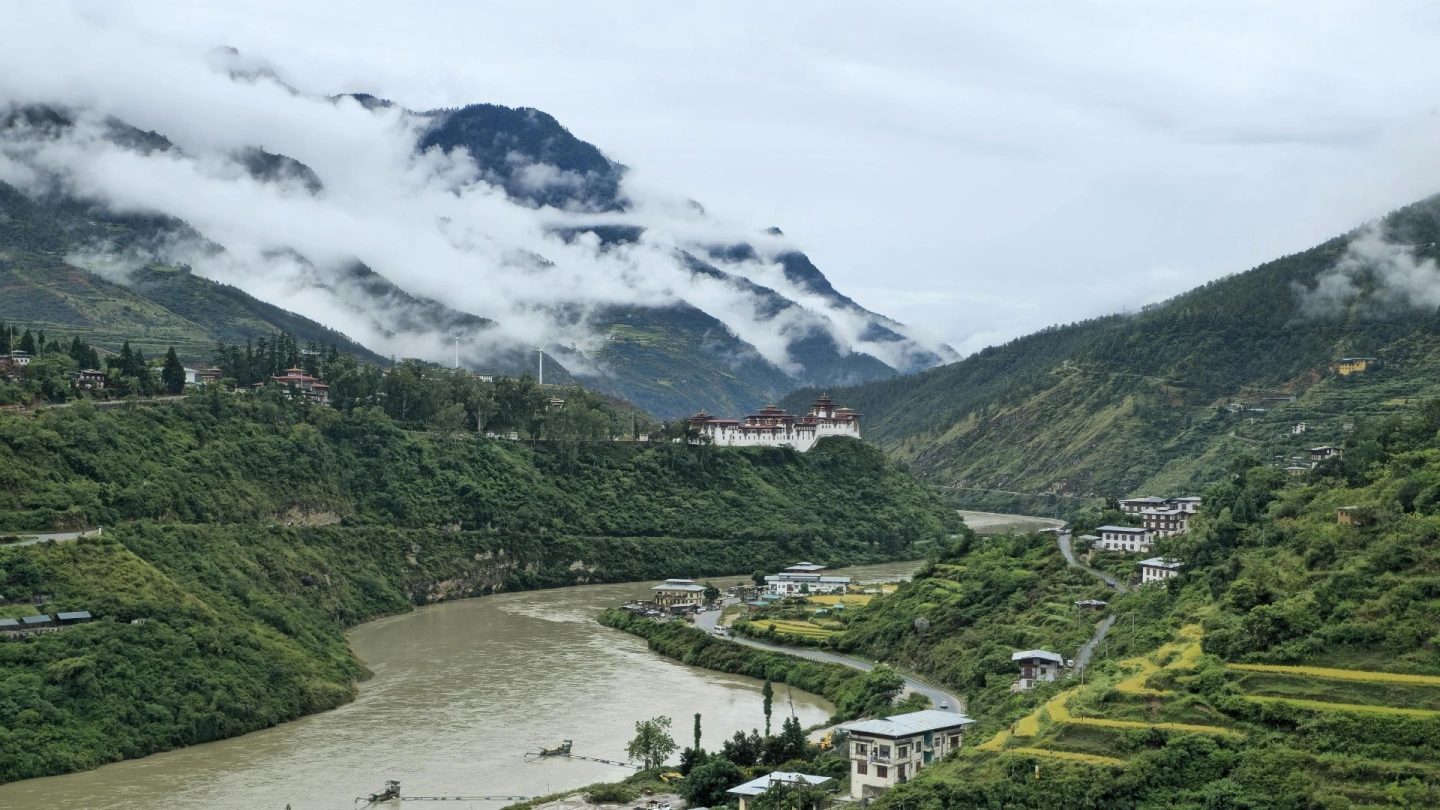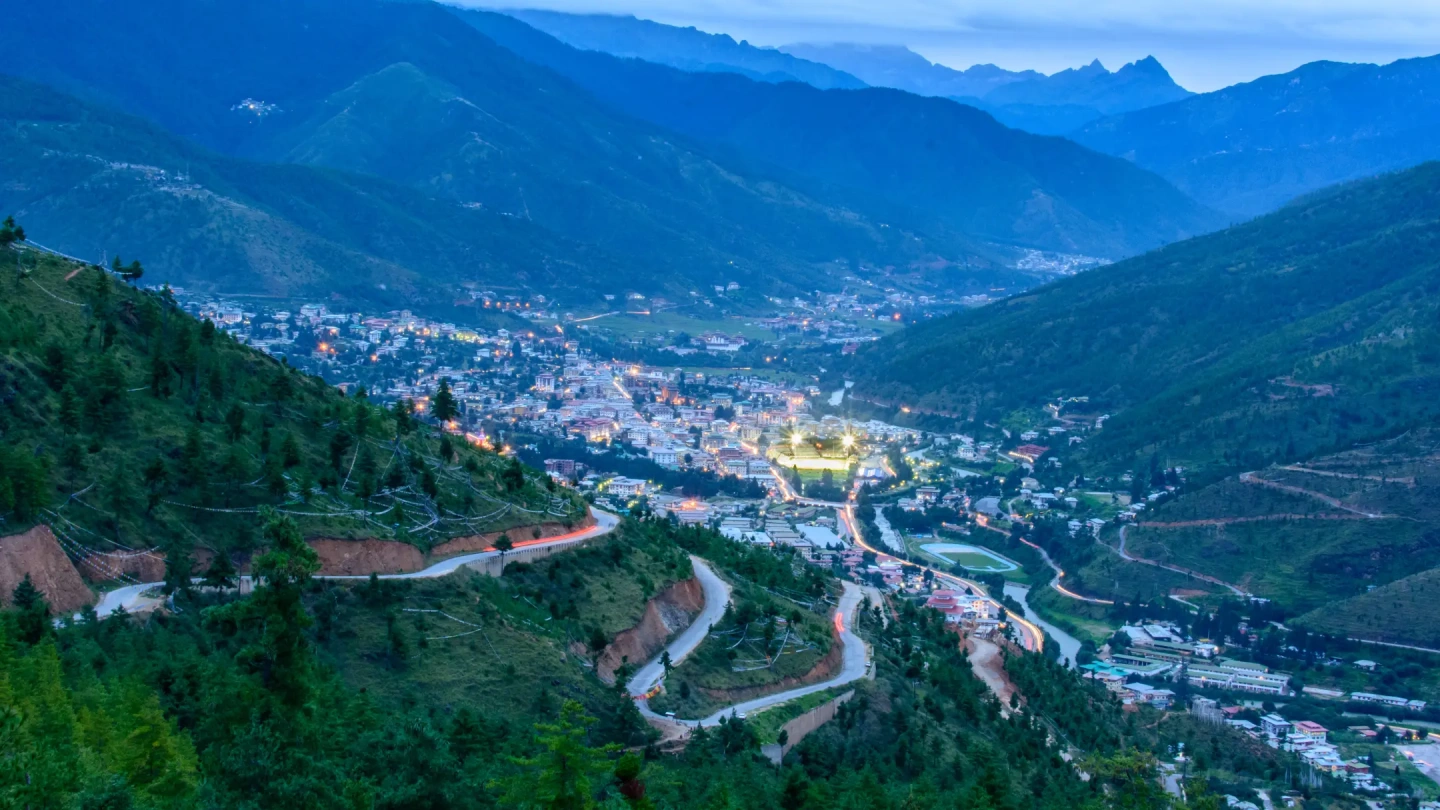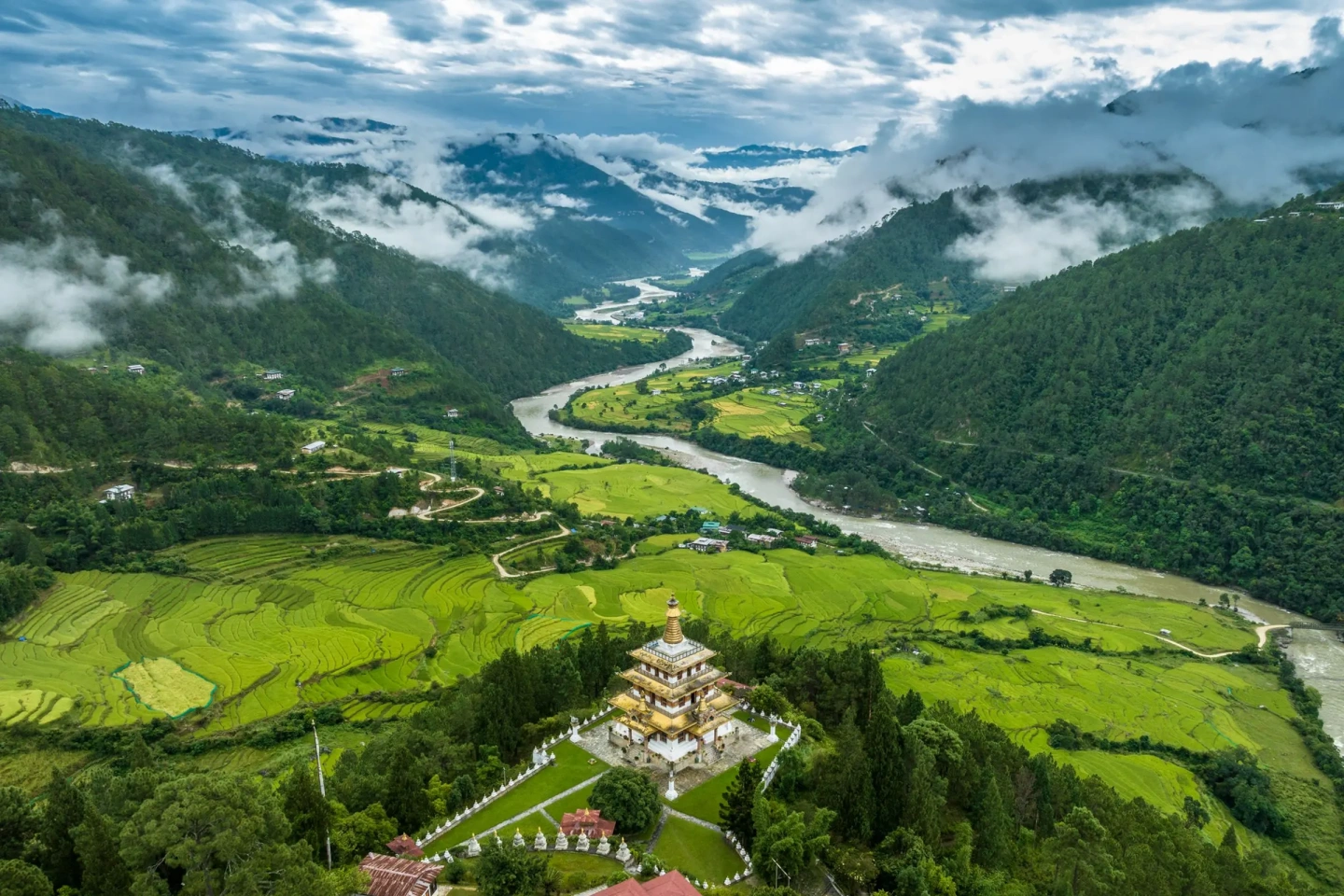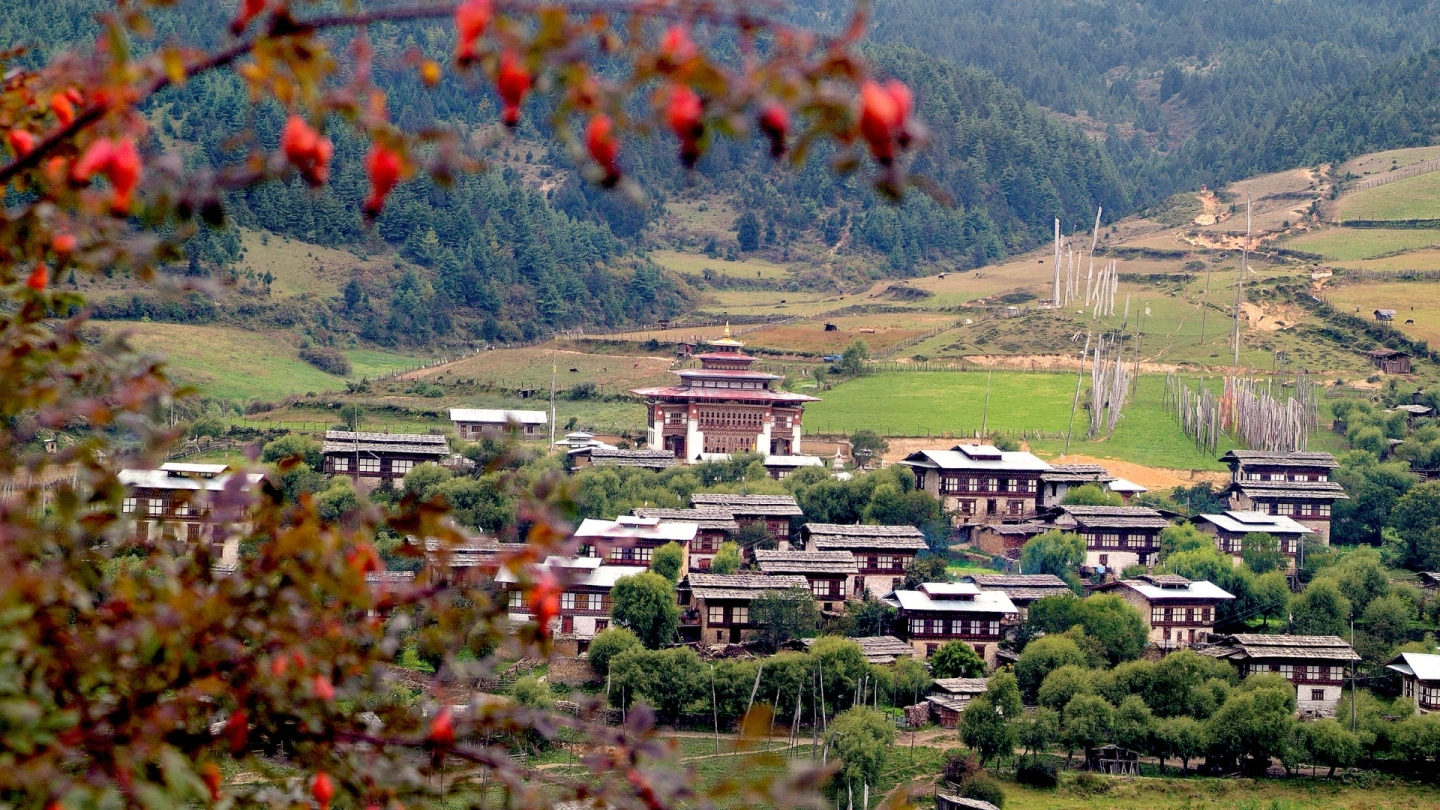


Tucked away in the eastern Himalayas, Bhutan is a small kingdom renowned for its breathtaking mountainous landscapes, fortified monasteries clinging to sheer cliffs, and an unwavering dedication to safeguarding its rich cultural traditions and natural environment. For Ecuadorian travelers, a journey to Bhutan presents a fascinating contrast to Ecuador's diverse geography, which spans the Andean highlands, Amazonian rainforests, and the unique Galapagos Islands, offering a blend of volcanic terrains and coastal ecosystems. While Ecuador's economy thrives on oil exports, agriculture like bananas and flowers, and tourism driven by biodiversity, Bhutan focuses on sustainable hydropower, forestry, and a measured approach to development, boasting significantly more forest cover at 85.5 percent compared to Ecuador's 38.9 percent. Diplomatic relations between Bhutan and Ecuador remain informal and indirect, with no established embassies in each other's capitals, as Bhutan maintains formal ties with only about 56 countries to preserve its independence and cultural integrity. This selective diplomacy does not impede travel; rather, it highlights Bhutan's deliberate openness, welcoming Ecuadorians to discover a lifestyle centered on harmony and well-being. In contrast to Ecuador's vibrant urban centers like Quito and Guayaquil, alive with colonial architecture, indigenous markets, and Spanish-influenced festivities, Bhutan features no towering buildings or bustling nightlife, instead prioritizing spiritual retreats and environmental conservation. This guide, penned as if by a seasoned Bhutanese travel consultant, seeks to arm Ecuadorian adventurers with essential insights into practicalities and subtleties, facilitating a profound exploration of this enchanting land of thunder dragons and rhododendron blooms.
Visa and Entry Requirements
Bhutan's tourism framework is stringently regulated to promote high-value, low-impact experiences, mandating that all international visitors, including Ecuadorians, arrange their trips solely through accredited Bhutanese tour operators. This policy helps maintain the kingdom's ecological balance and cultural authenticity by controlling visitor volumes and directing funds toward community benefits. For Ecuadorian tourists, the visa application commences upon choosing a licensed operator, who manages the submission on your behalf. Required documents include a scanned passport valid for at least six months past your intended departure from Bhutan, a recent passport photo, and evidence of comprehensive travel insurance. The operator forwards these to the Tourism Council of Bhutan (TCB), which issues an electronic visa approval typically within 72 hours. You'll receive a visa clearance letter by email, to be shown at immigration upon landing at Paro International Airport or crossing land borders. The visa itself costs USD 40, non-refundable, and is incorporated into your tour payment. Integral to this is the Sustainable Development Fee (SDF), presently USD 100 per adult per night in 2025 (with reductions: USD 50 for children aged 6-11, and exempt for under 6), valid through the end of the year before potential adjustments. This fee supports initiatives in healthcare, education, and conservation, substantially influencing tour costs by embedding a daily contribution that underscores your role in Bhutan's sustainable progress. Full tour payment, encompassing the SDF, must be transferred upfront via bank wire to the operator, which activates your visa and confirms your customized itinerary. Entry without this pre-arranged setup is not permitted, reinforcing Bhutan's commitment to mindful tourism over impromptu visits.
Travel Routes from Ecuador to Bhutan
Journeys from Ecuador to Bhutan necessitate several segments given the lack of direct connections, involving layovers in European, Middle Eastern, or Asian hubs before the final hop to Bhutan. From Ecuador's primary airports in Quito (UIO) or Guayaquil (GYE), routes often start with flights to cities like Madrid, Amsterdam, Doha, or Istanbul, serviced by carriers such as Iberia, KLM, Qatar Airways, or Turkish Airlines, followed by onward legs to Asian gateways including Delhi (India), Bangkok (Thailand), or Kathmandu (Nepal). For example, a trip from Quito might entail a flight to Madrid (about 11 hours), then to Delhi (around 8 hours), culminating in the short flight to Paro. Exclusively, Drukair (Royal Bhutan Airlines) and Bhutan Airlines operate into Bhutan, flying from these hubs to Paro International Airport, the country's only international entry point. Paro Airport's demanding location in a tight valley flanked by peaks restricts flights to daytime and clear-weather conditions, often leading to delays from fog, rain, or winds—anticipate possible rescheduling, especially in monsoon periods, and build in extra days. Bookings are best handled through your tour operator for coordinated timings; expect total travel times of 25-35 hours and costs from USD 1,500-3,000 round-trip in economy, depending on seasons and promotions. Realistic planning involves accounting for time zones (Bhutan GMT+6, Ecuador GMT-5) and the exhilarating yet precise Paro landing, performed by specially trained pilots, marking your entry into a realm of serene majesty.
Best Time to Visit and Seasonality
Bhutan's four seasons profoundly shape travel experiences, each with distinct weather patterns and cultural events that dictate optimal planning for Ecuadorians used to equatorial climates with minimal variation. Spring (March-May) offers temperate weather of 10-20°C (50-68°F), with flourishing flora like rhododendrons and clear vistas, perfect for hikes and fewer tourists; it coincides with vibrant festivals such as Paro Tshechu in April, showcasing ritual dances. Summer (June-August) brings monsoons with heavy rainfall (up to 500mm monthly), humidity, and landslide risks, limiting outdoor pursuits but enhancing verdant scenery for nature enthusiasts willing to embrace indoor cultural dives. Autumn (September-November) is prime, featuring cool 5-15°C (41-59°F) days, harvest celebrations like Thimphu Tshechu in September-October, and peak mountain views, though with heightened crowds and rates. Winter (December-February) delivers chilly temperatures down to -5°C (23°F) in highlands, snowy northern regions but sunny valleys, suiting serene visits and events like Punakha Drubchen with lower visitor density. Considering Ecuadorians' familiarity with Andean altitudes but preference for milder conditions over extreme cold or wet, ideal months are March-April or October-November, merging favorable weather, festival immersion, and balanced crowds—coordinate with your operator around lunar-dated festivities for enriched itineraries.
Money, Costs, and Payment Methods
The Bhutanese Ngultrum (BTN) is the official currency, tied equally to the Indian Rupee (INR), which is also commonly used, easing transactions for global visitors. Ecuadorians should convert USD (preferred) upon arrival at banks or authorized exchangers in Paro or Thimphu for competitive rates, as direct exchanges from Ecuadorian Sucres or other currencies are unavailable. ATMs exist in larger towns, supporting Visa and Mastercard with fees, but are scarce rurally—withdraw Ngultrum moderately, as limits often cap at BTN 10,000. Credit cards gain traction in premium hotels and select urban stores, yet cash dominates markets and small outlets. Standard tour packages encompass lodging, three daily meals, ground transport, licensed guides, and site fees, with base rates of USD 250-300 daily including SDF, adjustable by group size and luxury. Additional outlays cover souvenirs (BTN 500-5,000), beverages like alcohol (BTN 100-300), gratuities for staff (USD 10-20 daily), and extras such as spa treatments (USD 20-50). Recommend carrying USD 200-500 cash for sundries, given the evolving but not fully digital payment landscape, allowing seamless navigation of Bhutan's economy while supporting local artisans.
Health, Safety, and Travel Insurance
Health precautions in Bhutan center on its elevated topography, spanning 100m to over 7,000m, heightening altitude sickness risks with signs like dizziness and shortness of breath—Ecuadorians from highland areas like Quito may adapt better but should still proceed cautiously. Facilities are adequate in Thimphu and Paro hospitals but rudimentary elsewhere; vaccinations advised include hepatitis A/B, typhoid, tetanus, and rabies owing to stray animals. Malaria risks are low but present southward, necessitating repellents. Bhutan boasts exceptional safety with minimal crime, rooted in communal ethics, though minor hazards like slippery paths and dog bites warrant vigilance—keep belongings secure and avoid dark solos. Essential travel insurance must include medical coverage, high-altitude evacuation (costs up to USD 5,000+ via helicopter), and cancellations, from trusted insurers to handle remoteness effectively.
Cultural Etiquette and Social Expectations
Rooted in Buddhist values of compassion and equilibrium, Bhutanese customs demand respectful adaptation from visitors to foster harmonious engagements. In sacred spaces like temples, remove footwear and headwear, don modest attire shielding knees and shoulders (scarves available), and circumnavigate clockwise while observing quiet during ceremonies. Socially, offer "Kuzuzangpo la" with a bow, exchange items bimanually, and point with palms open—eschew finger-pointing or raised tones. Modesty governs public conduct; overt affection is discreet, and patience counters delays as reflective moments. Ecuadorians, with their warm, community-oriented indigenous and Spanish heritage, may fine-tune expressiveness to match Bhutan's understated humility—avoid ostentation, prioritize active listening. During visits or events, accept tea or food graciously with both hands, declining only after offers; such gestures build bridges, enabling Ecuadorians to blend their vibrant traditions with Bhutan's serene ethos for enriching exchanges.
Connectivity, SIM Cards, Internet Access
Bhutan's connectivity has advanced, yet varies by locale, merging tech with its peaceful seclusion. Hotel Wi-Fi is dependable in Thimphu and Paro, often complimentary but slower in remotes due to geography—expect 10-50 Mbps for essentials. Mobile data via tourist SIMs from B-Mobile or TashiCell is accessible at airports or town shops with passport/visa; plans from BTN 300 yield 1-2GB for 7-30 days, with B-Mobile's broader 4G/3G coverage suiting explorations. Ecuadorian apps function normally, with few blocks—VPNs aid secure or unrestricted access. Signal lapses in highlands promote unplugging; guides facilitate purchases, balancing connection with Bhutan's introspective vibe.
Language and Communication
Dzongkha dominates Bhutanese discourse, but English prevails in education and tourism, aiding many Ecuadorians. Spanish, Quichua, or Shuar guides are uncommon but available on request for premium tours, with Spanish more feasible due to trained multilingual staff. Tourism personnel in hotels and guides speak English fluently. Rural barriers may occur; use apps for translations, gestures, or basic Dzongkha like "thank you" (Kadinche la). For limited English, opt for Spanish guides or visual aids—Bhutan's courteous culture values smiles and patience, transforming challenges into cultural dialogues.
Packing and Preparation Advice
Bhutan's climatic diversity, from subtropical to alpine, requires adaptable packing unlike Ecuador's steadier tropics. Layer with moisture-wicking bases, insulating fleeces, rainproof jackets, and thermals for sub-zero nights. Pack trekking boots for paths, modest clothes for sites. Essentials: high-SPF sunscreen, bug spray, water purifier, dietary snacks. Meds: altitude remedies (doctor-approved), basics like analgesics, copies of scripts. Adapters for D/F/G plugs (230V); power banks for blackouts. Extras: headlamp, optics for views, notebook. Cap baggage at 20kg; eco-items align with conservation, readying for Himalayan shifts while respecting norms.
Bhutan’s Unique Tourism Philosophy
Gross National Happiness (GNH), pioneered by Bhutan's Fourth King, underpins tourism, valuing holistic prosperity via governance, sustainability, culture, and ecology. This informs "high-value, low-volume" policies like guided tours and SDF, prioritizing impactful visits. Ecuadorians, from a biodiversity-rich nation, can grasp Bhutan's curbs on growth to shield heritage—banning ads, enforcing architecture—fostering quality encounters over mass influx, a blueprint for balanced progress.
Mindset and Expectations for Visitors
Bhutan invites mindset shifts to its unhurried tempo, where GNH favors contemplation over haste. Infrastructure evolves—curvy roads, intimate lodgings sans extravagance, no upscale retail or evenings out—spotlighting nature, heritage, and soulfulness. Ecuadorians might relish this departure from Galapagos crowds, embracing adaptable plans; such "limitations" unveil Bhutan's genuine allure, nurturing deeper bonds.
Food and Dining Culture
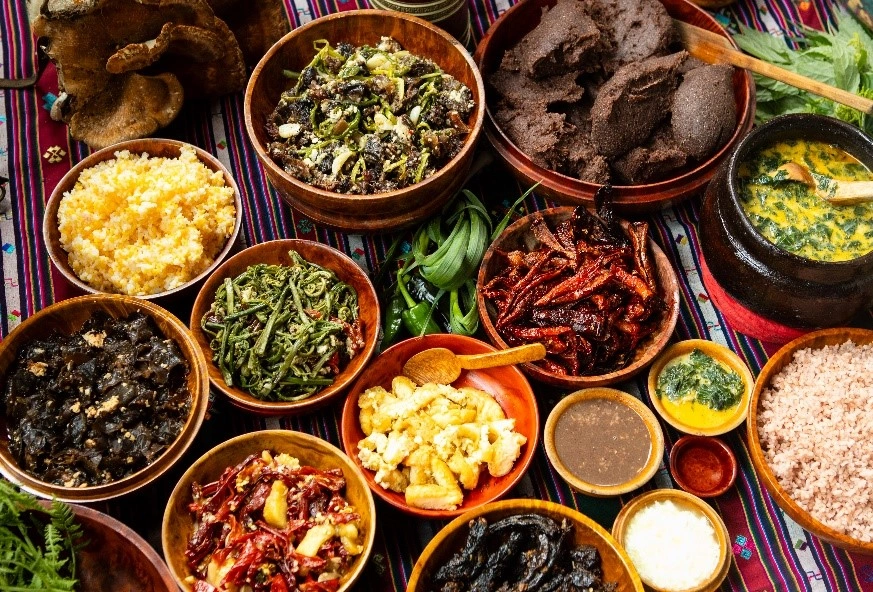
Bhutanese fare is robust and piquant, featuring red rice, chilies in cheese sauces, differing from Ecuador's ceviche or empanadas. Ema datshi epitomizes zest, with meat stews; shared meals embody welcome—embrace refills politely. Suja tea warms, ara wine moderates festivities per Buddhist temperance. Veggie adaptations abound; tours customize, weaving food into hospitable narratives.
Festivals, Religion, and Sacred Places
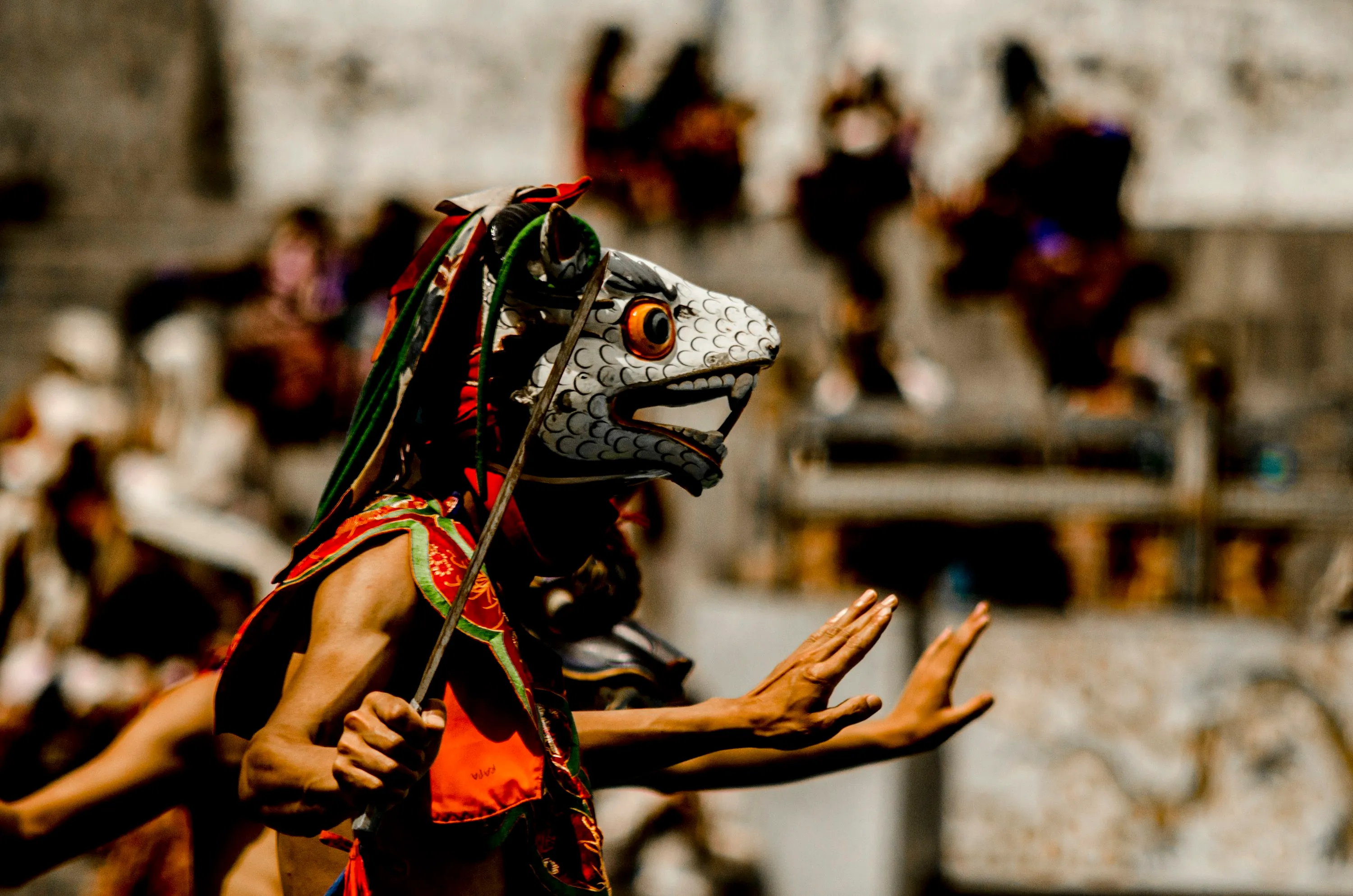
Buddhism infuses Bhutan, with Tshechus honoring saints via dances in dzongs, blending devotion and festivity for cultural insights. At sites, adhere to quiet, clockwise walks, no artifact touches—these deepen comprehension of Bhutan's spiritual fabric.
Hidden Challenges and Practical Inconveniences
Bhutan's quirks like meandering drives, sporadic power, plan tweaks from elements, and leisurely service are woven into its appeal, cultivating patience as a virtue amid authenticity.
Shopping and Souvenirs
Bhutan shopping highlights artisanal weaves, handicrafts, scents; Thimphu markets favor gentle haggling for genuine pieces sans malls.
Altitude Awareness and Physical Preparedness
Altitude varies effects; hydrate, acclimate stepwise, curb activity if symptomatic like fatigue—tailor pursuits for well-being.
Security, Safety, and Emergency Information
Bhutan's secure milieu persists; heed anti-tobacco laws. Emergencies: 113 police, 112 medical. Sans direct embassy, liaise via Ecuador's in India.
Photography and Drones
Photos are ok externally but barred indoors sacredly; seek local consent. Drones prohibited for visitors.
What Bhutan Does Not Have
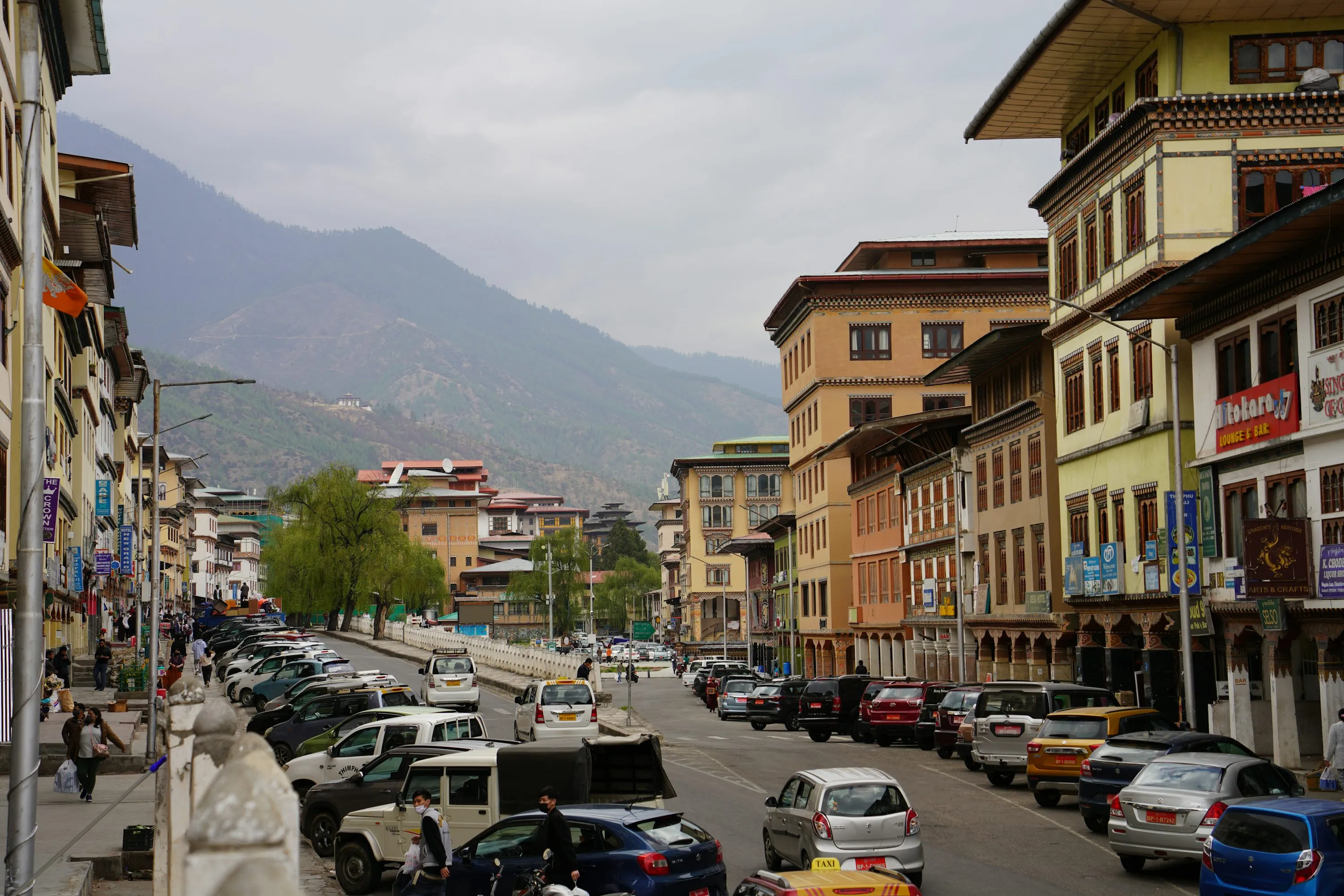
Absent high-rises, chains, gambling, megastores—enhancing its pristine enchantment.
Important Questions to Ask Before Booking a Tour
Prior to finalizing with an operator, verify their TCB certification for reliability. Query itinerary pliability for weather or interests like treks, gauging responsiveness. Explore guide expertise—request Spanish speakers—and language fits for Quichua/Shuar if needed. Delve into lodging: eco-friendly, varied? Ask meal customizations for Ecuadorian tastes, emergency handling with insurance links. Inquire SIM aid, tipping (USD 10-15 daily), group scales for intimacy. These probes ensure bespoke Bhutan sojourns.
Conclusion
Bhutan endures as an exceptional haven for Ecuadorians craving immersive culture, pristine vistas, and tranquil spirituality over hurried commerce.