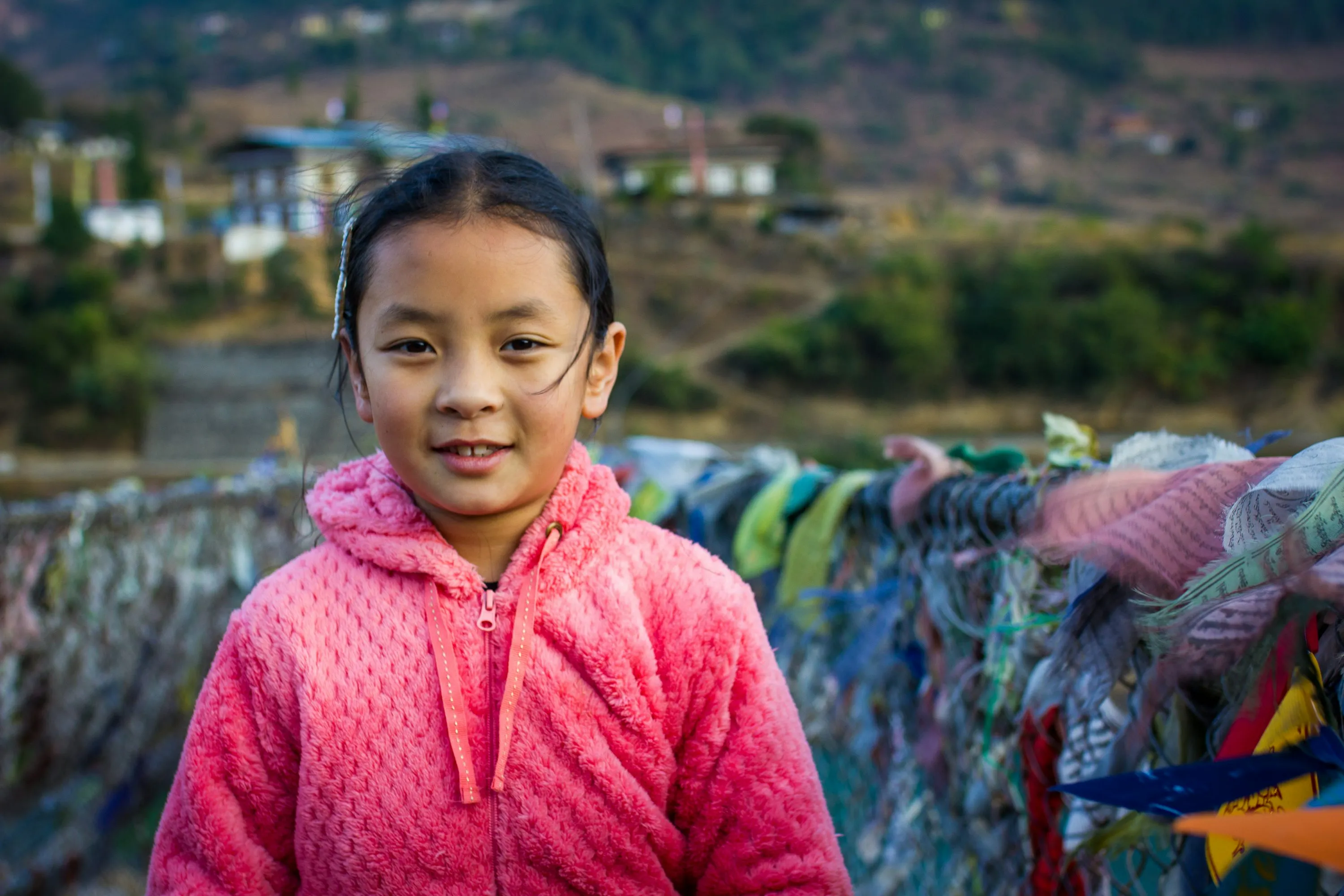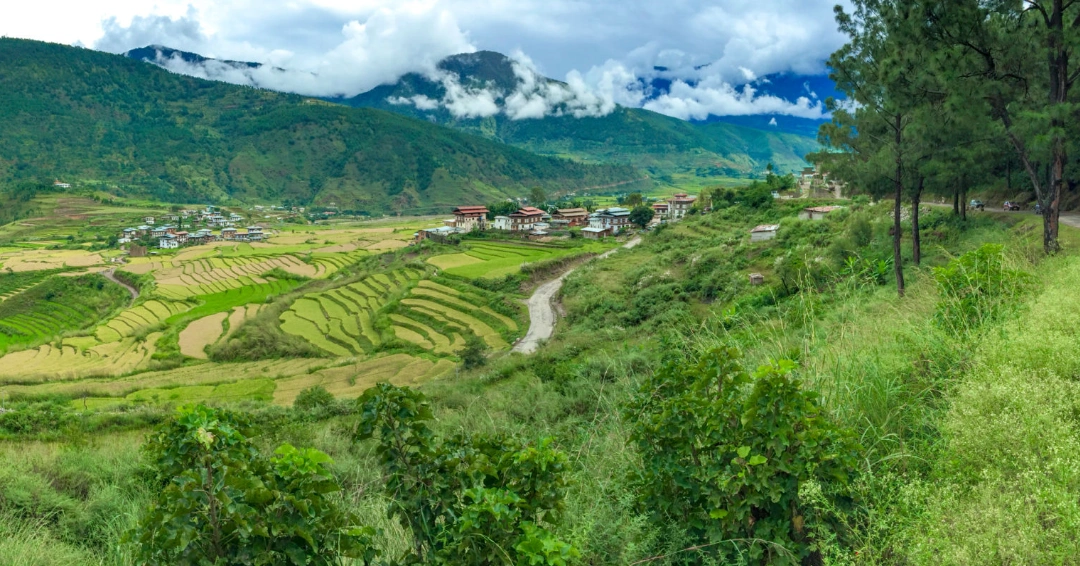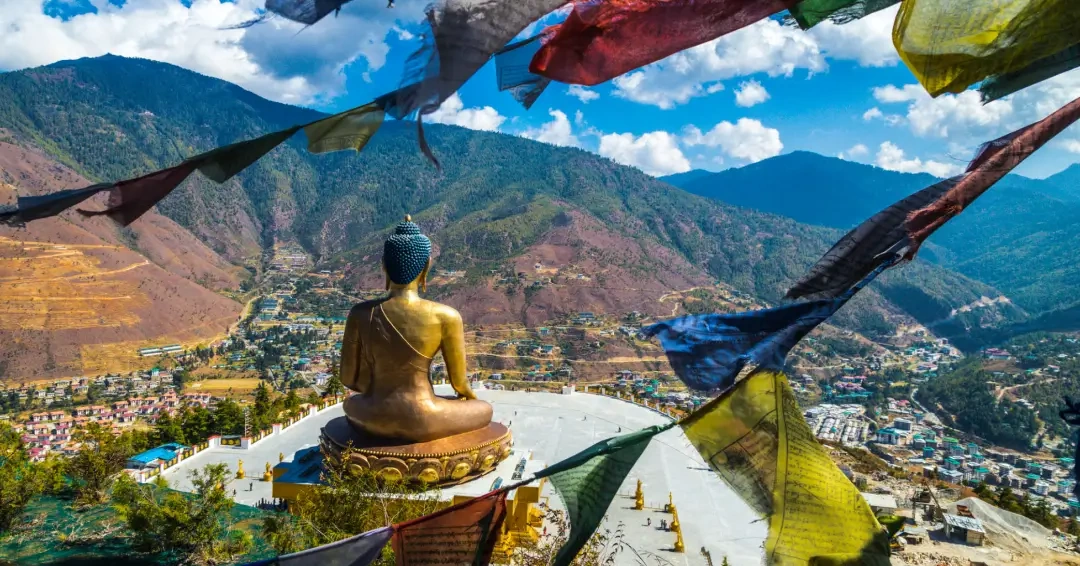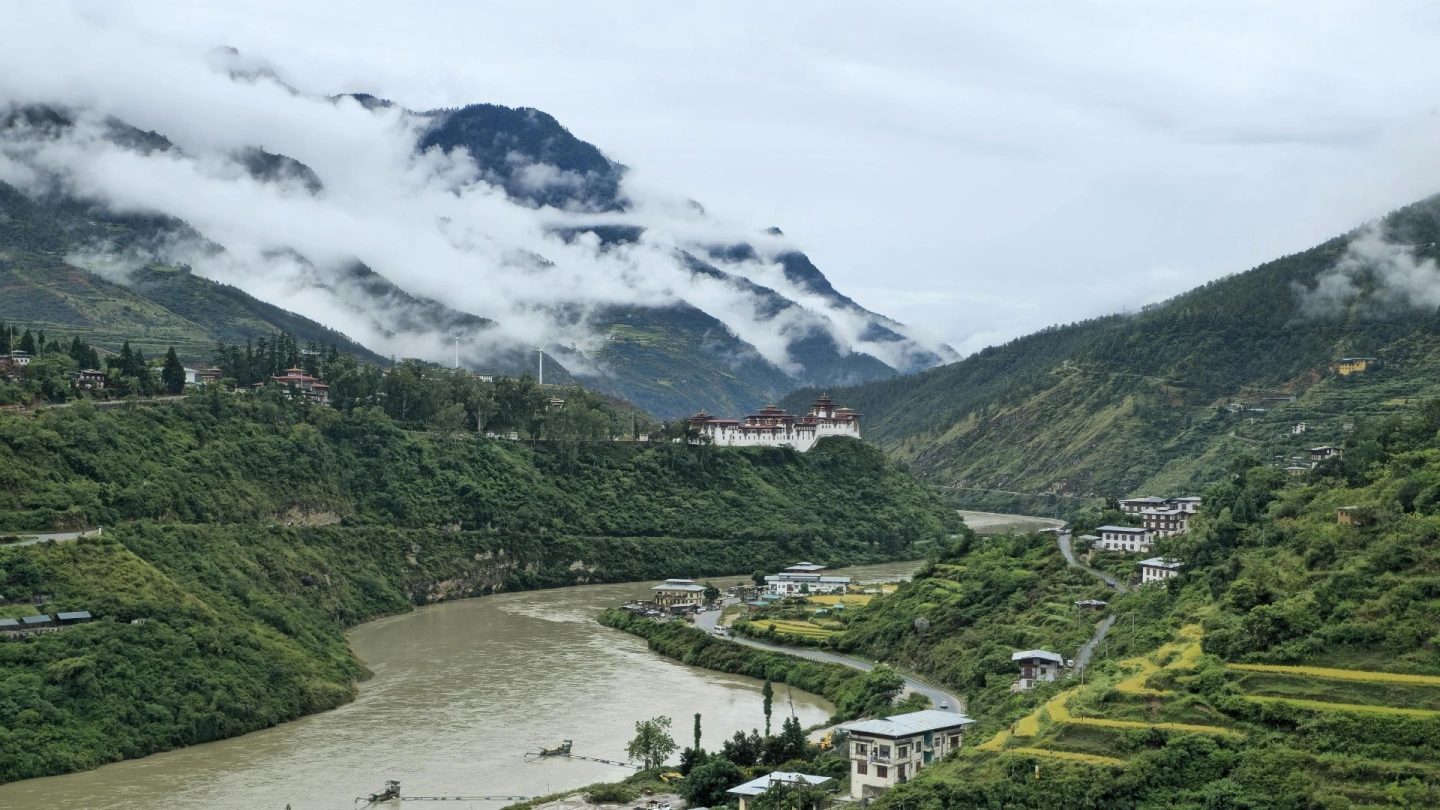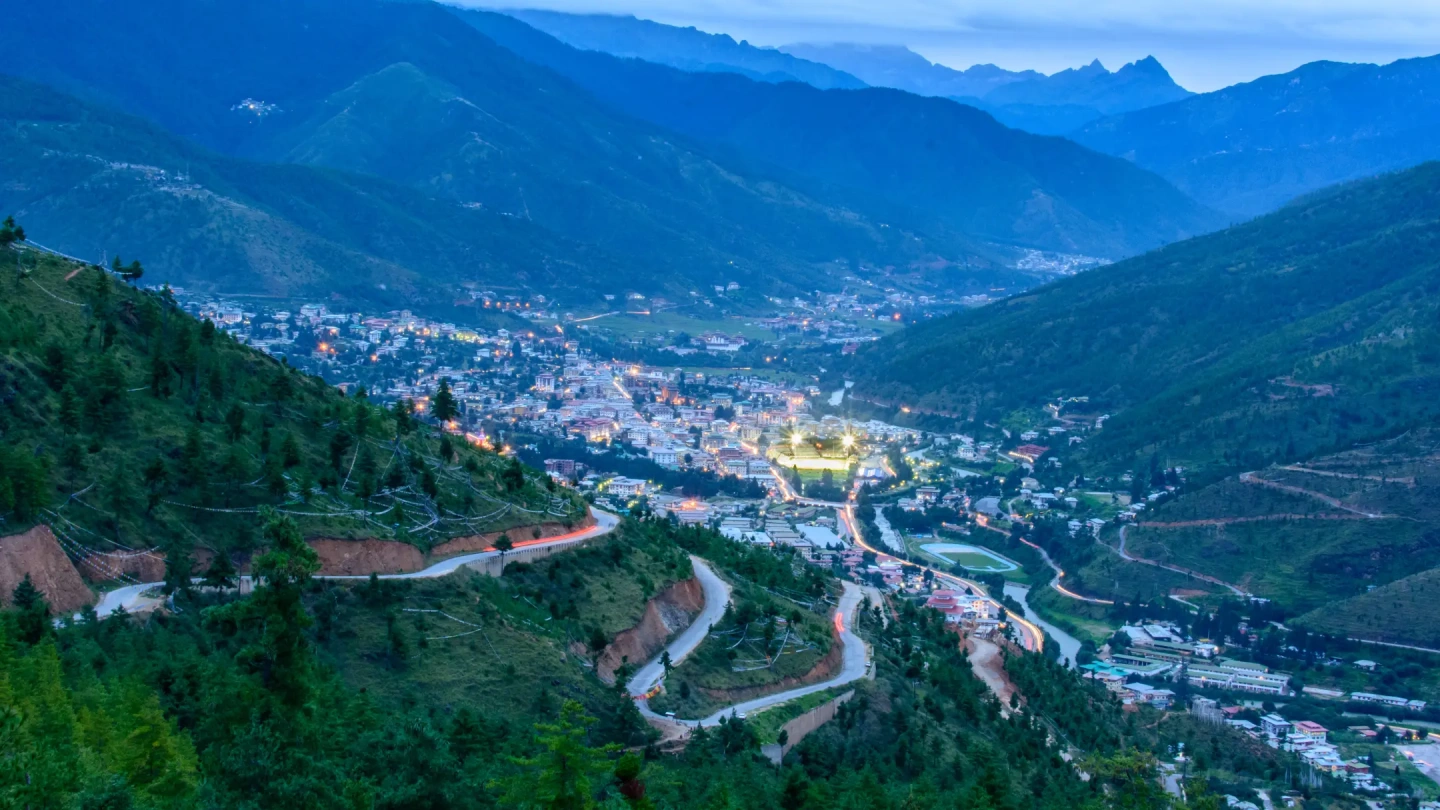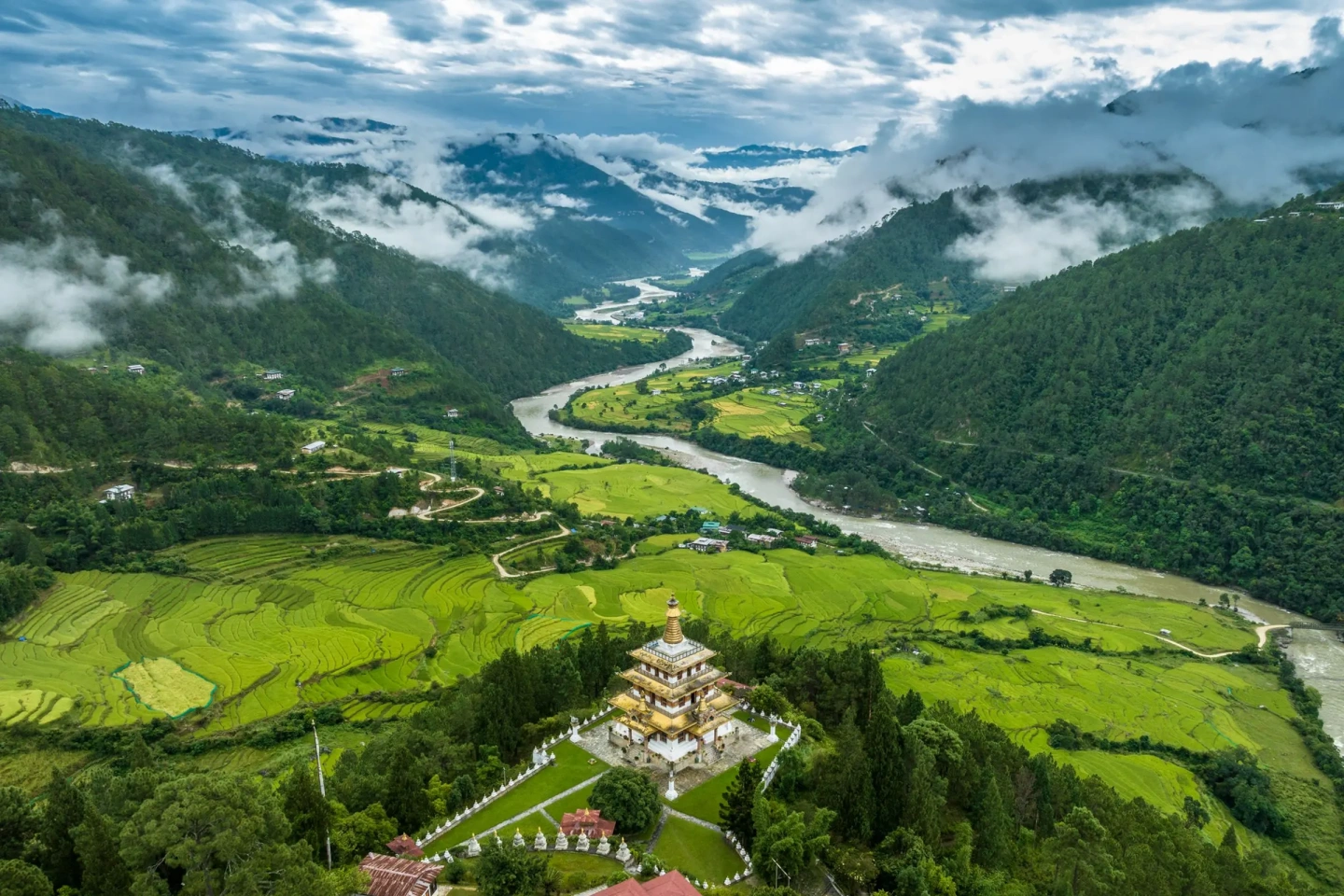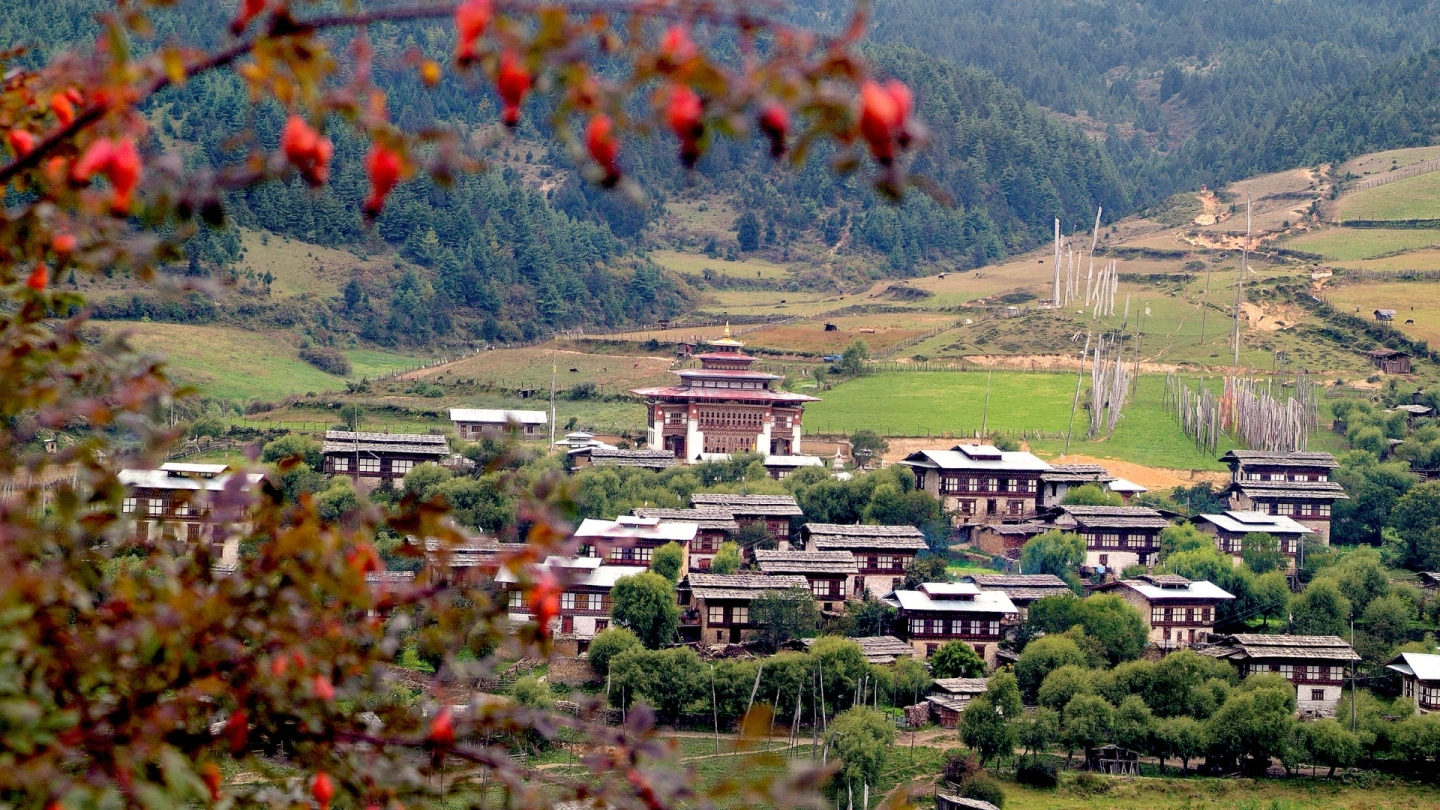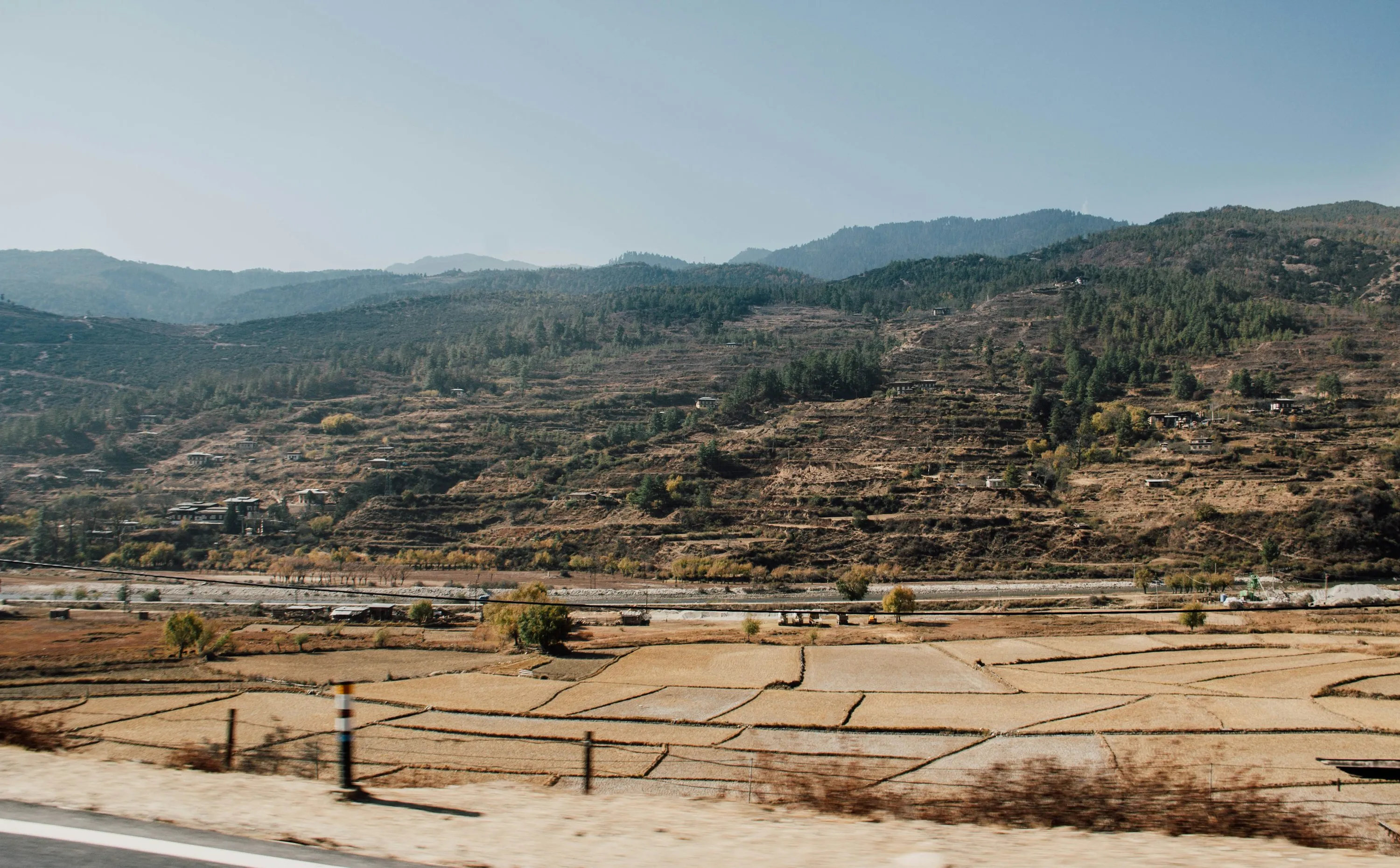



Nestled in the eastern Himalayas, Bhutan offers a profound escape into a world of pristine natural beauty, ancient monasteries perched on cliffs, and a culture deeply rooted in Buddhist principles. For Singaporean travelers accustomed to the bustling, modern metropolis of Singapore—with its gleaming skyscrapers, efficient public transport, and vibrant multicultural scene—Bhutan presents a striking contrast. Here, life unfolds at a slower, more contemplative pace amid rugged mountains and lush valleys, where Gross National Happiness (GNH) guides national policy rather than GDP. Diplomatic relations between Singapore and Bhutan were established in 2002, fostering cooperation primarily in human resource development, with Singapore providing training opportunities for Bhutanese professionals since 1971. While Singapore thrives as a global financial hub with a high GDP per capita of around $127,500, Bhutan prioritizes sustainable development and cultural preservation, boasting a GDP per capita of about $14,000. This relationship underscores shared values of progress and well-being, yet the contrasts—Singapore's urban density versus Bhutan's vast, sparsely populated landscapes spanning 38,394 square kilometers compared to Singapore's 719—make Bhutan an intriguing destination for Singaporeans seeking authenticity and serenity away from the familiar fast-paced island life. Though travel to Bhutan requires careful planning due to its controlled tourism model, the rewards are immense: breathtaking hikes, spiritual encounters, and a chance to disconnect from digital distractions in one of the world's last unspoiled frontiers.

Visa and Entry Requirements
Bhutan's tourism is governed by a unique "high value, low impact" policy, designed to preserve its environment, culture, and way of life by limiting visitor numbers and ensuring that tourism benefits the local economy directly. This means all foreign visitors, including Singaporean citizens, must book their trips through licensed Bhutanese tour operators, who handle the entire visa process on your behalf. Singapore passport holders require a valid visa to enter Bhutan, and it is not possible to obtain one independently or upon arrival without prior arrangements. The process begins when you select a tour operator; they will require a scanned copy of your passport (valid for at least six months from your entry date), a recent digital passport-sized photo, your arrival and departure dates, and payment details for the tour package. Once these are submitted, the operator applies for an eVisa through the Bhutanese government's online portal, which typically takes about 3-5 working days to process. The visa fee itself is US$40 per person for a single-entry permit, valid for the duration of your tour. Importantly, the visa is only issued after full payment of your tour, including the mandatory Sustainable Development Fee (SDF). The SDF, currently set at US$100 per night for non-Indian visitors (reduced from previous rates and valid until August 2027), funds essential services like free education, healthcare, and environmental conservation in Bhutan. This fee is incorporated into your overall tour cost, making trips to Bhutan more premium-priced but ensuring sustainability. Upon approval, you'll receive a visa clearance letter via email, which you must present at check-in for your flight to Bhutan and at immigration upon arrival at Paro International Airport, where the actual visa stamp is affixed to your passport. It's advisable to inform your bank of international transactions to avoid payment issues, and remember that group visas are common for families or friends traveling together, streamlining the process further.
Travel Routes from Singapore to Bhutan
For Singaporean travelers departing from Changi Airport in Singapore, the journey to Bhutan is relatively straightforward but limited by the remote nature of Paro International Airport, one of the world's most challenging due to its high-altitude location surrounded by mountains. Direct flights are available via Drukair, Bhutan's national airline, operating non-stop services from Singapore to Paro twice weekly, typically on Thursdays and Sundays, with a flight duration of approximately 5 hours. These flights are serviced by Airbus A319 or A320neo aircraft, offering a comfortable experience with stunning aerial views of the Himalayas on clear days. If direct flights are unavailable or don't align with your schedule, alternative routes involve transiting through major hubs like Bangkok (Thailand), Kathmandu (Nepal), or Delhi (India). For instance, you could fly Singapore Airlines or Scoot to Bangkok, then connect with Drukair or Bhutan Airlines (the only two carriers permitted to land in Bhutan) for the final leg to Paro, adding about 2-4 hours to the total travel time. Similarly, transits via Kathmandu or Delhi might involve airlines like Nepal Airlines or Air India for the initial segment. Paro Airport's operations are weather-dependent, as pilots must navigate visually through narrow valleys, leading to potential delays or cancellations during monsoon seasons or foggy conditions—realistic expectations include building flexibility into your itinerary, perhaps arriving a day early. Booking should be done well in advance through your tour operator, who can coordinate with Drukair for seamless integration with your visa approval. Fares vary seasonally, but direct flights often range from SGD 800-1,200 round-trip, and it's wise to check for any baggage restrictions, as Bhutanese airlines enforce strict limits due to aircraft constraints.
Best Time to Visit and Seasonality
Bhutan's diverse topography, ranging from subtropical plains to snow-capped peaks over 7,000 meters, creates varied seasonal experiences that significantly influence trip planning for Singaporean visitors, who may be unaccustomed to such dramatic weather shifts. The country has four main seasons: spring (March to May), summer/monsoon (June to August), autumn (September to November), and winter (December to February). Spring brings mild temperatures (10-20°C in valleys) with blooming rhododendrons and clear skies, ideal for trekking and cultural tours, though occasional showers can occur; this period sees moderate crowds and festivals like the Paro Tshechu in April, featuring masked dances honoring Guru Rinpoche. Summer introduces heavy monsoon rains, making roads slippery and increasing landslide risks, with humidity reminiscent of Singapore's but cooler highs of 20-25°C—visitors might encounter leeches on trails, yet it's a lush time for birdwatching and fewer tourists. Autumn stands out as the prime season, with crisp, sunny weather (10-22°C), vibrant festivals such as the Thimphu Tshechu in September/October, and excellent visibility for Himalayan views; however, this popularity means higher crowds at key sites. Winter offers cold, dry conditions (0-15°C, with snow at higher elevations), perfect for low-season tranquility, birding in southern regions, and rafting, but prepare for chilly nights and possible road closures due to ice. For Singaporeans, who enjoy tropical warmth year-round, autumn (September-November) or spring (March-May) are recommended for comfortable weather, optimal activities like hiking to Tiger's Nest, and balanced crowd levels, avoiding the monsoon's disruptions while aligning with school holidays for family trips.
Money, Costs, and Payment Methods
Bhutan's currency is the Ngultrum (BTN), pegged 1:1 to the Indian Rupee (INR), which is also widely accepted, providing a familiar reference for Singaporeans used to dealing with multiple currencies in Southeast Asia. Exchange facilities are available at Paro Airport, major banks like Bank of Bhutan or Bhutan National Bank in towns such as Thimphu and Paro, and some hotels, where you can convert Singapore Dollars (SGD) or US Dollars (USD) at competitive rates—it's advisable to carry crisp USD notes for better exchanges, as SGD might not always yield the best value. ATMs are increasingly common in urban areas, supporting Visa and Mastercard, but reliability can vary in remote regions, with potential fees of BTN 200-500 per withdrawal; international cards work best at Bank of Bhutan or Bhutan National Bank machines. Credit card acceptance is limited to larger hotels, restaurants, and shops in tourist hubs, often with surcharges, so cash remains king for smaller transactions. Tour packages, mandatory for Singaporeans, typically cover accommodations in 3-star or higher hotels, all meals (breakfast, lunch, dinner), private transport, English-speaking guides, and entry fees to sites, but exclude extras like alcoholic beverages, souvenirs, tips (suggested BTN 500-1,000 per day for guides/drivers), laundry, and personal expenses. Overall costs for a week-long tour might range from USD 2,000-3,000 per person, including the SDF, flights extra—budget an additional USD 200-500 for incidentals, and notify your bank of travel to avoid card blocks.
Health, Safety, and Travel Insurance
Traveling to Bhutan involves health considerations distinct from Singapore's urban environment, particularly due to high altitudes averaging 2,000-3,000 meters in popular areas, where acute mountain sickness (AMS) can affect visitors with symptoms like headaches, nausea, and fatigue. Singaporeans, living at sea level, should consult a doctor before departure for advice on acclimatization and possibly preventive medications like acetazolamide. Recommended vaccinations include hepatitis A and B, typhoid, and tetanus boosters, with rabies pre-exposure considered for those planning rural stays or animal interactions, as stray dogs pose a minor risk. Medical facilities are basic outside Thimphu, with Jigme Dorji Wangchuck National Referral Hospital offering decent care, but evacuation for serious issues is common to India or Thailand. Comprehensive travel insurance is non-negotiable, covering medical expenses up to USD 1 million, emergency helicopter evacuation (essential for remote treks), trip cancellation, and baggage loss—ensure policies include high-altitude activities if trekking. Bhutan is remarkably safe, with low crime rates and a peaceful society, but petty theft can occur in crowded festivals; watch for uneven paths, slippery roads during rains, and wildlife. General precautions like drinking bottled water, using insect repellent, and avoiding unpasteurized dairy minimize gastrointestinal issues, allowing you to focus on the enriching experience.
Cultural Etiquette and Social Expectations
Bhutanese society is steeped in Buddhist traditions and a collective emphasis on harmony, requiring Singaporean travelers to adopt a respectful demeanor that aligns with local customs while making minor adjustments from Singapore's more direct, efficiency-driven culture. Modesty in dress is paramount, especially at religious sites like dzongs and monasteries, where long pants or skirts covering the knees, and shirts with sleeves are expected—remove hats, shoes, and sunglasses upon entering, and avoid shorts or revealing clothing to honor the sacred spaces. When interacting with locals or monks, greet with a slight bow and "Kuzuzangpo la" (hello), using both hands to give or receive items as a sign of respect, and never touch someone's head, considered the most sacred body part, or point feet at people or altars, viewed as impure. Photography inside temples is prohibited, and always ask permission before photographing individuals to maintain humility and privacy. Patience and humility are valued virtues; avoid raising your voice or displaying frustration, even in delays, as Bhutanese prioritize politeness over haste—Singaporeans might need to temper their accustomed punctuality and directness, embracing a more serene approach. Gift-giving, such as small tokens from Singapore, fosters goodwill, but refuse offers three times before accepting to show modesty. By observing these nuances, you'll deepen connections and appreciate Bhutan's emphasis on compassion and community.
Connectivity, SIM Cards, Internet Access
In Bhutan, connectivity blends modern conveniences with the limitations of a mountainous terrain, differing from Singapore's seamless high-speed networks, so Singaporean travelers should prepare for intermittent service while appreciating the opportunity for digital detox. Wi-Fi is available in most hotels and some cafes in urban areas like Thimphu and Paro, often free but with varying speeds and reliability—expect slower connections in remote valleys due to infrastructure challenges, and power outages can disrupt access. For mobile data, purchasing a local SIM card upon arrival is recommended; the two main providers, Bhutan Telecom (B-Mobile) and TashiCell, offer tourist SIMs at Paro Airport or their outlets, requiring a passport copy and photo for activation. These prepaid cards, costing around BTN 200-500 (USD 2.50-6), come with data packages (e.g., 5GB for BTN 500, valid 7-30 days) and 4G coverage in major towns, though signals weaken in highlands—opt for B-Mobile for broader reach. Singaporean apps like WhatsApp or Grab work fine, but occasional restrictions on certain services might necessitate a VPN for unrestricted access. Inform your tour operator in advance to assist with purchase, ensuring you stay connected for essentials without overshadowing Bhutan's tranquil ambiance.
Language and Communication
Dzongkha serves as Bhutan's official language, a Sino-Tibetan dialect akin to Tibetan, but English is the medium of instruction in schools and widely spoken in tourism sectors, easing communication for English-proficient Singaporeans. Tour guides, hotel staff, and urban locals converse fluently in English, with about 90% of town dwellers comfortable in it, though rural areas may present barriers where basic Dzongkha phrases like "Kadrinche la" (thank you) prove helpful. Malay-speaking guides are not commonly available, as Bhutan's linguistic focus remains on Dzongkha, English, and regional dialects, but multilingual guides (e.g., Mandarin or Hindi) can be requested through operators for diverse groups. For travelers with limited English, strategies include using translation apps like Google Translate (downloaded offline), gesturing politely, or relying on your guide as an interpreter—most tours mandate licensed guides who bridge cultural gaps effectively. Embracing non-verbal cues, such as smiles and nods, aligns with Bhutanese warmth, turning potential challenges into enriching exchanges.
Packing and Preparation Advice
Packing for Bhutan demands versatility to handle its variable climates, from subtropical warmth in the south to chilly Himalayan highs, contrasting Singapore's consistent humidity and requiring thoughtful preparation for unfamiliar conditions. Layering is key: pack moisture-wicking base layers, long-sleeve shirts, fleece jackets, and a waterproof windbreaker for rain or wind; include thermal underwear, warm socks, gloves, and a hat for cold evenings, especially in winter or at elevations. Comfortable, sturdy hiking boots with good grip are essential for trails like Tiger's Nest, alongside casual shoes for towns—avoid open-toed sandals due to dust and insects. Clothing should be modest: long pants, skirts, and covered shoulders for cultural sites. Personal items include sunscreen (high SPF for intense sun), insect repellent, reusable water bottle (to reduce plastic), quick-dry towel, and toiletries like hand sanitizer, as supplies are limited outside cities. Medications are crucial: bring altitude sickness remedies, pain relievers, anti-diarrheal, and any prescriptions, plus a first-aid kit. Power adapters for types D, G, or M plugs (220-240V), a portable charger for outages, and a headlamp are practical. Other considerations: binoculars for wildlife, ginger chews for nausea, earplugs for noisy stays, and eco-friendly bags—pack light, as tours involve internal drives, and check airline limits.
Bhutan’s Unique Tourism Philosophy
Bhutan's tourism philosophy is intrinsically linked to its pioneering concept of Gross National Happiness (GNH), introduced in the 1970s by the fourth king to prioritize holistic well-being over economic growth alone, shaping policies that favor quality over quantity in visitor experiences. GNH encompasses nine domains, including psychological well-being, cultural diversity, and environmental sustainability, ensuring tourism contributes positively without overwhelming resources. This manifests in the "high value, low impact" model, where the SDF and mandatory guided tours regulate numbers, protecting fragile ecosystems and traditions from mass tourism's pitfalls seen elsewhere. For Singaporean travelers, accustomed to high-volume destinations, this means a more intimate, meaningful engagement—fewer crowds at sacred sites, direct economic benefits to communities, and a focus on immersive cultural exchanges. Bhutan limits modernization to preserve its identity, avoiding over-development like large resorts or invasive infrastructure, instead promoting eco-friendly practices and carbon-neutral goals. Understanding this deeper rationale helps visitors appreciate why Bhutan caps arrivals, fostering a sustainable model that safeguards its biodiversity—home to 70% forest cover—and spiritual heritage for future generations.
Mindset and Expectations for Visitors
Adjusting your mindset for Bhutan involves embracing a slower rhythm of life, far removed from Singapore's efficient, high-tech daily grind, where patience becomes a virtue amid limited infrastructure and a focus on spiritual fulfillment over material luxuries. Expect small, family-run hotels with basic amenities rather than opulent chains, where rooms offer stunning views but might lack 24/7 hot water or air-conditioning—comfort is prioritized through warmth and hospitality, not extravagance. Nightlife is virtually non-existent, with no clubs or late-night scenes; evenings are for stargazing or cultural shows. Shopping is artisanal, without malls or designer brands, emphasizing handmade crafts over consumerism. Infrastructure challenges, like winding roads and occasional delays, underscore the need for flexibility, while the absence of fast food or convenience stores encourages savoring local rhythms. This emphasis on nature, culture, and introspection—hiking ancient trails, meditating in monasteries—rewards those seeking depth, helping Singaporeans recalibrate from urban hustle to mindful presence, ultimately finding joy in simplicity.
Food and Dining Culture
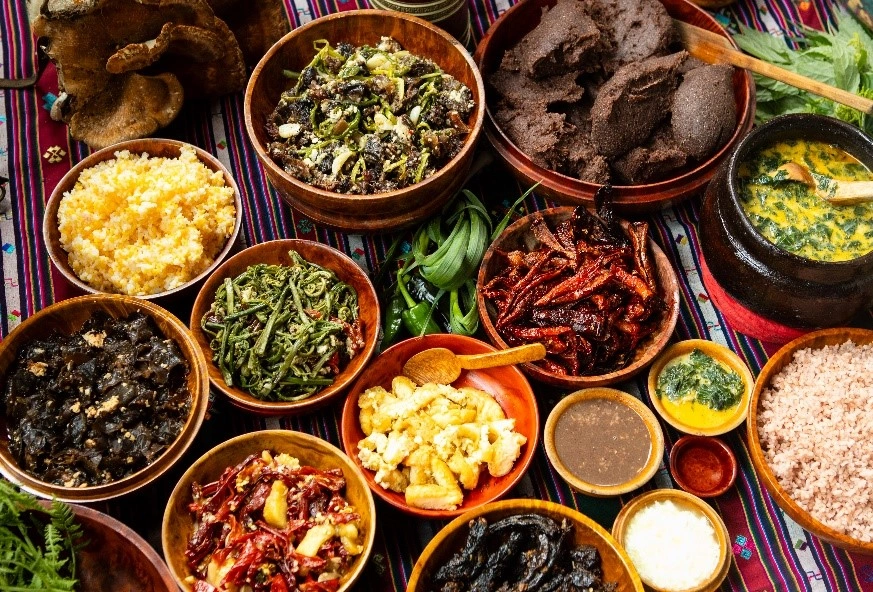
Bhutanese cuisine reflects the kingdom's agrarian roots and Himalayan influences, characterized by bold, spicy flavors, heavy use of cheese, and simple, hearty ingredients that may surprise Singaporean palates accustomed to diverse hawker fare but offer a comforting warmth in cooler climes. Staples include red rice, nutty and nutritious, paired with ema datshi—a fiery chili-cheese stew considered the national dish—or phaksha paa (pork with chilies). Dishes like momos (dumplings filled with meat or vegetables) and jasha maru (spicy chicken stew) highlight fermented elements and local produce, with chilies used as vegetables rather than mere spices, creating a heat level that can be adjusted for tourists. Dining is communal and hospitable, often in family-style settings where multiple courses are served, emphasizing sharing and gratitude—tea (suja, butter tea) or ara (local rice wine) accompanies meals, fostering bonds. Alcohol is available but consumed moderately, aligning with Buddhist moderation. Vegetarians find options in datshi variations or buckwheat noodles, though vegans might need advance requests. This cuisine embodies Bhutanese generosity, turning meals into cultural immersions.
Festivals, Religion, and Sacred Places
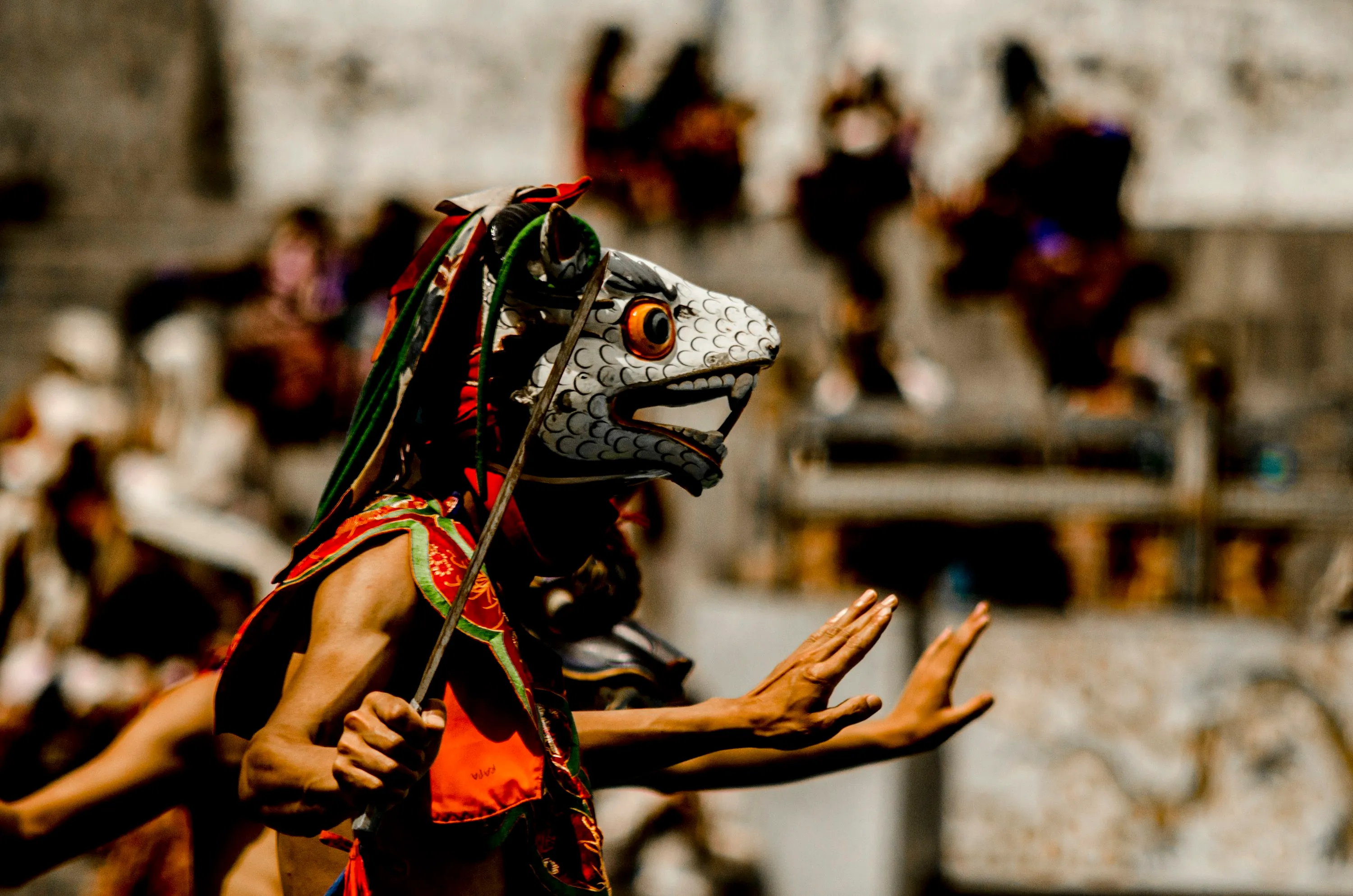
Religion permeates every aspect of Bhutanese life, with Vajrayana Buddhism shaping daily routines, architecture, and festivals, offering Singaporean visitors a window into profound spirituality unlike the secular multiculturalism back home. Sacred places like dzongs (fortress-monasteries) and lhakhangs (temples) are living centers of worship, where visitors must dress modestly, walk clockwise around stupas, and maintain silence to respect ongoing rituals. Festivals, or tshechus, held annually in each district on the 10th day of the lunar month, honor Guru Rinpoche through masked dances (cham), music, and blessings, such as the Thimphu Tshechu in autumn, drawing locals in traditional attire for communal celebration. These events provide deeper cultural insights, revealing stories of good triumphing over evil, and contribute to understanding Bhutan's emphasis on karma and compassion. Rules include no photography inside sacred halls, accepting blessings graciously, and participating mindfully—such experiences enrich the soul, fostering a sense of interconnectedness.
Hidden Challenges and Practical Inconveniences
While Bhutan's allure lies in its authenticity, travelers encounter subtle challenges that test adaptability, framing them as integral to the charm rather than flaws, especially for Singaporeans used to seamless infrastructure. Road conditions are often winding and unpaved, leading to bumpy drives and potential motion sickness, with monsoon landslides causing delays—patience is key, as journeys become scenic adventures. Itinerary changes due to weather or festivals are common, requiring flexibility from your guide. Power outages occur sporadically, particularly in rural areas, so carry a flashlight and power bank. Service can feel slow by Singapore standards, reflecting a relaxed pace where relationships matter more than speed. Uneven sidewalks, lack of elevators in buildings, and basic sanitation in remote spots add physical demands, but these elements enhance the raw, unpolished appeal, encouraging mindfulness and appreciation for Bhutan's preserved essence.
Shopping and Souvenirs
Shopping in Bhutan centers on authentic handicrafts and cultural artifacts, a far cry from Singapore's malls, with markets in Thimphu and Paro offering handwoven textiles like kira and gho fabrics, Thangka paintings, wooden masks, and bamboo products that embody local artistry. Incense, prayer flags, and Himalayan beads make meaningful souvenirs, often sourced from cooperatives supporting artisans. Authenticity is high, but check for government seals on antiques to avoid export issues. Bargaining is mild and respectful, unlike aggressive haggling elsewhere—start with a smile and negotiate modestly, as prices reflect fair trade. Duty-free is minimal at the airport, focusing on local liquors or stamps, emphasizing quality mementos over quantity.
Altitude Awareness and Physical Preparedness
Altitude in Bhutan varies from 150 meters in the south to over 4,000 in passes, posing risks of AMS for sea-level dwellers like Singaporeans, with symptoms emerging above 2,500 meters during drives or treks. Common signs include headache, dizziness, and shortness of breath; precautions involve ascending gradually, allowing 2-3 days acclimatization in Paro (2,200m) before higher activities, staying hydrated (3-4 liters daily), avoiding alcohol, and eating light carbs. Physical preparedness means moderate fitness—walk daily pre-trip—and consulting doctors for conditions like heart issues. During tours, pace yourself, use oxygen if needed, and descend if symptoms worsen, turning awareness into safe enjoyment.
Security, Safety, and Emergency Information
Bhutan remains one of Asia's safest destinations, with negligible crime and a respectful populace, reassuring Singaporean travelers, though practical vigilance applies. Low theft risks exist in crowds, so secure belongings; natural hazards like stray dogs (avoid feeding) and terrain demand caution. Local laws prohibit smoking in public (fines apply) and require respect for monarchy. Emergency contacts: police 113, ambulance 112, fire 110, disaster 999—your guide assists, and Singapore's embassy in New Delhi covers Bhutan via India. Carry insurance details and heed advisories for a secure visit.
Photography and Drones
Photography in Bhutan captures its splendor, but rules protect sacred and sensitive areas: no photos inside temples, dzongs, or government buildings without permission, and always ask locals before shooting to respect privacy. Drones are restricted; tourists must obtain permits from the Bhutan Civil Aviation Authority in advance, declaring at customs—recreational flights limited to 90 meters height, away from crowds or restricted zones, with potential confiscation for non-compliance. Focus on ethical practices for memorable images.
What Bhutan Does Not Have
Bhutan's deliberate preservation means an absence of modern trappings like skyscrapers, fast-food chains, casinos, or expansive shopping centers, which Singaporeans might miss but ultimately enhances its unique charm as a haven of tranquility and tradition. No McDonald's or Starbucks dot the landscape; instead, local eateries prevail. This lack underscores Bhutan's commitment to cultural integrity over commercialization.
Important Questions to Ask Before Booking a Tour
Before confirming your Bhutan tour with a licensed operator, it's essential to pose thoughtful questions to ensure the experience aligns with your preferences, as Singaporean travelers often value customization and reliability. Start by inquiring about the guide: "What are the qualifications and language skills of the assigned guide? Do they speak fluent English, and can a multilingual option be arranged if needed?" This ensures clear communication throughout. On flexibility: "How adaptable is the itinerary to weather changes or personal interests, such as adding a short trek or cultural workshop?" Discuss accommodations: "What standard of hotels are included—3-star or upgrades—and do they offer Wi-Fi, hot water, and dietary options like halal or vegetarian meals?" Food is key, so ask: "Are meals tailored for spice levels or allergies, and what typical dishes will we encounter?" For emergencies: "What protocols are in place for medical issues, including altitude sickness, and does the operator provide oxygen or first-aid?" Connectivity matters: "Can you assist with purchasing a local SIM card upon arrival, and what data packages are recommended?" Language barriers: "If English is limited, how will interactions in rural areas be handled?" Tipping: "What is the expected tipping amount for guides and drivers, and is it included?" Finally, insurance: "Does the tour require specific travel insurance, and what coverage do you recommend for evacuation?" These queries foster transparency, tailoring your journey for maximum enjoyment.
Conclusion
In reflection, Bhutan stands as a rare gem for Singaporean travelers, offering a sanctuary of cultural depth, untouched natural beauty, and spiritual peace that contrasts sharply with the commercial vibrancy of home. By choosing Bhutan, you invest in transformative experiences—meditating amid ancient fortresses, trekking verdant trails, and connecting with a society where happiness is measured in moments of harmony. This destination rewards those seeking respite from fast-paced life, inviting you to return enriched and inspired.