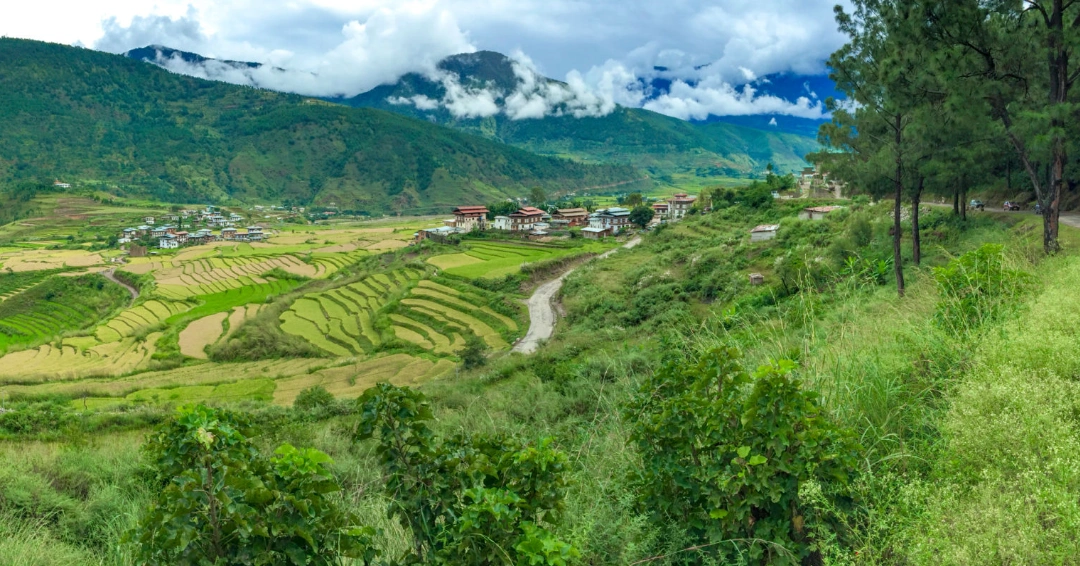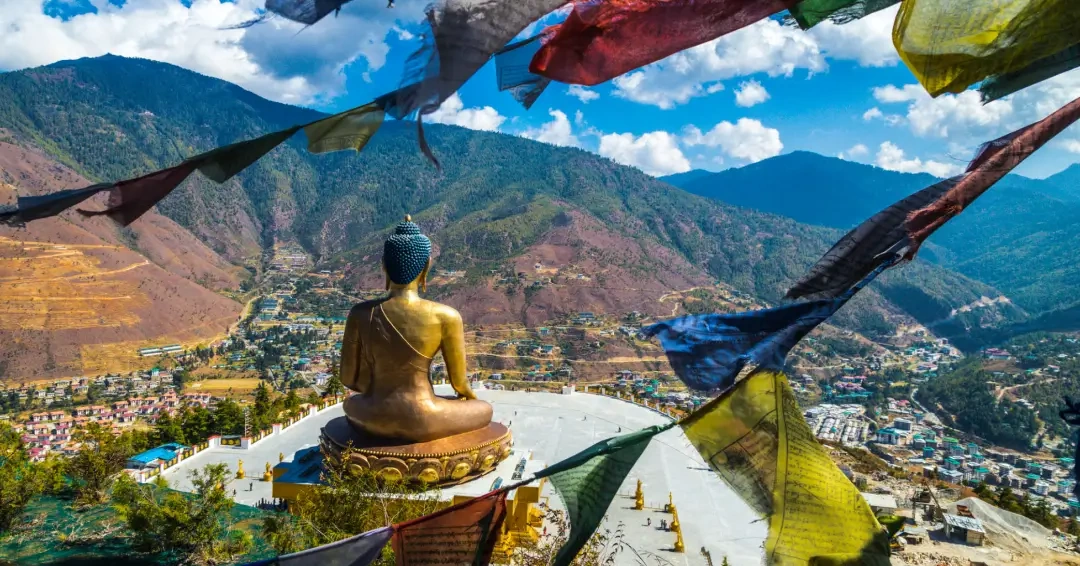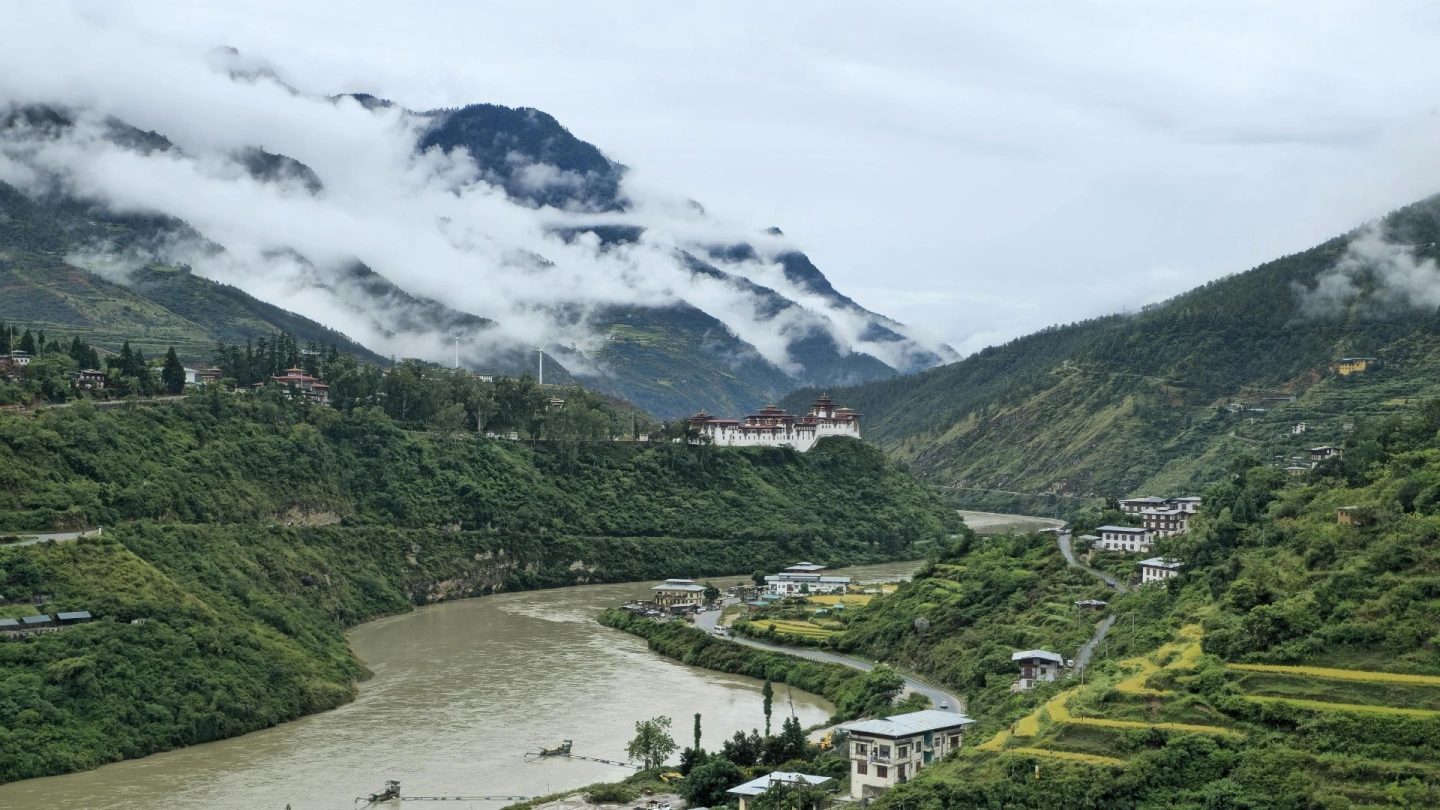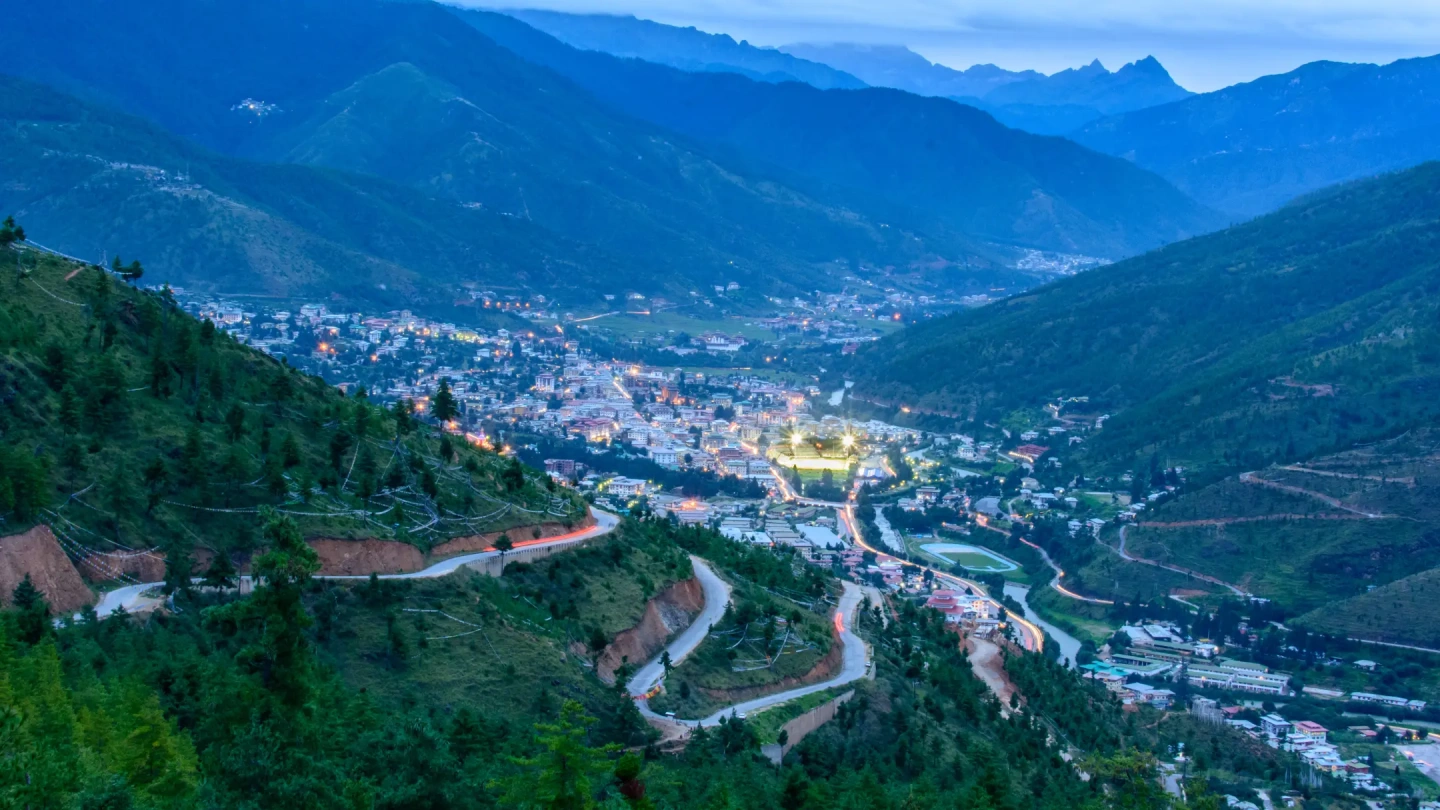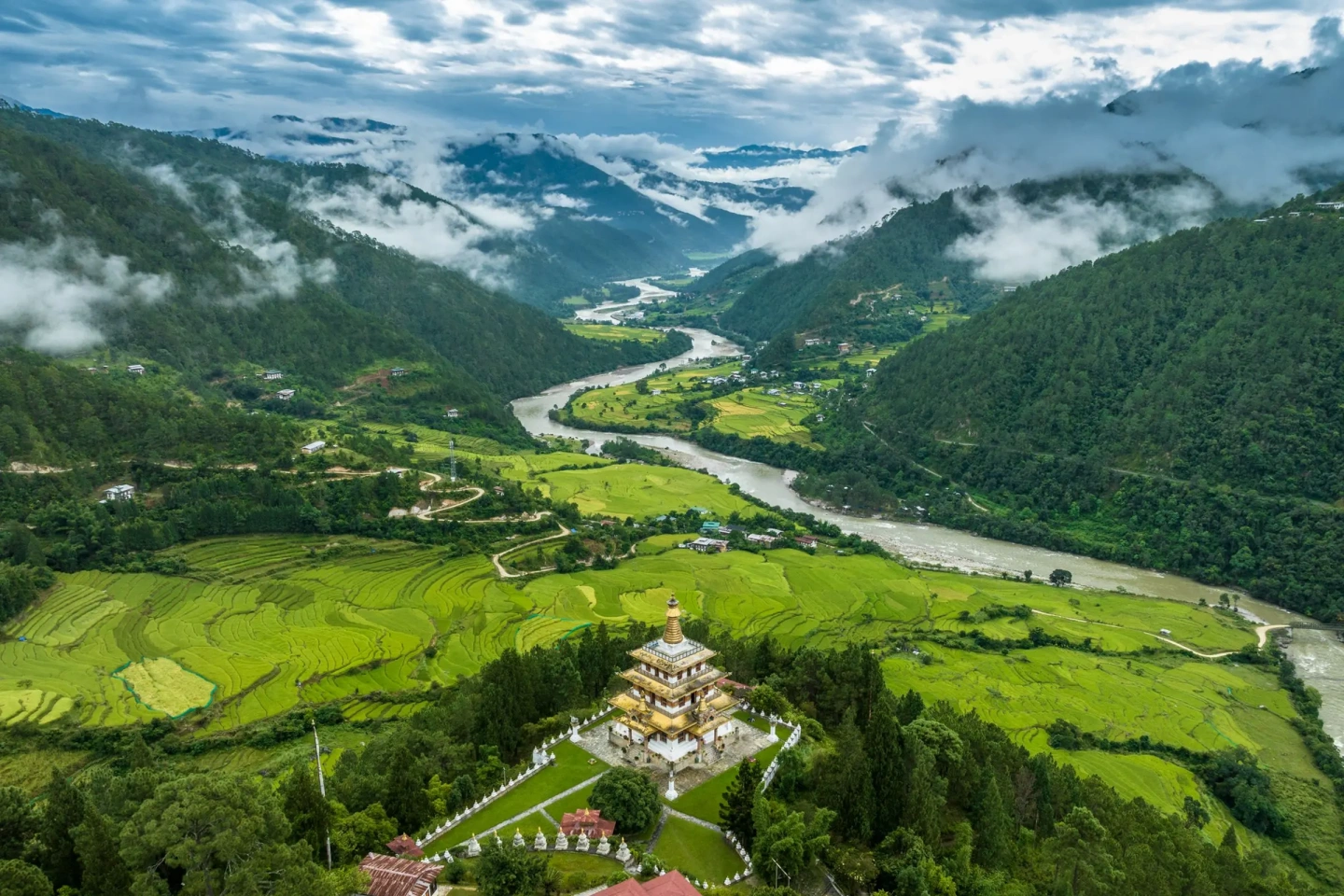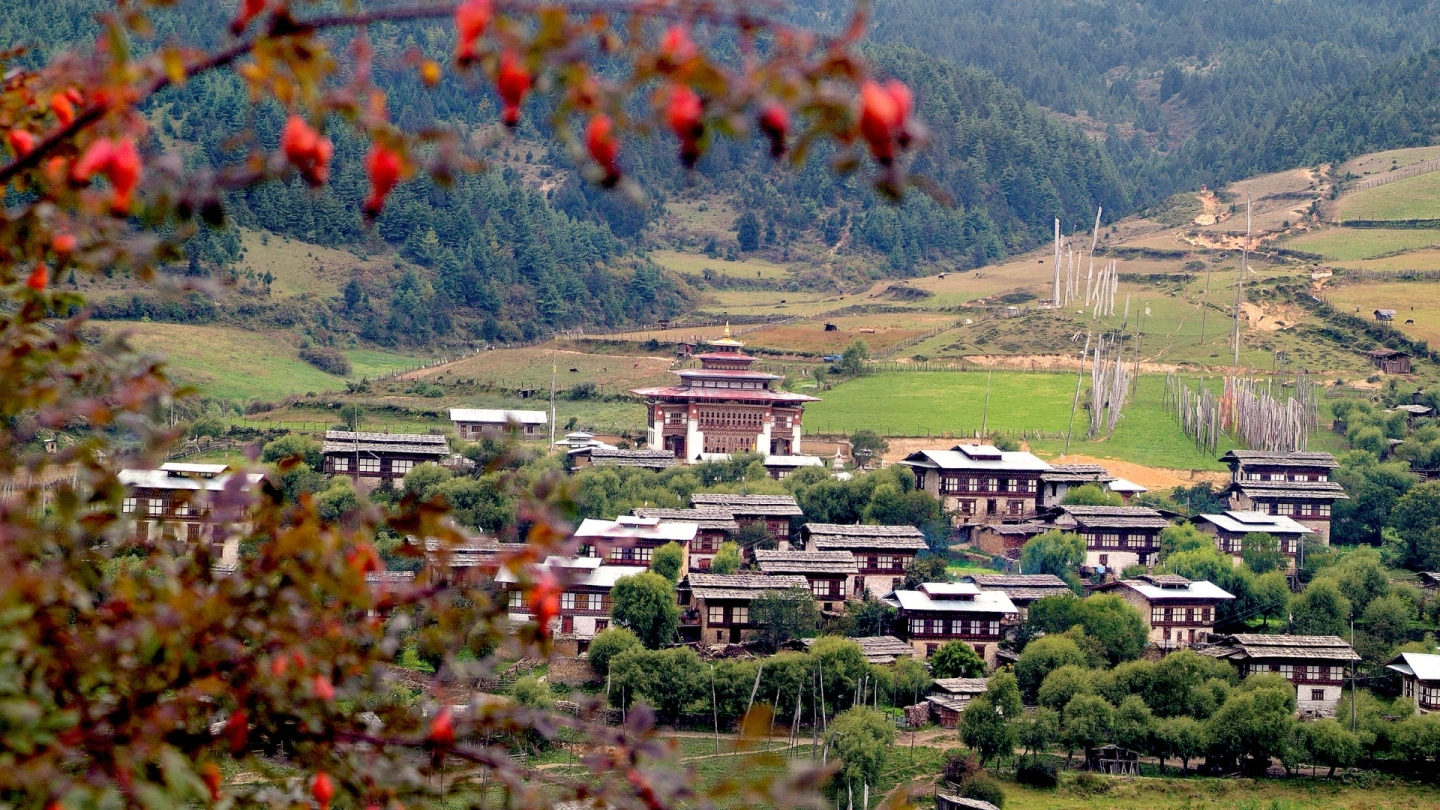



Nestled in the eastern Himalayas, Bhutan is a land of breathtaking natural beauty, ancient monasteries perched on cliffs, and a profound commitment to preserving its cultural heritage and environment. Often called the "Land of the Thunder Dragon," this small kingdom offers travelers an authentic experience far removed from the hustle of modern tourism, where misty valleys, snow-capped peaks, and vibrant festivals create a sense of timeless wonder. For Burundian travelers, venturing to Bhutan represents a journey across continents—from the rolling hills and lakes of East Africa to the rugged mountains of South Asia—yet it holds intriguing parallels and contrasts. Both Bhutan and Burundi are landlocked nations with populations under a million, relying on agriculture and facing challenges in development while prioritizing community and resilience. However, while Burundi grapples with post-conflict recovery and a tropical climate supporting coffee and tea exports, Bhutan emphasizes sustainable growth through its philosophy of Gross National Happiness, maintaining over 70% forest cover and being the world's first carbon-negative country. Diplomatic relations between the two are cordial but limited, conducted through United Nations channels and mutual membership in international bodies, with no direct embassies but shared interests in global peace and environmental conservation. This guide, crafted as if by an experienced Bhutanese travel consultant, aims to equip Burundian visitors with a deep understanding of Bhutan, blending practical advice with cultural insights to ensure a respectful and enriching adventure in this Himalayan gem.
Visa and Entry Requirements
Bhutan's tourism policy is uniquely designed to promote high-value, low-impact travel, ensuring that every visitor contributes positively to the kingdom's development while minimizing environmental and cultural strain. This controlled approach mandates that all foreign tourists, including those from Burundi, must book their trips through licensed Bhutanese tour operators, who handle the entire visa process on behalf of the traveler. For Burundian citizens, obtaining a visa begins with selecting a reputable operator registered with the Tourism Council of Bhutan; they will require a scanned copy of your passport (valid for at least six months beyond your intended stay), a recent passport-sized photo, proof of travel insurance, and details of your itinerary. The operator submits these documents to the Department of Immigration, typically securing visa approval within 3-5 working days, after which an e-visa or visa clearance letter is issued via email. Upon arrival at Paro International Airport or a land border, this letter is presented along with your passport to receive the actual visa stamp, valid for the duration of your tour. Payment for the tour, including the Sustainable Development Fee (SDF) of USD 100 per person per night for adults (with concessions for children: free for under 6, USD 50 for ages 6-12), must be made in advance to the operator, as it is directly tied to visa issuance—this fee funds Bhutan's free education, healthcare, and conservation efforts, effectively making your visit an investment in the nation's future. Burundian travelers should note that while e-visas are available online for preliminary steps, the tour operator's involvement is non-negotiable, and failure to comply could result in denial of entry, emphasizing Bhutan's commitment to regulated tourism that protects its pristine landscapes and traditions.
Travel Routes from Burundi to Bhutan
Traveling from Burundi to Bhutan involves multiple flights and transits, as there are no direct routes connecting the two countries, requiring careful planning to navigate the journey across Africa and Asia. From Bujumbura, Burundi's capital and main international airport (Bujumbura International Airport, BJM), the most common itineraries involve flying to major hubs like Nairobi in Kenya or Addis Ababa in Ethiopia before connecting to Asian gateways such as Delhi in India, Bangkok in Thailand, or Kathmandu in Nepal. For instance, you might board a Kenya Airways flight from Bujumbura to Nairobi, then transfer to an Oman Air or Ethiopian Airlines service to Muscat or Dubai, and finally connect to Drukair (Bhutan's national carrier) or Bhutan Airlines for the final leg to Paro International Airport (PBH), the kingdom's sole international gateway. These airlines are the only ones authorized to operate into Paro, known for its challenging approach amid towering mountains, where pilots must be specially trained for the short runway and potential weather disruptions like fog or high winds, which can cause delays or diversions to nearby airports. Realistic expectations include booking flights at least 2-3 months in advance, especially during peak seasons, with total travel time ranging from 20 to 30 hours including layovers; costs can vary from USD 1,000 to 2,000 round-trip depending on the season and connections. Burundian travelers should confirm baggage allowances, as smaller aircraft on the final segment may limit weights to 20-30 kg, and prepare for possible overnight stays in transit cities to avoid fatigue, ensuring a smoother arrival into Bhutan's serene highlands.
Best Time to Visit and Seasonality
Bhutan's seasons dramatically influence the travel experience, with its Himalayan terrain creating varied weather patterns that affect everything from visibility for sightseeing to the feasibility of outdoor activities. Spring (March to May) brings mild temperatures averaging 10-20°C in valleys, blooming rhododendrons and jacarandas painting the landscapes in vibrant colors, and fewer crowds, making it ideal for trekking and cultural exploration; this period also features festivals like the Paro Tshechu in April, where masked dances and religious rituals offer a window into Bhutanese spirituality. Summer (June to August) introduces the monsoon, with heavy rains up to 500mm monthly in southern regions, leading to lush greenery but potential roadblocks from landslides and leech-infested trails—however, it's a time for mushroom foraging and quieter visits to sites like Punakha Dzong. Autumn (September to November) is widely regarded as the prime season, with clear skies, crisp air (5-15°C), and harvest festivals such as the Thimphu Tshechu, drawing visitors for unobstructed mountain views and moderate weather perfect for hikes. Winter (December to February) sees colder conditions, dropping to -5°C in higher altitudes with occasional snowfall, but offers serene, crowd-free experiences and events like the Trongsa Tshechu, though passes may close due to ice. For Burundian tourists accustomed to equatorial warmth, autumn or spring are recommended to avoid monsoon humidity or winter chills, balancing comfortable weather, festival highlights, and lower tourist numbers for a more intimate connection with Bhutan's natural and cultural rhythms.
Money, Costs, and Payment Methods
Understanding Bhutan's financial landscape is crucial for seamless travel, as the kingdom's economy blends traditional practices with modern conveniences while maintaining a focus on sustainability. The official currency is the Bhutanese Ngultrum (BTN), pegged 1:1 to the Indian Rupee (INR), which is also widely accepted; Burundian travelers are advised to exchange Burundian Francs (BIF) for USD or INR before departure, as direct exchanges are rare in Bhutan. ATMs are available in major towns like Thimphu, Paro, and Punakha, accepting Visa and Mastercard with a typical withdrawal limit of BTN 10,000-20,000 per transaction, though rural areas may lack them, so carrying sufficient cash in small denominations is wise. Credit cards are accepted at larger hotels and some shops, but cash remains king for local markets and tips; USD is particularly useful for larger payments, as it's exchangeable at banks and hotels at favorable rates. Tour prices, mandated by the government, generally include accommodations, meals (three per day), transportation, a licensed guide, and entry fees, starting from USD 250-300 per day per person (plus SDF), but extras like alcoholic beverages, souvenirs, laundry, and optional activities such as hot stone baths or archery sessions are out-of-pocket. Burundian visitors should budget an additional USD 50-100 daily for personal expenses, noting that tipping guides and drivers (BTN 500-1,000 per day) is customary but not obligatory, ensuring your funds support local communities without unexpected shortfalls.
Health, Safety, and Travel Insurance
Health and safety considerations in Bhutan revolve around its high-altitude environment and remote locales, demanding proactive preparation to fully enjoy the kingdom's wonders. Altitude sickness is a primary concern, as many sites sit above 2,500 meters, potentially causing headaches, nausea, or fatigue; preventive measures include gradual acclimatization, hydration, and avoiding alcohol initially. Recommended vaccinations for Burundian travelers include hepatitis A and B, typhoid, tetanus, and rabies (due to stray dogs), with malaria prophylaxis unnecessary but insect repellent advised for lower valleys. Medical facilities are basic outside Thimphu, where Jigme Dorji Wangchuck National Referral Hospital offers competent care, but for serious issues, evacuation to India or Thailand may be required—hence, comprehensive travel insurance covering medical emergencies, evacuation (up to USD 100,000), and trip cancellation is essential, as Bhutan mandates it for visa approval. The kingdom boasts remarkably low crime rates, with its Buddhist ethos fostering a safe atmosphere, though petty theft in crowded festivals or slips on uneven mountain paths pose minor risks; stray dogs can be aggressive, so carrying a stick during walks is prudent. Overall, Bhutan's peaceful society and vigilant tour guides ensure a secure visit, allowing Burundian explorers to focus on the spiritual and natural serenity rather than worries.
Cultural Etiquette and Social Expectations
Navigating Bhutanese cultural etiquette requires a gentle adjustment for Burundian travelers, whose vibrant communal traditions can align beautifully with Bhutan's emphasis on respect, humility, and harmony. Rooted in Vajrayana Buddhism, social norms prioritize modesty and patience; when visiting temples, monasteries, or dzongs, dress conservatively with long pants, covered shoulders, and no hats or sunglasses indoors, removing shoes before entering sacred spaces and walking clockwise around stupas or prayer wheels as a sign of reverence. Photography inside religious sites is prohibited to preserve sanctity, and speaking softly while avoiding pointing at statues or monks demonstrates mindfulness. Public displays of affection are uncommon, and humility shines through in greetings—use "Kuzuzangpo la" (hello) with a slight bow, accepting offerings like tea with both hands. Burundian customs of warm hospitality may need tempering with Bhutan's understated demeanor; for instance, while Burundians might engage in lively debates, Bhutanese value serene dialogue, so practicing patience during slower-paced interactions fosters deeper connections. Embracing these nuances not only shows respect but enriches the experience, allowing visitors to immerse in a society where collective well-being trumps individualism.
Connectivity, SIM Cards, Internet Access
Staying connected in Bhutan blends modern telecommunications with the kingdom's rugged terrain, where coverage varies but is generally reliable in populated areas. Wi-Fi is available in most hotels and cafes in towns like Thimphu and Paro, often free but with speeds suitable for basic browsing rather than streaming; rural spots may have intermittent access, so downloading maps or apps beforehand is advisable. For mobile connectivity, Burundian travelers can purchase tourist SIM cards from B-Mobile (Bhutan Telecom) or TashiCell, the two main providers, upon arrival at Paro Airport or in major cities—these offer affordable data packages (e.g., 2-3 GB for BTN 300-500, valid 7-30 days) with 4G coverage in valleys but spotty signals in mountains. To acquire one, present your passport and visa at authorized outlets; activation is quick, and top-ups are easy via scratch cards or apps. Note that some Burundian apps or services might face geo-restrictions due to Bhutan's limited international bandwidth, making a VPN useful for unrestricted access. This setup ensures you can share your Himalayan adventures while respecting local norms against excessive device use in sacred places.
Language and Communication
Language barriers in Bhutan are minimal for tourists, thanks to the prevalence of English in the tourism sector, though understanding local dialects adds depth to interactions. The national language is Dzongkha, spoken in western regions, with over 19 regional tongues like Sharchop in the east, but English is the medium of instruction in schools and widely used by guides, hotel staff, and younger generations. Licensed tour guides, mandatory for all visitors, are fluent in English, ensuring clear explanations of cultural sites and history; however, French-speaking guides are rare, as tourism primarily caters to English, Hindi, or Mandarin speakers—Burundian travelers proficient in French or Kirundi may need to rely on English or simple gestures in remote villages. For those with limited English, carrying a phrasebook or translation app helps with basics like "Tashi Delek" (greetings) or "Ga chi mo?" (how much?), while non-verbal cues such as smiles and nods bridge gaps. Embracing patience and learning a few Dzongkha words fosters goodwill, turning potential challenges into opportunities for genuine cultural exchange.
Packing and Preparation Advice
Packing for Bhutan demands versatility to handle its diverse climates, from warm valleys to chilly high passes, ensuring comfort amid unpredictable Himalayan weather. Layering is key: include breathable base layers, fleece jackets, waterproof windbreakers, and a down jacket for evenings or higher altitudes where temperatures can drop below freezing. Sturdy, broken-in hiking boots with good grip are essential for treks and uneven paths, paired with woolen socks, while lightweight pants, long-sleeved shirts, and scarves respect cultural modesty at religious sites. Don't forget rain gear like ponchos or umbrellas for monsoons, sun protection including hats, sunglasses, and high-SPF sunscreen to combat intense UV rays at elevation, and insect repellent for lower regions. Personal items should cover medications (altitude sickness remedies like Diamox, pain relievers, and any prescriptions), a reusable water bottle for hydration, power adapters (Type D/F/G plugs, 230V), a headlamp for potential outages, and snacks like energy bars if dietary needs differ from spicy Bhutanese fare. Burundian travelers unfamiliar with cold snaps should pack thermal underwear and gloves, plus a daypack for excursions, ensuring luggage stays under airline limits while preparing for a journey that blends adventure with spiritual reflection.
Bhutan’s Unique Tourism Philosophy
At the heart of Bhutan's tourism lies the philosophy of Gross National Happiness (GNH), a visionary framework introduced by the Fourth King in the 1970s, prioritizing holistic well-being over economic growth alone. GNH encompasses four pillars—good governance, sustainable development, cultural preservation, and environmental conservation—shaping policies that limit visitor numbers through the SDF and mandatory guided tours, ensuring tourism enhances rather than erodes the kingdom's essence. This cautious approach prefers quality over quantity, attracting discerning travelers who value immersive experiences, such as witnessing monastic life or hiking pristine trails, rather than mass influxes that could strain resources. For Burundian visitors, understanding GNH reveals why Bhutan resists unchecked modernization: it safeguards biodiversity (with constitutional mandates for 60% forest cover), promotes equitable opportunities, and maintains traditions like archery and weaving amid global pressures. This philosophy fosters a tourism model where every guest contributes to community projects, offering a profound lesson in balanced progress that resonates with Burundi's own aspirations for sustainable development.
Mindset and Expectations for Visitors
Adjusting your mindset for Bhutan involves embracing a slower, more contemplative pace of life, where the focus shifts from material luxuries to inner fulfillment and natural harmony. Unlike bustling urban centers, Bhutan offers modest infrastructure—roads may wind narrowly through mountains, leading to longer travel times, and accommodations are often cozy family-run hotels or eco-lodges rather than opulent resorts, emphasizing authenticity over extravagance. Expect an absence of nightlife, high-end shopping malls, or fast-paced entertainment; instead, evenings might involve stargazing under clear skies or sharing stories around a bukhari stove. Burundian travelers, accustomed to communal gatherings and natural beauty, will find parallels in Bhutan's village hospitality, but should prepare for limited Wi-Fi, occasional power cuts, and a diet centered on simple, organic meals. This emphasis on nature, culture, and spirituality—hiking to Tiger's Nest Monastery or meditating in ancient temples—rewards those seeking rejuvenation, reminding visitors that true happiness stems from presence and connection rather than convenience.
Food and Dining Culture
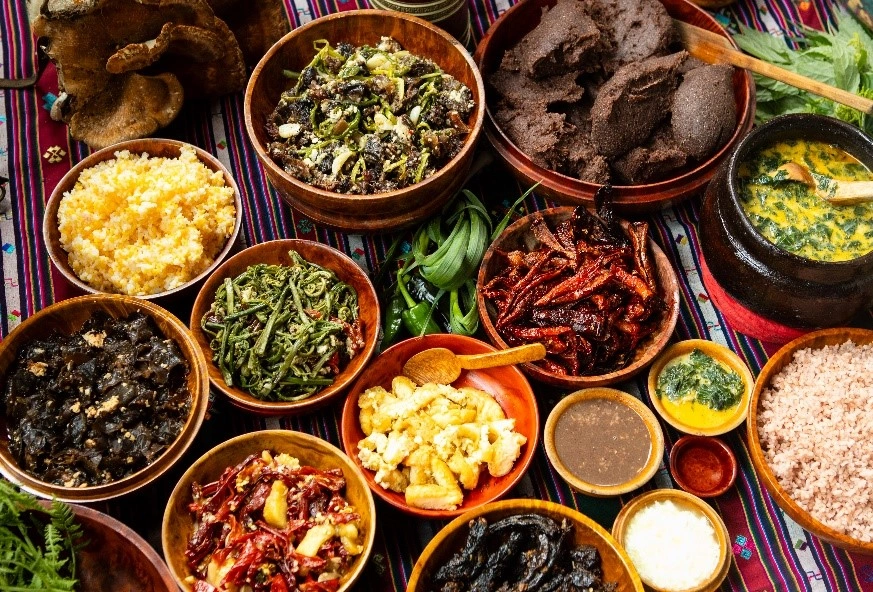
Bhutanese cuisine reflects the kingdom's agrarian roots and Himalayan influences, characterized by bold, spicy flavors, generous use of cheese, and simple, hearty ingredients that embody communal warmth and hospitality. Staples like red rice, nutty and nutritious, accompany most meals, often paired with ema datshi—a fiery stew of chilies and yak cheese that's the national dish, symbolizing Bhutan's love for heat as a vegetable rather than mere seasoning. Other common offerings include phaksha paa (pork with radish and chilies), momos (dumplings filled with meat or vegetables), and buckwheat pancakes in eastern regions, all emphasizing fresh, organic produce from local farms. Dining is a social affair, with meals served family-style on low tables, encouraging sharing and conversation; butter tea (suja), salty and warming, is a staple beverage, while ara (homemade rice wine) adds festivity to gatherings, though moderation aligns with Buddhist principles. For Burundian palates used to staples like beans and plantains, Bhutan's cheese-heavy, spicy profile may require adjustment, but its role in hospitality—hosts offering seconds as a sign of care—mirrors African communal eating, turning every meal into a cultural bridge.
Festivals, Religion, and Sacred Places
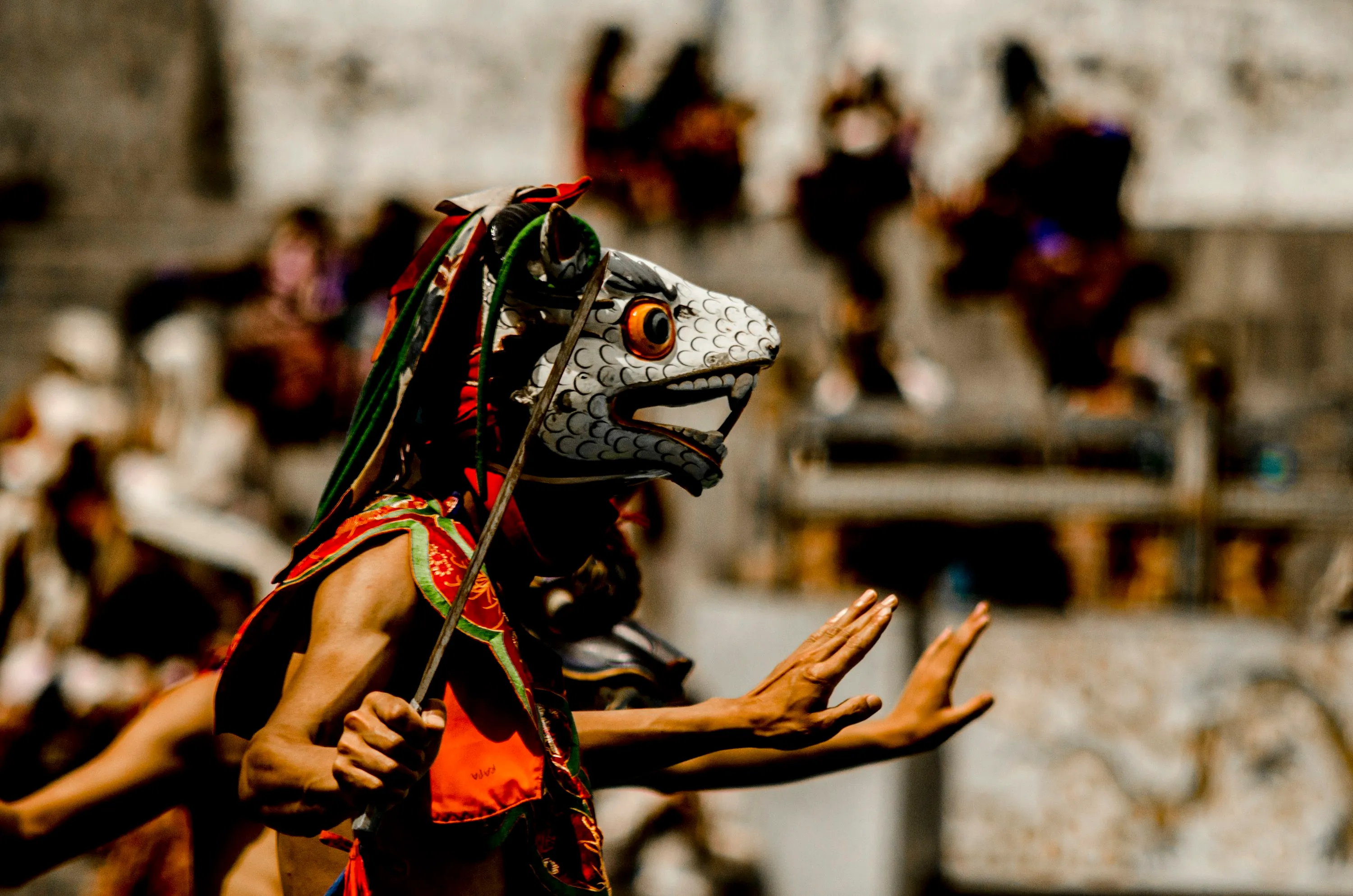
Religion permeates every aspect of Bhutanese life, with Vajrayana Buddhism guiding daily practices and festivals that blend spirituality, community, and artistry. Sacred sites like dzongs and monasteries serve as living centers of worship, where visitors witness monks in crimson robes chanting scriptures or spinning prayer wheels, fostering a deeper appreciation for karma and compassion. Festivals, known as Tshechus, honor Guru Rinpoche, the saint who introduced Buddhism, featuring elaborate masked dances (cham) depicting moral tales, accompanied by cymbals and horns in colorful courtyards—these events, held annually in each district (e.g., Paro Tshechu in spring), draw locals in traditional attire, offering outsiders a vibrant immersion. Rules at sacred places include modest dress, silence, and clockwise circumambulation, ensuring respect for the divine; such experiences illuminate Bhutan's cultural depth, where religion isn't confined to rituals but inspires environmental stewardship and social harmony, enriching Burundian travelers' perspectives on faith and unity.
Hidden Challenges and Practical Inconveniences
While Bhutan's allure lies in its unspoiled charm, travelers may encounter subtle challenges that, when viewed positively, enhance the adventure's authenticity. Service can be unhurried, reflecting a culture that values mindfulness over speed—meals might arrive leisurely, inviting savoring rather than rushing. Itinerary changes are common due to weather, with monsoon rains causing road delays or festival shifts, teaching flexibility and appreciation for nature's rhythms. Power outages occur occasionally, especially in remote areas, but candlelit evenings foster intimate connections. Winding roads, often single-lane with sheer drops, demand patience during long drives, yet they reveal stunning vistas that reward the journey. These inconveniences, far from flaws, are integral to Bhutan's essence, encouraging Burundian visitors to embrace serenity and view them as opportunities for personal growth amid the kingdom's timeless beauty.
Shopping and Souvenirs
Shopping in Bhutan offers a window into artisanal traditions, focusing on handmade goods rather than commercial excess, with markets in Thimphu and Paro brimming with authentic treasures. Handwoven textiles like kira (women's wrap) and gho (men's robe) fabrics, crafted from yak wool or silk in intricate patterns, make meaningful souvenirs, symbolizing cultural pride. Other favorites include wooden masks, prayer flags, incense from Himalayan herbs, Thangka paintings of Buddhist deities, and bamboo crafts, all sourced from local cooperatives ensuring fair trade. High-end malls are absent, replaced by weekend markets where bargaining is mild—polite negotiation might reduce prices by 10-20%, but fixed rates prevail in government emporiums guaranteeing authenticity. Burundian shoppers should seek certification for genuine items, avoiding fakes, and remember export restrictions on antiques, turning purchases into cherished reminders of Bhutan's craftsmanship.
Altitude Awareness and Physical Preparedness
Bhutan's elevations, ranging from 200 to over 7,000 meters, necessitate altitude awareness to prevent discomfort and ensure enjoyable explorations. Symptoms like shortness of breath, dizziness, or insomnia can affect anyone, regardless of fitness, so acclimatization is vital—spend initial days in lower valleys like Paro (2,200m) before ascending. Hydration (3-4 liters daily), light meals, and avoiding exertion help, with medications like acetazolamide available if prescribed. Physical preparation involves cardio exercises like hiking or stair-climbing weeks prior, building stamina for treks; Burundian travelers, from lower altitudes, should pace activities, listening to their bodies and guides. This readiness transforms potential hurdles into triumphs, allowing full immersion in Bhutan's lofty landscapes.
Security, Safety, and Emergency Information
Bhutan's reputation as one of the safest destinations stems from its low crime and strong community bonds, reaffirming a secure environment for exploration. Petty incidents are rare, but vigilance with belongings in crowds is wise; local laws prohibit smoking in public (fines apply) and require respect for monarchy and religion. Emergency contacts include police at 113, ambulance at 112, and fire at 110; for Burundians, the nearest embassy is in New Delhi, India, reachable via +91-11-2419-8000 for consular aid. Tour operators provide 24/7 support, ensuring prompt assistance, allowing focus on the kingdom's tranquility.
Photography and Drones
Photography in Bhutan captures its stunning vistas, but rules protect sacred and sensitive areas—exteriors of dzongs and landscapes are fine, but interiors of temples and monasteries prohibit flashes or photos to maintain sanctity. Always ask permission before photographing locals, respecting privacy especially during rituals. Drones are strictly regulated; tourists must obtain prior approval from the Civil Aviation Authority, with bans near religious sites, airports, and government buildings—violations can lead to confiscation. This mindful approach ensures photography enhances rather than intrudes on Bhutan's heritage.
What Bhutan Does Not Have
Bhutan's deliberate preservation of its identity means an absence of elements common elsewhere, such as skyscrapers piercing the skyline or fast-food chains dotting streets—these omissions preserve architectural harmony and promote healthy, local eating. No casinos or bustling malls exist, steering focus toward meaningful pursuits like hiking or cultural immersion, framing such lacks as strengths that amplify the kingdom's unique, uncommercialized charm.
Important Questions to Ask Before Booking a Tour
Before committing to a Bhutan tour, Burundian travelers should engage in thoughtful dialogue with operators to align expectations and ensure a tailored experience. Start by inquiring about the guide's qualifications and language skills—will they speak fluent English, and can they accommodate any French preferences, given Burundi's linguistic background? Delve into itinerary flexibility: how adaptable is the schedule to weather changes or personal interests, such as extending time at festivals or adjusting for altitude concerns? Ask about accommodations in detail—what standards can you expect, from eco-lodges to heritage hotels, and are there options for dietary preferences like less spicy meals to suit unfamiliar palates? Probe emergency protocols: what medical support is available, including evacuation plans, and does the operator assist with mandatory travel insurance? Inquire about SIM cards and connectivity—will they help procure a local SIM upon arrival, and what's the Wi-Fi reliability en route? Discuss tipping customs: is it expected for guides and drivers, and what's a reasonable amount in Ngultrum? Finally, confirm inclusions like SDF payments, meals, and transport, ensuring no hidden fees, to craft a journey that resonates with your cultural curiosity and comfort needs.
Conclusion
In reflection, Bhutan stands as a rare sanctuary in a world of rapid change, offering Burundian travelers a profound escape into cultural depth, untamed natural beauty, and spiritual tranquility that contrasts yet complements their own heritage of resilience and community. Far from commercialized vacations, a visit here invites introspection amid soaring peaks and ancient rituals, where the pursuit of happiness is woven into the fabric of daily life, leaving lasting impressions of peace and purpose.