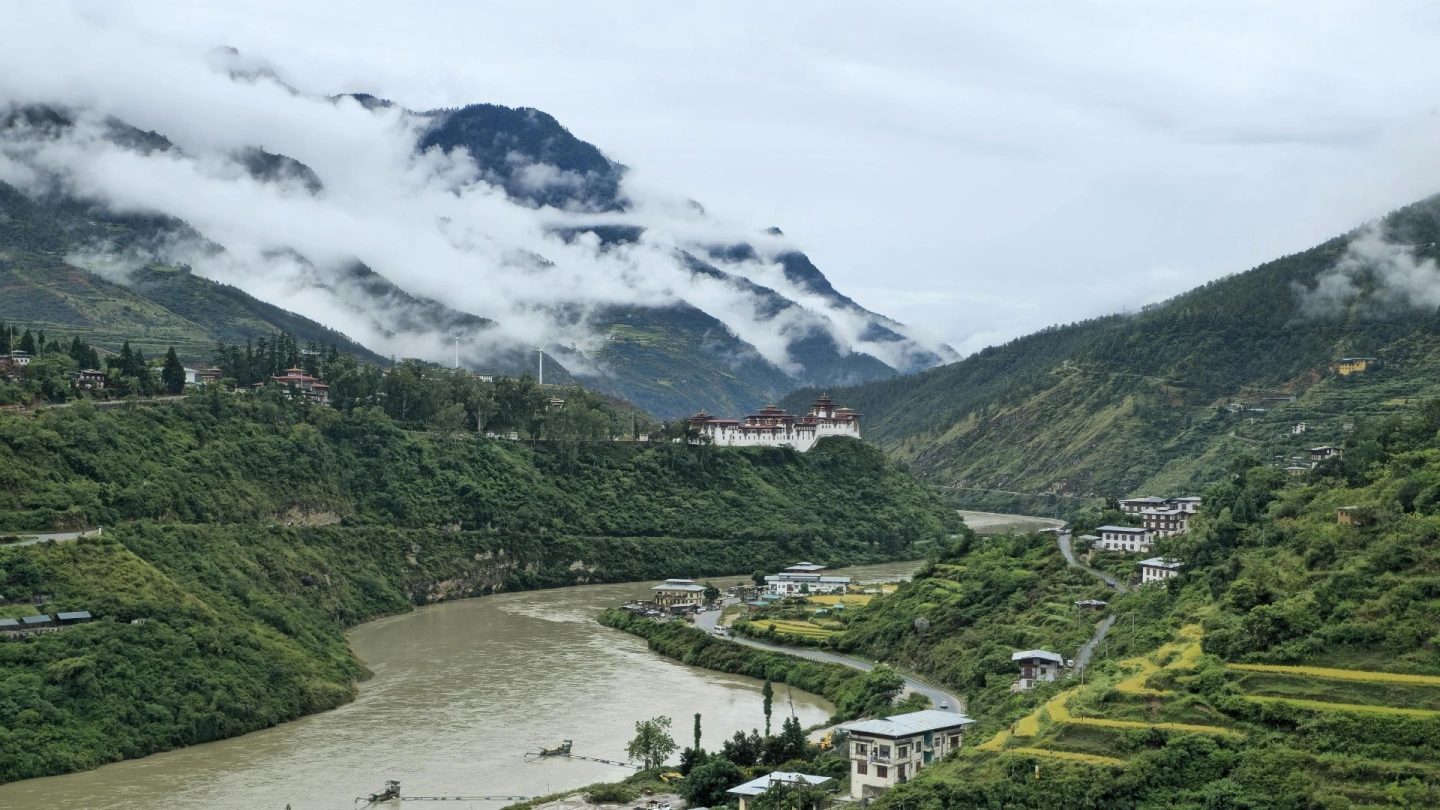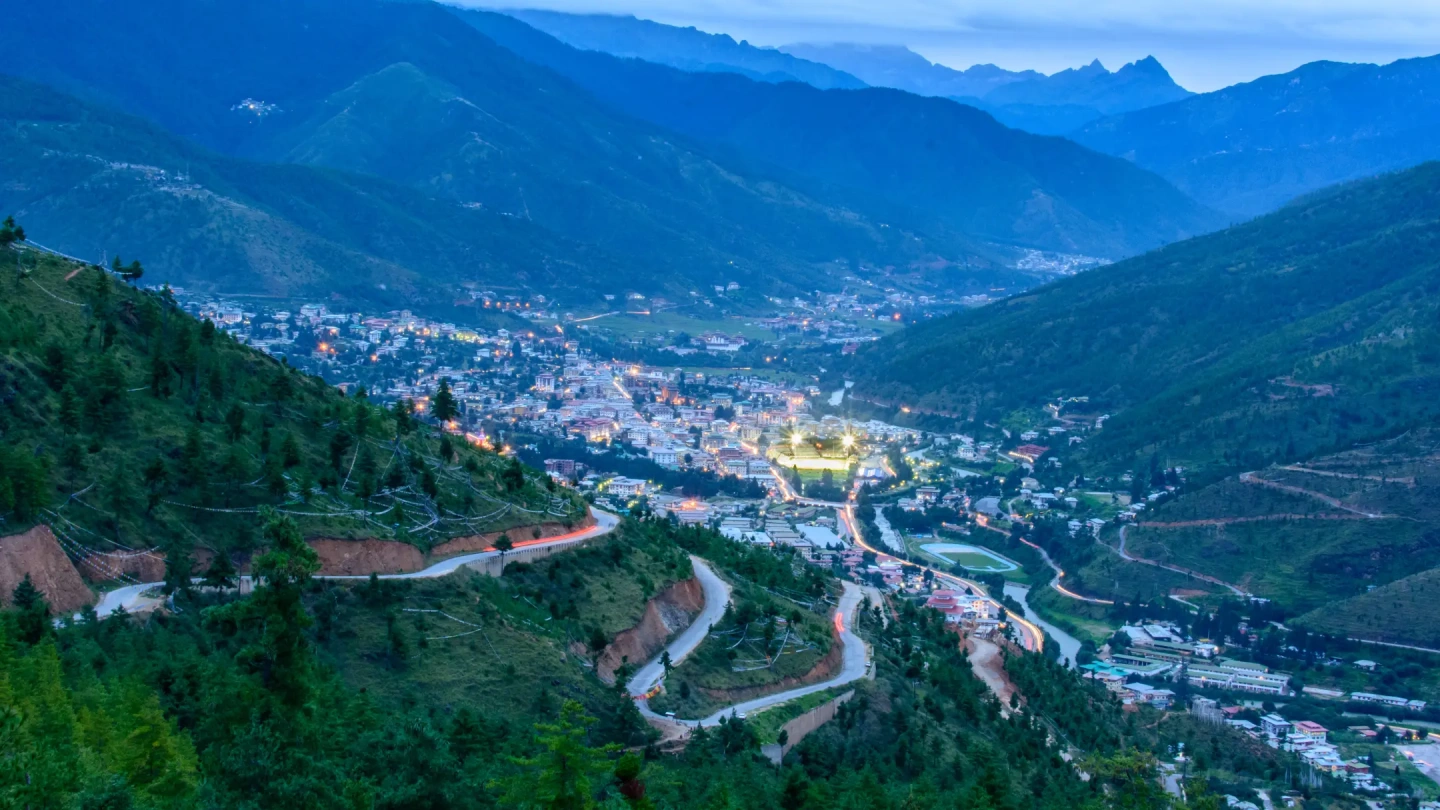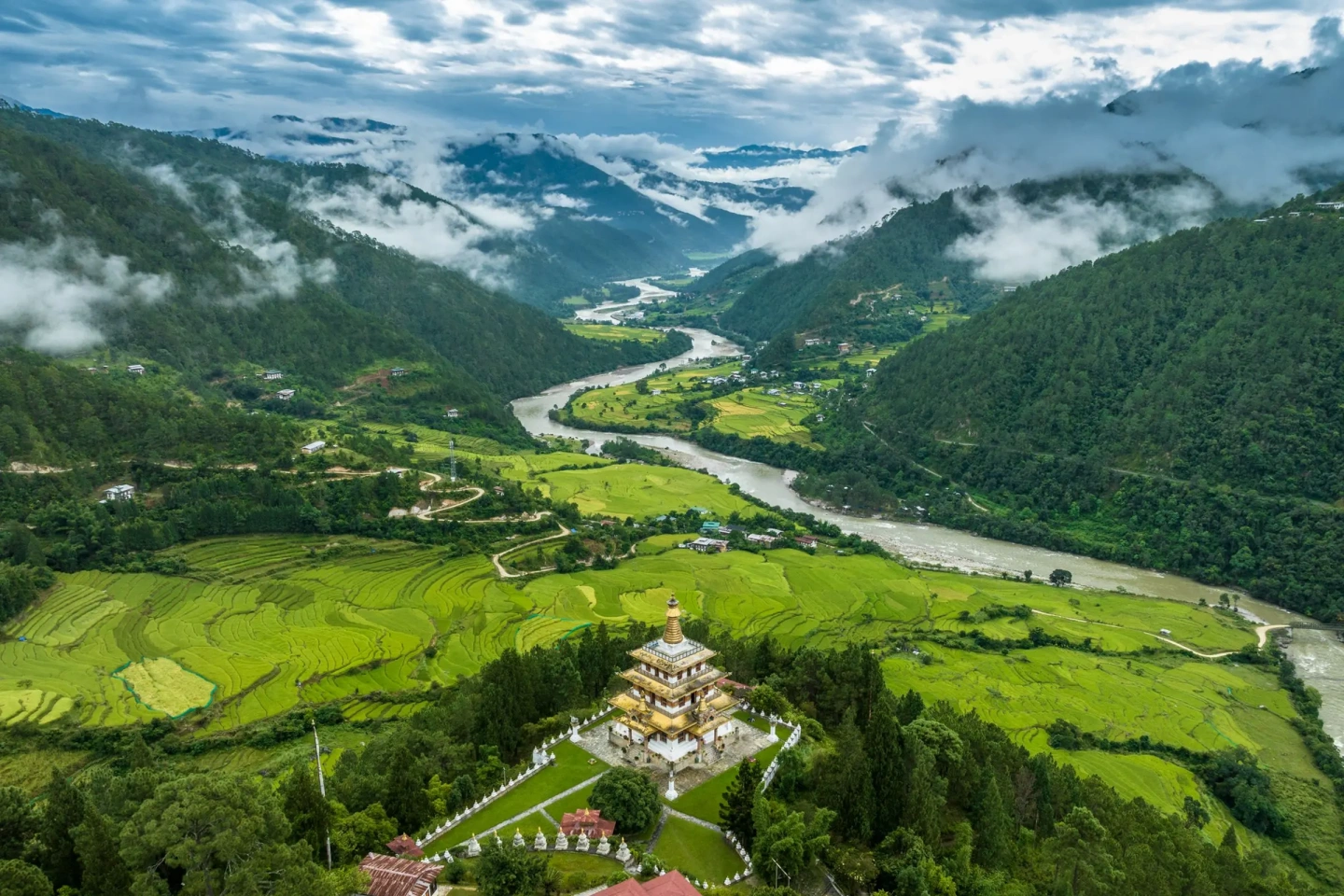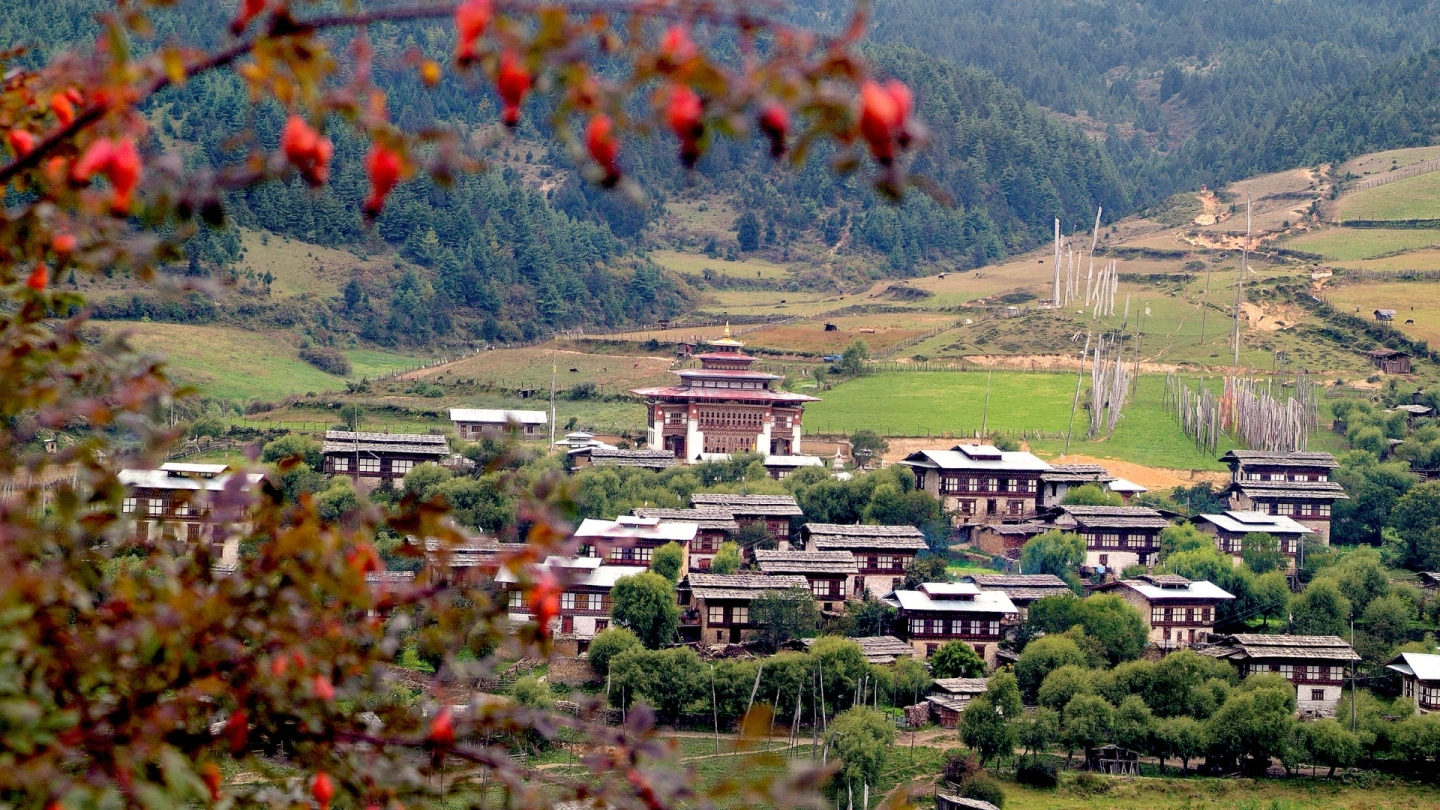



Bhutan, nestled in the eastern Himalayas, offers a profoundly unique travel experience that contrasts sharply with the vast, arid landscapes of Namibia, yet shares a deep commitment to environmental preservation and cultural integrity. As a Namibian traveler, you might be accustomed to the expansive deserts of the Namib, the rugged Skeleton Coast, and the rich wildlife of Etosha National Park, where the focus is on adventure amid stark natural beauty and resilient ecosystems. In Bhutan, however, the terrain shifts to towering mountains, lush valleys, and ancient forests, emphasizing spiritual harmony and sustainable living under the philosophy of Gross National Happiness. Diplomatic relations between Namibia and Bhutan, while not extensive, are cordial and rooted in mutual respect for sovereignty and environmental stewardship; both nations participate in international forums like the United Nations, where they advocate for climate action and biodiversity conservation. Namibia, having gained independence in 1990 after a long struggle, mirrors Bhutan's own journey toward self-determination, though Bhutan remains a constitutional monarchy guided by Buddhist principles rather than Namibia's democratic republic framework. This guide, crafted as if by an experienced Bhutanese travel consultant, aims to equip you with a thorough understanding of Bhutan, bridging the cultural and geographical divide to ensure your journey is not only practical but also enriching. Far from the commercialized tourism hubs, Bhutan invites Namibian visitors to immerse themselves in a world where happiness is measured not by material wealth but by collective well-being, offering a refreshing counterpoint to the fast-paced global travel scene.
Visa and Entry Requirements
Bhutan's tourism is meticulously controlled to preserve its environment and culture, mandating that all foreign visitors, including those from Namibia, book their trips exclusively through licensed Bhutanese tour operators. This policy ensures that tourism remains sustainable and benefits local communities directly. For Namibian tourists, the visa process begins with selecting a reputable tour operator who will handle the application on your behalf; you cannot apply independently. Required documents typically include a passport valid for at least six months beyond your planned departure from Bhutan, a recent passport-sized photograph, and proof of your tour booking, including itinerary details. The tour operator submits these to the Tourism Council of Bhutan, which reviews and approves the visa, usually within a few days to a week. Upon approval, a visa clearance letter is issued, which you must present at your point of entry—typically Paro International Airport—where the actual visa stamp is affixed to your passport for a fee of around USD 40. Payment for the tour, which must be wired in advance to the operator's account, is intrinsically linked to visa approval, as the government requires full prepayment to confirm your commitment. Central to this is the Sustainable Development Fee (SDF), a daily levy of USD 100 per adult per night as of 2025 (reduced from previous rates and set to continue until September 2027), with children aged 6 to 12 paying USD 50 and those under 6 exempt. This fee funds education, healthcare, and environmental initiatives, significantly impacting overall trip costs by adding hundreds of dollars depending on your stay's duration, but it underscores Bhutan's dedication to high-value, low-impact tourism. Namibian travelers should note that exemptions apply only to citizens of India, Bangladesh, and Maldives, so plan your budget accordingly to avoid surprises.
Travel Routes from Namibia to Bhutan
Traveling from Namibia to Bhutan involves multiple legs due to the absence of direct flights, requiring careful planning around transit hubs and Bhutan's limited air access. Departing from Windhoek's Hosea Kutako International Airport, the primary gateway for Namibian travelers, you will first fly to major African hubs like Johannesburg in South Africa, operated by airlines such as Air Namibia or South African Airways, with flight times around 2 to 3 hours. From Johannesburg, connect to international transit points such as Delhi in India, Bangkok in Thailand, or Kathmandu in Nepal, via carriers like Emirates, Qatar Airways, or Ethiopian Airlines; these segments can take 10 to 15 hours, often with layovers. The final leg to Bhutan is serviced exclusively by Druk Air (Bhutan's national carrier) or Bhutan Airlines, flying into Paro International Airport, one of the world's most challenging due to its high-altitude location amid steep mountains, which limits operations to daylight hours and skilled pilots. Flights from Delhi to Paro, for instance, last about 2 hours and operate several times weekly, but schedules are weather-dependent, with frequent delays or cancellations during monsoons or foggy conditions. Namibian tourists should book well in advance—ideally 3 to 6 months—through their tour operator, who coordinates with these airlines, and expect total travel times of 20 to 30 hours including layovers. Realistic expectations include potential overnight stops in transit cities, jet lag from crossing time zones (Bhutan is UTC+6, Namibia UTC+2), and the thrill of Paro's dramatic landing, often described as exhilarating yet safe. Always confirm baggage allowances, as smaller aircraft to Paro have stricter limits, and prepare for possible rerouting if weather intervenes.
Best Time to Visit and Seasonality
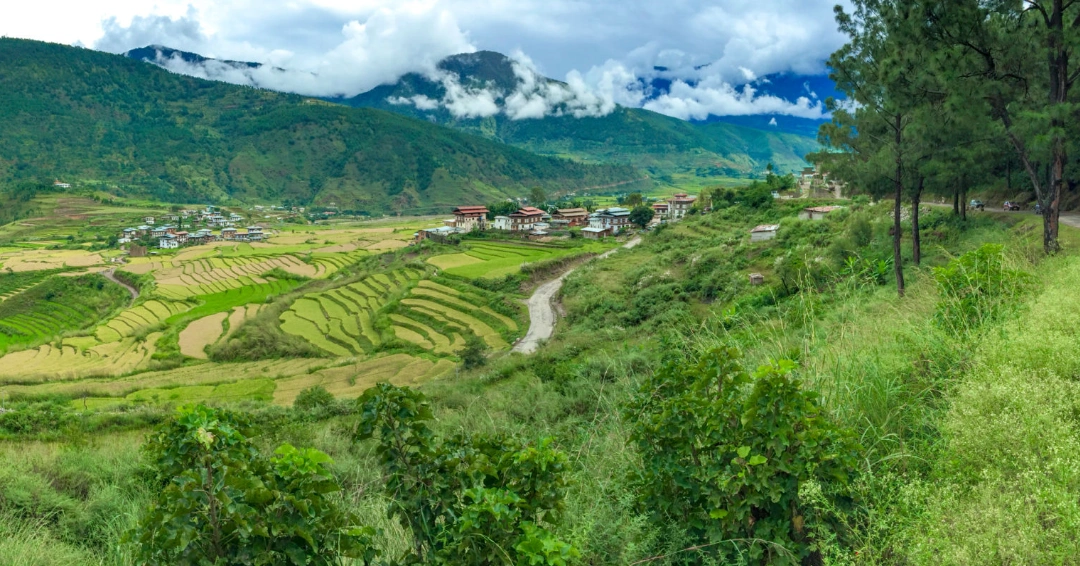
Bhutan's climate varies dramatically by altitude and season, influencing everything from weather conditions to cultural events, making strategic timing essential for Namibian travelers unaccustomed to Himalayan extremes. The country experiences four distinct seasons: spring (March to May) brings mild temperatures averaging 10-20°C in valleys, blooming rhododendrons and jacarandas, and clear skies ideal for trekking and sightseeing, though occasional showers may occur; this period aligns with vibrant festivals like Paro Tshechu in April, featuring masked dances and religious rituals that offer deep cultural immersion. Summer (June to August) introduces the monsoon, with heavy rains up to 500mm monthly, leading to lush greenery but slippery roads, landslides, and limited visibility—less recommended for first-time visitors unless focusing on eastern Bhutan's festivals amid the humidity. Autumn (September to November) is widely regarded as the prime season, with crisp air, temperatures of 5-15°C, golden rice fields, and excellent mountain views, coinciding with Thimphu Tshechu in October and minimal crowds post-monsoon; it's perfect for Namibians seeking comfortable weather similar to their dry winters. Winter (December to February) offers cold snaps down to -5°C at higher elevations, with snowfall in the north, but sunny days in lower areas suit those interested in birdwatching or quieter monastery visits, though some passes may close. For Namibian tourists, October to November or March to April are optimal, balancing pleasant weather, fewer crowds than peak festival times, and opportunities for activities like hiking without extreme heat or rain, allowing adjustment from Namibia's arid climate to Bhutan's variable one while maximizing cultural highlights.
Money, Costs, and Payment Methods
Bhutan's currency, the Ngultrum (BTN), is pegged one-to-one with the Indian Rupee, which is also widely accepted, creating a straightforward financial landscape for Namibian travelers converting from Namibian Dollars. Exchange facilities are available at Paro Airport, major banks in Thimphu and Paro, and some hotels, but rates are government-regulated, so shop around minimally; ATMs are present in larger towns but sparse in rural areas, often dispensing only BTN and subject to daily limits of around 10,000-15,000 BTN. Credit cards like Visa and Mastercard are accepted at upscale hotels and select shops, but not universally, so carrying cash—preferably USD for its favorable exchange or BTN—is advisable, especially for smaller transactions. Tour prices, mandated to be all-inclusive, typically cover accommodations in 3-star hotels or better, all meals (breakfast, lunch, dinner), private transportation, English-speaking guides, entrance fees, and the SDF, starting from USD 250-300 per day per person in high season, with surcharges for solo or small groups. Extras include alcoholic beverages beyond basic offerings, personal shopping, tips (USD 10-15 per day for guides and drivers, customary but not obligatory), optional activities like hot stone baths, and any premium upgrades. Namibian visitors should budget an additional 10-20% for these, wiring the bulk payment upfront while keeping cash for incidentals, ensuring a seamless experience in a cash-preferred economy.
Health, Safety, and Travel Insurance
Health considerations in Bhutan revolve around its high-altitude terrain, which poses risks like acute mountain sickness (AMS) for Namibian travelers arriving from sea-level environments, with symptoms including headaches, nausea, and fatigue potentially onsetting above 2,500 meters. Medical facilities are basic, with well-equipped hospitals in Thimphu but limited in remote areas, so recommended vaccinations include hepatitis A and B, typhoid, tetanus, and rabies due to stray dogs; consult a travel clinic for personalized advice, and carry medications for common ailments like diarrhea or allergies. Safety is exemplary, with low crime rates stemming from strong community ties and Buddhist values, though minor risks include uneven paths causing slips, wildlife encounters, or road accidents on winding routes—always heed your guide's advice. Travel insurance is indispensable, covering medical emergencies, evacuation by helicopter (essential for remote treks), trip cancellations, and lost baggage; policies should specify high-altitude activities and be verified for Bhutan inclusion, as standard ones may not suffice. This comprehensive coverage provides peace of mind, allowing you to focus on Bhutan's serene beauty rather than unforeseen issues.
Cultural Etiquette and Social Expectations
Bhutanese society is deeply rooted in Buddhist principles of respect, humility, and harmony, requiring Namibian travelers to adapt behaviors that might differ from their own expressive, communal culture to foster positive interactions. In temples and monasteries, remove hats and shoes, dress modestly covering shoulders and knees (scarves or long pants provided if needed), and circumambulate clockwise while avoiding pointing at sacred images or monks; photography is often restricted inside, so ask permission. Public displays emphasize patience—queues may form organically, and service is unhurried—mirroring Bhutan's emphasis on mindfulness over efficiency, which might contrast with Namibia's straightforward social norms. Humility is key: accept offerings like tea with both hands, avoid boasting, and use titles like "Dasho" for officials; when greeting, a slight bow with "Kuzuzangpo la" suffices over handshakes. Modesty extends to clothing—avoid revealing outfits in public—and conversations, steering clear of sensitive topics like politics or religion unless initiated. Namibian visitors, known for their warm hospitality, will find parallels in Bhutanese generosity, but slight adjustments like speaking softly in sacred spaces and respecting elders enhance mutual respect, enriching your cultural exchange.
Connectivity, SIM Cards, Internet Access
Connectivity in Bhutan has improved but remains variable, with Wi-Fi available in most hotels and cafes in urban areas like Thimphu and Paro, though speeds are moderate (5-20 Mbps) and outages occur in rural spots due to terrain. For reliable mobile access, purchase a local SIM from B-Mobile or TashiCell upon arrival at the airport or town outlets; these require your passport and visa copy, costing around BTN 200-500 with data packages up to 10GB for a week at affordable rates. Coverage is good in valleys but spotty in mountains, supporting 4G in populated zones. Namibian apps and services generally work, but occasional restrictions on certain platforms may necessitate a VPN for unrestricted access, especially for banking or social media. Pre-download maps and translation apps, as English is prevalent in tourism but Dzongkha dominates locally; this setup ensures you stay connected for navigation and emergencies without over-relying on inconsistent hotel Wi-Fi.
Language and Communication
Language barriers in Bhutan are minimal for tourism purposes, as English is the medium of instruction in schools and widely spoken by guides, hotel staff, and younger generations, facilitating smooth interactions for Namibian travelers. Dzongkha is the national language, used in daily life and official settings, but your licensed guide will serve as an interpreter when needed. Oshiwambo-speaking guides are not commonly available, given Bhutan's focus on Asian and European languages like Hindi, Chinese, French, or German for specialized tours; English remains the default, so Namibians with proficient English will navigate easily. For those with limited English, strategies include using simple phrases, gesture-based communication, or apps like Google Translate with offline Dzongkha support; learning basics like "thank you" (Kadinche la) builds rapport. Tour operators can arrange guides with enhanced communication skills, ensuring even non-fluent travelers engage meaningfully with locals, whose friendliness often bridges any gaps.
Packing and Preparation Advice
Packing for Bhutan demands consideration of its diverse climates, from warm valleys to chilly highlands, contrasting Namibia's consistent aridity and requiring layers for Namibian travelers. Essentials include breathable clothing for days (t-shirts, long pants) and warm layers like fleece jackets, thermal underwear, and a waterproof windbreaker for evenings or higher altitudes, where temperatures drop sharply; sturdy hiking boots are vital for uneven terrain, plus comfortable walking shoes. Modest attire—long sleeves and pants—for religious sites, a hat, sunglasses, and high-SPF sunscreen protect against intense UV rays. Personal items: reusable water bottle for hydration, power bank (Bhutan uses 230V Type C/D/F plugs, so bring adapters), insect repellent, and a first-aid kit with altitude sickness remedies like Diamox, painkillers, and bandages. Medications should cover stomach issues, allergies, and prescriptions with copies; include snacks if dietary needs are specific. Other practicalities: lightweight backpack, binoculars for wildlife, journal for reflections, and cash in small denominations. Prepare by getting fit for walks, researching festivals, and acclimatizing gradually to Himalayan conditions, ensuring a comfortable, prepared journey.
Bhutan’s Unique Tourism Philosophy
Bhutan's tourism philosophy is anchored in Gross National Happiness (GNH), a holistic metric prioritizing psychological well-being, cultural preservation, environmental sustainability, and good governance over economic growth alone, shaping policies that limit visitor numbers and promote mindful travel. This approach, introduced by the Fourth King in the 1970s, ensures tourism enhances rather than erodes Bhutanese identity, with the SDF channeling funds into community projects while capping infrastructure development to avoid overtourism. For Namibian travelers, accustomed to eco-tourism in protected areas like Namib-Naukluft Park, this resonates as Bhutan prefers quality visitors—those seeking authentic experiences—over mass influxes, mandating guided tours to distribute benefits equitably. By restricting modernization, such as banning large-scale hotels or chain stores, Bhutan maintains its pristine landscapes and traditions, inviting guests to contribute positively rather than consume superficially, fostering a deeper appreciation for a model where happiness trumps materialism.
Mindset and Expectations for Visitors
Adjusting your mindset for Bhutan involves embracing a slower pace of life, where time is fluid and experiences unfold organically, differing from Namibia's efficient, adventure-driven ethos. Expect limited infrastructure—roads may be winding and bumpy, electricity intermittent in remotes areas—and accommodations in cozy, family-run hotels rather than lavish resorts, emphasizing comfort over opulence. Nightlife is absent, with no clubs or bars beyond hotel lounges, and luxury shopping limited to artisanal crafts, shifting focus to nature hikes, monastery visits, and spiritual reflection. Namibian travelers should anticipate this as an opportunity for introspection amid stunning vistas, where convenience yields to authenticity; patience with delays or simple amenities becomes part of the charm, rewarding those open to cultural depth over material luxuries.
Food and Dining Culture
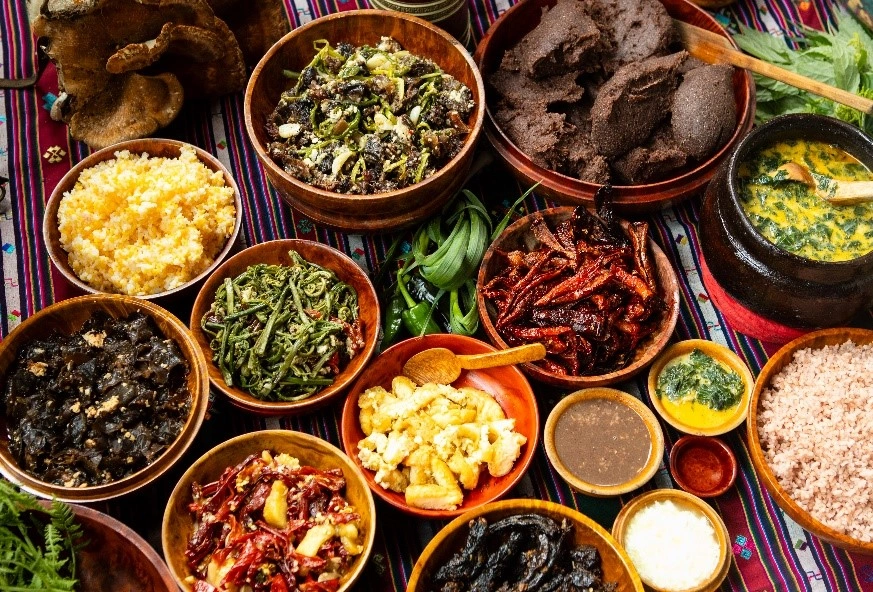
Bhutanese cuisine reflects its agrarian roots and Himalayan influences, featuring simple, hearty dishes heavy on chili, cheese, and rice, which may surprise Namibian palates used to game meats and braais with milder spices. Staples like ema datshi (chili cheese stew) embody the spicy flavor profile, balanced by red rice, buckwheat pancakes, and vegetables; meat options include pork, beef, or yak, often in curries, while vegetarians find ample choices in mushroom or fern dishes. Dining is communal and hospitable, with meals served family-style in tours, accompanied by butter tea (suja) or ara (local rice wine), fostering bonds over shared plates. Alcohol is available but moderation encouraged in Buddhist contexts; tea rituals symbolize warmth. Namibians can request spice adjustments, embracing food as a gateway to Bhutanese generosity and daily life.
Festivals, Religion, and Sacred Places
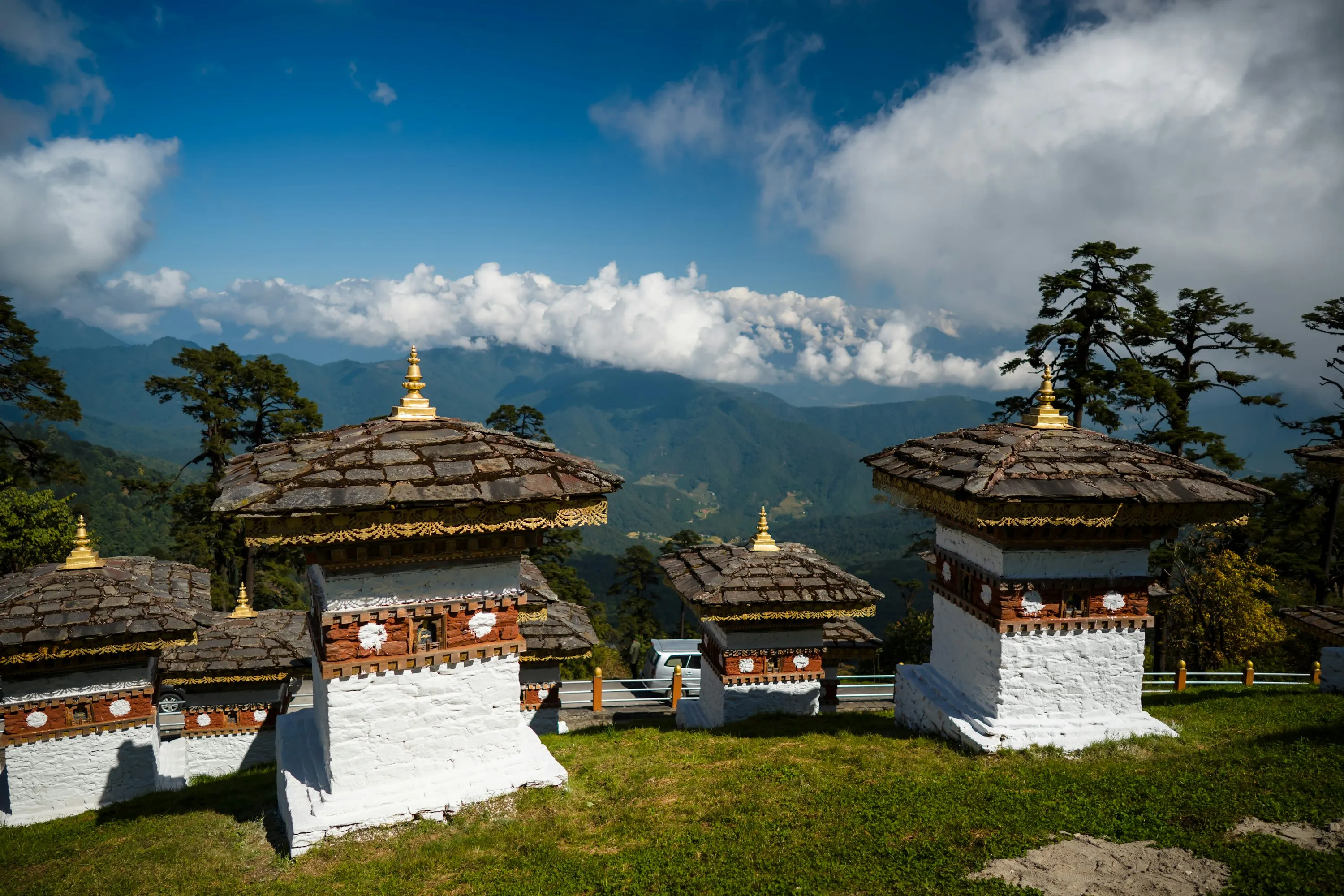
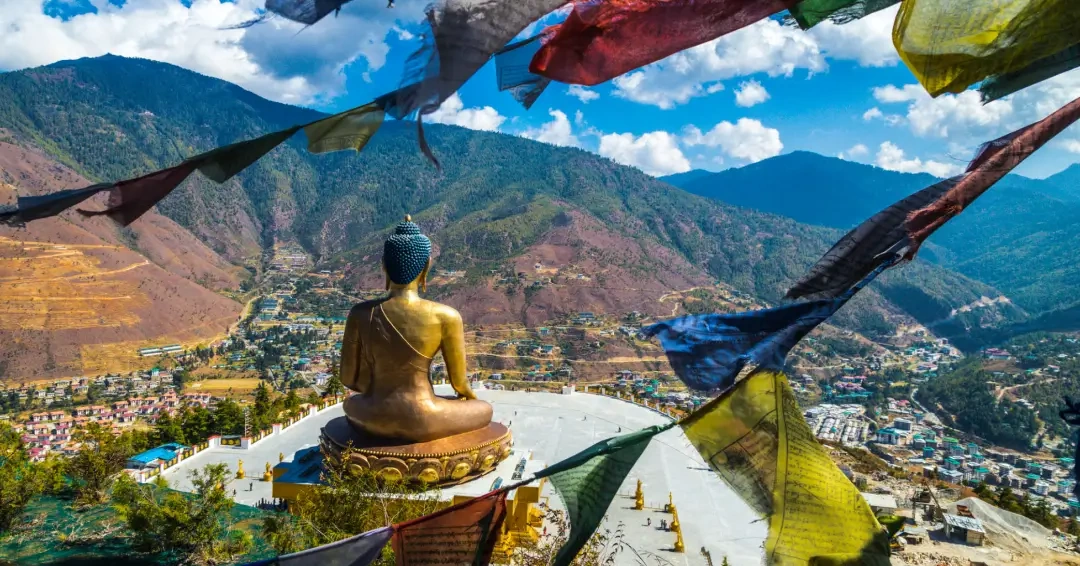
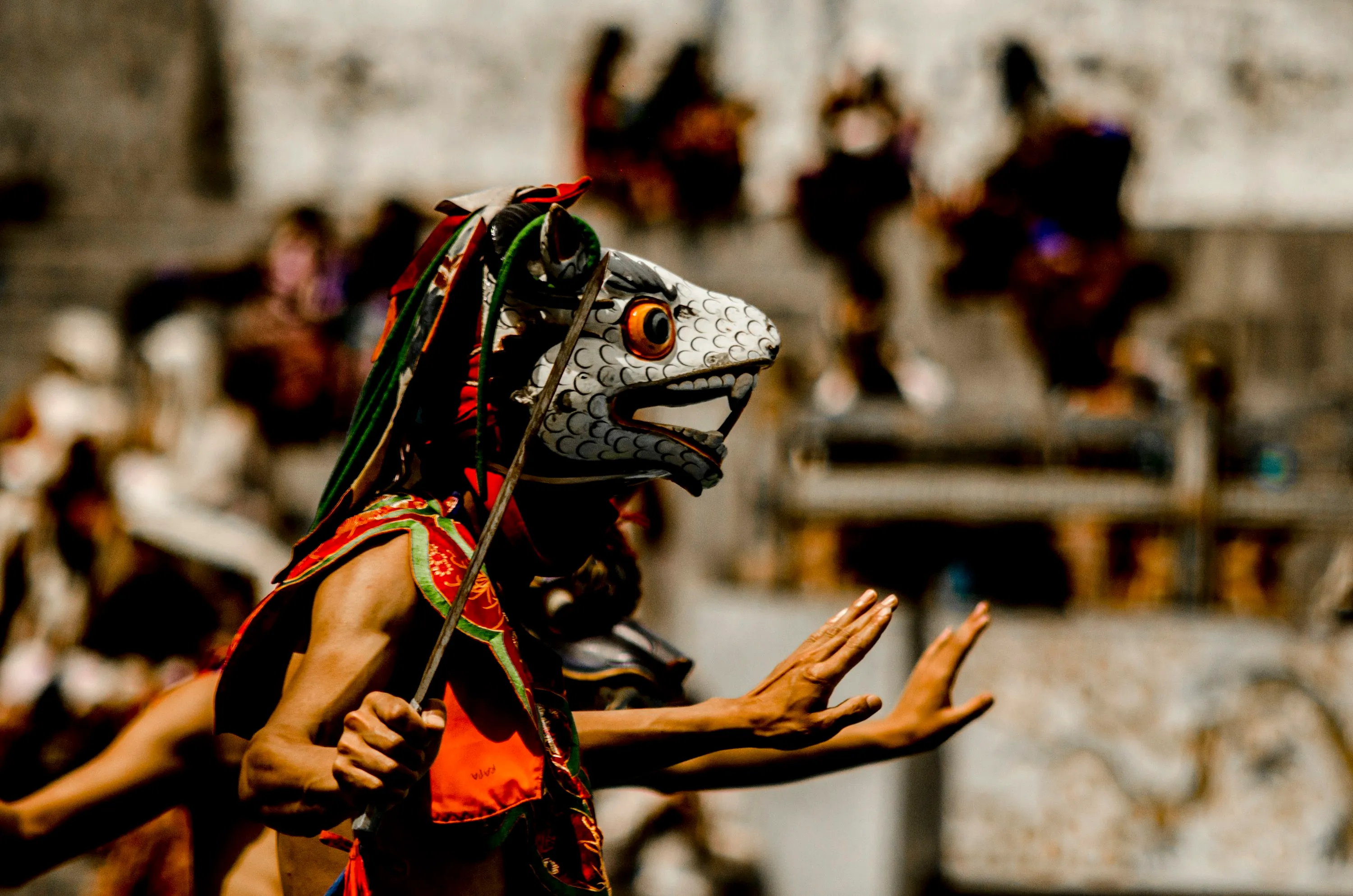
Religion permeates Bhutanese life through Vajrayana Buddhism, evident in festivals (Tshechus) that blend spirituality with community celebration, offering Namibian visitors profound cultural insights. Tshechus, held annually at dzongs, feature masked dances depicting moral tales, archery competitions, and blessings from monks, with Paro Tshechu in spring drawing crowds for its pageantry. Sacred sites like Tiger's Nest Monastery require respectful conduct: clockwise navigation, no shorts or hats, and silence during prayers. These experiences illuminate Bhutan's devotion, where religion guides ethics and art, deepening travelers' understanding of a society where faith fosters harmony.
Hidden Challenges and Practical Inconveniences
Bhutan's allure includes subtle challenges that test patience, such as slow service in eateries due to fresh preparation or itinerary shifts from weather, framing them as authentic elements rather than flaws. Power outages in rural areas, rough roads delaying drives, or basic facilities highlight the country's unhurried rhythm, encouraging Namibians to view these as invitations to disconnect and appreciate simplicity amid natural splendor.
Shopping and Souvenirs
Shopping in Bhutan centers on authentic handicrafts like handwoven textiles (kira and gho fabrics), wooden masks, incense, and thanka paintings, available at markets in Thimphu or Paro, devoid of malls or duty-free extravagance. Bargaining is mild and respectful, with fixed prices in government shops ensuring fairness; seek authenticity via certificates. This artisanal focus allows Namibians to bring home meaningful mementos supporting local artisans.
Altitude Awareness and Physical Preparedness
Altitude in Bhutan, ranging 1,000-7,000 meters, affects individuals variably, with AMS symptoms like dizziness emerging rapidly for sea-level Namibians. Precautions include gradual ascent, hydration (3-4 liters daily), avoiding alcohol, and acclimatization days; consult doctors for medications. Adjust activities—short walks initially—ensuring safe enjoyment of treks and sights.
Security, Safety, and Emergency Information
Bhutan's security is robust, with negligible crime, but respect local laws like no tobacco sales or environmental protections. Emergencies: dial 112 for ambulance, 113 for police, 110 for fire. No Namibian embassy in Bhutan; contact the High Commission in New Delhi (+91-11-26140389) for assistance, or your tour operator for immediate support.
Photography and Drones
Photography is welcomed in Bhutan for landscapes and festivals, but prohibited inside temples and require permission for people or government buildings to respect privacy. Drones are strictly forbidden for tourists without rare permits, risking confiscation; declare any at customs and deposit them.
What Bhutan Does Not Have
Bhutan lacks skyscrapers, fast-food chains, casinos, and mega-malls, preserving its essence; this absence enhances its charm, offering unspoiled serenity over commercial distractions.
Important Questions to Ask Before Booking a Tour
Before confirming your Bhutan tour, inquire about your guide's experience and language proficiency to ensure seamless communication, especially if English fluency varies. Ask about itinerary flexibility—can adjustments be made for weather or personal interests like extended hikes? Clarify accommodation details: are hotels 3-star or upgrades available, and what amenities like heating are included for cold nights? On food, confirm if dietary preferences (e.g., less spicy) or allergies are accommodated, and whether meals are buffet or a la carte. For emergencies, probe the operator's protocols, including medical support and evacuation plans. Regarding SIM cards, ask if they assist in purchasing local ones upon arrival. Tipping customs should be outlined—typically USD 10-15 daily for guides—and insurance requirements verified, ensuring your policy covers Bhutan. These questions empower Namibian travelers to tailor their experience confidently.
Conclusion
In reflection, Bhutan stands as a rare sanctuary for Namibian travelers yearning for cultural profundity, untouched natural splendor, and spiritual tranquility, diverging from conventional vacations to offer a transformative journey rooted in mindfulness and sustainability. Amid its mist-shrouded peaks and vibrant traditions, you'll discover a world where happiness flourishes through balance, inviting you to leave behind the rush for moments of genuine connection—a destination that rewards the discerning explorer with enduring memories.