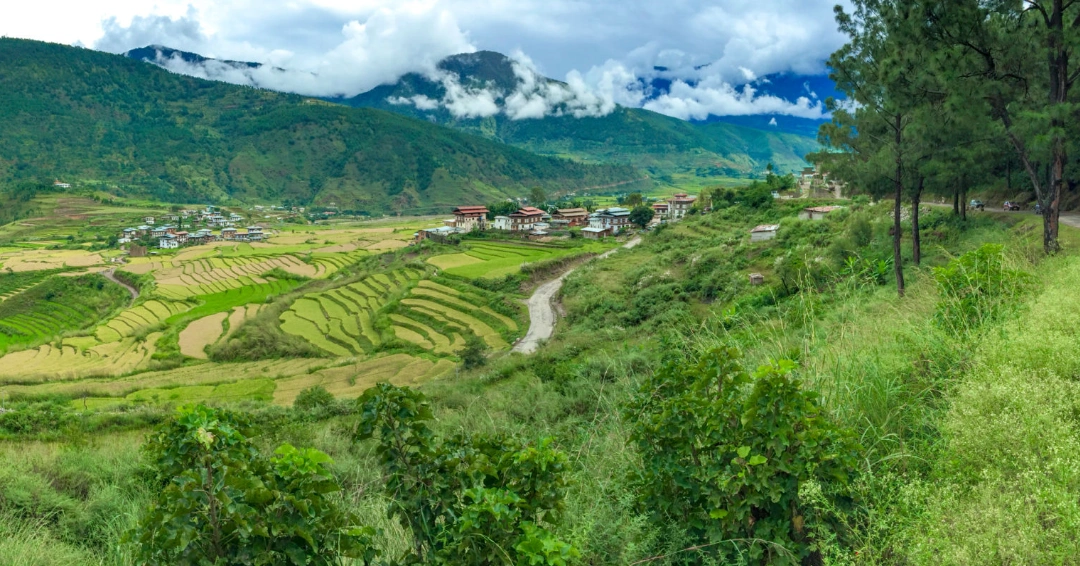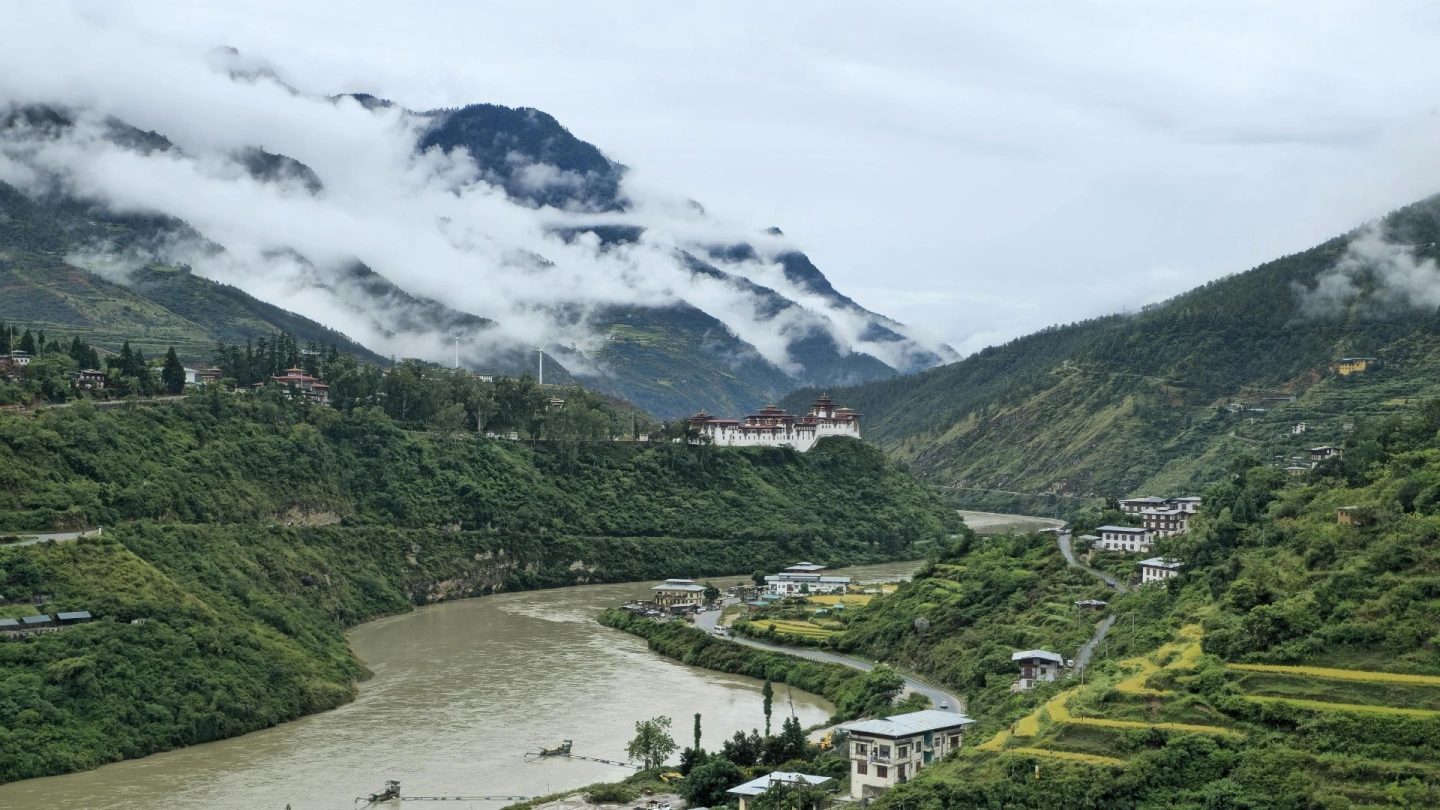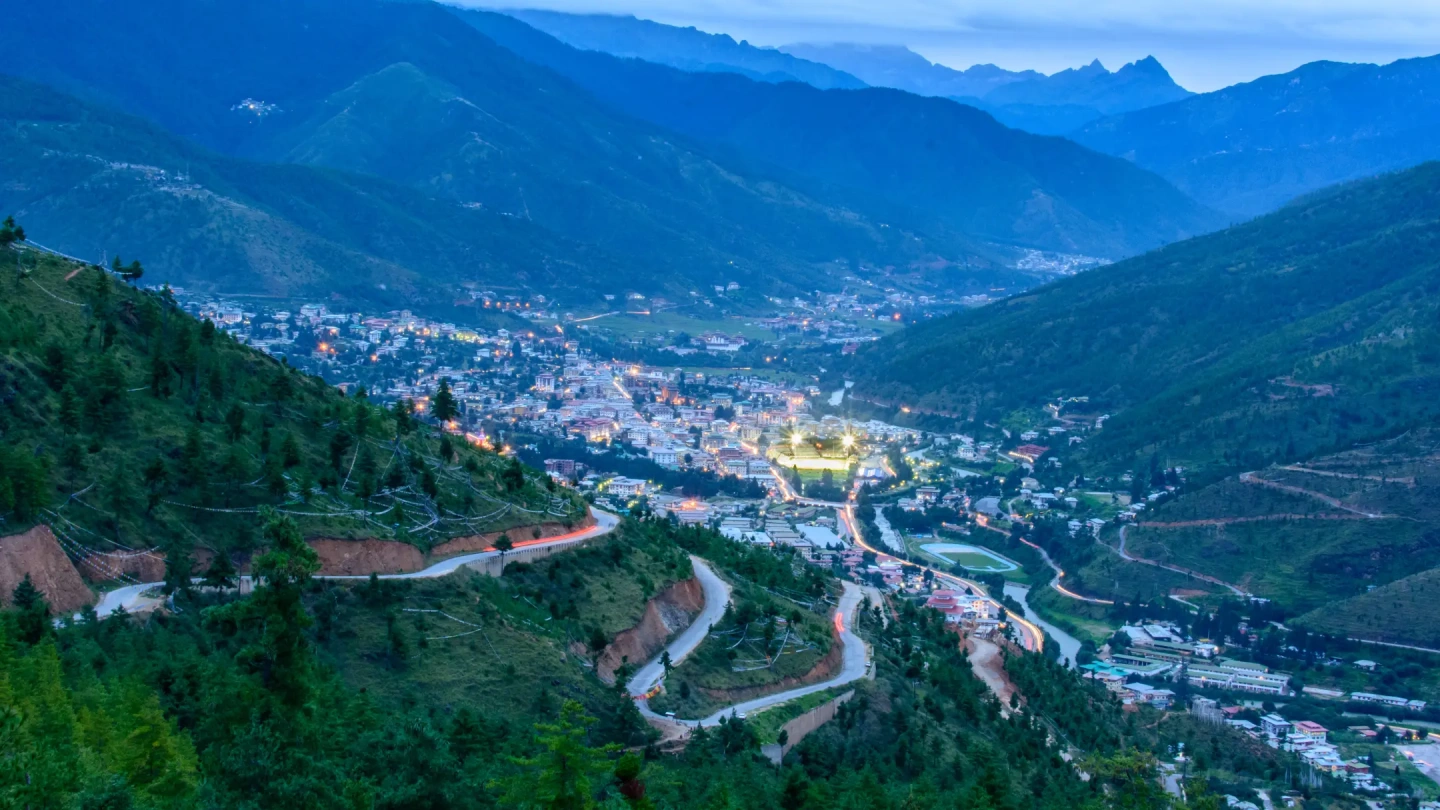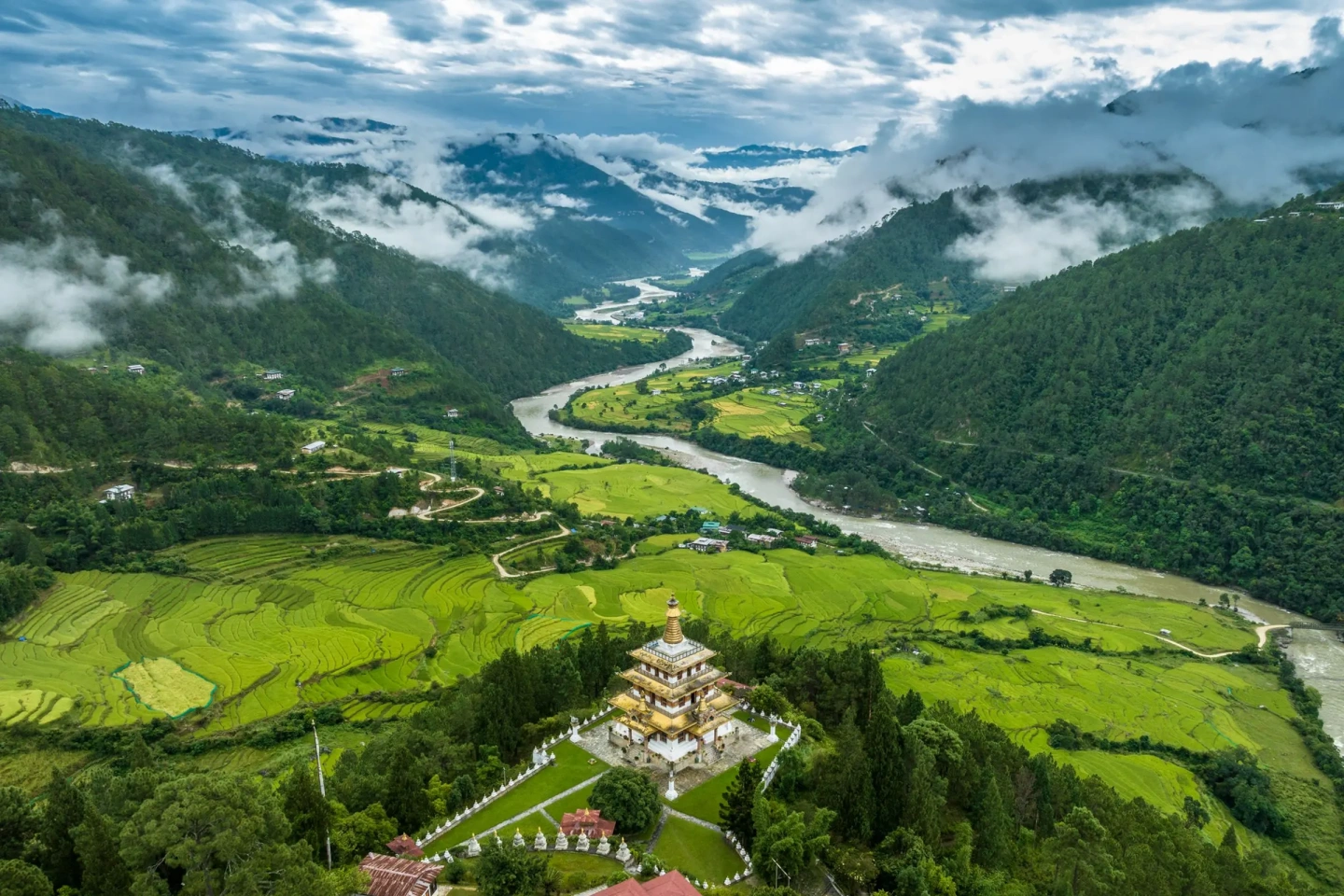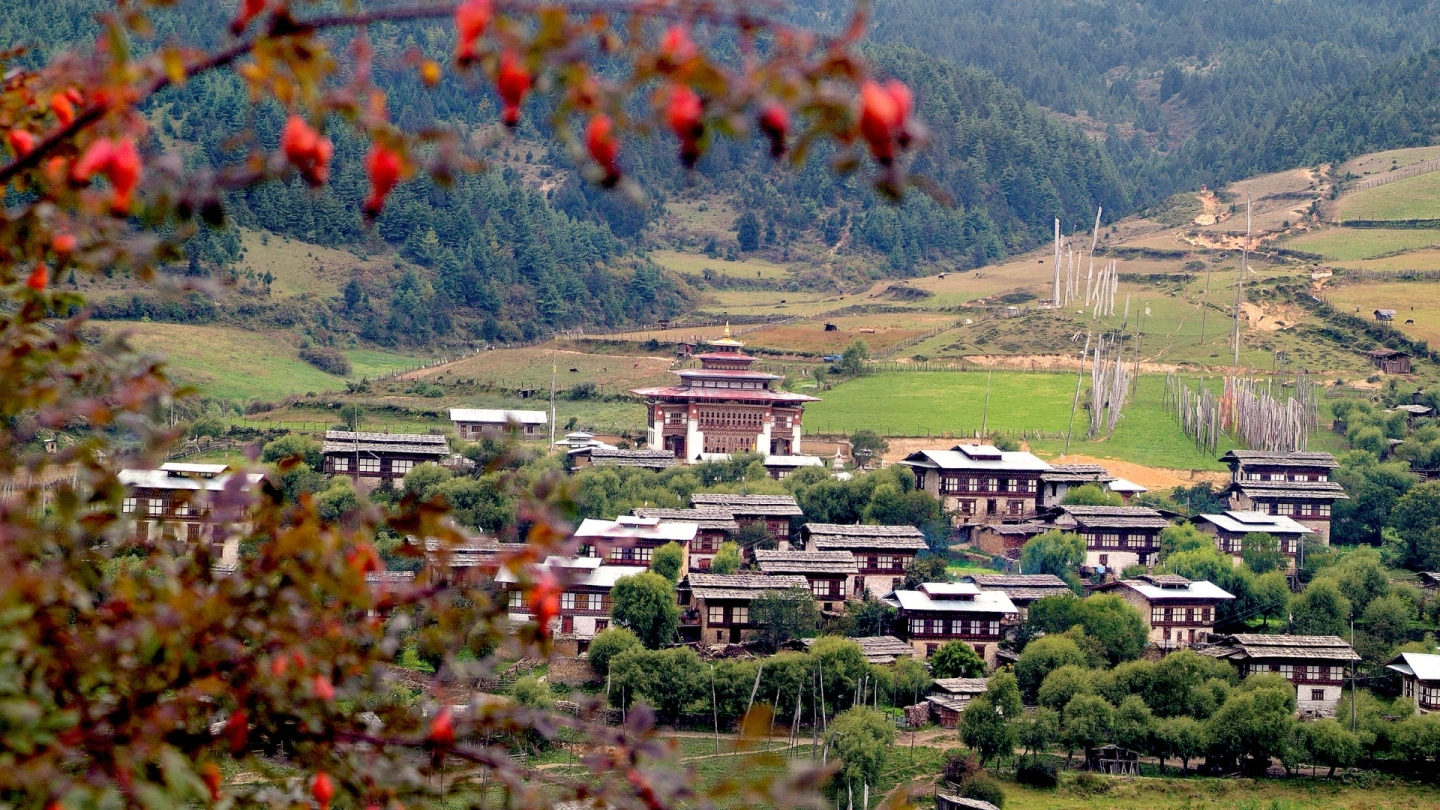



Nestled in the eastern Himalayas, Bhutan stands as a serene kingdom where ancient traditions harmoniously coexist with the natural world, offering a profound escape from the hustle of modern life. For Mauritanian travelers, accustomed to the vast, arid landscapes of the Sahara and the Atlantic coast, Bhutan presents a striking contrast with its lush valleys, towering mountains, and dense forests that seem to touch the sky. While Mauritania's culture is deeply rooted in Islamic heritage, nomadic traditions, and a resilient spirit shaped by desert life, Bhutan draws from Vajrayana Buddhism, emphasizing spiritual well-being and environmental stewardship. Diplomatic ties between Bhutan and Mauritania are not formally established, as Bhutan maintains relations with only a select 56 United Nations member states to preserve its sovereignty and minimize external influences, but this does not hinder travel; instead, it underscores Bhutan's deliberate approach to global engagement. Both nations share a commitment to sustainable development—Mauritania through its efforts to combat desertification and promote green energy, and Bhutan via its carbon-negative status and focus on Gross National Happiness. Yet, where Mauritania's economy leans on mining and fisheries amid expansive deserts, Bhutan's thrives on hydropower and agriculture in its mountainous terrain. This guide, crafted by an experienced Bhutanese travel consultant, aims to equip Mauritanian visitors with the insights needed to navigate this enchanting destination, blending practical advice with cultural depth to ensure a transformative journey that respects Bhutan's unique ethos while accommodating your unfamiliarity with Himalayan travel.
Visa and Entry Requirements
Bhutan's tourism policy is meticulously controlled to protect its environment, culture, and way of life, mandating that all foreign visitors, including those from Mauritania, must book their trips through licensed Bhutanese tour operators. This system ensures sustainable tourism and prevents over-commercialization. For Mauritanian tourists, obtaining a visa begins with selecting a reputable tour operator who will handle the entire application process on your behalf. You will need to provide a scanned copy of your passport, which must be valid for at least six months beyond your planned departure from Bhutan, along with a recent passport-sized photograph. The operator submits these documents to the Tourism Council of Bhutan, which processes the visa approval letter within a few working days. Upon approval, you pay the tour cost, including the Sustainable Development Fee (SDF), directly to the operator's account in Bhutan; this payment is crucial as it secures your visa. The SDF, currently set at USD 100 per person per night for most visitors, funds free education, healthcare, and environmental conservation in Bhutan, directly impacting the overall pricing of your trip by adding a structured cost that promotes quality tourism over mass influxes. Once payment is confirmed, the visa is issued electronically, and you receive it upon arrival at Paro International Airport or a land border. This streamlined yet regulated approach means you cannot travel independently, but it guarantees personalized guidance, making your experience safer and more enriching amid Bhutan's remote terrains.
Travel Routes from Mauritania to Bhutan
Traveling from Mauritania to Bhutan involves multiple legs due to the absence of direct flights, requiring transits through major hubs that connect West Africa to South Asia. From Nouakchott, the capital and primary international gateway in Mauritania, you can fly with airlines like Turkish Airlines via Istanbul or Royal Air Maroc via Casablanca to reach key transit points such as Delhi in India, Bangkok in Thailand, or Kathmandu in Nepal. For instance, a common route might involve flying from Nouakchott to Istanbul (about 7-8 hours), then to Delhi (another 6-7 hours), followed by a short flight to Paro. Only two airlines operate into Bhutan: Drukair (Royal Bhutan Airlines) and Bhutan Airlines, both flying from these transit cities to Paro International Airport, the country's sole international airport nestled in a deep valley surrounded by peaks exceeding 5,000 meters. Paro's airport is renowned for its challenging approach, with pilots requiring special certification to navigate the steep descent amid unpredictable winds, which can lead to weather-related delays, especially during monsoon seasons when visibility drops. Realistic expectations include booking flights well in advance through your tour operator, who coordinates seamlessly with the visa process, and allowing buffer time for potential delays—perhaps an extra day in the transit city. Scheduling should account for jet lag from the time difference (Bhutan is GMT+6, Mauritania GMT), and opting for business class on long-haul segments can ease the journey, ensuring you arrive refreshed to embrace Bhutan's majestic landscapes.
Best Time to Visit and Seasonality
Bhutan's climate is diverse due to its varied elevations, ranging from subtropical lowlands to alpine heights, creating four distinct seasons that profoundly influence travel experiences. Spring, from March to May, brings mild temperatures averaging 15-25°C in valleys, with blooming rhododendrons and clear skies ideal for trekking and sightseeing, though occasional showers may occur. Summer, June to August, ushers in the monsoon with heavy rains up to 500mm monthly, leading to lush greenery but slippery roads and leech-infested trails, making it less favorable unless you seek solitude. Autumn, September to November, offers crisp weather at 10-20°C, vibrant festivals like Thimphu Tshechu, and stunning mountain views with minimal rainfall, drawing peak crowds. Winter, December to February, features cold snaps down to -5°C at higher altitudes, with snow in the north but sunny days in the south, perfect for birdwatching and cultural immersion with fewer tourists. For Mauritanian travelers, accustomed to hot, dry conditions, autumn is recommended for its comfortable weather aligning with post-rainy season vibrancy, balanced crowds, and festival highlights that provide cultural depth without overwhelming heat or cold. Trip planning should factor in these seasons: book early for autumn to secure spots at festivals, pack layers for variable weather, and consider health implications like altitude in cooler months when acclimatization might be slower.
Money, Costs, and Payment Methods
Bhutan's currency is the Ngultrum (BTN), pegged 1:1 to the Indian Rupee (INR), which is also widely accepted, simplifying exchanges for travelers. Mauritanian visitors should exchange Ouguiya (MRU) for USD or INR before departure, as direct conversions are unavailable in Bhutan; airports and major banks like Bank of Bhutan offer fair rates for USD. ATMs are prevalent in towns like Thimphu and Paro, accepting Visa and Mastercard with withdrawal limits around BTN 20,000 per transaction, but reliability dips in remote areas, so carry sufficient cash. Credit cards are accepted in upscale hotels and shops, but smaller vendors prefer cash, and transaction fees may apply. Tour prices, mandated by the government, typically cover accommodations, meals (three per day), transport in private vehicles, licensed guides, and entry fees, starting from USD 250 per day including SDF, but exclude alcoholic drinks, tips (USD 10-15/day for guide/driver), personal expenses like souvenirs, and optional activities. Budget an extra USD 50-100 daily for these, ensuring a stress-free experience while supporting local economies through mindful spending.
Health, Safety, and Travel Insurance
Health considerations in Bhutan revolve around its high-altitude terrain, where elevations often exceed 2,500 meters, increasing risks of acute mountain sickness (AMS) with symptoms like headaches, nausea, and fatigue. Mauritanian travelers, coming from sea-level deserts, should consult physicians for preventive measures, including gradual ascent and medications like acetazolamide. Recommended vaccinations include hepatitis A and B, typhoid, and rabies due to stray animals, while malaria is low-risk but mosquito repellents are advised in lowlands. Medical facilities are basic outside Thimphu, with Jigme Dorji Wangchuck National Referral Hospital offering competent care, but evacuations to India may be needed for complex issues. Travel insurance with comprehensive coverage, including emergency medical evacuation by helicopter (essential given remote areas), is non-negotiable, as standard policies from Mauritania might not suffice. Bhutan boasts exceptional safety with one of the world's lowest crime rates—violent incidents are rare, and petty theft minimal—but beware of stray dogs (rabies risk) and uneven paths during hikes. This secure environment allows focus on exploration, yet prudence in personal belongings and road awareness enhances the journey.
Cultural Etiquette and Social Expectations
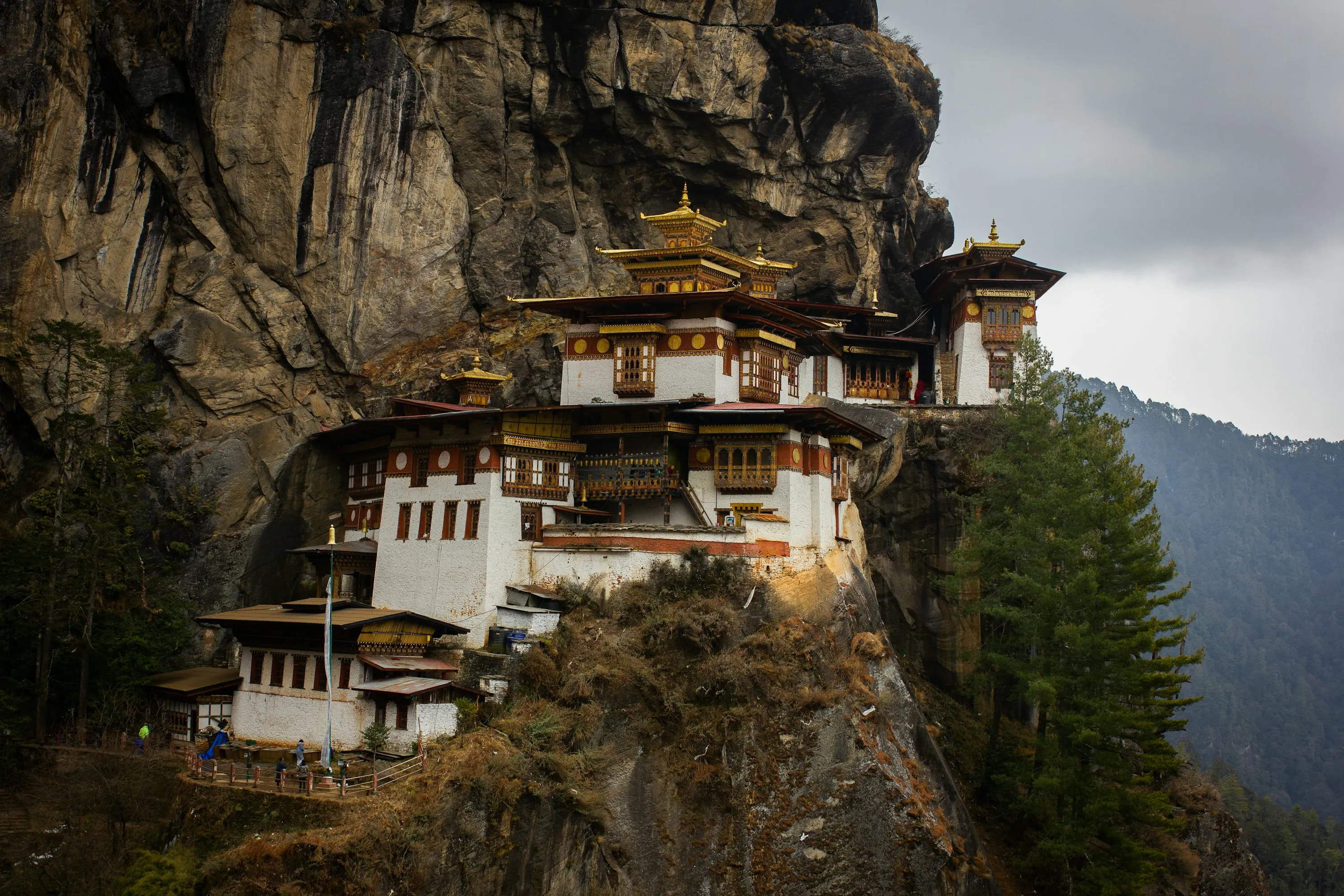
Bhutanese society is steeped in Buddhist principles of respect, humility, and harmony, requiring tourists to adopt behaviors that honor these values, particularly in sacred spaces. When visiting temples or monasteries, remove hats and shoes, dress modestly in long pants and sleeves (avoiding revealing clothing, which might clash with Mauritanian norms of modesty but aligns in spirit), and circumambulate clockwise while refraining from pointing at statues or monks—use an open palm instead. Socially, greet with a slight bow and "Kuzuzangpo la" (hello), accepting offerings like tea with both hands as a sign of gratitude. Patience is paramount; Bhutanese interactions are unhurried, valuing meaningful connections over efficiency, so avoid raising voices or displaying frustration. Humility shines through in not boasting or dominating conversations, fostering genuine exchanges. For Mauritanians, whose culture emphasizes hospitality and community, slight adjustments include toning down direct eye contact with elders (seen as confrontational) and embracing vegetarian meals at religious sites. These nuances ensure respectful immersion, enriching your understanding of Bhutan's communal ethos.
Connectivity, SIM Cards, Internet Access
Connectivity in Bhutan has improved significantly, with Wi-Fi available in most hotels and cafes in urban areas like Thimphu and Paro, though speeds vary and outages occur in remoter spots due to terrain. For reliable mobile access, purchase a local SIM card upon arrival at Paro Airport or town outlets from providers B-Mobile (Bhutan Telecom) or TashiCell, both offering tourist packages starting at BTN 200 for data and calls, valid for 7-30 days. Activation requires your passport and visa, with coverage extending to 4G in valleys but spotty in mountains—opt for TashiCell for better rural reach. Mauritanian apps or services might face no restrictions, but a VPN is useful for secure browsing amid occasional censorship. This setup keeps you connected for navigation or family calls without exorbitant roaming fees, blending modern convenience with Bhutan's tranquil pace.
Language and Communication
Dzongkha is Bhutan's national language, a Tibeto-Burman tongue used in official and daily life, but English is the medium of instruction in schools and prevalent in tourism, ensuring smooth interactions with guides, hotel staff, and urban locals. Guides fluent in Arabic (Hassaniya), Pulaar, Soninke, or Wolof are rare, as tourism caters mainly to English, Hindi, or European speakers, but your tour operator can arrange English-proficient guides with cultural sensitivity. For travelers with limited English, strategies include using translation apps like Google Translate (download offline packs), learning basic Dzongkha phrases such as "thank you" (kadrinche la), or relying on visual aids and gestures. Non-verbal communication, rooted in Bhutan's respectful culture, aids bridging gaps, turning potential barriers into opportunities for authentic connections.
Packing and Preparation Advice
Packing for Bhutan demands consideration of its Himalayan climate, with temperature swings from warm valleys to chilly heights, necessitating versatile layers like moisture-wicking base layers, fleece jackets, and waterproof outerwear for rain or snow. Include sturdy walking shoes for hikes, warm socks, hats, and gloves for evenings, plus modest clothing for temples—long pants, collared shirts, and scarves. Personal items should encompass sunscreen (high UV at altitude), insect repellent, reusable water bottle for hydration, and snacks if dietary needs differ from spicy Bhutanese fare. Medications are vital: stock altitude sickness remedies, pain relievers, antidiarrheals, and prescriptions, as pharmacies are limited. Power adapters for Type D, M, or C plugs (230V) are essential, along with portable chargers for outages. For Mauritanians unused to cold, add thermal underwear; prepare by acclimatizing through light exercise and researching weather apps, ensuring comfort in this unpredictable environment.
Bhutan’s Unique Tourism Philosophy
At the core of Bhutan's tourism lies the philosophy of Gross National Happiness (GNH), introduced by the Fourth King in the 1970s as a holistic metric prioritizing well-being over economic growth. GNH encompasses four pillars—good governance, sustainable development, cultural preservation, and environmental conservation—shaping policies that limit visitor numbers through the SDF and mandatory tours, favoring high-value, low-impact experiences. This cautious approach stems from Bhutan's desire to shield its Buddhist heritage and biodiversity from mass tourism's pitfalls, as seen elsewhere in Asia. For Mauritanian travelers, understanding GNH reveals why Bhutan resists unchecked modernization: it safeguards spiritual harmony and ecological balance, ensuring visits contribute to community upliftment rather than exploitation, fostering a deeper appreciation for sustainable living.
Mindset and Expectations for Visitors
Approaching Bhutan requires adjusting to its unhurried rhythm, where time flows gently amid nature's embrace, contrasting Mauritania's dynamic desert life. Expect limited infrastructure—roads may wind precariously, and accommodations are cozy boutique hotels rather than sprawling resorts, emphasizing authenticity over opulence. Nightlife is absent, with evenings devoted to stargazing or cultural reflections, and luxury shopping yields to artisanal markets. This focus on spirituality, hikes, and monastery visits over material comforts invites introspection, rewarding those seeking soulful rejuvenation. Embrace flexibility for weather-induced changes, viewing them as invitations to Bhutan's essence, transforming your trip into a mindful odyssey.
Food and Dining Culture
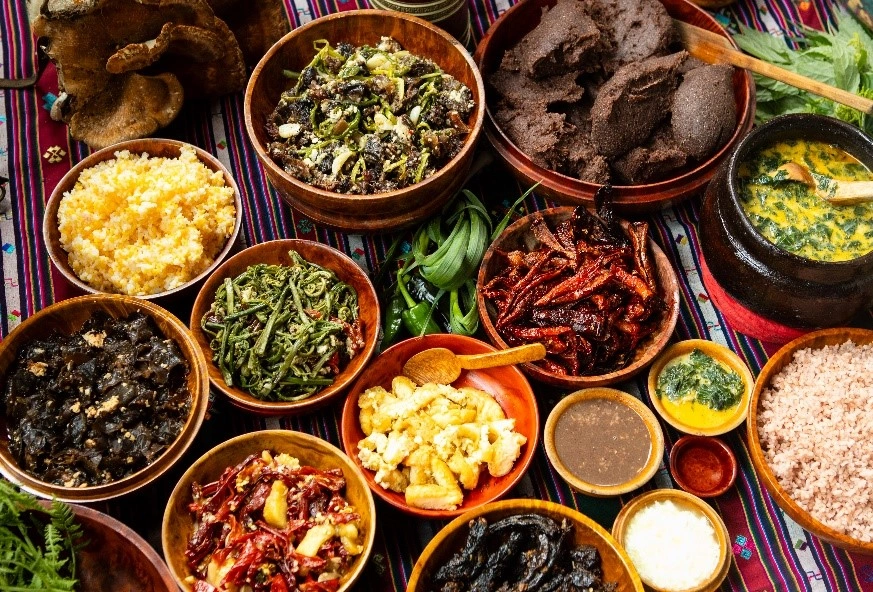
Bhutanese cuisine is hearty and flavorful, dominated by chilies, cheese, and rice, reflecting a culture where meals strengthen communal bonds. Ema datshi, the national dish of chilies in cheese sauce, exemplifies the spicy profile, paired with red rice, buckwheat noodles, or momos (dumplings). Dining is simple, often family-style with hands or utensils, emphasizing hospitality—hosts serve generously, and refusing seconds politely shows respect. Alcohol like ara (rice wine) is social, while butter tea (suja) warms during cold days. For Mauritanians, adapt to vegetarian options at sacred sites, discovering shared hospitality themes in this nourishing tradition.
Festivals, Religion, and Sacred Places
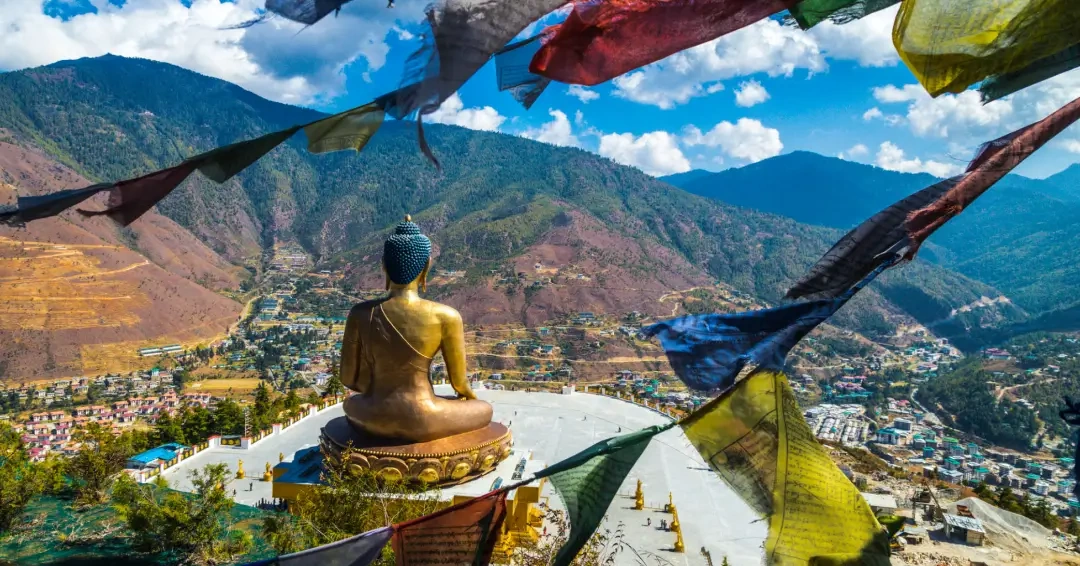
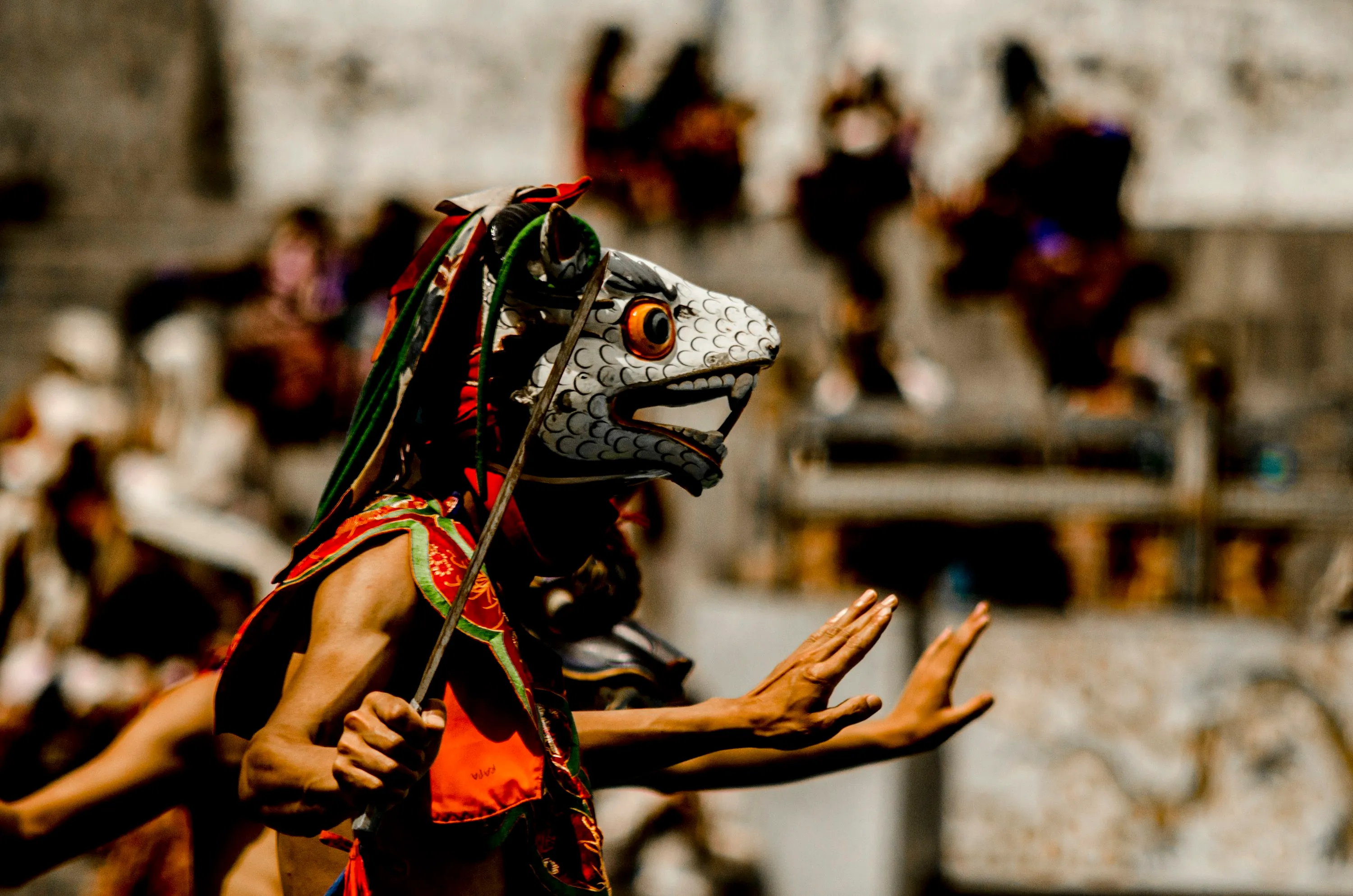
Religion permeates Bhutan, with Vajrayana Buddhism guiding daily life and festivals like Tshechus honoring Guru Rinpoche through masked dances and rituals at dzongs. Visitors witness vibrant processions, gaining insights into karma and enlightenment. At sacred sites, adhere to rules: modest dress, no photography inside, and quiet reverence. These experiences deepen cultural understanding, blending spectacle with spiritual reflection.
Hidden Challenges and Practical Inconveniences
Bhutan's allure includes minor inconveniences like slow service in eateries, reflecting a relaxed pace, or itinerary shifts due to weather on winding roads. Power outages occur sporadically, and road conditions challenge comfort, yet these foster patience, revealing the kingdom's charm in its unpolished authenticity.
Shopping and Souvenirs
Shopping in Bhutan centers on artisanal goods like handwoven textiles, prayer flags, and incense, found in markets without high-end malls. Seek authenticity via certificates; bargaining is uncommon, as fixed prices honor craftsmanship, ensuring meaningful mementos.
Altitude Awareness and Physical Preparedness
Altitude affects variably, with symptoms emerging above 2,500m; prepare by exercising beforehand, hydrating, and acclimatizing gradually. Adjust activities, recognizing Bhutan's terrains demand moderate fitness for enriching explorations.
Security, Safety, and Emergency Information
Bhutan's safety is exemplary, with low crime; respect laws against antiques export or public smoking. Emergencies: dial police at 113, ambulance 112. Mauritanian embassy access via India; carry contacts for peace of mind.
Photography and Drones
Photography is welcomed outdoors but prohibited inside religious sites; ask permission for locals. Drones require prior permits, restricted mostly to government use—declare if bringing, adhering to rules for respectful captures.
What Bhutan Does Not Have
Bhutan lacks skyscrapers, fast-food chains, casinos, and mega-malls, preserving its tranquility and cultural integrity as a cherished uniqueness.
Important Questions to Ask Before Booking a Tour
Before confirming your Bhutan tour, inquire about your guide's experience and language skills to ensure seamless communication, perhaps requesting English proficiency if needed. Ask how flexible the itinerary is for personal preferences or weather adjustments, and details on accommodations—confirm comfort levels, locations, and inclusions like Wi-Fi or dietary options. Probe into meal provisions, especially vegetarian or halal adaptations for Mauritanian tastes, and emergency protocols, including medical support and evacuation plans. Question SIM card arrangements for connectivity, tipping customs (typically voluntary but appreciated), and insurance requirements to align with your policy. These conversations build trust, tailoring your adventure safely.
Conclusion
In reflection, Bhutan offers Mauritanian travelers a rare sanctuary of cultural depth, pristine nature, and spiritual serenity, diverging from commercialized escapes to nurture profound personal growth amid its timeless landscapes.