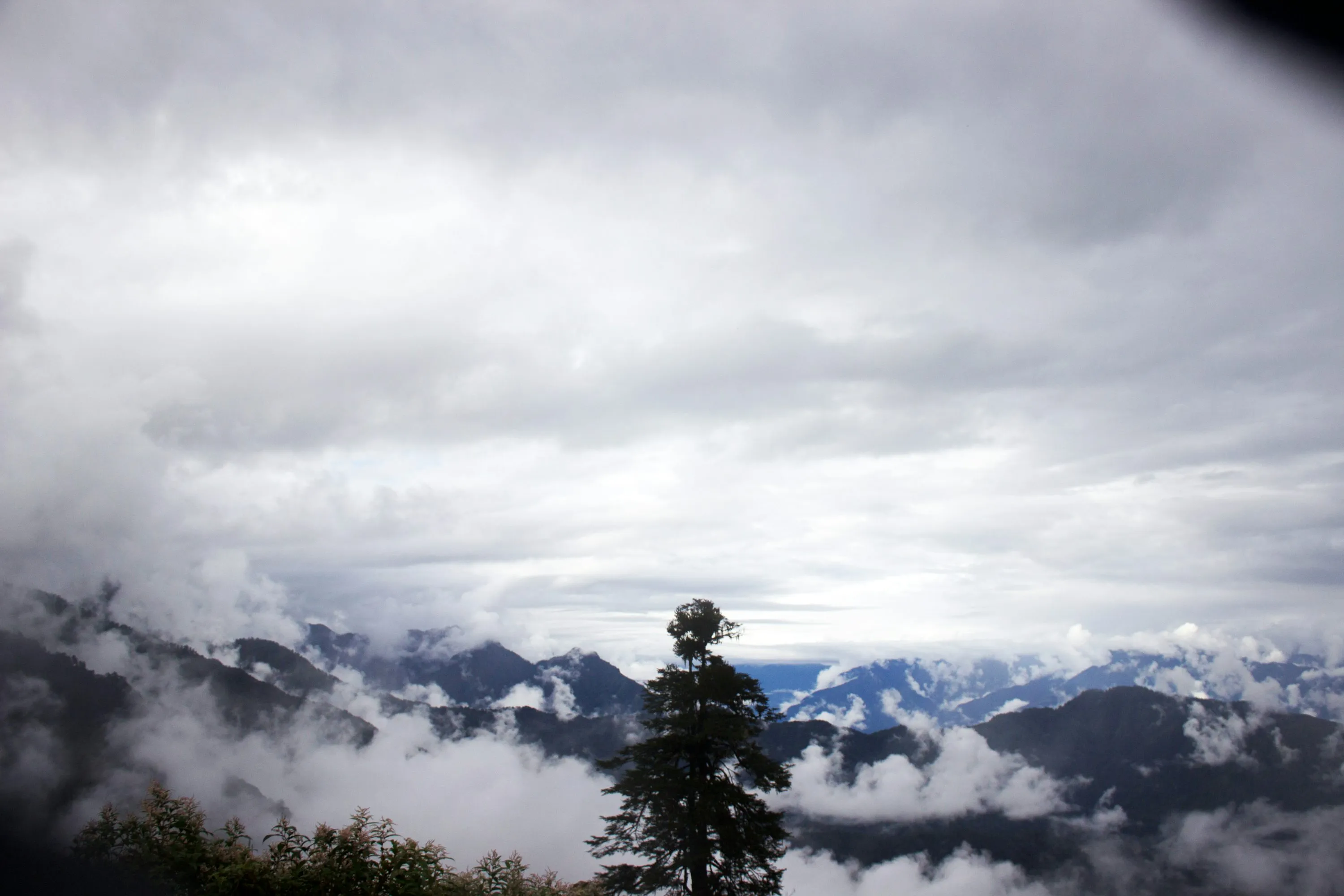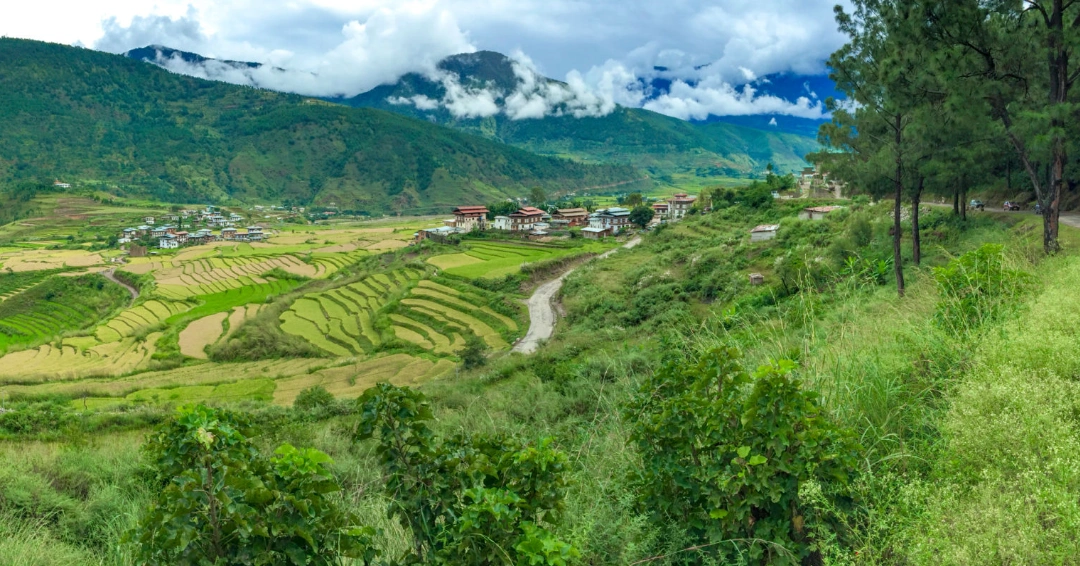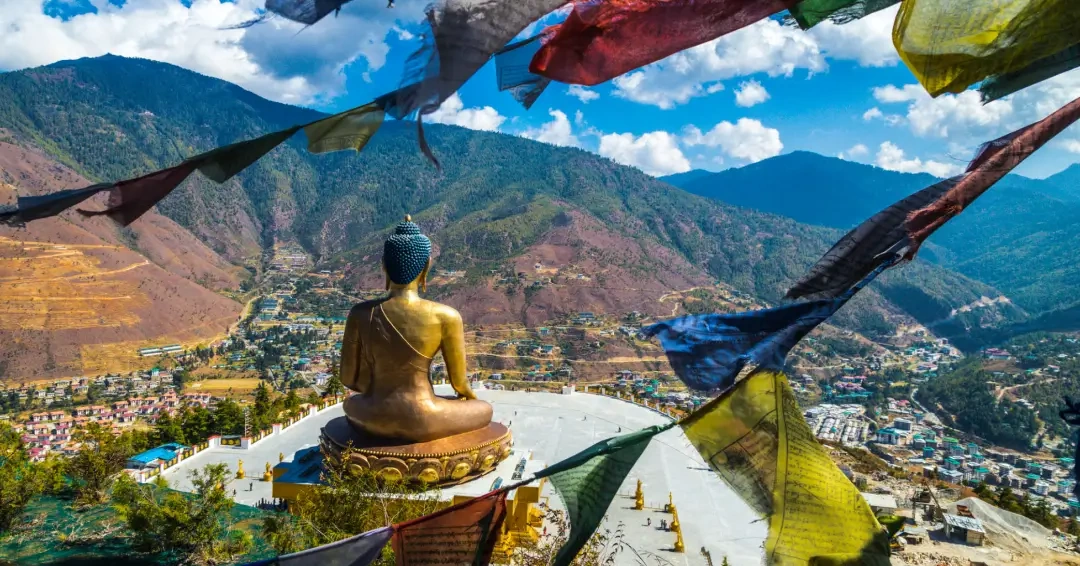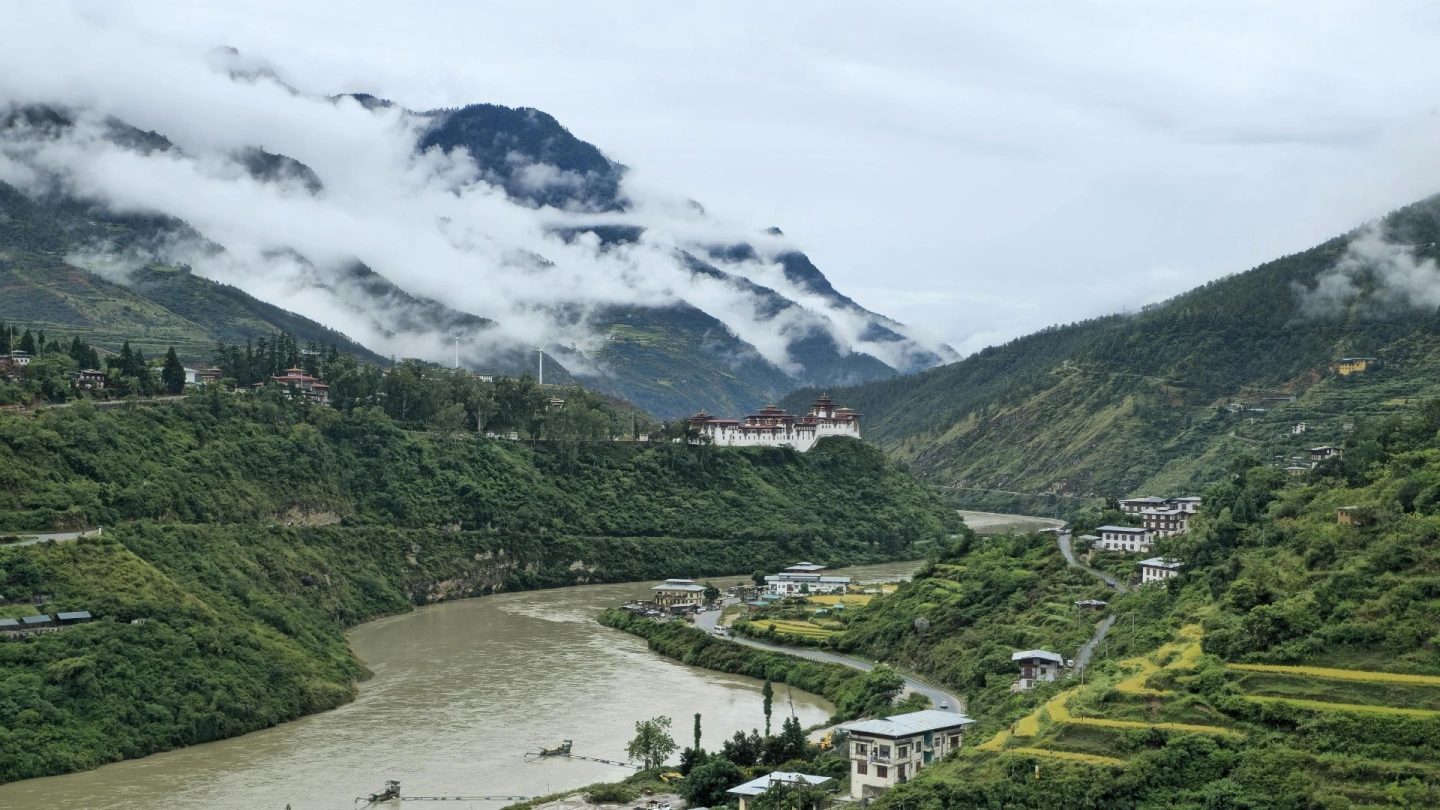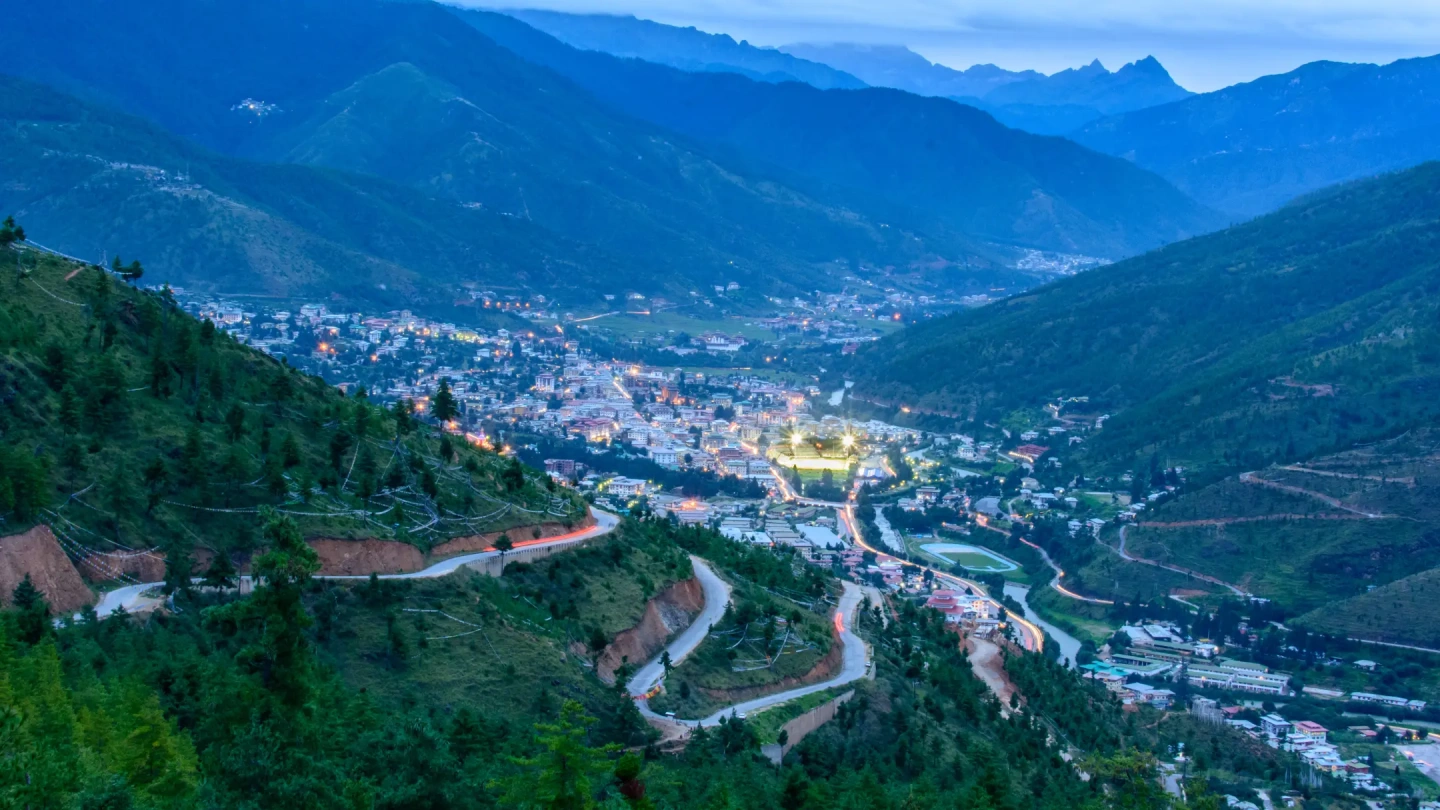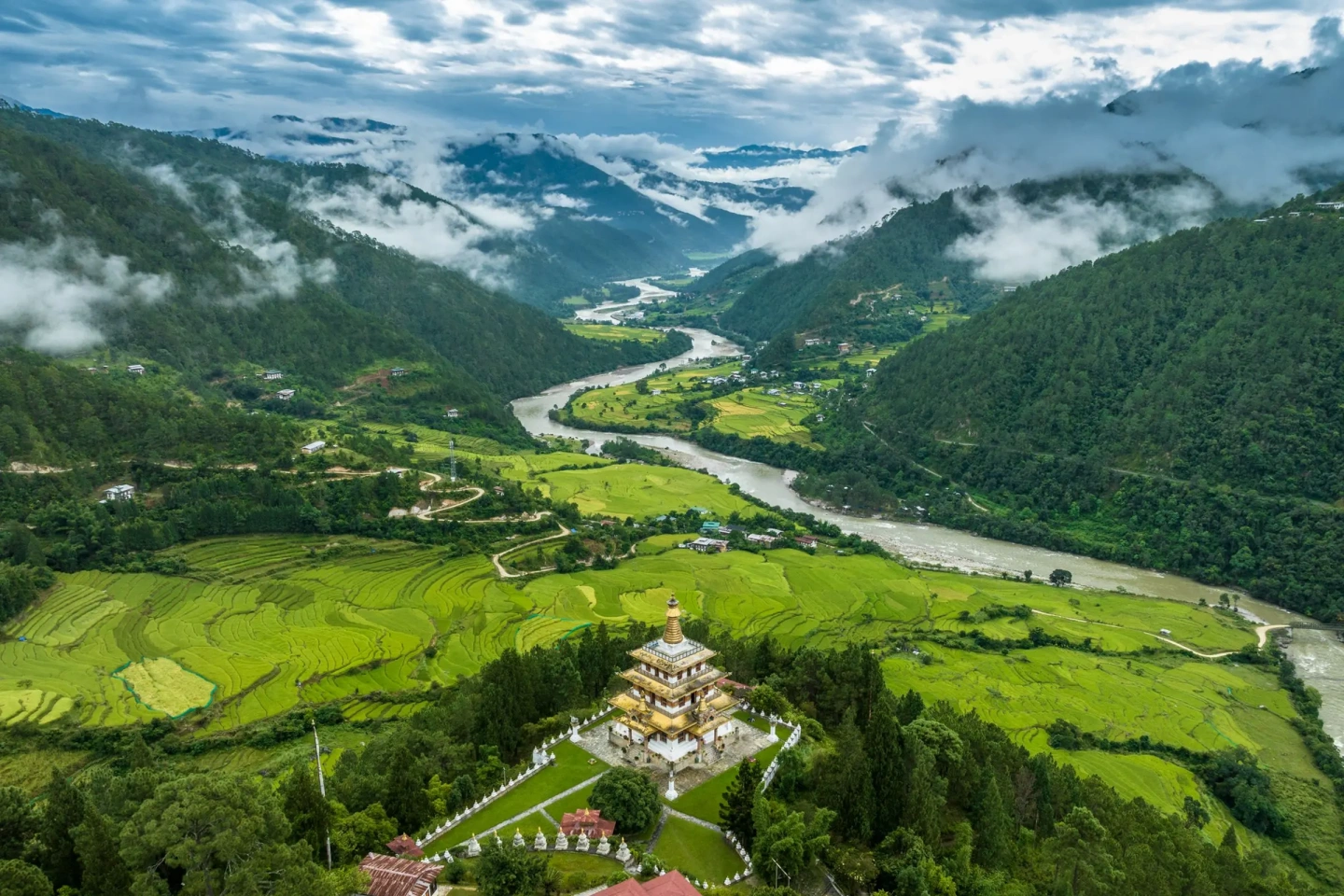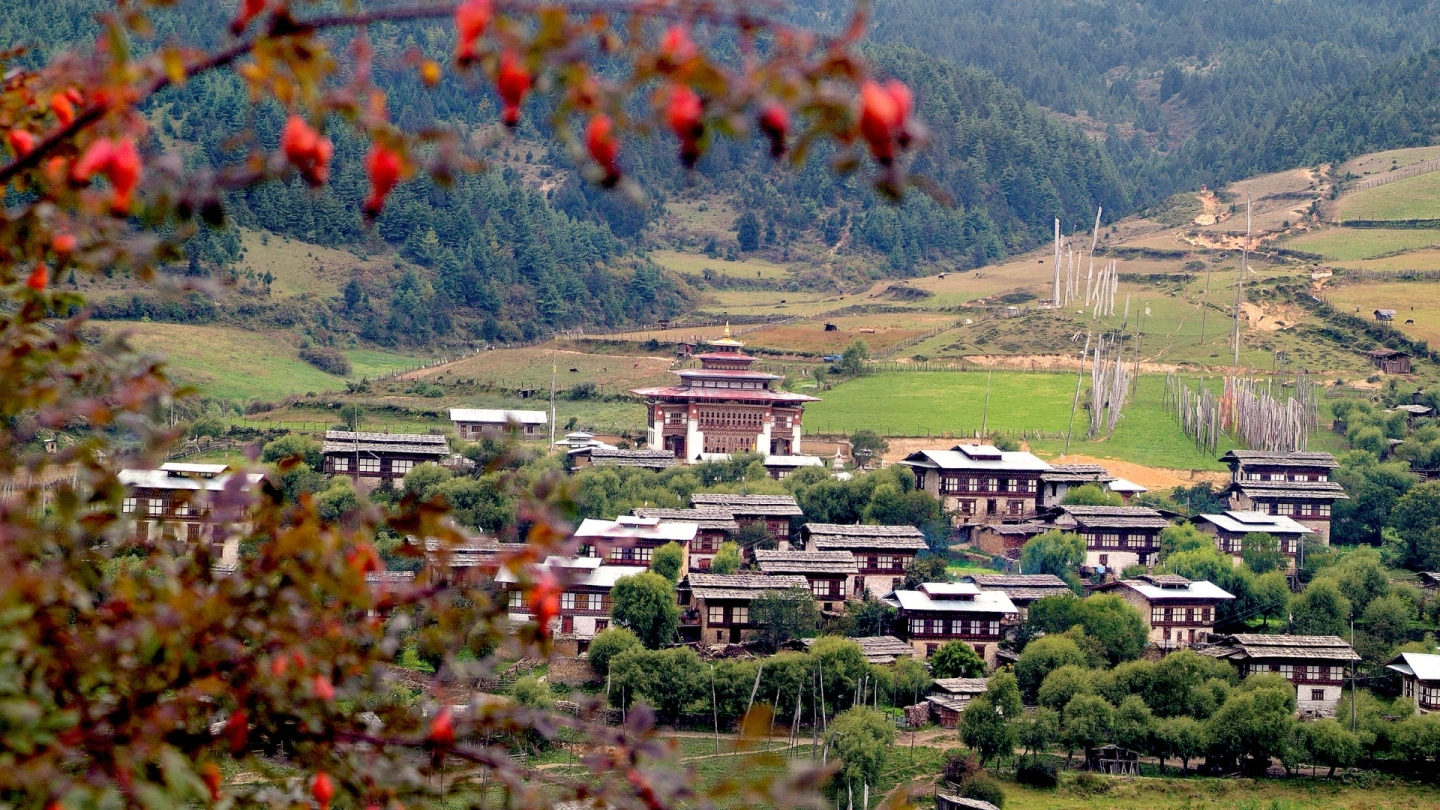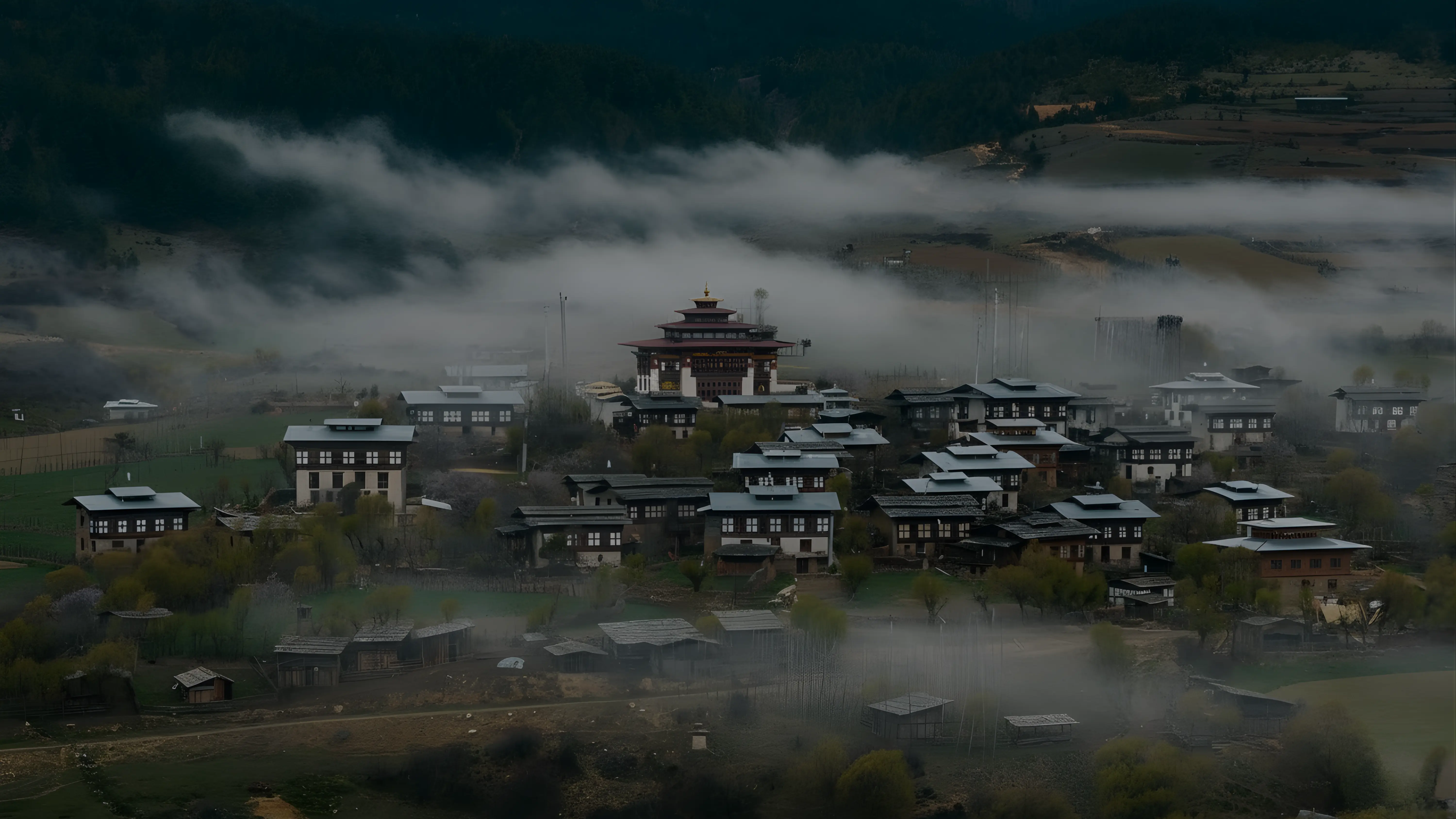



Nestled in the eastern Himalayas, Bhutan emerges as a land of profound serenity and cultural depth, often referred to as the last Shangri-La on Earth. For Bolivian travelers, venturing to this remote kingdom offers a realistic yet captivating escape from the bustling Andean landscapes of home. Bhutan is not a destination of grand illusions but one grounded in authenticity, where mist-shrouded mountains, ancient monasteries clinging to cliffs, and a commitment to sustainable living create an environment that invites introspection and wonder. While Bolivia and Bhutan share intriguing parallels—both are landlocked nations with rugged mountainous terrains that shape their identities and economies—they diverge in scale and philosophy. Bolivia, with its vast altiplano plateaus and diverse indigenous heritage from Quechua and Aymara communities, contrasts Bhutan's compact size and its unique focus on Gross National Happiness (GNH), a guiding principle that prioritizes well-being over material wealth. Diplomatic relations between the two countries remain neutral and underdeveloped, with no direct embassies, but this absence of formal ties only adds to the allure for Bolivians seeking uncharted cultural exchanges. Bhutan lacks the urban sprawl and mineral-driven economy of Bolivia, instead emphasizing environmental preservation and spiritual harmony, making it a compelling counterpoint for those accustomed to the vibrant markets of La Paz or the salt flats of Uyuni. As an experienced Bhutanese travel consultant, I assure you that while challenges like altitude and limited infrastructure exist, the rewards—immersive encounters with Buddhist traditions, pristine nature, and genuine hospitality—make Bhutan an unforgettable journey for Bolivian adventurers willing to embrace its deliberate pace and profound simplicity.
Visa and Entry Requirements
Bhutan's tourism is meticulously controlled to preserve its cultural and environmental integrity, mandating that all foreign visitors, including those from Bolivia, book their trips exclusively through licensed Bhutanese tour operators. This policy ensures that tourism remains sustainable and benefits local communities directly. For Bolivian tourists, the visa process is streamlined but requires advance planning; you cannot obtain a visa on arrival or independently. Your chosen tour operator will handle the application on your behalf, submitting necessary documents to the Tourism Council of Bhutan (TCB) at least two to three weeks prior to your travel date. Required documents typically include a scanned copy of your passport, valid for at least six months beyond your arrival in Bhutan, a recent passport-sized photograph, and proof of your tour booking. Once approved, the TCB issues a visa clearance letter, which you must present at your point of entry—usually Paro International Airport—where the actual visa stamp is affixed upon payment of the visa fee, currently around USD 40. Payment for the entire tour, including accommodations, meals, transportation, and guides, is intrinsically linked to visa approval; the operator must wire the full amount to the TCB before the visa is processed, ensuring that funds support Bhutan's development. A key component of this system is the Sustainable Development Fee (SDF), set at USD 100 per person per night for non-Indian visitors as of 2025, with reductions for children—exempt for those under 6 and half for ages 6 to 12. This fee directly funds education, healthcare, and conservation efforts, significantly impacting overall trip pricing by adding a substantial daily cost that promotes high-value, low-impact tourism rather than mass influxes.
Travel Routes from Bolivia to Bhutan
Traveling from Bolivia to Bhutan involves a multi-leg journey due to the absence of direct flights, requiring transits through major international hubs that connect South America to Asia. From major Bolivian cities like La Paz (El Alto International Airport, LPB) or Santa Cruz (Viru Viru International Airport, VVI), the most common routes begin with flights to transit points such as Santiago (Chile), Auckland (New Zealand), or even European cities like Madrid, before connecting to Asian gateways like Delhi (India), Bangkok (Thailand), or Kathmandu (Nepal). For instance, you might fly Boliviana de Aviación or LATAM Airlines from La Paz to Santiago, then onward to Bangkok via Qantas or another carrier, totaling around 30-40 hours with layovers. From these Asian hubs, only two airlines operate into Bhutan: Drukair (Royal Bhutan Airlines) and Bhutan Airlines (Tashi Air), both flying exclusively to Paro International Airport (PBH), one of the world's most challenging airports due to its high-altitude location at 2,235 meters and surrounding Himalayan peaks. Paro's runway limitations mean flights are visual-only, susceptible to weather disruptions like fog or wind, often causing delays or cancellations—expect flexibility in your schedule, as rescheduling might involve overnight stays in transit cities. Booking should be done well in advance through your tour operator, who can coordinate with Drukair's limited schedules; aim for off-peak times to avoid peak-season surcharges. Realistic expectations include potential jet lag from crossing multiple time zones (Bhutan is UTC+6, Bolivia UTC-4), customs checks in transit, and the thrill of Paro's dramatic landing, which demands experienced pilots and offers breathtaking views but underscores the need for patience amid unpredictable Himalayan weather.
Best Time to Visit and Seasonality
Bhutan's climate is diverse, influenced by its Himalayan topography, with four distinct seasons that profoundly affect travel experiences, from weather patterns to cultural events. Spring (March to May) brings mild temperatures ranging from 10-25°C in lower valleys, with blooming rhododendrons and clear skies ideal for trekking and sightseeing, though occasional showers can occur; this period aligns with festivals like Paro Tshechu in April, featuring masked dances and religious rituals that draw locals in vibrant attire. Summer (June to August) introduces the monsoon, with heavy rains up to 500mm monthly in southern regions, leading to lush greenery but slippery roads, landslides, and leeches in forests—visits during this time suit budget travelers seeking fewer crowds, though high-altitude areas remain cooler at 15-20°C. Autumn (September to November) is widely regarded as peak season, offering crisp air (5-20°C), azure skies, and harvest festivals such as Thimphu Tshechu in September, where communal celebrations highlight Bhutan's Buddhist heritage amid golden rice fields. Winter (December to February) sees colder conditions, with temperatures dropping to -5°C in higher elevations and snowfall blocking passes, yet it provides serene landscapes for cultural immersion and festivals like Punakha Tshechu in February. For Bolivian tourists, accustomed to Andean dry seasons and high altitudes, autumn is recommended for its stable weather, moderate crowds, and alignment with Bolivia's spring, minimizing seasonal shock; plan around festivals for deeper cultural insights, but book early as accommodations fill quickly, ensuring your trip balances activities like hiking with the kingdom's rhythmic seasonality.
Money, Costs, and Payment Methods
Bhutan's official currency is the Ngultrum (BTN), pegged at par with the Indian Rupee (INR), which is also widely accepted, facilitating easy exchanges for travelers. Bolivian visitors should exchange Bolivianos (BOB) for USD or INR before arrival, as direct conversions are unavailable; major banks like Bhutan National Bank in Thimphu and Paro offer foreign exchange desks, but rates favor USD for better value. ATMs are increasingly available in urban areas like Thimphu, Paro, and Punakha, accepting Visa and Mastercard, though rural spots lack them—withdraw sufficient cash in advance, as fees can reach BTN 200-500 per transaction, and networks occasionally falter due to power issues. Credit cards are accepted in upscale hotels and some shops, but not ubiquitously, so carrying cash in BTN or USD is advisable for smaller vendors and tips. Tour packages, mandatory for entry, typically cover accommodations in 3-star hotels or better, all meals (breakfast, lunch, dinner), internal transportation by private vehicle, English-speaking guides, and entry fees to sites, keeping daily costs structured around the SDF. Extras include alcoholic beverages, personal shopping, laundry, optional activities like hot stone baths, and gratuities—budget USD 10-20 daily for tips to guides and drivers, reflecting Bhutanese hospitality norms. Overall, a week-long trip might cost USD 1,500-2,500 per person excluding flights, emphasizing value in immersive experiences rather than luxury, with costs transparently tied to sustainable development.
Health, Safety, and Travel Insurance
Health considerations in Bhutan revolve around its high-altitude terrain, where elevations from 1,200 to over 5,000 meters can trigger altitude sickness, manifesting as headaches, nausea, or fatigue—Bolivians, familiar with Andean heights, may adapt better but should still ascend gradually and stay hydrated. Recommended vaccinations include tetanus, typhoid, hepatitis A, and possibly rabies due to stray dogs; consult a travel clinic for updates, as malaria is low-risk but present in southern borders. Medical facilities are basic, with well-equipped hospitals in Thimphu but limited in remote areas, necessitating comprehensive travel insurance that covers high-altitude emergencies and helicopter evacuations, which can cost thousands. Bhutan boasts exceptional safety, with low crime rates rooted in Buddhist values of compassion, making it one of Asia's safest destinations; however, minor risks include pickpocketing in crowded festivals, encounters with stray dogs (avoid feeding them), and uneven trekking paths that demand sturdy footwear. Traffic accidents on winding roads are a concern, so rely on experienced drivers. Insurance is non-negotiable, as tour operators require proof, ensuring peace of mind for Bolivian travelers navigating this harmonious yet rugged kingdom.
Cultural Etiquette and Social Expectations
Bhutanese society is deeply rooted in Buddhist principles of respect, humility, and harmony, requiring visitors to adopt behaviors that honor these values, especially in sacred spaces. When entering temples or monasteries, remove hats and shoes, dress modestly by covering shoulders and knees (long pants for men, skirts or pants for women), and move clockwise around stupas or prayer wheels as a sign of reverence—pointing feet at altars or monks is offensive, so sit cross-legged. Socially, Bhutanese prize patience and politeness; greetings involve a slight bow with palms together, saying "Kuzuzangpo la" (hello), and adding "la" for respect—avoid public displays of affection, as modesty prevails. Humility is key; boasting or loud behavior contrasts with the quiet demeanor, so Bolivian travelers, known for warm expressiveness, might adjust by speaking softly and listening attentively. In homes or during meals, accept offerings with both hands, and never refuse tea outright—politely sip if uninterested. Photography of people requires permission, reflecting privacy respect, while bargaining in markets should be gentle and fair. These nuances foster meaningful connections, allowing Bolivians to blend their indigenous respect for nature with Bhutan's spiritual ethos for a enriching cultural dialogue.
Connectivity, SIM Cards, Internet Access
Connectivity in Bhutan has improved but remains variable, with Wi-Fi available in most hotels and cafes in urban areas like Thimphu and Paro, though speeds are modest (5-20 Mbps) and outages occur due to weather or infrastructure. Rural regions offer spotty coverage, so prepare for digital detoxes during treks. For mobile data, tourists can purchase prepaid SIM cards from B-Mobile (Bhutan Telecom) or TashiCell, the two main providers, at airports, operator outlets, or through your guide—bring your passport and visa for registration, with cards costing around BTN 100-200 including initial credit. TashiCell's tourist packages, like 2GB for 7 days at BTN 200, suit short stays, while B-Mobile offers broader coverage. Activation is quick, but signal weakens in mountains. Bolivian apps may work unrestricted, but a VPN is useful for secure access or bypassing occasional blocks. This setup ensures Bolivians stay connected for essentials like family calls or navigation, balancing Bhutan's tranquility with modern needs.
Language and Communication
Dzongkha is Bhutan's national language, with regional dialects like Tshangla and Lhotshamkha, but English is the medium of instruction in schools and prevalent in tourism, making communication straightforward for English-proficient Bolivians—guides, hotel staff, and urban locals speak it fluently. Spanish-speaking guides are rare, as tourism caters primarily to English, Hindi, or Asian languages; Quechua or Aymara options are nonexistent, given Bhutan's linguistic isolation. For limited-English travelers, strategies include using translation apps like Google Translate (download offline packs), learning basic Dzongkha phrases ("thank you" is "kadinche la"), or relying on your mandatory guide as an interpreter. Non-verbal cues, smiles, and gestures aid interactions, while festivals offer visual cultural immersion. This linguistic landscape encourages Bolivians to embrace simple, patient exchanges, fostering deeper connections beyond words.
Packing and Preparation Advice
Packing for Bhutan demands versatility to handle its microclimates, from warm valleys to chilly highlands, so layer clothing: breathable base layers, fleece jackets, waterproof windbreakers, and thermal underwear for evenings when temperatures drop below 10°C. Sturdy hiking boots are essential for uneven trails, alongside comfortable walking shoes for towns; pack quick-dry pants, long-sleeve shirts for sun and modesty, hats, gloves, and scarves for higher altitudes. Personal items include high-SPF sunscreen, lip balm, insect repellent (for monsoons), reusable water bottle for hydration, and toiletries like biodegradable soap—hotels provide basics, but rural stays may not. Medications are crucial: altitude sickness remedies (consult a doctor for acetazolamide), pain relievers, antidiarrheals, and personal prescriptions, plus a first-aid kit. Power adapters for Type D/F/G sockets (230V), portable charger for outages, and binoculars for wildlife enhance the experience. Bolivians, used to high altitudes, should still pack ginger chews for nausea and moist wipes for dusty roads. Avoid overpacking, as luggage limits on Drukair are 20kg; focus on eco-friendly items to align with Bhutan's conservation ethos, preparing for a journey of natural and spiritual discovery.
Bhutan’s Unique Tourism Philosophy
At the heart of Bhutan's approach to tourism lies the philosophy of Gross National Happiness (GNH), introduced by the Fourth King in the 1970s as a holistic measure of progress encompassing psychological well-being, health, education, cultural diversity, good governance, community vitality, ecological resilience, and living standards. This framework shapes the kingdom's cautious tourism policies, prioritizing "high value, low volume" visitors to prevent the cultural erosion and environmental degradation seen elsewhere. By requiring bookings through local operators and imposing the SDF, Bhutan ensures tourism revenues bolster local economies without overwhelming infrastructure or traditions—visitor numbers are capped, development is regulated to maintain architectural harmony, and modernization is selective, preserving forests covering over 70% of the land. For Bolivian travelers, this philosophy resonates with indigenous stewardship of the Andes, yet offers a model where happiness metrics guide policy, explaining why Bhutan eschews mass tourism for meaningful encounters that enrich both visitor and host, fostering a deeper appreciation for sustainable living in a globalized world.
Mindset and Expectations for Visitors
Visiting Bhutan requires a mindset attuned to its unhurried rhythm, where time flows with the grace of Himalayan rivers rather than the urgency of urban life. Bolivian travelers, familiar with Bolivia's vibrant yet sometimes chaotic pace, should anticipate a slower tempo: meals arrive thoughtfully prepared, conversations unfold organically, and itineraries flex with weather or festivals. Infrastructure is functional but modest—roads wind narrowly through mountains, potentially causing motion sickness, while hotels are cozy, family-run establishments offering clean comfort without five-star extravagance. Nightlife is absent, replaced by stargazing or monastery visits; luxury shopping yields to artisan markets, and fast-paced entertainment to contemplative hikes. This emphasis on nature, culture, and spirituality over material convenience invites reflection, encouraging visitors to disconnect from gadgets and immerse in Bhutan's essence. Adjusting expectations to value these simplicities transforms potential frustrations into charms, allowing Bolivians to discover parallels in communal harmony and find rejuvenation in the kingdom's serene authenticity.
Food and Dining Culture
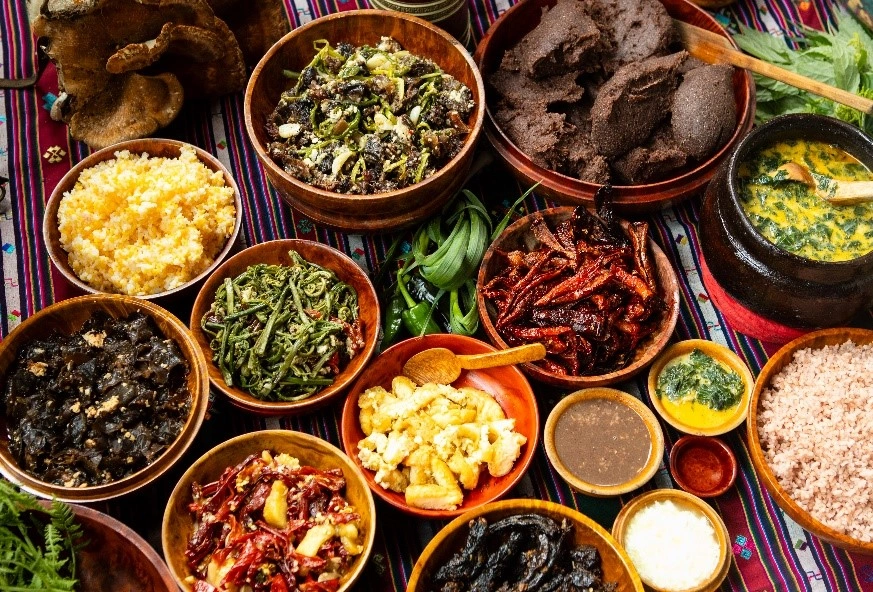
Bhutanese cuisine reflects the kingdom's agrarian roots and Himalayan influences, characterized by bold, spicy flavors from chilies, hearty use of cheese, and simple, nourishing ingredients like red rice, buckwheat, and vegetables. Staple dishes include ema datshi (chili cheese stew), a fiery national favorite blending green chilies with melted yak or cow cheese; phaksha paa (pork with radish and chilies); and momos (steamed dumplings filled with meat or vegetables). Meals are communal, often served family-style with rice as the base, emphasizing hospitality where hosts offer seconds generously—diners eat with hands or utensils, but always accept with the right hand. Tea holds cultural prominence: suja (buttery, salty tea) warms during cold days, while ngaja (sweet milk tea) accompanies conversations. Alcohol, like ara (distilled rice wine), features in rituals and social gatherings, consumed moderately in homes but available in bars; beer, including local Druk brands, pairs with meals. For Bolivians accustomed to quinoa and spicy aji, Bhutan's food offers familiar heat but unique dairy twists, with vegetarian options abundant due to Buddhist ethics—dining becomes a gateway to understanding the kingdom's emphasis on shared sustenance and mindful eating.
Festivals, Religion, and Sacred Places
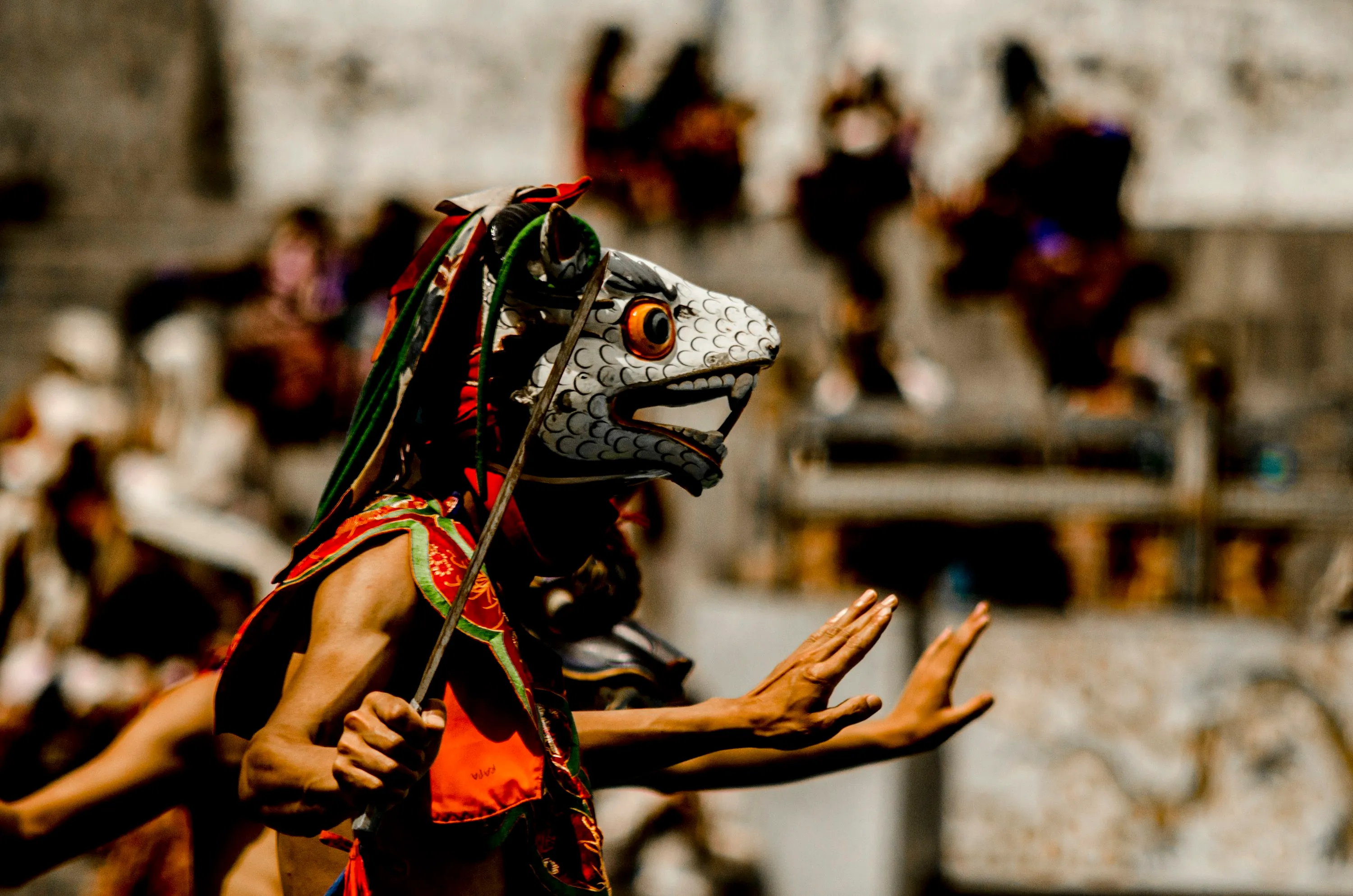
Religion permeates every aspect of Bhutanese life, with Vajrayana Buddhism shaping daily practices, architecture, and festivals that serve as vibrant expressions of faith and community. Tshechus, annual religious festivals held in dzongs (fortress-monasteries), honor Guru Rinpoche through masked dances (cham) depicting moral tales, accompanied by music, blessings, and communal feasts—visitors witness locals in traditional gho and kira attire, fostering a sense of unity. Sacred sites like Taktsang (Tiger's Nest) Monastery require respectful conduct: dress modestly, remove shoes, avoid touching artifacts, and maintain silence during prayers. These experiences deepen understanding of Bhutan's spiritual core, where karma and compassion guide interactions, offering Bolivian travelers parallels to Andean shamanism while highlighting Buddhism's unique rituals. Attending a tshechu contributes to cultural immersion, revealing how religion sustains the kingdom's harmony and resilience.
Hidden Challenges and Practical Inconveniences
While Bhutan's allure lies in its preserved authenticity, travelers encounter subtle challenges that test patience but enhance the adventure. Road conditions, often narrow and winding with ongoing construction, can lead to bumpy rides and delays from landslides, especially in monsoons—journeys between towns might extend hours beyond estimates. Power outages are common in rural areas due to hydroelectric reliance and weather, interrupting Wi-Fi or lighting, though hotels usually have generators. Service in restaurants or shops proceeds at a leisurely pace, reflecting the cultural aversion to haste, and itineraries may shift for festivals or closures. These inconveniences, framed as integral to Bhutan's charm, encourage mindfulness; Bolivians, versed in Bolivia's variable infrastructure, will appreciate how such elements preserve the kingdom's unspoiled essence, turning potential frustrations into opportunities for serene adaptation.
Shopping and Souvenirs
Shopping in Bhutan centers on authentic handicrafts that embody the kingdom's artisanal heritage, with markets in Thimphu and Paro offering handwoven textiles like kira fabrics in intricate patterns, symbolizing cultural identity. Other souvenirs include thangka paintings (Buddhist scroll art), prayer wheels, wooden masks, incense from local herbs, and yathra wool products from Bumthang. High-end malls are absent, replaced by cooperative shops ensuring fair trade—bargaining is mild and respectful, as fixed prices prevail in government outlets for authenticity. Seek certificates for antiques to comply with export rules. This experience allows Bolivians to acquire meaningful mementos, supporting artisans while echoing Bolivia's craft traditions.
Altitude Awareness and Physical Preparedness
Altitude in Bhutan varies dramatically, affecting travelers with symptoms like shortness of breath or insomnia—Bolivians may fare better due to Andean acclimatization, but precautions are vital. Acclimatize by spending initial days in lower Paro (2,200m) before ascending to Thimphu (2,300m) or higher passes like Dochula (3,100m); hydrate with 3-4 liters daily, avoid alcohol initially, and eat light, carbohydrate-rich meals. Monitor for severe signs like persistent headaches, descending if needed. Physical preparation involves cardio exercises pre-trip, with tours adjusting for fitness—treks demand moderate stamina, but guides assist. This awareness ensures safe enjoyment of Bhutan's heights.
Security, Safety, and Emergency Information
Bhutan's security is exemplary, with minimal crime and a peaceful populace, allowing safe solo walks even at night. Respect local laws, like bans on tobacco sales or wildlife poaching, to avoid fines. For emergencies, dial 112 for ambulances, 113 for police; tour guides coordinate responses. Bolivian travelers access consular aid via the U.S. Embassy in New Delhi (handling some functions) or Bolivia's missions in India. This safe environment reassures visitors, focusing on cultural exploration.
Photography and Drones
Photography in Bhutan is welcomed for landscapes but restricted in religious interiors—seek permission for people or sacred sites, avoiding flashes or tripods in monasteries. Drones require BCAA permits, limited to 6kg weight, visual line-of-sight, and under 90m height; prohibited near airports or military areas. Respectful use preserves trust and cultural sensitivity.
What Bhutan Does Not Have
Bhutan consciously avoids elements of modern excess, lacking skyscrapers in favor of traditional architecture, fast-food chains to protect local cuisine, casinos to uphold moral values, and big shopping centers for artisan focus. This absence underscores the kingdom's unique charm, prioritizing happiness and sustainability over commercialization.
Important Questions to Ask Before Booking a Tour
Before committing to a Bhutan tour, Bolivian travelers should engage in thorough discussions with operators to ensure alignment with expectations. Inquire about the guide's experience and language skills—will they speak fluent English, and can they accommodate basic Spanish phrases if needed? Ask about itinerary flexibility: how adaptable is the schedule for weather changes or personal interests like extended hikes? Probe accommodations: what star level are hotels, and do they include amenities like heating for cold nights? On food, clarify if dietary preferences, such as vegetarian or less spicy options, can be arranged, and what's covered beyond standard meals. For emergencies, confirm protocols: does the operator provide 24/7 support, medical kits, or evacuation plans? Regarding SIM cards, ask if they assist with purchasing and which provider offers best coverage. Tipping norms should be detailed: what's customary for guides and drivers? Finally, verify insurance requirements: does the tour mandate coverage, and what partnerships exist for claims? These questions, posed conversationally, build confidence for a seamless journey.
Conclusion
In reflection, Bhutan stands as a rare sanctuary for Bolivian travelers, offering cultural depth through its Buddhist heritage, natural beauty in untouched forests and peaks, and spiritual peace amid a world of haste. Unlike commercialized destinations, it invites authentic connections, rewarding those who seek meaningful experiences over superficial thrills.