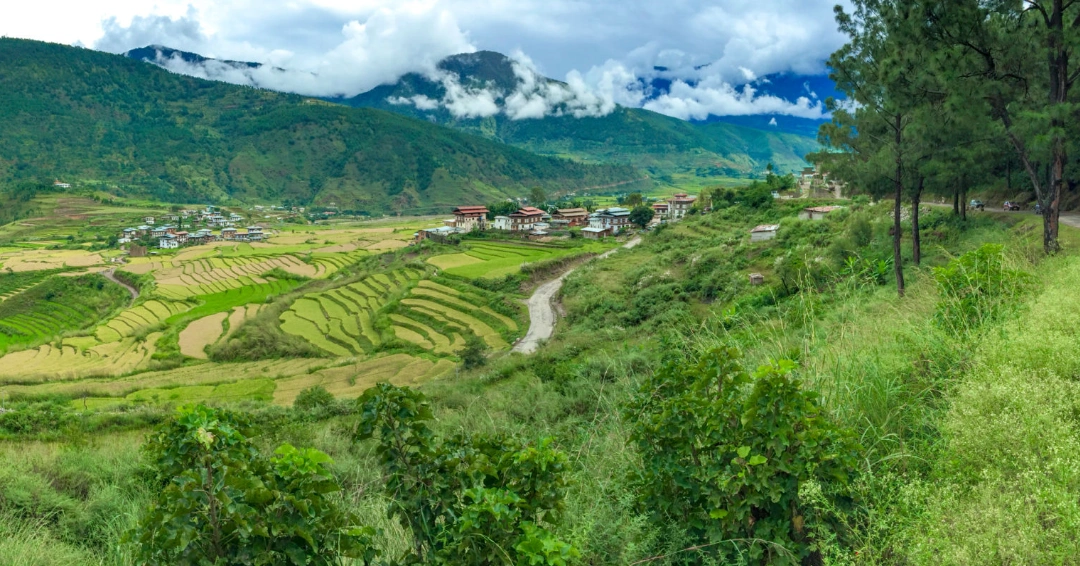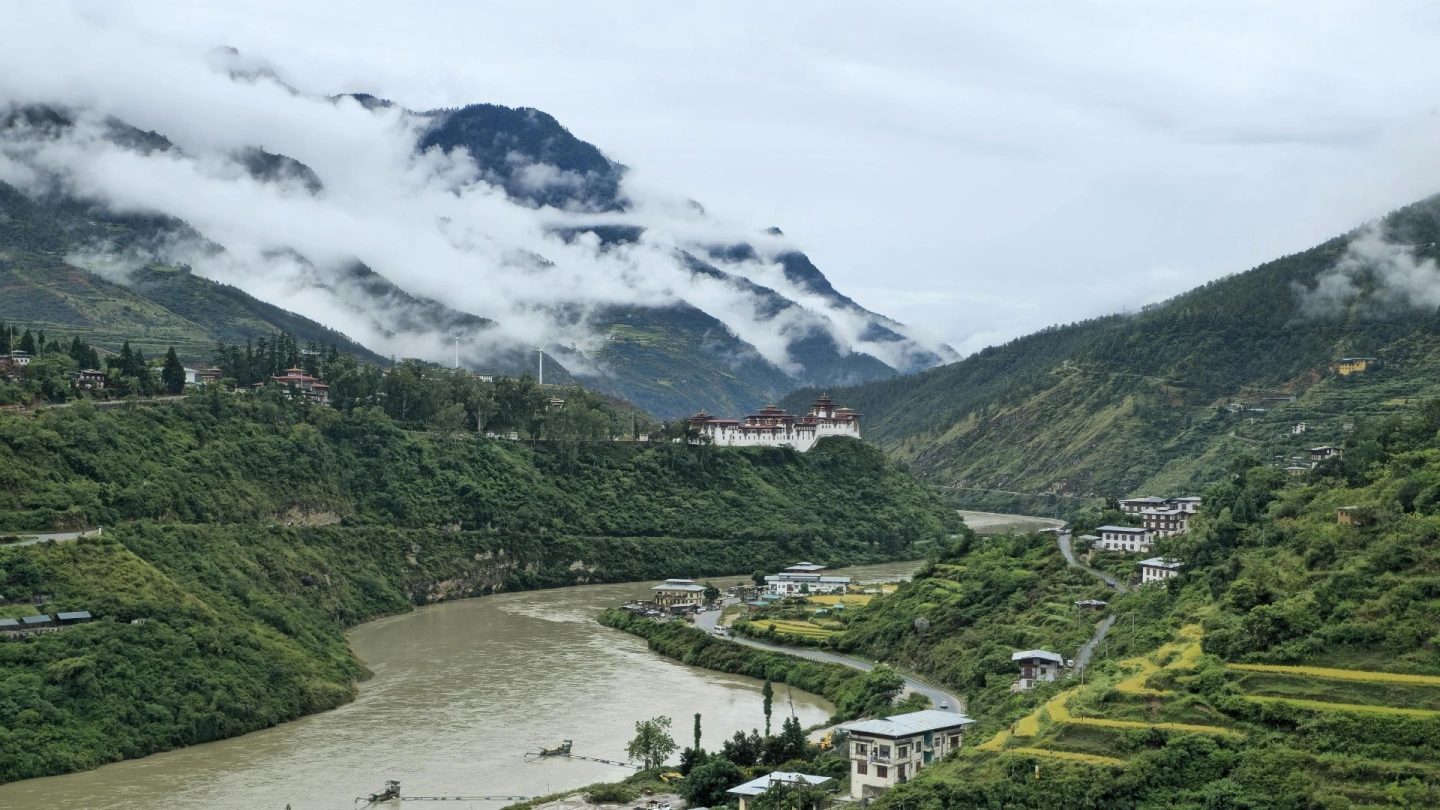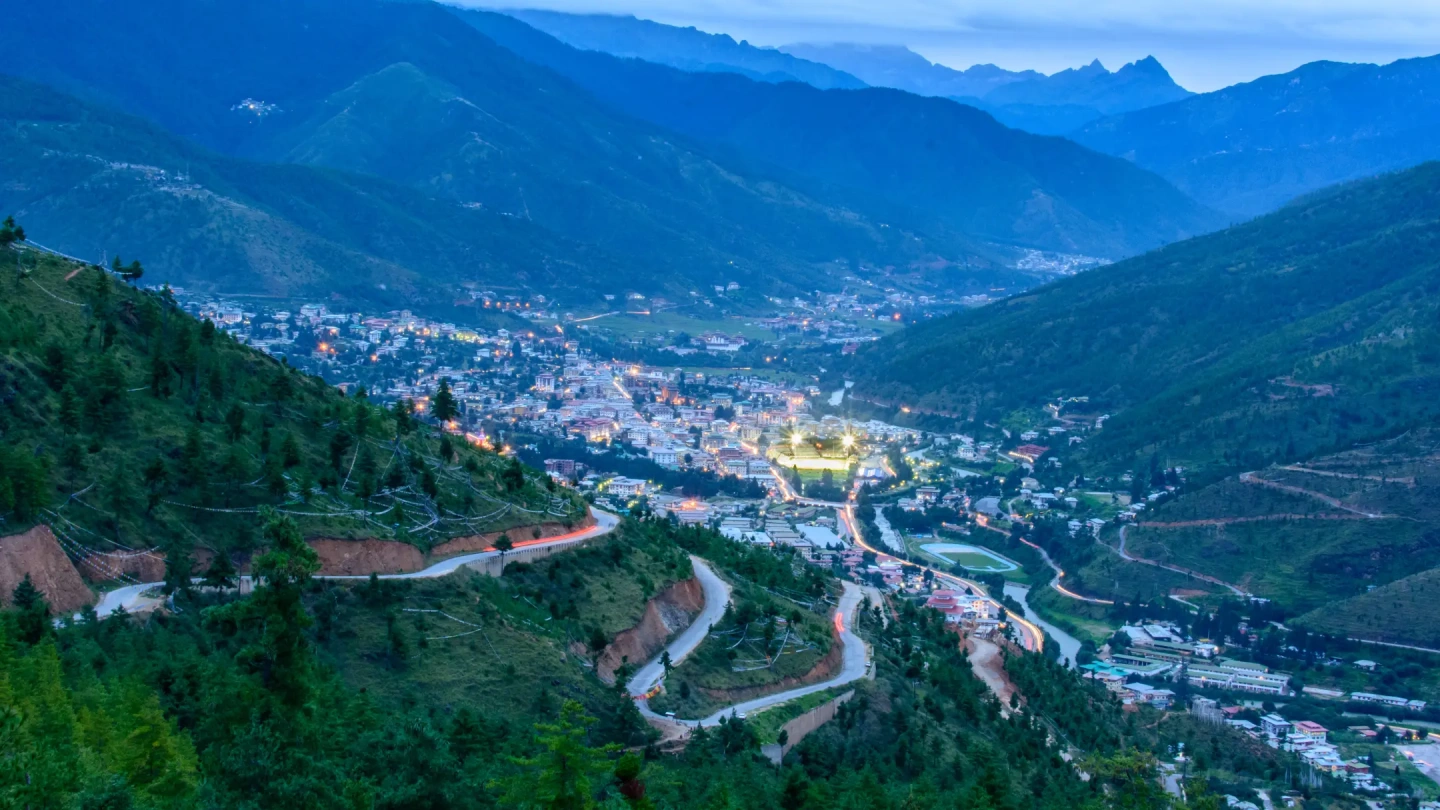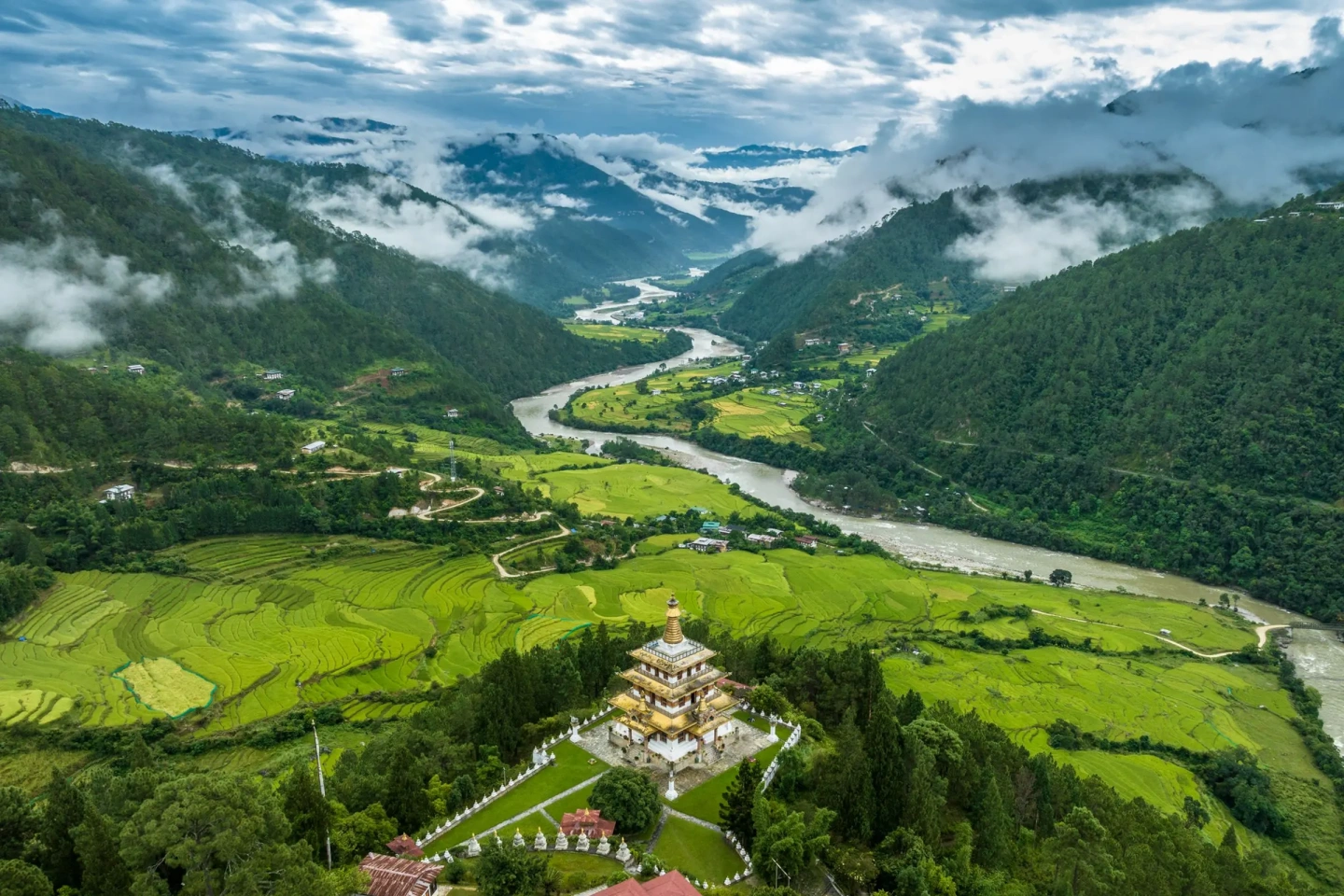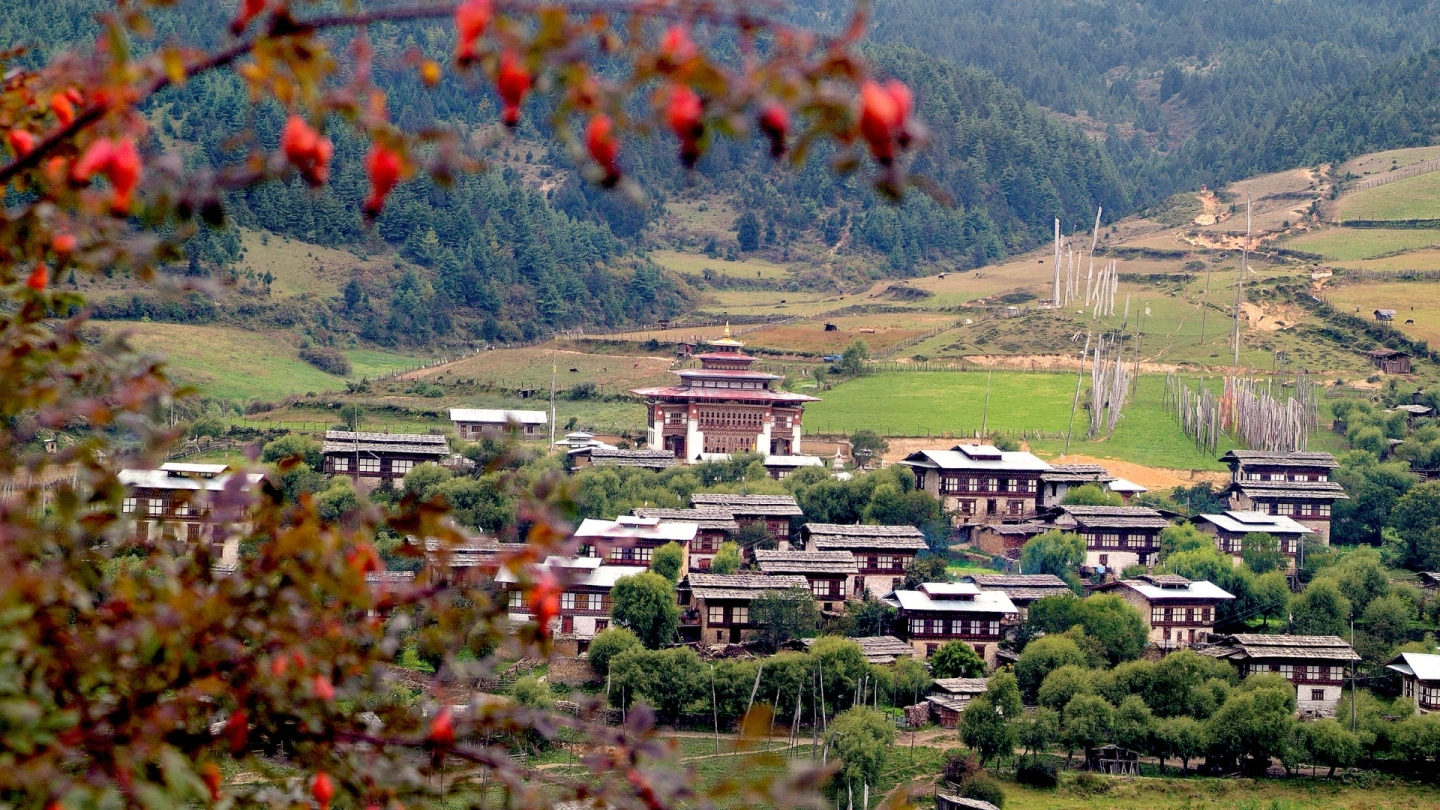



Bhutan, the enchanting kingdom nestled in the Eastern Himalayas, beckons Tuvaluan travelers with its pristine landscapes, profound spiritual heritage, and unwavering commitment to sustainability. Often referred to as the "Land of the Thunder Dragon," Bhutan offers a journey into a world where ancient traditions harmoniously coexist with nature's grandeur, providing a stark contrast to the turquoise lagoons and coral atolls of Tuvalu. While Tuvalu, a Pacific island nation comprising nine low-lying atolls, faces existential threats from rising sea levels due to climate change, Bhutan stands as a carbon-negative country, absorbing more carbon dioxide than it emits through its vast forests and eco-friendly policies. This shared vulnerability to environmental changes has fostered a subtle yet meaningful connection between the two nations, both being small, sovereign states and members of the United Nations, advocating for global climate action. Diplomatic relations between Bhutan and Tuvalu are neutral and cooperative, with no direct embassies but mutual recognition through international forums, emphasizing solidarity among developing countries. For Tuvaluans accustomed to a tropical, ocean-centric lifestyle with a population of around 11,000 spread across remote islands, Bhutan presents a refreshing shift to high-altitude mountains, fortified monasteries, and a society deeply rooted in Buddhist philosophy. The comparisons are intriguing: Tuvalu's flat terrain rarely exceeds 4 meters above sea level, while Bhutan's elevations soar from 100 meters in the south to over 7,000 meters in the north, offering Tuvaluans an opportunity to experience dramatic vertical landscapes. Culturally, both nations cherish community and environmental stewardship—Tuvalu's communal island life mirrors Bhutan's emphasis on collective happiness—but Bhutan's Gross National Happiness index adds a unique layer of introspection. This guide, crafted as if by an experienced Bhutanese travel consultant, aims to equip Tuvaluan visitors with a thorough understanding of Bhutan, ensuring a respectful, enriching, and seamless adventure that honors the kingdom's controlled tourism approach and invites you to discover its soul-stirring beauty.
Visa and Entry Requirements
Bhutan's tourism policy is meticulously designed to preserve its cultural integrity and natural environment, mandating that all foreign visitors, including those from Tuvalu, must book their trips through licensed Bhutanese tour operators. This controlled approach ensures sustainable tourism by limiting visitor numbers and channeling revenue directly into conservation and community development. For Tuvaluan tourists, obtaining a visa is a straightforward yet structured process handled entirely by your chosen tour operator, eliminating the need for direct applications at Bhutanese embassies or consulates, as Tuvalu does not host one. To initiate the visa, you'll need to provide a scanned copy of your passport (valid for at least six months beyond your planned stay), a recent passport-sized photo, and proof of travel insurance covering medical emergencies and evacuation. The tour operator submits these documents to the Tourism Council of Bhutan (TCB) along with your itinerary and payment details, typically securing visa approval within 72 hours. Upon approval, you'll receive an e-visa letter via email, which must be presented at your point of entry—usually Paro International Airport—where the actual visa stamp is issued for a fee of about USD 40, valid for up to 90 days depending on your tour duration. Crucially, the visa is intrinsically linked to the payment of the Sustainable Development Fee (SDF), a daily levy that supports Bhutan's free education, healthcare, and environmental initiatives. As of 2025, the SDF stands at USD 100 per person per night for most international visitors, including Tuvaluans, with reductions for children: free for those under 6, USD 50 for ages 6-12, and full rate for those above 12. This fee significantly impacts overall pricing, as it is incorporated into your tour package, which must cover accommodations, meals, transportation, and a licensed guide. Without full prepayment of the tour and SDF to the TCB via your operator, the visa will not be granted, underscoring Bhutan's emphasis on high-value, low-impact tourism that benefits locals rather than overwhelming the fragile ecosystem.
Travel Routes from Tuvalu to Bhutan
Traveling from Tuvalu to Bhutan involves a multi-leg journey, reflecting the remote geographies of both nations, with no direct flights connecting the Pacific islands to the Himalayan kingdom. Tuvalu's primary international gateway is Funafuti International Airport (FUN), serving limited flights primarily to Suva in Fiji via Fiji Airways, operating two to three times weekly on small propeller aircraft like the ATR 72. From Suva's Nadi International Airport (NAN), Tuvaluan travelers can connect to major Asian hubs such as Bangkok (BKK), Delhi (DEL), or Kathmandu (KTM), which serve as common transit points for flights into Bhutan. For instance, a typical route might involve flying from Funafuti to Nadi (about 2 hours), then onward to Bangkok via Fiji Airways or Qantas (around 10-12 hours), followed by a connection to Paro (PBH) on Drukair or Bhutan Airlines, Bhutan's only two national carriers, which takes approximately 5-6 hours. Alternative paths include transiting through Sydney or Singapore from Nadi, then to Delhi or Kathmandu, where Drukair operates seasonal flights to Paro. These airlines are the exclusive operators into Paro International Airport, renowned for its challenging approach amid steep mountains, requiring specially trained pilots and visual flight rules that can lead to delays or cancellations due to unpredictable weather like fog or high winds, especially during the monsoon season. Realistic expectations for booking include planning at least 3-6 months in advance through your Bhutanese tour operator, who can coordinate flights as part of your package, though international segments from Tuvalu must be arranged separately. Flight schedules are infrequent—Drukair flies to Bangkok daily but to other hubs 2-4 times weekly—so flexibility is key, with potential layovers of 8-24 hours in transit cities. Total travel time can span 20-40 hours, including waits, so Tuvaluans should prepare for jet lag and consider business-class options on long-haul legs for comfort, while noting that Paro's airport limitations mean no night operations, restricting arrivals to daylight hours.
Best Time to Visit and Seasonality
Bhutan's climate is as diverse as its topography, divided into four distinct seasons that profoundly influence travel experiences, from blooming valleys in spring to crisp, clear skies in autumn. Spring, spanning March to May, brings mild temperatures averaging 10-20°C in lower altitudes, with rhododendrons and jacarandas painting the landscapes in vibrant hues, making it ideal for trekking and cultural explorations; however, occasional showers can muddy trails. Summer, from June to August, ushers in the monsoon with heavy rains (up to 500mm monthly in the south), leading to lush greenery but also landslides, flight disruptions, and leeches in forests, deterring most visitors except those seeking solitude. Autumn, September to November, offers the most favorable conditions with sunny days, temperatures of 15-25°C, and minimal rainfall, coinciding with harvest festivals like the Thimphu Tshechu, where masked dances and communal celebrations provide immersive cultural insights. Winter, December to February, sees colder weather dipping to -5°C in higher elevations with possible snowfall, yet dry conditions and fewer crowds appeal to hardy travelers interested in birdwatching or quieter monastery visits. For Tuvaluan tourists, accustomed to year-round tropical warmth around 30°C and high humidity, the best months are March to May or September to November, balancing comfortable weather for outdoor activities like hiking the Tiger's Nest with lower crowd levels compared to peak festival times. These periods minimize the shock of altitude and cold while maximizing visibility of Himalayan peaks, though planning around festivals requires advance bookings due to surging demand; conversely, off-seasons like winter offer cost savings but demand warmer clothing and flexibility for weather-related itinerary adjustments.
Money, Costs, and Payment Methods
Bhutan's currency, the Ngultrum (BTN), is pegged at par with the Indian Rupee (INR), facilitating easy exchanges, though Tuvaluan travelers should primarily carry US Dollars (USD) for initial conversions upon arrival at Paro Airport or authorized banks in Thimphu. Exchange rates are favorable for clean, post-2006 USD bills, but avoid torn or marked notes, as they may be rejected; ATMs are increasingly available in major towns like Thimphu, Paro, and Punakha, dispensing BTN via Visa or Mastercard, though rural areas lack them, necessitating cash reserves for remote travels. Credit card acceptance is growing in upscale hotels and souvenir shops but remains limited in smaller establishments, often incurring 2-4% surcharges, so rely on cash for daily expenses. Tour packages, mandatory for all visitors, typically encompass accommodations in 3-star hotels or better, all meals (breakfast, lunch, dinner), internal transportation by private vehicle, a licensed guide, and entrance fees, with costs starting at USD 250-300 per day inclusive of the SDF, varying by group size and season. Extras like alcoholic beverages, soft drinks beyond water/tea, personal shopping, optional activities such as hot stone baths, and tips (USD 10-15 daily for guides, USD 5-10 for drivers) are not covered, potentially adding USD 50-100 per day. Tuvaluans, used to the Australian Dollar in their economy, should budget conservatively, exchanging enough BTN for incidentals while noting that tour payments are wired in advance in USD to the TCB, ensuring transparency and supporting local economies without haggling over core costs.
Health, Safety, and Travel Insurance
Health considerations in Bhutan revolve around its high-altitude terrain, where elevations from 1,200m in Paro to over 3,000m in passes like Dochula can trigger altitude sickness, manifesting as headaches, nausea, or fatigue, particularly for Tuvaluans coming from sea-level environments. Preventive measures include gradual acclimatization, staying hydrated, and avoiding alcohol initially; medical facilities are basic, with well-equipped hospitals in Thimphu but limited in rural areas, so recommended vaccinations include Hepatitis A, Typhoid, Tetanus, and possibly Rabies due to stray dogs. Malaria and dengue risks are low but present in southern border regions, warranting insect repellent. Travel insurance is not just advisable but essential, covering emergency medical evacuation by helicopter—crucial given Bhutan's rugged landscape and potential for weather-stranding—as standard policies from Tuvalu may exclude high-altitude activities. Bhutan boasts exceptional safety with negligible crime rates, rooted in its Buddhist ethos of compassion, allowing solo walks in towns without fear; however, minor risks like uneven paths, aggressive dogs, or vehicle accidents on winding roads exist, mitigated by guided tours and cautious behavior. Overall, the kingdom's peaceful atmosphere offers Tuvaluans a secure haven, but comprehensive insurance ensures peace of mind for unforeseen health or logistical issues.
Cultural Etiquette and Social Expectations
Bhutanese society is steeped in Buddhist principles of respect, humility, and harmony, requiring Tuvaluan visitors to adapt their behaviors to align with these values, fostering mutual understanding and enriching interactions. In temples and monasteries, remove shoes, hats, and sunglasses before entering, dress modestly with covered shoulders and knees (long pants or skirts for both genders), and walk clockwise around stupas or prayer wheels while avoiding pointing at sacred objects or people. Socially, greet with "Kuzuzangpo la" (hello) and a slight bow, using both hands or the right when giving/receiving items, as the left is considered impure; patience is paramount in conversations, speaking softly without raising voices, and humility shines through avoiding boastfulness, which contrasts with Tuvalu's more communal, direct island communications but can be adjusted by listening actively and appreciating silence. Public displays of affection are frowned upon, and modesty extends to avoiding revealing clothing in daily life, respecting the national dress code of gho for men and kira for women worn by locals. When visiting homes, accept offered tea or food graciously, even if just a sip, as refusal might offend hospitality; Tuvaluans, familiar with community sharing, will find parallels but should note Bhutan's emphasis on spiritual reverence, such as not stepping over religious texts or sitting with feet pointed at others. By embracing these nuances, travelers honor Bhutan's cultural fabric, turning potential faux pas into opportunities for genuine connections.
Connectivity, SIM Cards, Internet Access
Connectivity in Bhutan has improved significantly, though it remains patchy in remote areas, providing Tuvaluan travelers with reliable options for staying in touch while respecting the kingdom's focus on mindful living over constant digital immersion. Wi-Fi is widely available in hotels, guesthouses, and cafes in urban centers like Thimphu and Paro, often free but with varying speeds suitable for emails and browsing, though streaming might buffer in rural spots; expect occasional outages due to power fluctuations. For mobile data, local SIM cards from B-Mobile (Bhutan Telecom) or TashiCell are ideal, purchasable at Paro Airport upon arrival or in town outlets with your passport and visa—opt for tourist packages starting at BTN 200-500 for 1-5GB data, valid 7-30 days, including calls and texts. B-Mobile offers broader coverage, especially in valleys, while TashiCell is competitive in urban areas; activation is quick, and 4G is prevalent in populated regions. Tuvaluan apps like banking or social media should work without restrictions, but a VPN is useful for secure access or bypassing any rare geo-blocks, particularly on public Wi-Fi. This setup allows Tuvaluans, used to limited island connectivity, to navigate Bhutan independently via maps or translation apps, enhancing exploration without detracting from the serene environment.
Language and Communication
Dzongkha serves as Bhutan's official language, a Tibeto-Burman tongue rich in honorifics and spiritual connotations, but English is the medium of instruction in schools and prevalent in tourism, easing communication for Tuvaluan travelers whose primary languages include Tuvaluan and English. Licensed guides, mandatory for all tours, are fluent in English, often multilingual, though Tuvaluan-speaking guides are unavailable due to the rarity of such demand; however, English proficiency among hotel staff, shopkeepers, and younger locals in tourist areas ensures smooth interactions. For those with limited English, visual aids like translation apps (e.g., Google Translate with offline Dzongkha support) or picture-based communication prove effective, supplemented by the guide's role as interpreter. Non-verbal cues, such as smiles and gestures, bridge gaps, aligning with Bhutan's courteous culture; Tuvaluans can prepare by learning basic Dzongkha phrases like "thank you" (kadinche la) to show respect, fostering warmer engagements and demonstrating cultural sensitivity in this linguistically diverse kingdom where over 19 dialects coexist.
Packing and Preparation Advice
Packing for Bhutan demands versatility to handle its variable Himalayan climates, from subtropical southern plains to chilly high passes, advising Tuvaluan travelers—habituated to constant warmth—to prioritize layers and practical items for comfort and respect. Essential clothing includes breathable base layers, fleece jackets, waterproof windbreakers, and thermal underwear for evenings or higher altitudes where temperatures can drop to 0°C; pack long pants, modest tops with sleeves, and scarves for temple visits, plus sturdy hiking boots with good grip for trails like Taktsang Monastery, alongside comfortable walking shoes for towns. Personal items should encompass sunscreen (high SPF for intense UV at altitude), insect repellent, lip balm, and moisturizer to combat dry air, contrasting Tuvalu's humid conditions; medications like altitude sickness remedies (acetazolamide if prescribed), pain relievers, antidiarrheals, and personal prescriptions are vital, with a first-aid kit for minor issues. Power adapters for Type D/F/G sockets (220-240V), a universal plug, portable charger, and headlamp for outages; other considerations include reusable water bottles (tap water is unsafe—boil or purify), snacks for long drives, binoculars for wildlife, and a daypack. Tuvaluans should also bring cash in USD, travel insurance documents, and lightweight gifts like seashells for homestays, ensuring preparedness for Bhutan's unpredictable weather and emphasis on eco-friendly, respectful travel.
Bhutan’s Unique Tourism Philosophy
At the heart of Bhutan's tourism lies the philosophy of Gross National Happiness (GNH), a holistic framework introduced by the Fourth King in the 1970s, prioritizing collective well-being over economic growth and shaping policies that favor quality visitors over mass influxes. GNH encompasses four pillars—good governance, sustainable development, cultural preservation, and environmental conservation—ensuring tourism revenues fund free education and healthcare while limiting infrastructure to protect biodiversity. This cautious approach manifests in mandatory guided tours and the SDF, deterring budget backpackers and curbing overcrowding, allowing only about 150,000-200,000 visitors annually pre-pandemic, a fraction compared to neighboring destinations. For Tuvaluan travelers, understanding this means appreciating why Bhutan resists rampant modernization: skyscrapers and mega-resorts would erode its identity, whereas controlled access preserves sacred sites and fosters authentic encounters. By preferring discerning explorers who value immersion over selfies, Bhutan safeguards its happiness index, inviting Tuvaluans to reflect on parallels with their own sustainable island practices amid global pressures.
Mindset and Expectations for Visitors
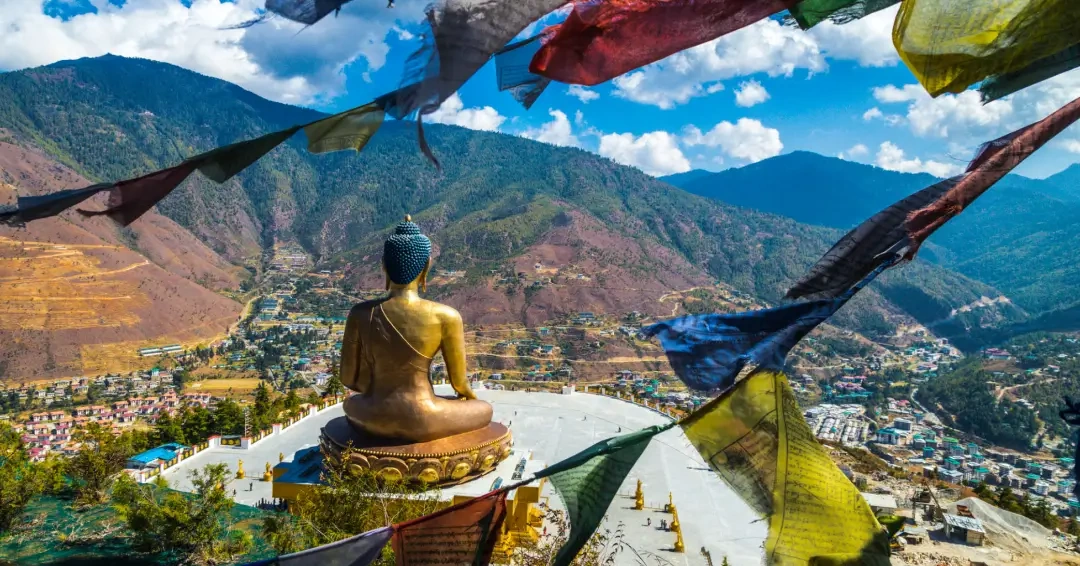
Adjusting expectations is key for Tuvaluan travelers venturing to Bhutan, where the slower pace of life contrasts sharply with the rhythmic, community-driven routines of Pacific islands, emphasizing mindfulness over haste. Infrastructure is functional but modest—roads wind through mountains with occasional bumps, small family-run hotels offer cozy comforts without opulent amenities, and power or water shortages might occur, viewed as minor interruptions rather than flaws. Absent are luxury shopping malls, vibrant nightlife, or fast-paced entertainment; instead, evenings unfold with stargazing, monastery meditations, or local storytelling, shifting focus to nature's serenity, cultural depth, and spiritual introspection. Tuvaluans, familiar with isolated simplicity, will resonate with this but should prepare for the absence of ocean vistas, replaced by forested valleys and prayer flags, encouraging a mindset of presence and gratitude that aligns with GNH, transforming potential inconveniences into profound, rejuvenating experiences.
Food and Dining Culture
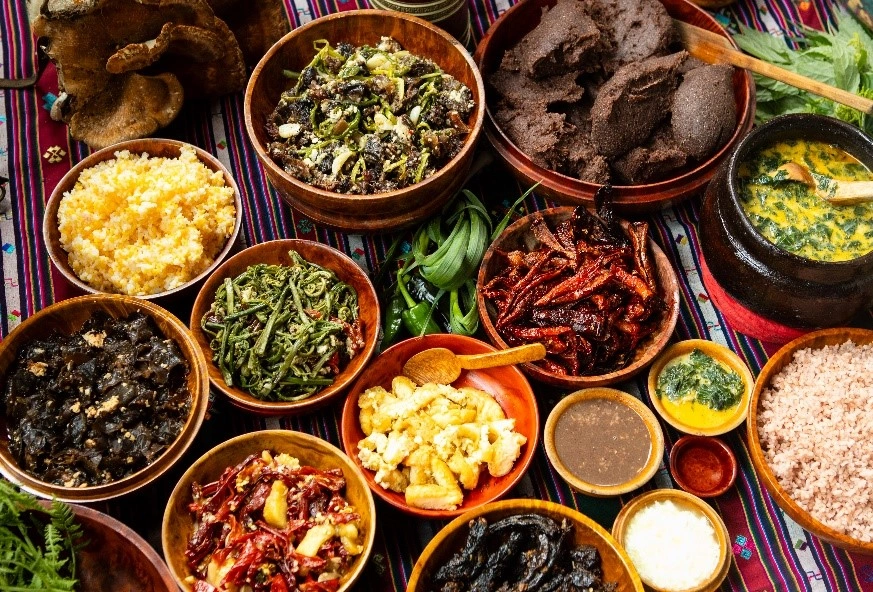
Bhutanese cuisine reflects the kingdom's agrarian roots and Himalayan influences, characterized by bold, spicy flavors from chilies, generous use of cheese, and simple, hearty ingredients that embody hospitality and communal bonding. Staple dishes include ema datshi, the national favorite of green chilies stewed in yak or cow cheese sauce, often paired with red rice—a nutty, semi-milled variety grown in terraced fields—or phaksha paa, pork with radish and chilies. Meals are family-style, with vegetables like ferns (nakey) or mushrooms (shamamu) in cheese curries, and proteins such as dried beef (shakam) or river fish, all seasoned liberally with spices that might surprise Tuvaluans used to milder, seafood-heavy diets. Dining etiquette involves eating with hands (right only) or spoons, accepting seconds as a compliment to the host, and savoring butter tea (suja)—a salty, churned yak butter brew—or ara, a fermented rice spirit, integral to toasts and gatherings. Alcohol is enjoyed moderately, with local beers like Red Panda adding refreshment, while tea symbolizes warmth in every interaction; this culture of sharing meals fosters connections, inviting Tuvaluans to embrace the piquancy as a gateway to Bhutan's soulful generosity.
Festivals, Religion, and Sacred Places
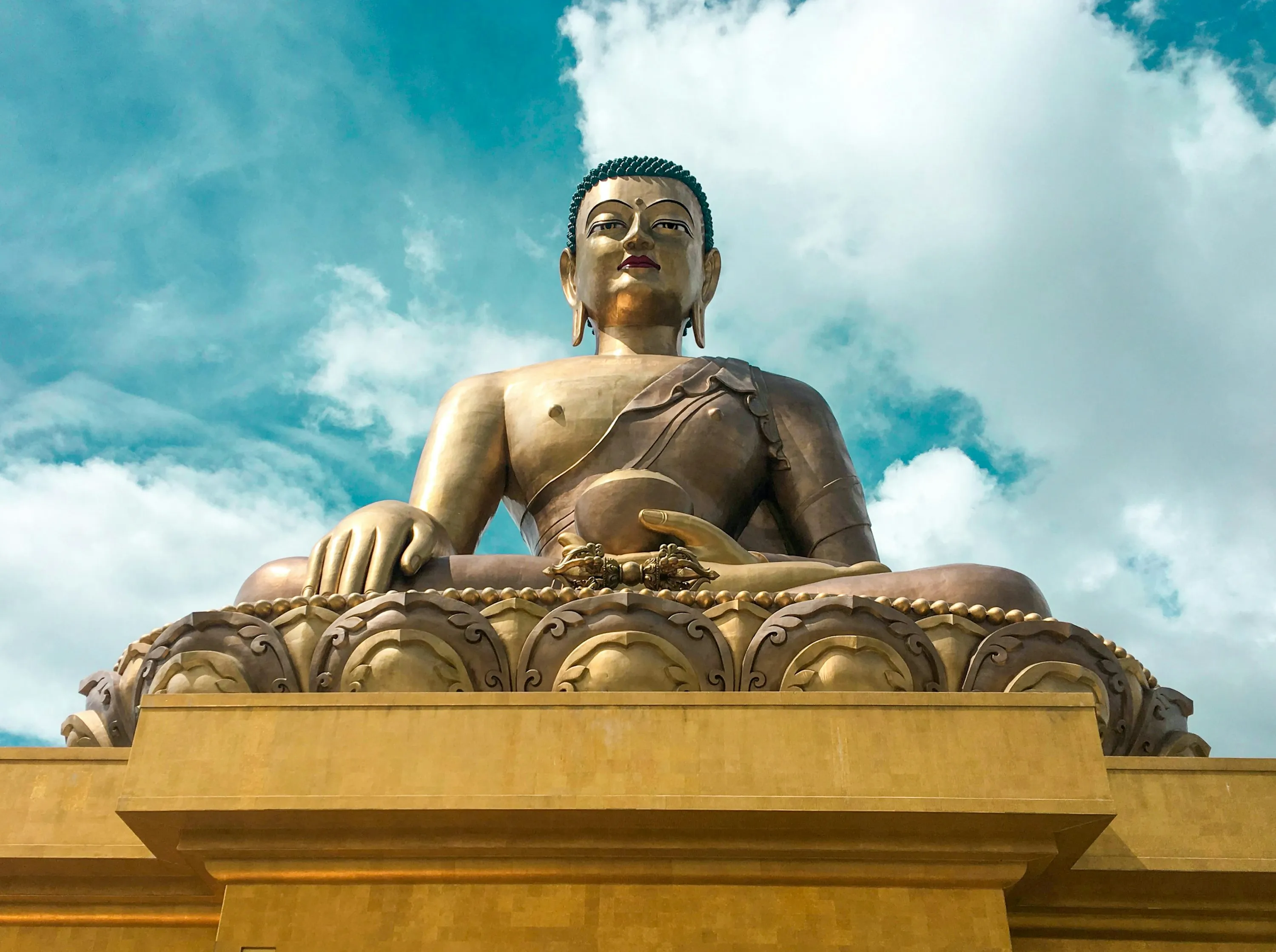
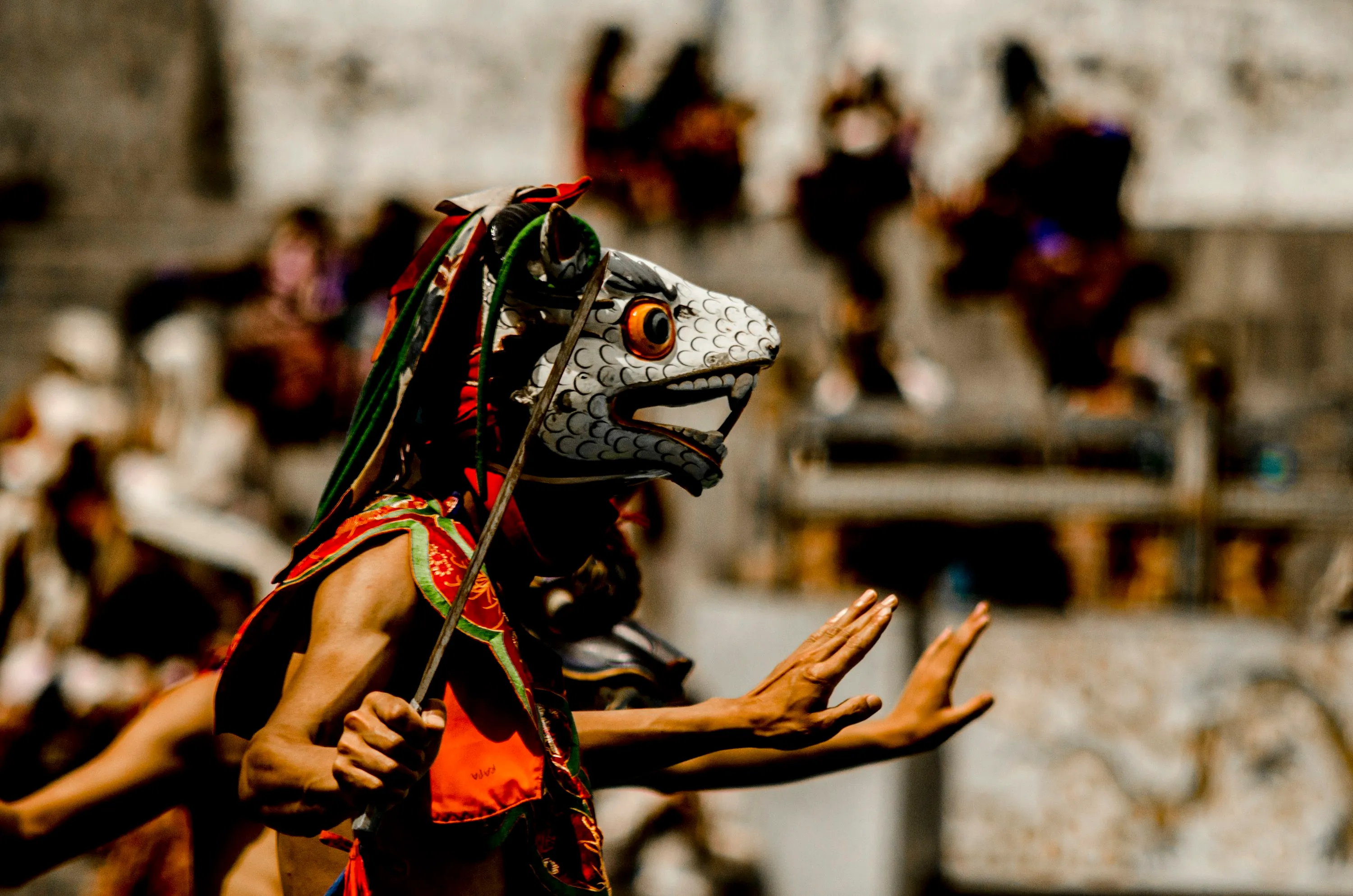
Religion permeates every facet of Bhutanese life, with Vajrayana Buddhism guiding daily practices and festivals that offer Tuvaluan visitors profound glimpses into spiritual devotion and communal joy. Tshechus, annual monastery festivals honoring Guru Rinpoche, feature elaborate masked dances (cham) depicting moral tales, accompanied by cymbals and horns, drawing locals in traditional attire for blessings and socializing; attending one, like Paro Tshechu in spring, requires modest dress, no photography inside temples, and respectful silence during rituals. Sacred sites such as Punakha Dzong or Taktsang (Tiger's Nest) demand etiquette: remove footwear, circumambulate clockwise, and avoid touching artifacts, enhancing the meditative atmosphere. These experiences deepen understanding of Bhutan's theocratic heritage, where prayer flags and wheels symbolize impermanence, encouraging Tuvaluans to engage with openness, transforming visits into spiritual journeys that resonate beyond mere sightseeing.
Hidden Challenges and Practical Inconveniences
While Bhutan's allure lies in its authenticity, Tuvaluan travelers should anticipate subtle challenges that, when embraced with patience, reveal the kingdom's endearing charm rather than detract from it. Service in restaurants or hotels may unfold at a leisurely pace, reflecting a cultural aversion to rush, so allow extra time for meals or check-ins, viewing it as an invitation to savor the moment. Itinerary changes are common due to weather—monsoon rains might close roads, or fog delay flights—requiring flexibility and trust in your guide's expertise. Power outages occur sporadically, especially in rural areas, so carry a flashlight and charge devices opportunistically; road conditions involve narrow, curving paths with occasional potholes, potentially causing motion sickness, mitigated by ginger chews and scenic stops. These inconveniences stem from Bhutan's commitment to minimal development, preserving its natural state, and foster a mindset of adaptability that Tuvaluans, versed in island unpredictability, can appreciate as part of the adventure's authenticity.
Shopping and Souvenirs
Shopping in Bhutan centers on artisanal treasures that embody the kingdom's craftsmanship, offering Tuvaluan travelers meaningful mementos like handwoven textiles (yathra scarves from Bumthang) or bamboo crafts, available at weekend markets in Thimphu or government emporiums ensuring authenticity. Incense, prayer beads, and Thangka paintings depict Buddhist motifs, while avoiding mass-produced imports; bargaining is uncommon and subtle, as fixed prices support fair wages for artisans, contrasting haggling cultures elsewhere. Focus on quality over quantity, verifying stamps of origin, to bring home pieces that honor Bhutan's heritage without commercial excess.
Altitude Awareness and Physical Preparedness
Altitude in Bhutan varies dramatically, posing risks of acute mountain sickness (AMS) for Tuvaluan sea-level dwellers, with symptoms like dizziness or shortness of breath emerging above 2,500m on passes or treks. Precautions include ascending gradually—spend initial days in lower Paro (2,200m) before higher sites—staying hydrated (3-4 liters daily), eating light carbs, and avoiding exertion; if symptoms persist, descend and consult a doctor, as AMS can escalate. Physical preparedness involves light cardio pre-trip, packing medications like ibuprofen, and adjusting activities, ensuring safe enjoyment of Bhutan's heights.
Security, Safety, and Emergency Information
Bhutan's reputation as one of the safest destinations is well-deserved, with low crime rooted in Buddhist ethics, allowing Tuvaluan travelers to explore freely under guided supervision. Petty theft is rare, but secure valuables; emergency contacts include police (113), ambulance (112), fire (110), and your tour operator for immediate aid. Tuvalu lacks an embassy in Bhutan, so consular support routes through Australian representations in Delhi; respect laws like tobacco bans in public and wildlife protections, ensuring a secure visit bolstered by local hospitality.
Photography and Drones
Photography in Bhutan captures its splendor but adheres to strict rules: no photos inside temples, dzongs, or government buildings without permission, and always ask before photographing locals to respect privacy. Drones are prohibited for tourists, restricted to government use, with confiscation risks at entry; focus on ethical, ground-level shots that honor cultural sensitivity.
What Bhutan Does Not Have
Bhutan eschews modern excesses like skyscrapers, fast-food chains, casinos, or sprawling malls, preserving its tranquil essence and GNH focus, which Tuvaluans will find charming as it echoes their own unspoiled islands, emphasizing nature and culture over commercialization.
Important Questions to Ask Before Booking a Tour
Before committing to a Bhutanese tour operator, Tuvaluan travelers should inquire thoughtfully to ensure alignment with their needs, starting with questions about the guide's qualifications and experience—ask if they are TCB-certified, fluent in English, and knowledgeable in specific interests like birdwatching or festivals, as this personalizes your journey. Delve into flexibility: will the itinerary accommodate changes for weather or health, and how customizable is it for dietary preferences, such as less spicy food adapting to Tuvaluan tastes? Probe accommodations—request details on hotel standards, locations, and amenities like Wi-Fi or heating, confirming if upgrades to luxury lodges are possible. For food, clarify inclusions: are all meals covered, with options for vegetarian or allergies, and what about hydration and snacks during drives? Emergency protocols are crucial—ask about medical support, evacuation plans, and insurance requirements, ensuring coverage for altitude issues. On practicalities, inquire how SIM cards are obtained, if language barriers are addressed for non-English speakers, tipping customs (typically voluntary but appreciated), and overall group size for a more intimate experience. These conversations, conducted via email or calls, build trust and tailor your adventure, reflecting Bhutan's emphasis on meaningful travel.
Conclusion
In reflection, Bhutan emerges as a rare sanctuary for Tuvaluan travelers yearning for depths beyond the superficial, where majestic mountains cradle ancient wisdom, and the pursuit of happiness transcends material pursuits. This Himalayan haven, with its unspoiled vistas and soulful traditions, offers a counterpoint to fast-paced vacations, inviting introspection amid fluttering prayer flags and echoing chants, fostering a profound sense of peace that resonates with Tuvalu's own harmonious island spirit.