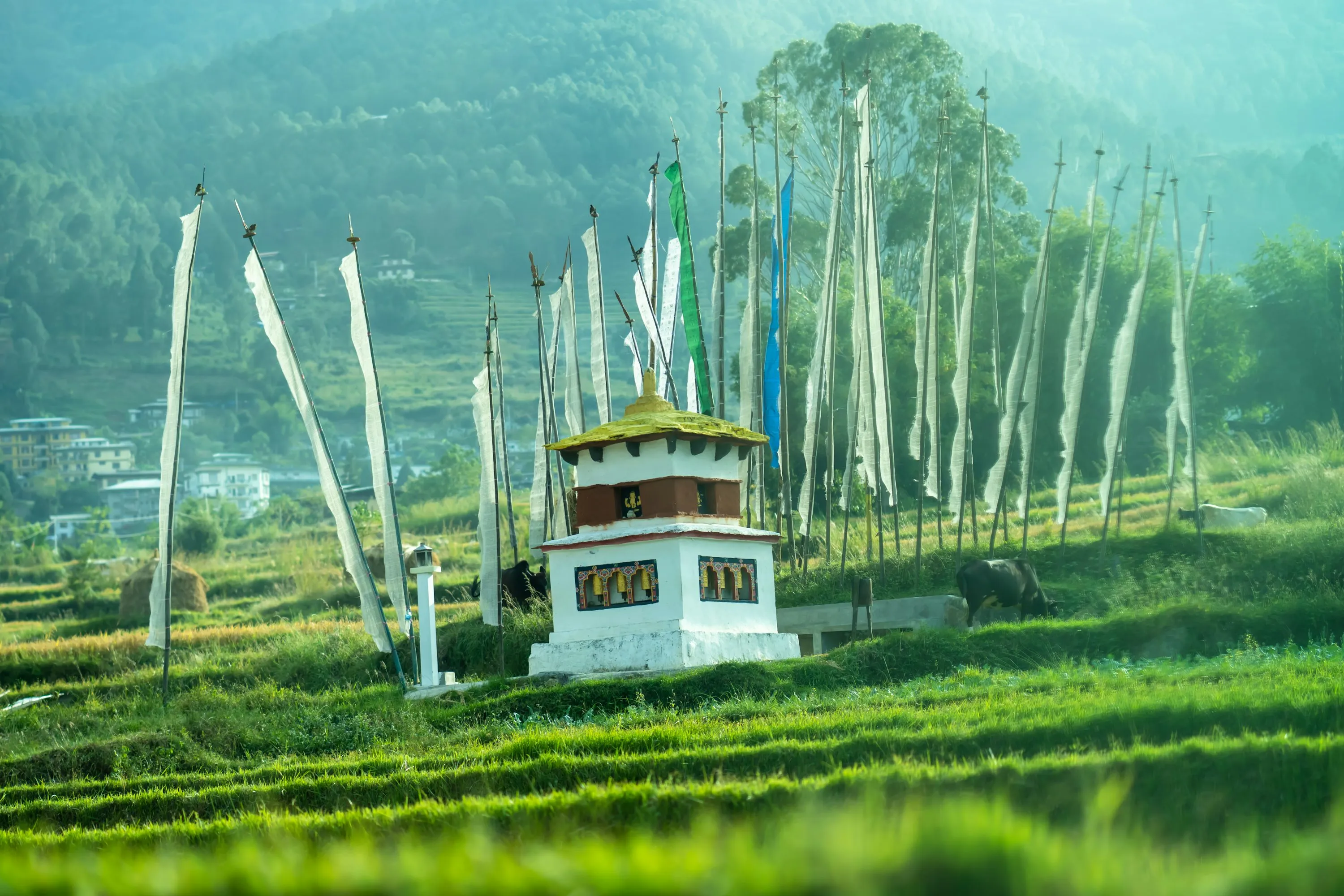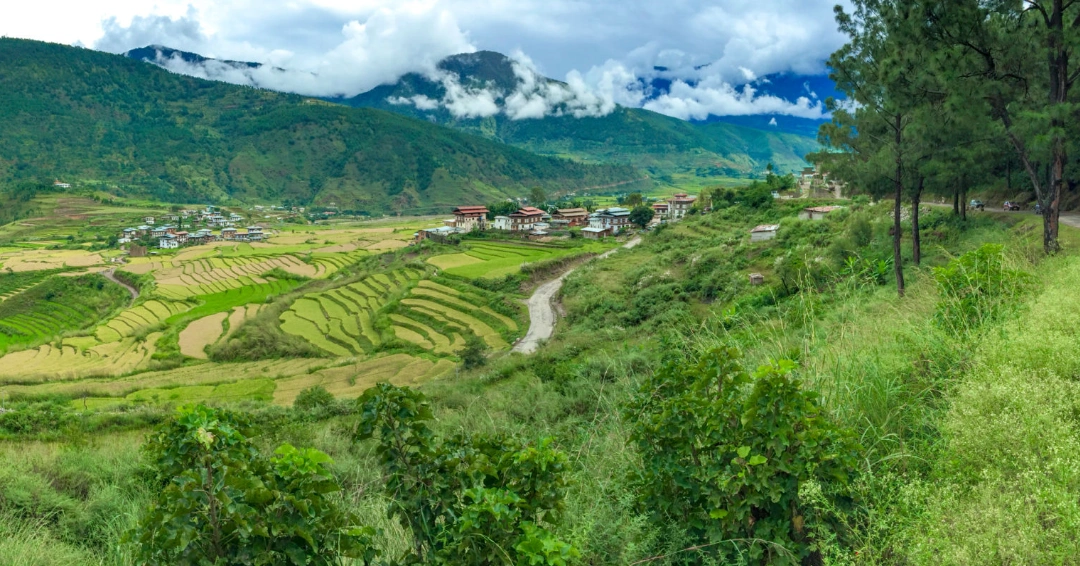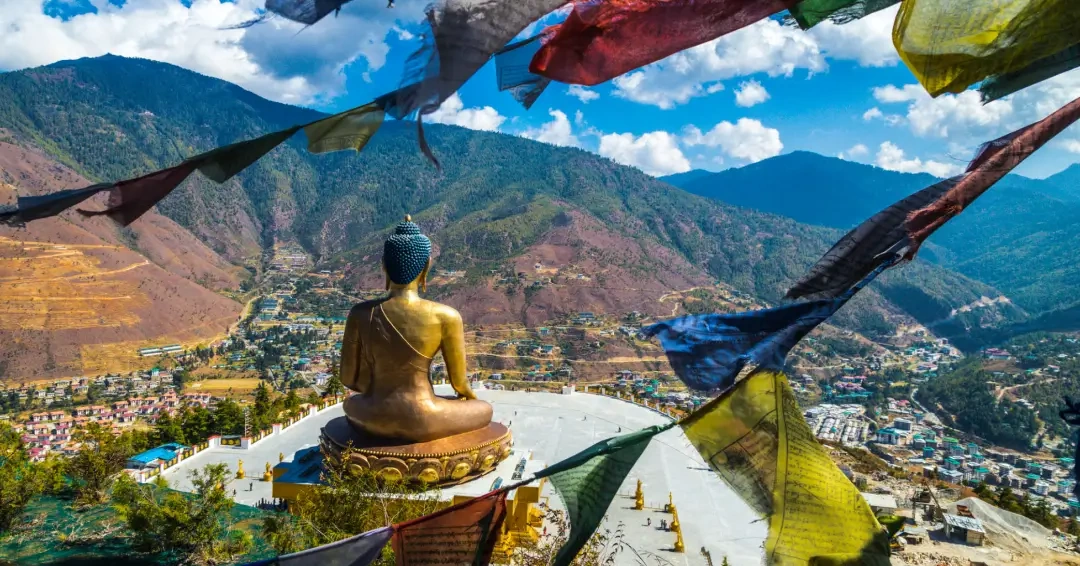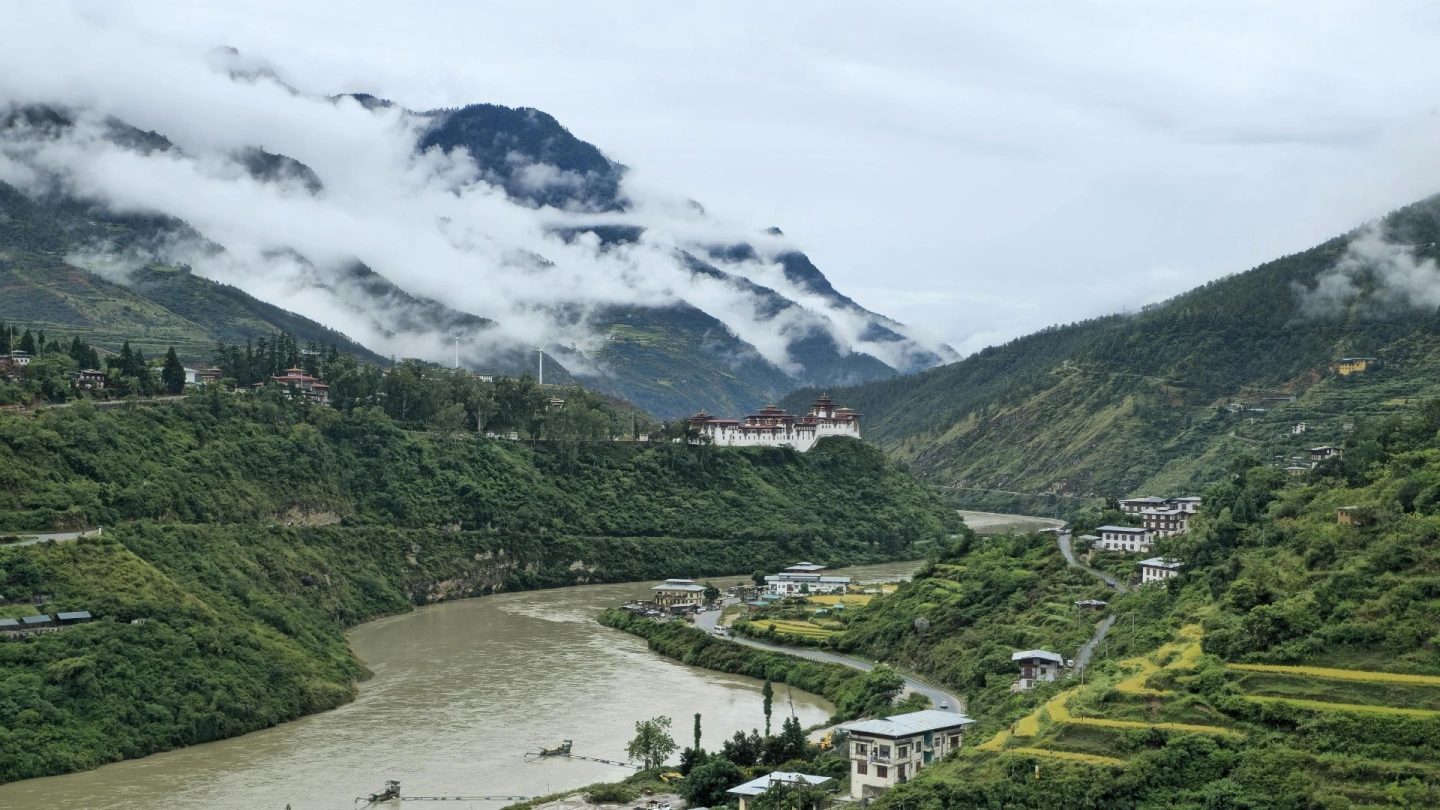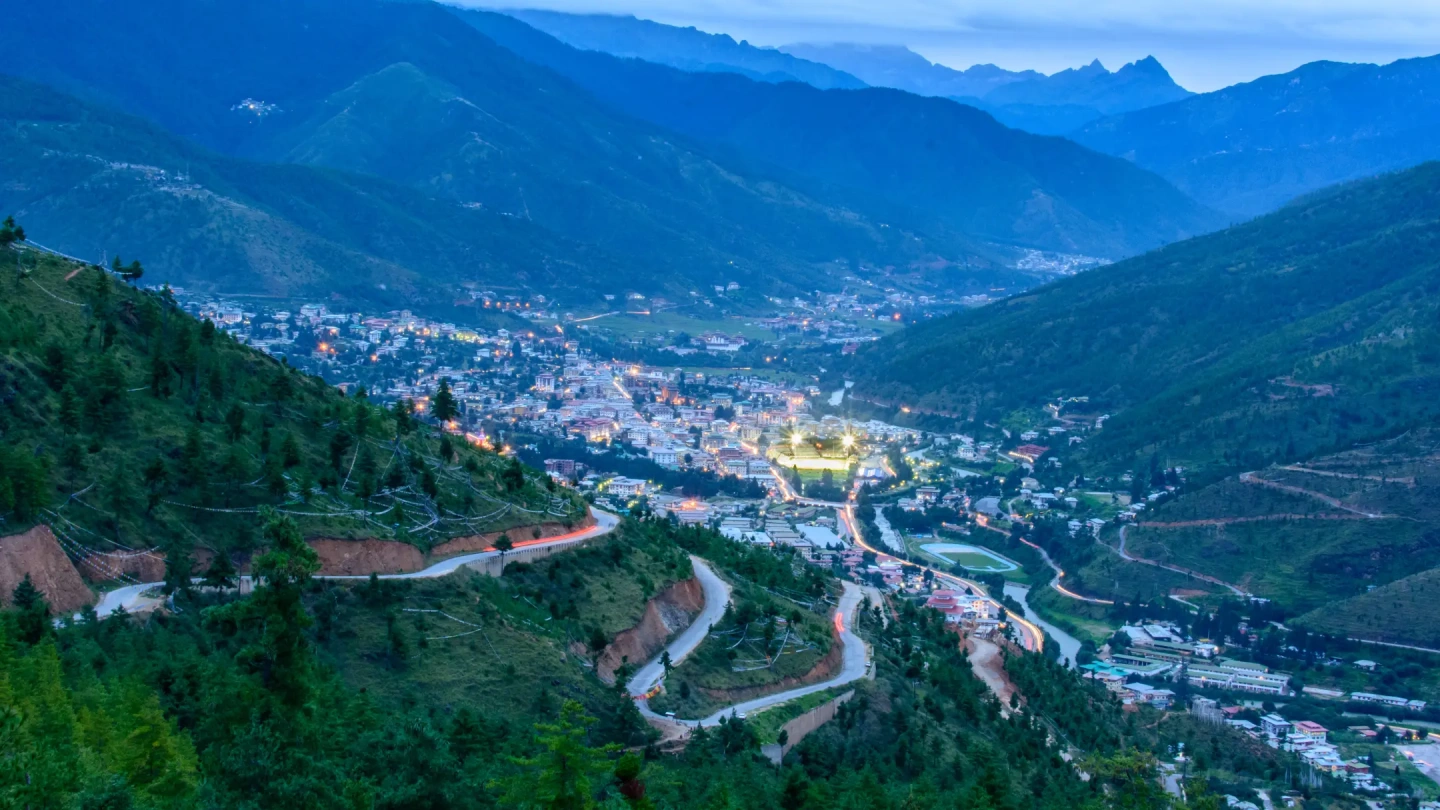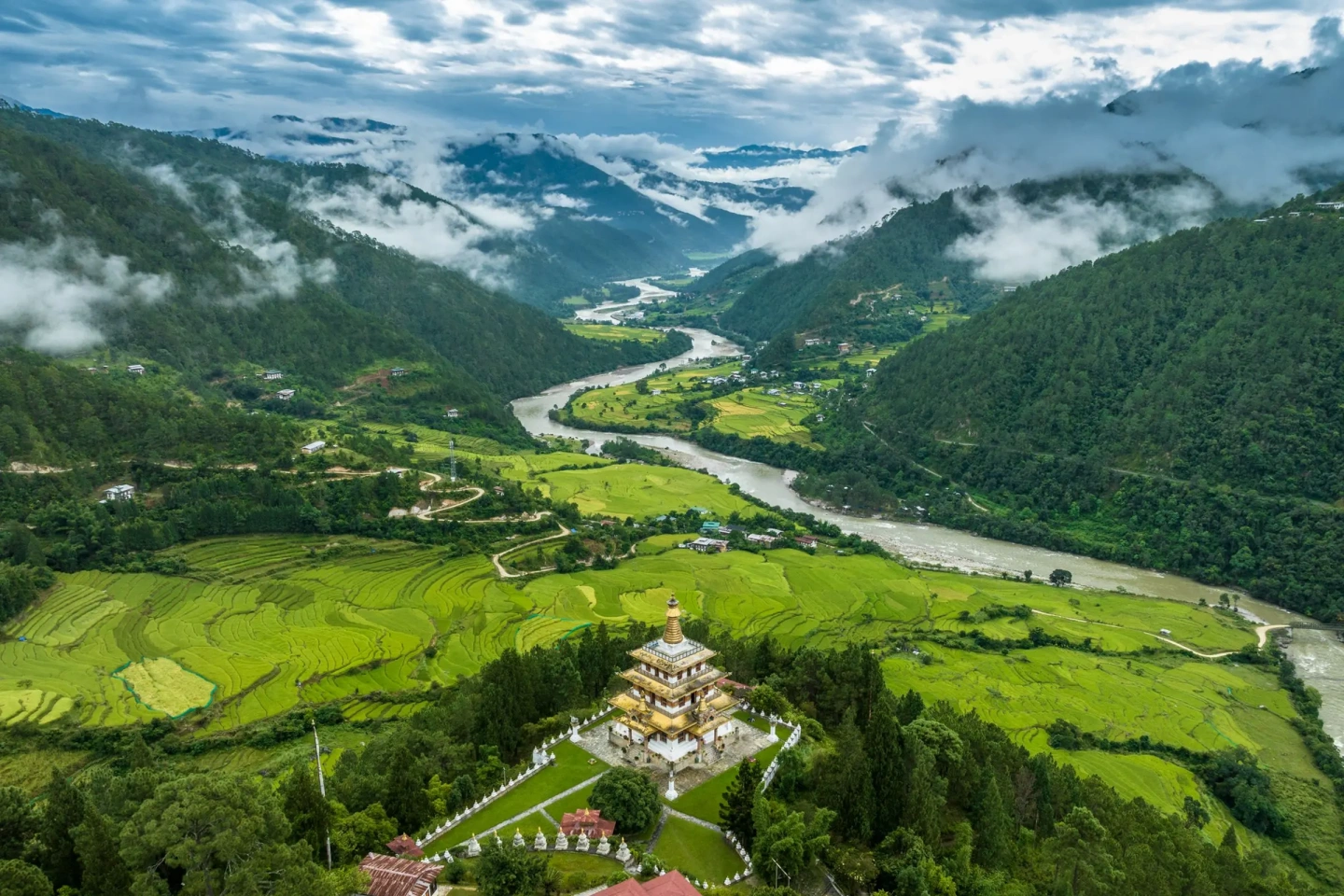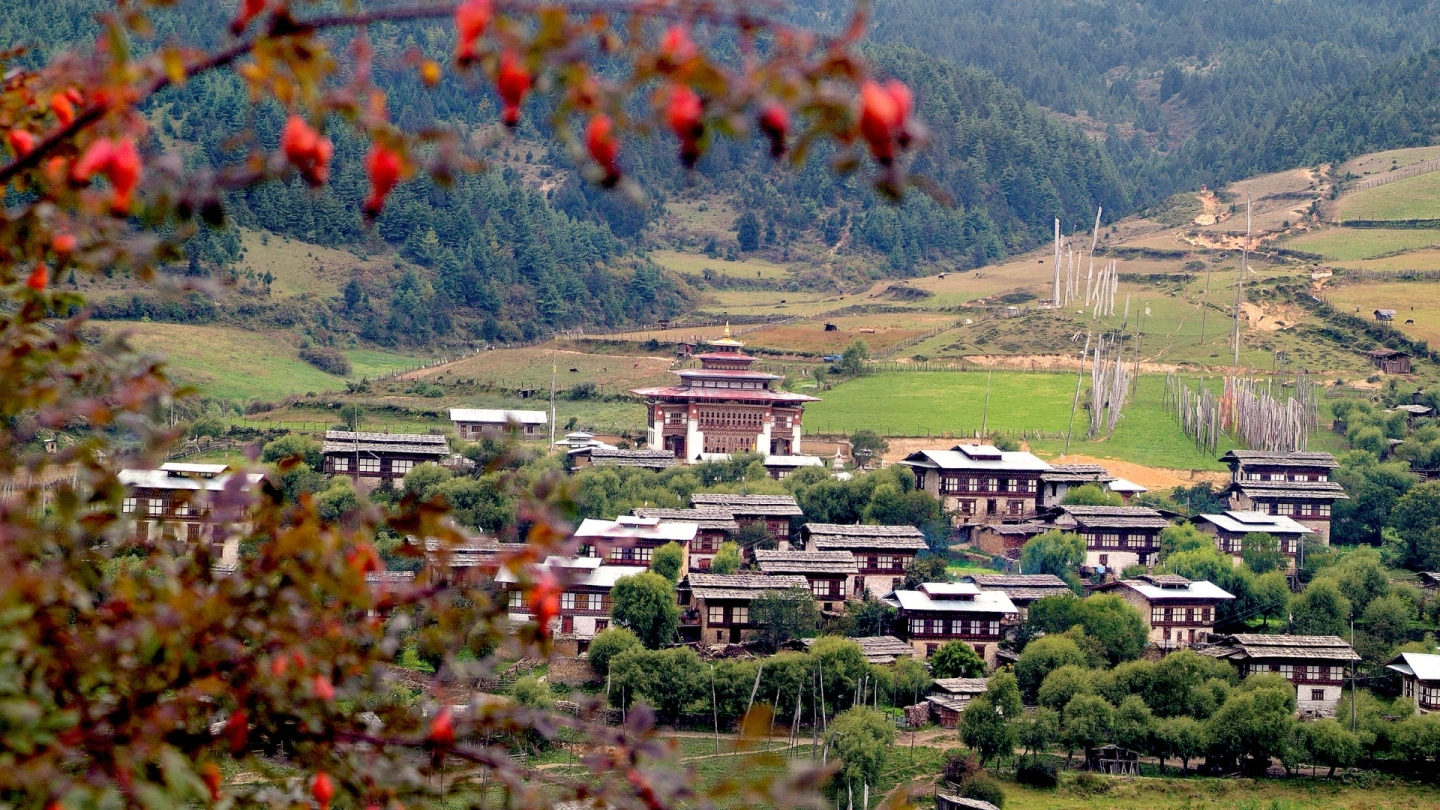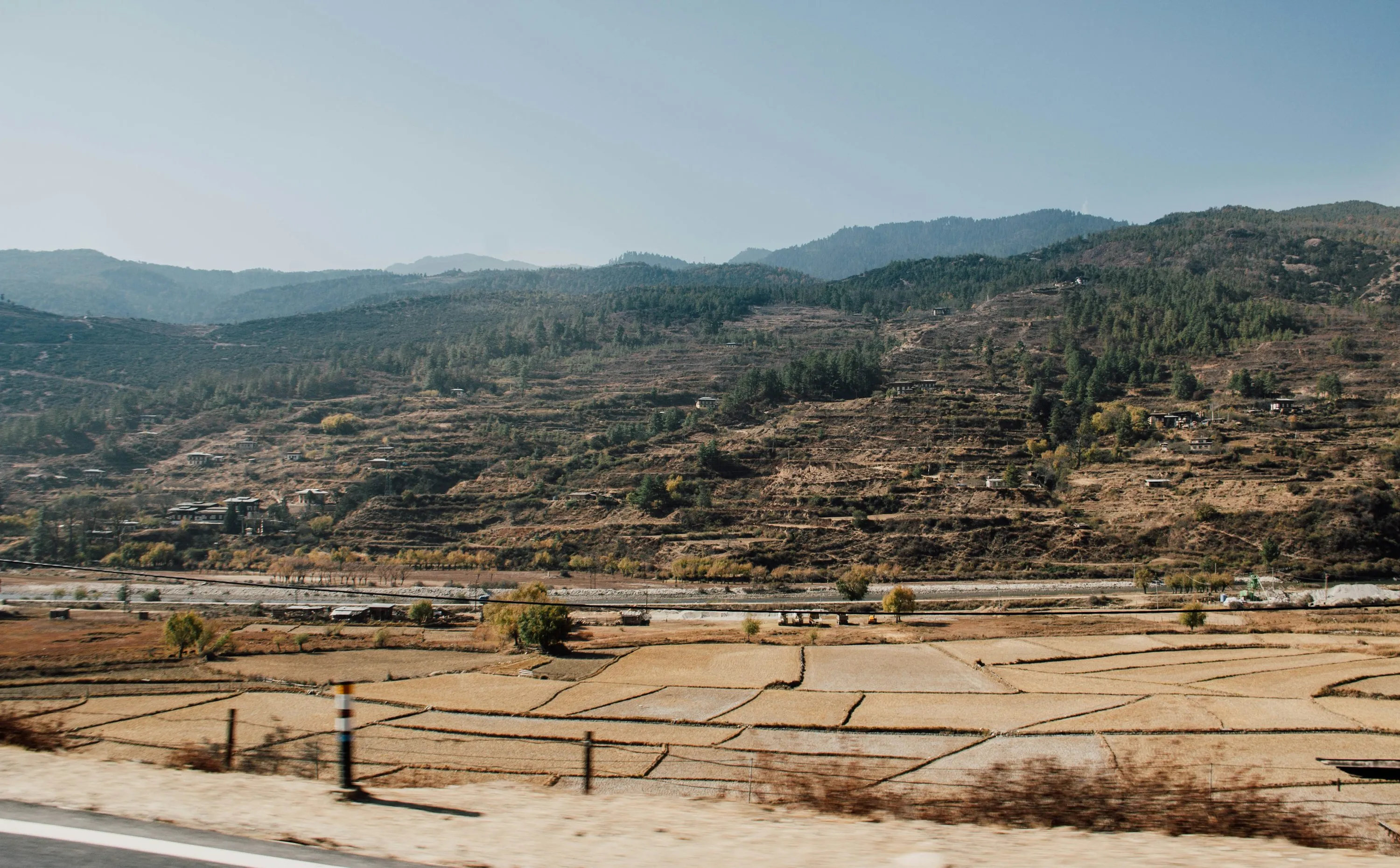



As a Sri Lankan traveler contemplating a journey to Bhutan, envision a land where mist-shrouded mountains rise like ancient guardians, echoing the spiritual serenity that resonates deeply with our own island's Buddhist heritage. Bhutan, often called the "Land of the Thunder Dragon," offers an unparalleled escape into a realm of pristine nature, profound cultural depth, and a philosophy centered on happiness and harmony. This Himalayan kingdom, landlocked between India and China, shares profound ties with Sri Lanka through the threads of Buddhism, which forms the bedrock of both societies. While Sri Lanka nurtures the Theravada tradition, brought by ancient missionaries and preserved in its lush tropical landscapes, Bhutan embraces Vajrayana Buddhism, woven into its rugged peaks and valleys, creating a tapestry of shared reverence for the Dharma. Diplomatic relations between our two nations, established in 1987, have fostered mutual respect, with exchanges in education, culture, and tourism strengthening these bonds. Yet, comparisons reveal intriguing contrasts: Sri Lanka's coastal vibrancy and diverse ecosystems differ from Bhutan's high-altitude isolation and commitment to environmental preservation, where over 70 percent of the land remains forested. Both countries prioritize well-being over mere economic growth—Sri Lanka through its emphasis on social harmony, and Bhutan via its pioneering Gross National Happiness index—but Bhutan's controlled tourism model ensures visitors experience authenticity without overwhelming the fragile balance of its society and nature. For Sri Lankans accustomed to bustling markets and beachside retreats, Bhutan promises a transformative adventure, blending familiar Buddhist rituals with novel Himalayan wonders, all while inviting reflection on sustainable living in an increasingly chaotic world.
Visa and Entry Requirements
Bhutan's tourism policy is meticulously designed to preserve its cultural and environmental integrity, mandating that all foreign visitors, including those from Sri Lanka, arrange their trips through licensed Bhutanese tour operators. This controlled approach ensures that tourism benefits the local economy while minimizing negative impacts, requiring travelers to book accommodations, transportation, and guides in advance as part of a comprehensive package. For Sri Lankan tourists, the visa process begins with selecting a reputable tour operator who will handle the application on your behalf, submitting necessary details to the Tourism Council of Bhutan for approval. Essential documents include a passport valid for at least six months beyond your planned stay, recent passport-sized photographs, and proof of your booked itinerary, including flight details. Once the operator processes your payment for the tour, which incorporates the visa fee of approximately USD 40, the visa is issued electronically and stamped upon arrival at Paro International Airport or land borders. A key component of this system is the Sustainable Development Fee (SDF), currently set at USD 100 per day for adults, with concessions for children aged 6 to 12 at half the rate and exemptions for those under 5; this fee funds essential services like free healthcare and education for Bhutanese citizens, directly contributing to the nation's Gross National Happiness ethos. The SDF influences overall pricing by adding a structured cost to your daily expenses, ensuring that your visit supports sustainable development rather than mass tourism. Sri Lankan travelers should note that without a confirmed booking and SDF payment, entry is not permitted, emphasizing the importance of early planning to avoid disappointments.
Travel Routes from Sri Lanka to Bhutan
Embarking on a journey from Sri Lanka to Bhutan involves navigating through key transit hubs, as there are no direct flights connecting Colombo to Paro, Bhutan's sole international airport. The most common routes depart from Bandaranaike International Airport in Colombo, transiting via cities like Delhi, Bangkok, or Kathmandu before connecting to flights operated exclusively by Bhutan's national carriers, Drukair and Bhutan Airlines. For instance, SriLankan Airlines offers convenient flights to Delhi's Indira Gandhi International Airport, from where Drukair provides onward service to Paro, typically taking around 3-4 hours for the final leg; similarly, routes via Bangkok with Thai Airways or via Kathmandu with Nepal Airlines align with Bhutanese airline schedules. Paro International Airport, nestled in a deep valley surrounded by towering peaks, is renowned for its challenging approach, often considered one of the world's most demanding landings, with pilots requiring specialized training to navigate the terrain. Weather conditions, particularly during monsoon seasons or foggy winters, can lead to delays or cancellations, so Sri Lankan travelers should build flexibility into their itineraries, perhaps allocating an extra day for potential disruptions. Booking flights well in advance is advisable, as seats on Bhutan-bound routes are limited, and coordinating with your tour operator ensures seamless integration with your visa and ground arrangements. Realistic expectations include total travel times of 8-12 hours, factoring in layovers, and the thrill of witnessing the Himalayas from above as you descend into Paro, marking the start of your Bhutanese odyssey.
Best Time to Visit and Seasonality
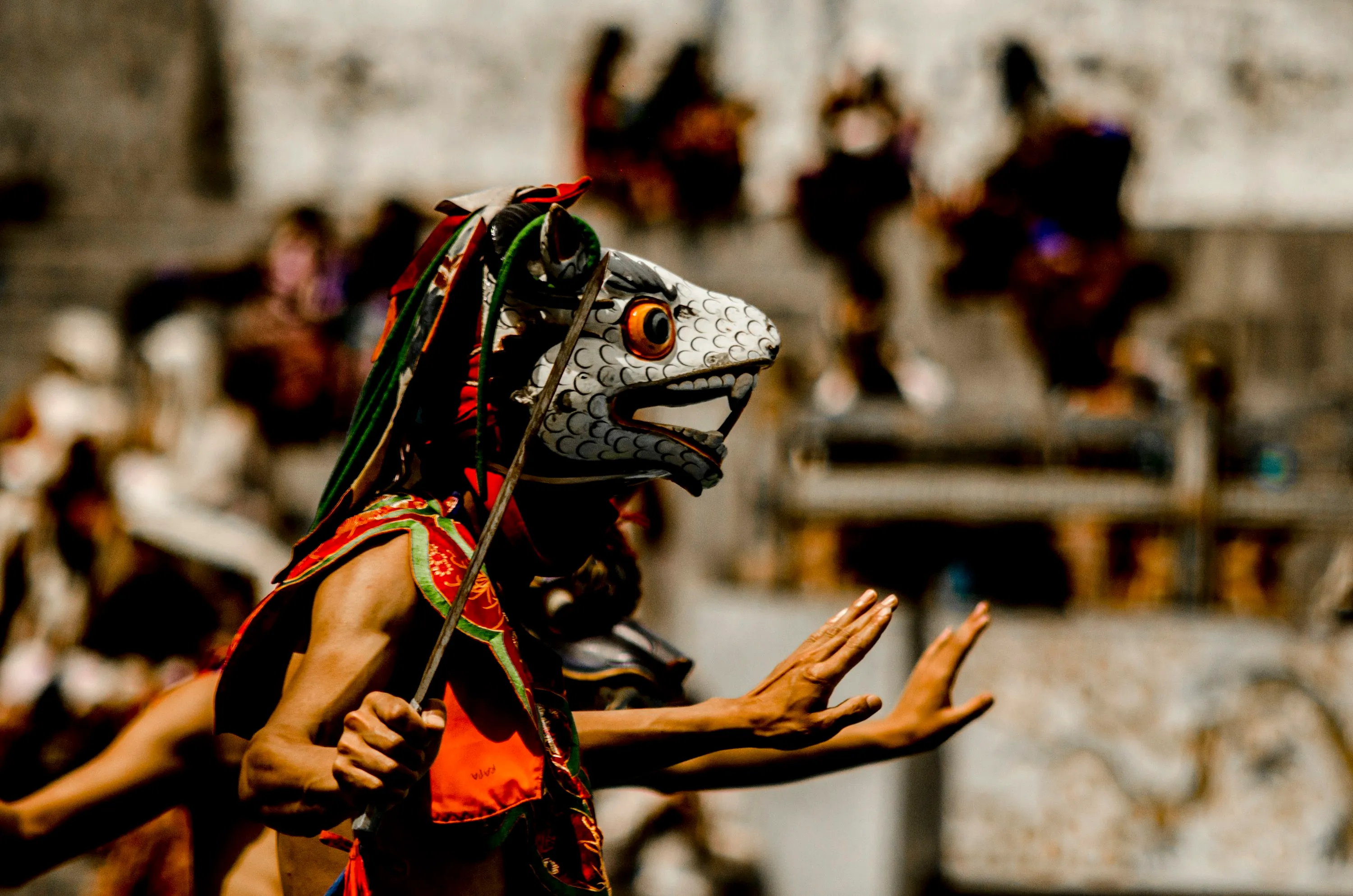
Bhutan's climate is as diverse as its landscapes, divided into four distinct seasons that profoundly influence travel experiences, from blooming valleys in spring to snow-capped vistas in winter. Spring, spanning March to May, brings mild temperatures averaging 10-20°C in lower altitudes, with rhododendrons and wildflowers carpeting the hillsides, making it ideal for trekking and cultural explorations; however, occasional showers can occur, though they rarely disrupt plans. Summer, from June to August, ushers in the monsoon, with heavy rains leading to lush greenery but also potential landslides on mountain roads, higher humidity, and fewer crowds—perfect for those seeking solitude amid verdant scenery. Autumn, September to November, is widely regarded as the prime season, offering clear skies, crisp air around 5-15°C, and vibrant festivals like the Thimphu Tshechu, where masked dances celebrate Buddhist heritage; this period balances comfortable weather with cultural highlights, though it attracts more visitors. Winter, December to February, sees temperatures dipping to sub-zero in higher regions, with snowfall enhancing the ethereal beauty but limiting access to remote areas; it's excellent for birdwatching in the south or serene monastery visits. For Sri Lankan tourists, accustomed to tropical warmth, autumn emerges as the optimal time, providing pleasant conditions for activities like hiking to Tiger's Nest without extreme cold or rain, while avoiding peak crowds in spring. Planning around festivals adds depth, but always consider altitude variations—lower valleys remain milder year-round—ensuring your trip aligns with personal preferences for weather, events, and tranquility.
Money, Costs, and Payment Methods
Bhutan's currency, the Ngultrum (BTN), is pegged one-to-one with the Indian Rupee, which is also widely accepted, offering Sri Lankan travelers a familiar exchange dynamic when converting from rupees or dollars. Exchanging money is straightforward at Paro Airport's foreign exchange counter or banks in major towns like Thimphu and Paro, where USD is preferred for its favorable rates; however, ATMs are increasingly available in urban areas, supporting Visa and Mastercard, though rural spots may lack them, so carrying sufficient cash is prudent. Credit cards are accepted in larger hotels and upscale shops, but smaller vendors and remote areas rely on cash, making it essential to withdraw Ngultrum early in your trip. For Sri Lankans, bringing USD in crisp bills or using international cards for withdrawals minimizes hassles, as local exchange for Sri Lankan Rupees might not be readily available. Tour packages typically encompass meals (three per day), transportation in comfortable vehicles, English-speaking guides, and standard accommodations in 3-star hotels or equivalent, ensuring a hassle-free experience; however, extras like alcoholic beverages, souvenirs, tips for guides and drivers (around USD 10-15 per day combined), laundry, and personal expenses fall outside this scope. Overall costs, including the SDF, range from USD 250-300 per day per person for standard tours, reflecting Bhutan's high-value model, but this investment guarantees authentic immersion without hidden fees.
Health, Safety, and Travel Insurance
Traveling to Bhutan requires mindfulness of health considerations, particularly the risks associated with high altitudes, where symptoms like headaches, nausea, and fatigue from altitude sickness can affect even fit individuals above 2,500 meters. Medical facilities are basic in rural areas, with comprehensive hospitals limited to Thimphu, so preventive measures such as gradual acclimatization, staying hydrated, and avoiding alcohol upon arrival are crucial. Recommended vaccinations for Sri Lankan travelers include Hepatitis A and B, Typhoid, Tetanus, and possibly Rabies due to stray dogs, while routine shots like MMR should be up-to-date; consulting a travel clinic in Colombo beforehand ensures preparedness. Travel insurance with emergency evacuation coverage is indispensable, as helicopter rescues for severe cases can be exorbitant, and policies should also cover trip cancellations and medical expenses. Bhutan boasts exceptional safety, with low crime rates stemming from its close-knit communities and Buddhist values, making it one of the safest destinations globally; nonetheless, minor risks like uneven trekking paths, occasional stray dogs, or petty theft in crowded festivals warrant vigilance. Sri Lankans will appreciate the peaceful atmosphere, but carrying a basic first-aid kit and informing your tour operator of any pre-existing conditions enhances security throughout the journey.
Cultural Etiquette and Social Expectations
Bhutanese society is steeped in traditions that emphasize respect, humility, and harmony, requiring visitors to adapt subtly to foster meaningful interactions. When entering temples, monasteries, or dzongs, dress modestly by covering shoulders and knees, removing hats and shoes, and speaking softly to honor the sacred spaces; pointing feet at altars or people is considered disrespectful, as is touching religious artifacts without permission. Socially, Bhutanese value patience and politeness, greeting with a slight bow or "Kuzuzangpo la" while avoiding public displays of affection or loud behavior, which contrasts with more expressive Sri Lankan customs but aligns with shared Buddhist principles of mindfulness. In homes or during festivals, accept offerings like butter tea with both hands, and if refusing, do so gently by touching the item briefly; hierarchy is observed, so defer to elders or monks. Sri Lankan travelers might need to temper enthusiastic gestures, embracing Bhutan's understated warmth, where humility fosters deeper connections—such as joining a archery match or sharing a meal—revealing the kingdom's profound hospitality.
Connectivity, SIM Cards, Internet Access
Staying connected in Bhutan is feasible though not seamless, with Wi-Fi available in most hotels and cafes in urban centers like Thimphu and Paro, offering reliable speeds for emails and social media, albeit with occasional slowdowns in remote areas. For mobile data, acquiring a local SIM card upon arrival at Paro Airport is straightforward, with providers B-Mobile (Bhutan Telecom) and TashiCell offering tourist packages starting from BTN 200 for basic data and calls; B-Mobile boasts wider coverage, ideal for treks, while TashiCell provides competitive plans—present your passport and visa for activation. Sri Lankan apps and services generally function without restrictions, but a VPN can be useful for accessing region-locked content or enhancing privacy on public networks. Expect spotty signals in mountainous regions, encouraging digital detoxes amid nature, yet ensuring you can contact family or your guide when needed.
Language and Communication
Dzongkha serves as Bhutan's national language, but English is the medium of instruction in schools and prevalent in tourism, easing communication for Sri Lankan visitors familiar with it. Tour guides are proficient in English, often trained extensively, though Sinhala or Tamil-speaking guides are rare and typically unavailable without special arrangements. In rural areas, language barriers may arise, but hospitality bridges gaps—use simple phrases, gestures, or translation apps. For those with limited English, partnering with a tour operator who provides visual aids or basic Dzongkha phrases enhances interactions, turning potential challenges into opportunities for cultural exchange.
Packing and Preparation Advice
Preparing for Bhutan's varied climates demands thoughtful packing, with layers being key to adapting from warm valleys to chilly highlands. Include breathable cotton shirts, long pants, and a light jacket for daytime, plus thermal underlayers, fleece sweaters, and a waterproof windbreaker for evenings or higher altitudes; sturdy hiking boots with good grip are essential for treks, alongside comfortable walking shoes for town explorations. Personal items like sunscreen, insect repellent, reusable water bottles, and high-SPF lip balm protect against UV rays and dry air, while medications for altitude sickness (like acetazolamide, if prescribed), motion sickness, and common ailments should be in your kit—don't forget adapters for Indian-style plugs (Type D/M) and a power bank for outages. Sri Lankans unused to Himalayan conditions might add warm hats, gloves, and scarves for winter visits, plus eco-friendly toiletries to align with Bhutan's sustainability ethos, ensuring a comfortable, respectful journey.
Bhutan’s Unique Tourism Philosophy
At the heart of Bhutan's tourism lies the philosophy of Gross National Happiness (GNH), a holistic approach prioritizing spiritual, cultural, and environmental well-being over economic gains, shaping policies that favor quality over quantity in visitors. Introduced by the Fourth King in the 1970s, GNH measures progress through pillars like sustainable development and cultural preservation, leading to a "high-value, low-impact" model where the SDF limits numbers while funding conservation. This cautious stance curbs unchecked modernization, protecting sacred sites and biodiversity from overtourism's pitfalls, allowing Sri Lankan travelers to appreciate why Bhutan resists mass development—ensuring authentic experiences that nurture both visitor and host.
Mindset and Expectations for Visitors
Approaching Bhutan with an open mindset reveals its charm in simplicity, where life's slower pace invites contemplation amid limited infrastructure and modest accommodations. Expect family-run hotels with basic amenities rather than opulent resorts, and evenings focused on stargazing or storytelling instead of nightlife or luxury shopping. The emphasis on nature, culture, and spirituality over material comforts fosters profound peace, urging Sri Lankans to embrace this shift for a rejuvenating escape.
Food and Dining Culture
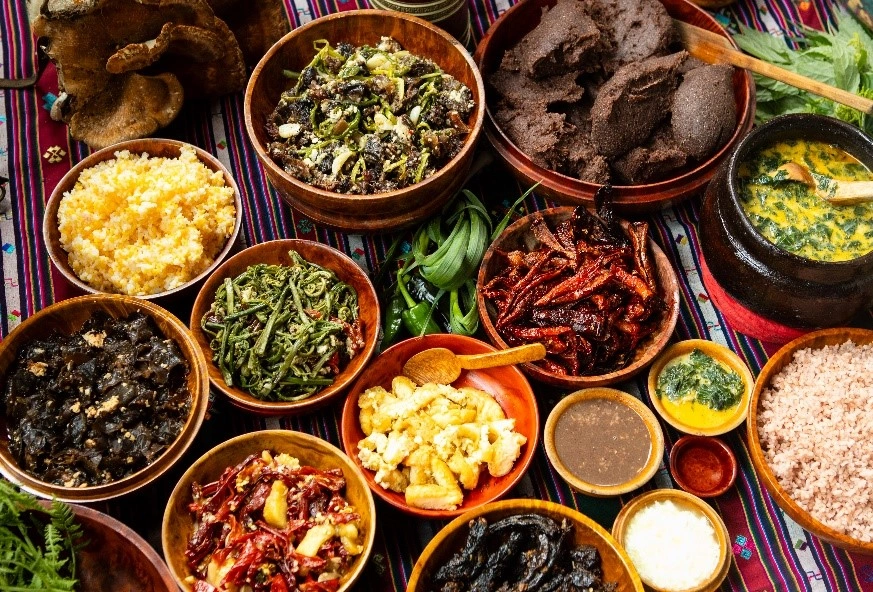
Bhutanese cuisine mirrors the kingdom's rugged terrain and communal spirit, featuring bold, spicy flavors from chilies, cheese, and simple staples like red rice. Signature dishes include ema datshi, a fiery chili-cheese stew, alongside pork or beef curries and momos (dumplings), often shared family-style to embody hospitality. Dining is unhurried, with butter tea (suja) or local ara alcohol enhancing bonds, reflecting Bhutan's emphasis on nourishment for body and soul.
Festivals, Religion, and Sacred Places
Religion permeates Bhutanese life, with Vajrayana Buddhism inspiring festivals like Tshechus, where masked dances honor Guru Rinpoche amid vibrant crowds. Visitors witness profound spirituality at sacred sites, adhering to rules like modest dress and silence, gaining insights into cultural depth through these immersive experiences.
Hidden Challenges and Practical Inconveniences
Bhutan's allure includes embracing minor inconveniences like winding roads causing delays, occasional power outages, or itinerary adjustments due to weather, all part of its authentic charm. Patience transforms these into endearing aspects, highlighting the kingdom's unspoiled essence.
Shopping and Souvenirs
Shopping in Bhutan focuses on artisanal treasures like handwoven textiles, wooden crafts, and incense, found in markets without high-end malls. Bargaining is minimal, emphasizing fair trade and authenticity for meaningful mementos.
Altitude Awareness and Physical Preparedness
Altitude affects travelers variably, with symptoms like dizziness mitigated by hydration, slow pacing, and acclimatization days. Adjusting activities ensures safe enjoyment of Bhutan's heights.
Security, Safety, and Emergency Information
Bhutan's safety is exemplary, with low crime and respectful locals, though respecting laws like no smoking in public is key. Emergencies use 112 for ambulance, 113 for police; Sri Lankan embassy services via New Delhi concurrent accreditation.
Photography and Drones
Photography in Bhutan captures its essence but adheres to respectful guidelines, prohibiting shots inside temples, dzongs, or government buildings to preserve sanctity. Seek permission when photographing locals, especially monks, and avoid sensitive military areas. Drones require prior permits from the Bhutan Civil Aviation Authority, limited to specific zones and weights under 6kg, with strict no-fly over religious sites; declare upon entry to avoid confiscation. This balanced approach safeguards privacy while allowing evocative images of landscapes and festivals.
What Bhutan Does Not Have
Bhutan's deliberate absence of certain modern elements enhances its unique appeal, free from skyscrapers that would mar its harmonious architecture, fast-food chains preserving traditional diets, casinos clashing with Buddhist values, or sprawling malls favoring artisanal markets. This lack underscores the kingdom's commitment to cultural integrity and environmental purity, inviting Sri Lankan travelers to relish the simplicity that echoes their own nation's emphasis on natural wonders over commercial sprawl.
Important Questions to Ask Before Booking a Tour
Before committing to a Bhutan tour, inquire about your guide's experience and language proficiency, ensuring they speak clear English or can accommodate any preferences, as this shapes your cultural immersion. Discuss itinerary flexibility, asking if adjustments for weather or personal interests like extended hikes are possible, to tailor the trip to your pace. Probe into accommodations, seeking details on hotel standards, locations, and amenities like Wi-Fi or heating, confirming they meet your comfort expectations amid Bhutan's modest infrastructure. Food is central, so ask about meal inclusions, dietary accommodations for vegetarians or allergies, and opportunities to try authentic local cuisine without surprises. In emergencies, clarify protocols for medical issues or evacuations, including insurance tie-ins and nearest facilities. For connectivity, question SIM card arrangements and data coverage in remote areas. Language barriers being minimal, still confirm guide expertise in explaining Bhutanese nuances. Tipping customs should be outlined, typically USD 10-15 daily for guides and drivers, to budget accordingly. Finally, verify comprehensive insurance requirements and SDF inclusions, ensuring transparency for a seamless journey.
Conclusion
In reflecting on Bhutan as a destination for Sri Lankan travelers, one discovers a rare sanctuary where cultural depth, natural splendor, and spiritual tranquility converge, offering respite from the frenetic pace of modern life. This Himalayan kingdom, with its unwavering commitment to Gross National Happiness, invites introspection and renewal, proving that true fulfillment lies not in commercial pursuits but in harmonious existence with nature and tradition. For those seeking profound connections beyond superficial tourism, Bhutan stands as an enduring gem, promising memories of serenity and enlightenment.