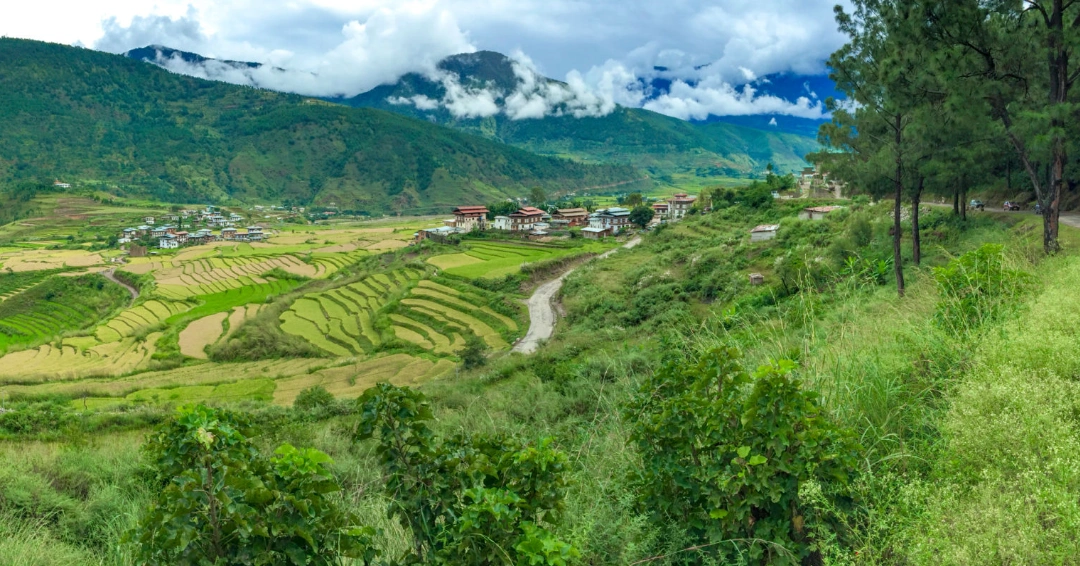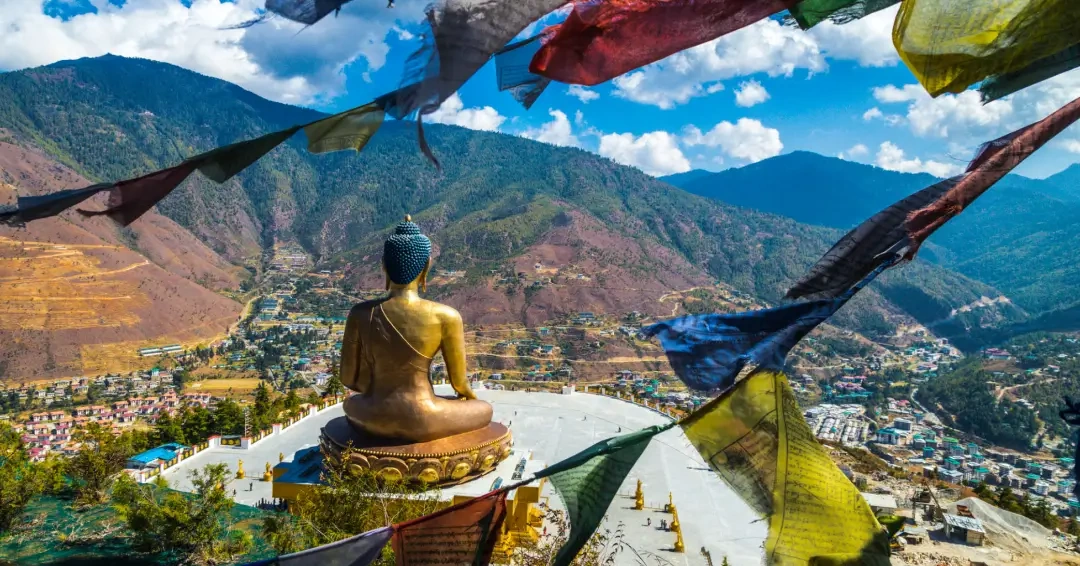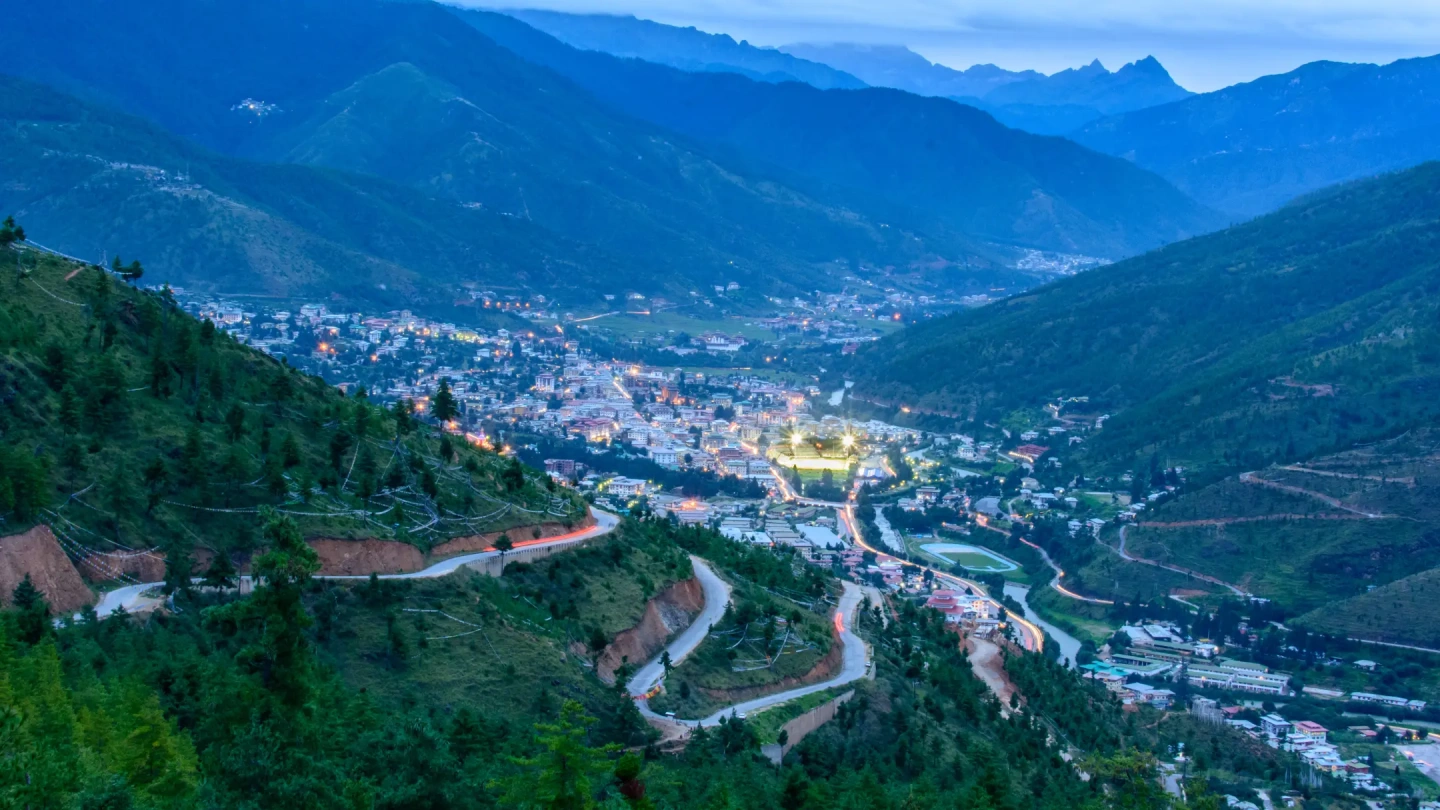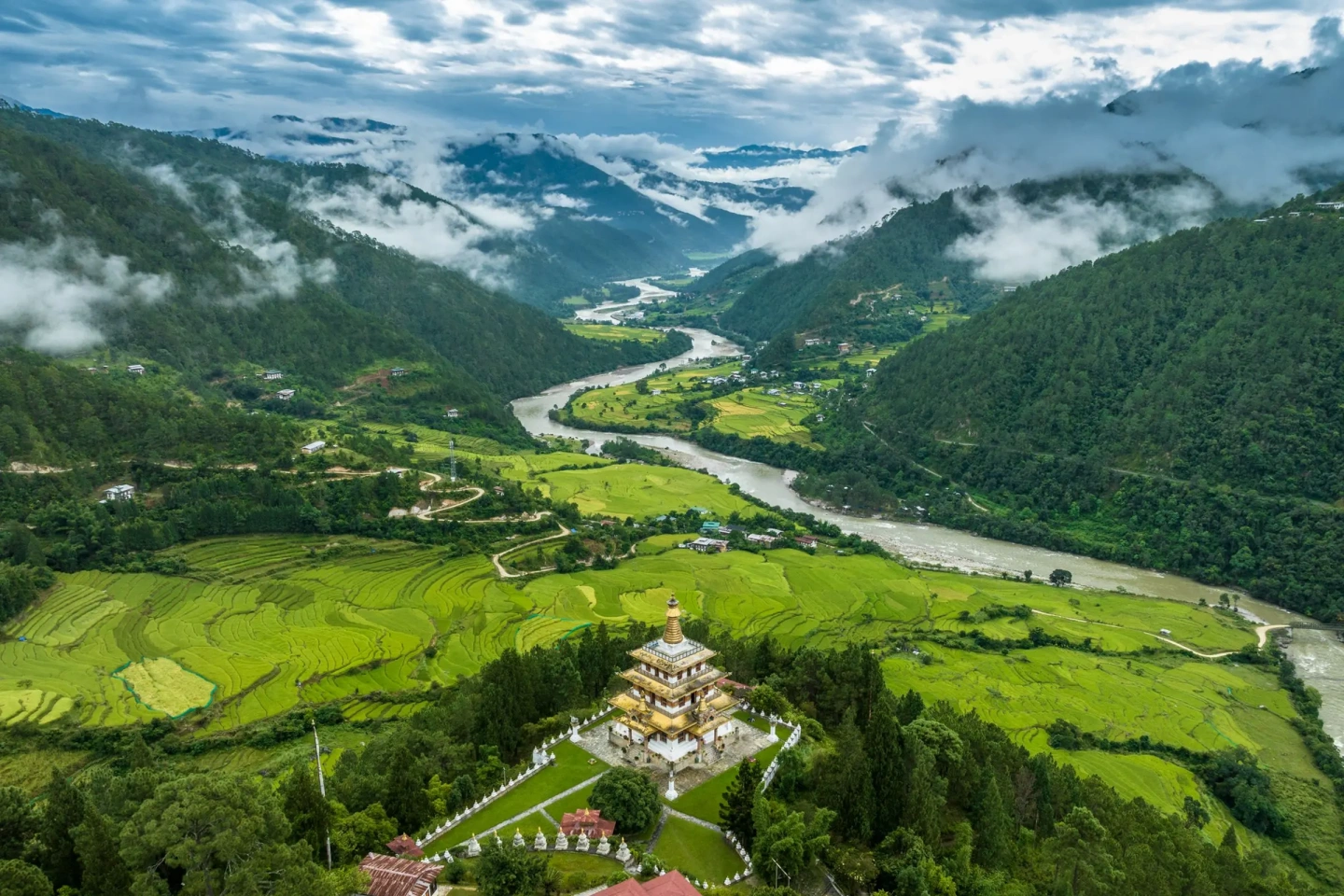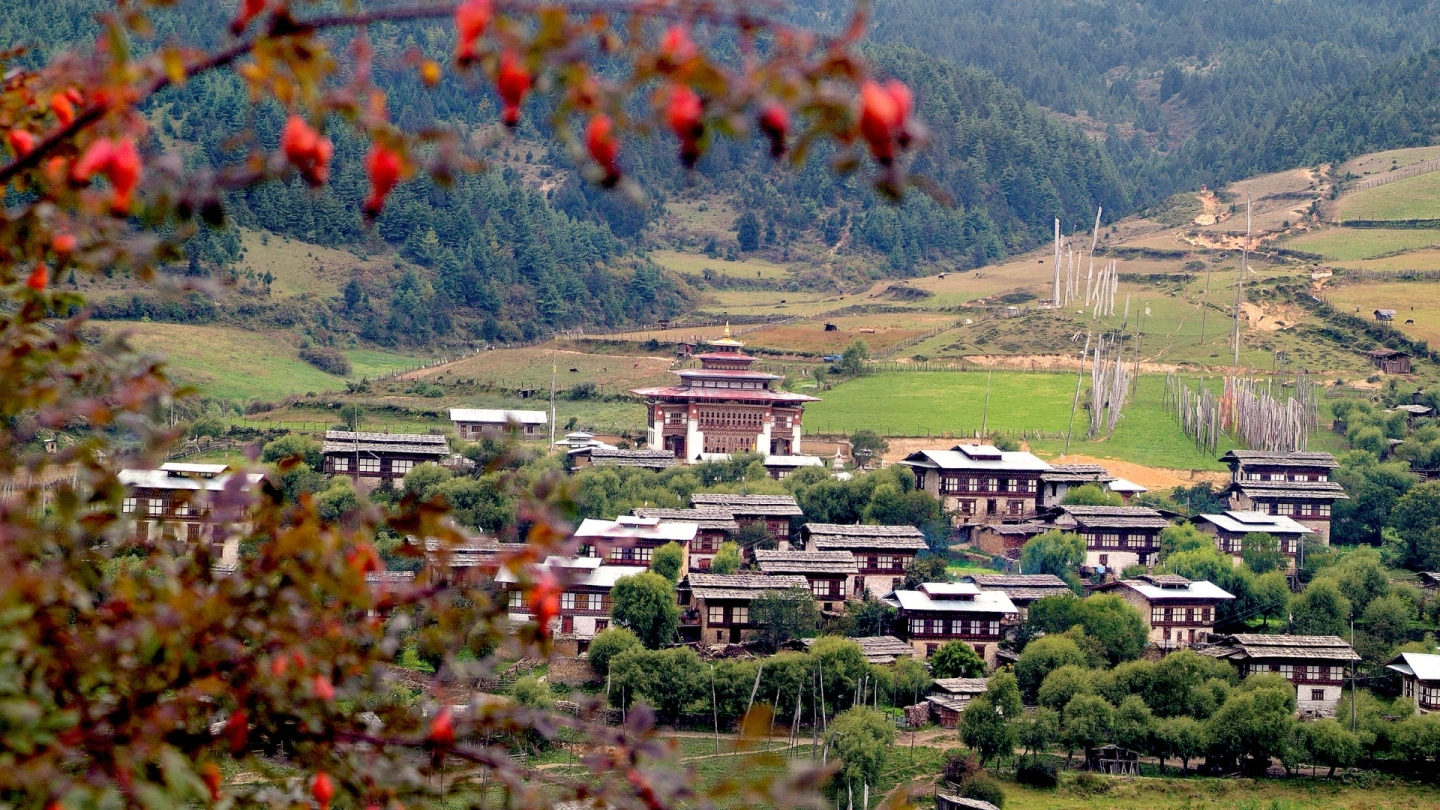



Bhutan, nestled in the eastern Himalayas, offers a profoundly unique travel experience that contrasts sharply with the vast Sahelian landscapes of Mali. As a landlocked kingdom known for its pristine natural beauty, ancient monasteries perched on cliffs, and a commitment to preserving its cultural heritage, Bhutan invites travelers to immerse themselves in a world where spirituality and nature intertwine seamlessly. For Malian visitors, accustomed to the arid expanses of the Sahara and the vibrant markets along the Niger River, Bhutan presents a refreshing shift to lush valleys, towering mountains, and a temperate climate that can range from subtropical warmth in the south to alpine chill in the north. The relationship between Mali and Bhutan is characterized by neutrality and minimal direct interaction, with diplomatic ties maintained through multilateral forums like the United Nations, where both nations advocate for sustainable development and cultural preservation. Trade remains limited, with Mali exporting goods like gold and cotton, while Bhutan focuses on hydropower and organic agriculture, but there is potential for cultural exchange in areas such as traditional crafts and environmental conservation. Geographically, Mali's flat, desert-dominated terrain spanning over 1.2 million square kilometers dwarfs Bhutan's compact 38,000 square kilometers of rugged mountains, yet both countries emphasize community-oriented societies—Mali with its rich oral traditions and communal village life, and Bhutan with its Buddhist principles of harmony and Gross National Happiness. This guide, crafted from the perspective of an experienced Bhutanese travel consultant, aims to equip Malian travelers with the knowledge to navigate this enchanting destination, fostering a journey that is not only practical but also deeply respectful of Bhutan's ethos.
Visa and Entry Requirements
Entering Bhutan requires careful planning due to its controlled tourism policy, designed to protect the kingdom's environment and culture from overtourism. All foreign visitors, including those from Mali, must book their trip through a licensed Bhutanese tour operator, as independent travel is not permitted. For Malian tourists, the visa process begins with selecting a reputable operator who will handle the application on your behalf. You will need to provide a passport valid for at least six months beyond your intended stay, a recent passport-sized photo, and proof of onward travel. The tour operator submits these documents to the Tourism Council of Bhutan, along with your itinerary and payment details. The visa is typically processed within five business days and costs around USD 40 per person for a stay of up to 90 days, though this fee is often bundled into the tour package. Crucially, the visa approval is tied to the payment of the Sustainable Development Fee (SDF), a daily levy that supports Bhutan's free healthcare, education, and environmental initiatives. For non-SAARC nationals like Malians, the SDF is currently USD 100 per person per night, significantly impacting the overall cost of your trip—expect it to add hundreds of dollars depending on your duration. This fee is paid upfront to the operator, who remits it to the government, ensuring your visa is issued only upon confirmation. Upon arrival at Paro International Airport, your visa will be stamped into your passport. It's essential to note that without a pre-booked tour and paid SDF, entry will be denied, underscoring Bhutan's emphasis on high-value, low-impact tourism.
Travel Routes from Mali to Bhutan
Traveling from Mali to Bhutan involves multiple legs, given the absence of direct flights and the geographical distance between West Africa and the Himalayas. Most Malian travelers depart from Bamako's Modibo Keita International Airport, the country's primary hub. Common routes include flying with Ethiopian Airlines via Addis Ababa to Bangkok, then connecting with Druk Air (Bhutan's national carrier) or Bhutan Airlines to Paro. Alternatively, transits through Delhi with Air India or Kathmandu with Nepal Airlines are viable, though Bangkok offers more frequent connections. For instance, a typical itinerary might involve an Ethiopian Airlines flight from Bamako to Addis Ababa (about 7 hours), followed by a 10-hour leg to Bangkok, and finally a 4-5 hour flight to Paro. Expect total travel time to range from 20 to 30 hours, with layovers. Druk Air and Bhutan Airlines are the only operators serving Paro International Airport, which is nestled in a narrow valley and considered one of the world's most challenging due to its short runway and surrounding mountains—pilots require special certification. Weather, particularly fog and high winds, can cause delays or cancellations, so build flexibility into your schedule and consider arriving a day early. Book flights well in advance through your tour operator, who can coordinate seamless connections. Realistic expectations include potential jet lag from crossing time zones and the need for transit visas in some hubs like India, making early planning crucial for a smooth journey.
Best Time to Visit and Seasonality
Bhutan's climate is diverse, influenced by its Himalayan topography, creating four distinct seasons that profoundly affect travel experiences. Spring (March to May) brings mild temperatures averaging 17°C (63°F) in valleys, with blooming rhododendrons and clear skies ideal for trekking and sightseeing, though occasional showers may occur. Summer (June to August) is the monsoon season, characterized by heavy rainfall, high humidity, and landslides that can disrupt roads, making it less favorable despite lush greenery and fewer crowds. Autumn (September to November) offers crisp air, sunny days with temperatures around 15-20°C (59-68°F), and stunning mountain views, coinciding with major festivals like Thimphu Tshechu, drawing cultural enthusiasts. Winter (December to February) features cold snaps down to -5°C (23°F) in higher altitudes, with snow in the north, but clear skies for birdwatching and fewer tourists. For Malian travelers, accustomed to Mali's hot, dry harmattan winds or rainy seasons, autumn is recommended for its balanced weather, festival highlights, and moderate crowds—avoiding the extremes of monsoon or winter chill. Plan around festivals for cultural immersion, but book early as accommodations fill quickly, ensuring your trip aligns with personal preferences for activities like hiking or photography.
Money, Costs, and Payment Methods
Bhutan's currency is the Ngultrum (BTN), pegged 1:1 to the Indian Rupee, which is also widely accepted. Exchange rates fluctuate, but USD is easily convertible at banks or authorized exchangers in major towns like Thimphu and Paro. ATMs are available in urban areas, accepting Visa and Mastercard, with withdrawal limits around BTN 10,000 per transaction, though rural areas lack them—advise carrying USD or BTN cash for remote spots. Credit cards are accepted in larger hotels and shops, but cash dominates markets and small eateries. For Malian travelers, convert CFA francs to USD before departure for better rates. Tour prices, mandated by the government, start at USD 250-300 per day including SDF, covering meals (three per day), transport (private vehicle with driver), English-speaking guide, and standard accommodation. Extras like alcoholic drinks, tips (USD 10-15/day for guide/driver), personal expenses, and optional activities (e.g., hot stone baths) are out-of-pocket. Budget an additional USD 50-100 daily for these, ensuring a realistic financial plan that accounts for Bhutan's cash-reliant economy.
Health, Safety, and Travel Insurance
Health considerations in Bhutan center on its high altitudes, ranging from 100m in the south to over 7,000m, posing risks of acute mountain sickness (AMS) with symptoms like headaches and nausea. Malian travelers, from lower elevations, should acclimatize gradually. Recommended vaccinations include hepatitis A/B, typhoid, and rabies, plus routine shots; consult a doctor pre-trip. Medical facilities are basic outside Thimphu, with Jigme Dorji Wangchuck National Referral Hospital offering quality care, but evacuations may be needed for serious issues. Bhutan is remarkably safe, with low crime rates due to strong community values, but watch for stray dogs (rabies risk) and uneven terrain on hikes. Travel insurance with emergency evacuation coverage is essential, as standard policies may exclude high-altitude activities—opt for comprehensive plans covering medical, trip cancellation, and lost baggage. This safeguards against unforeseen events in a remote destination.
Cultural Etiquette and Social Expectations
Bhutanese society is deeply rooted in Buddhist principles, emphasizing respect, humility, and harmony, which tourists must observe to foster positive interactions. When visiting temples or monasteries, remove shoes and hats, dress modestly (cover shoulders and knees), and walk clockwise around sacred sites. Photography inside is often prohibited, and always ask permission before capturing locals. Use your right hand or both for giving/receiving items, as the left is considered impure. Patience is valued in Bhutan's unhurried pace—avoid rushing or raising voices. For Malian travelers, whose culture emphasizes communal respect and greetings, slight adjustments like adopting the Bhutanese "Kuzuzangpo la" greeting with a slight bow can bridge differences. Modesty aligns with Malian norms, but humility in interactions—avoiding boastfulness—fits Bhutan's egalitarian ethos. Embracing these customs enriches the experience, turning visits into meaningful cultural exchanges.
Connectivity, SIM Cards, Internet Access
Connectivity in Bhutan has improved, with Wi-Fi available in most hotels and cafes in urban areas like Thimphu, though speeds vary and rural spots may have spotty service. For reliable mobile data, purchase a local SIM from B-Mobile or TashiCell at Paro Airport or town outlets—tourist packages offer data, calls, and validity up to 30 days for around BTN 500-1000. B-Mobile has broader coverage, ideal for treks. Malian apps may work, but VPNs are useful for any restrictions or security. Expect occasional outages, so download offline maps and inform family of potential gaps, ensuring communication complements rather than dominates your journey.
Language and Communication
Dzongkha is Bhutan's national language, but English is the medium of instruction in schools and prevalent in tourism—guides, hotel staff, and urban locals speak it fluently. French or Bambara-speaking guides are rare, as tourism caters primarily to English speakers, but operators can arrange multilingual support if requested early. For Malian travelers with limited English, use simple phrases, gestures, or translation apps; your guide will facilitate interactions. Learning basic Dzongkha like "thank you" (kadinchey la) builds rapport, turning language barriers into opportunities for cultural connection.
Packing and Preparation Advice
Packing for Bhutan demands versatility due to its varying climates—from subtropical south to alpine north. Layer clothing: breathable t-shirts, long-sleeve shirts, fleece jackets, and a waterproof windbreaker for rain or wind. Warm items like thermal underwear, gloves, and hats are essential for higher altitudes, especially evenings. Sturdy walking shoes or hiking boots suit uneven terrain, plus comfortable sandals for indoors. Pack modest attire for religious sites: long pants/skirts and scarves. Personal items include sunscreen (high SPF), lip balm, moisturizer for dry air, insect repellent, and a quick-dry towel. Medications: altitude sickness remedies (consult doctor), pain relievers, antidiarrheals, and prescriptions—pharmacies are limited. Power adapters for types D, F, G (230V), reusable water bottle, and snacks for dietary needs. For Himalayan conditions unfamiliar to Malians, include ginger chews for nausea and hand sanitizer. Prepare mentally by reading on Bhutanese culture, ensuring a well-equipped, respectful trip.
Bhutan’s Unique Tourism Philosophy
Bhutan's tourism is guided by Gross National Happiness (GNH), a holistic philosophy prioritizing well-being over economic growth, encompassing psychological wellness, cultural preservation, environmental sustainability, and good governance. This shapes policies like the SDF and mandatory guided tours, limiting visitor numbers to prevent cultural dilution and ecological harm. Unlike mass tourism models, Bhutan favors quality—high-value experiences for discerning travelers—over quantity, protecting its biodiversity (72% forest cover) and traditions. For Malian visitors, this resonates with Mali's communal values but highlights Bhutan's deliberate resistance to rapid modernization, fostering authentic encounters that align with deeper life priorities.
Mindset and Expectations for Visitors
Adjusting expectations is key to enjoying Bhutan, where life unfolds at a slower, contemplative pace amid limited infrastructure. Anticipate small, family-run hotels with basic amenities rather than lavish resorts, and roads that wind through mountains, extending travel times. Nightlife is minimal—no clubs or bars beyond hotel lounges—and luxury shopping absent, with focus on handicrafts over malls. Embrace nature, culture, and spirituality: hikes to Tiger's Nest, monastery visits, and serene landscapes. For Malians seeking respite from urban bustle, this emphasis on inner peace offers profound rewards, provided one approaches with openness and flexibility.
Food and Dining Culture
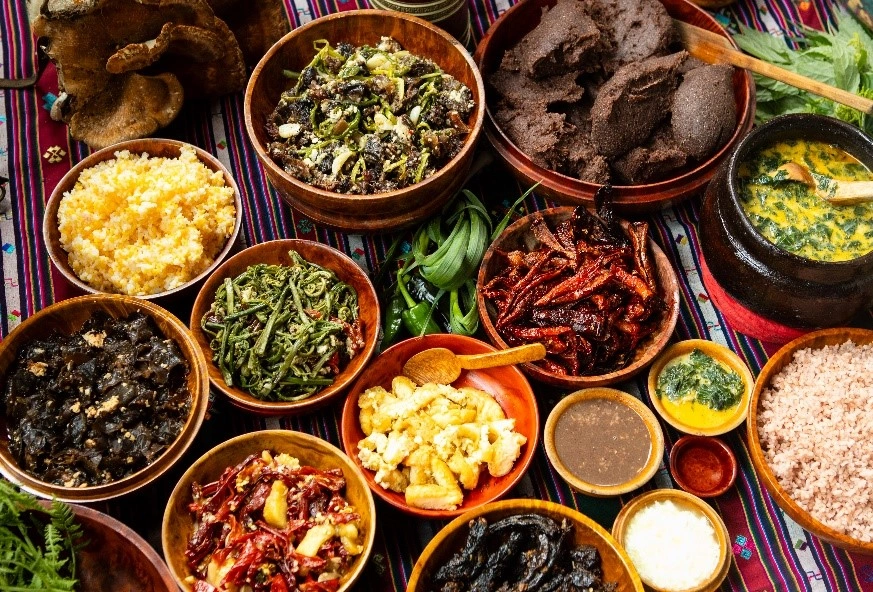
Bhutanese cuisine is hearty, spicy, and cheese-centric, reflecting its agrarian roots and Himalayan influences. Staples include red rice (nutty, nutritious), paired with ema datshi—chilies stewed in cheese sauce, the national dish symbolizing abundance. Dishes like phaksha paa (pork with radish) or momos (dumplings) feature bold flavors from chilies, garlic, and fermented cheese. Dining is communal, often family-style, with tea (suja, butter tea) or ara (rice wine) fostering hospitality. Alcohol is available but moderation encouraged. For Malians, the spiciness may echo jollof rice heat, but cheese-heavy meals differ—vegetarian options abound, enhancing cultural immersion through shared meals.
Festivals, Religion, and Sacred Places
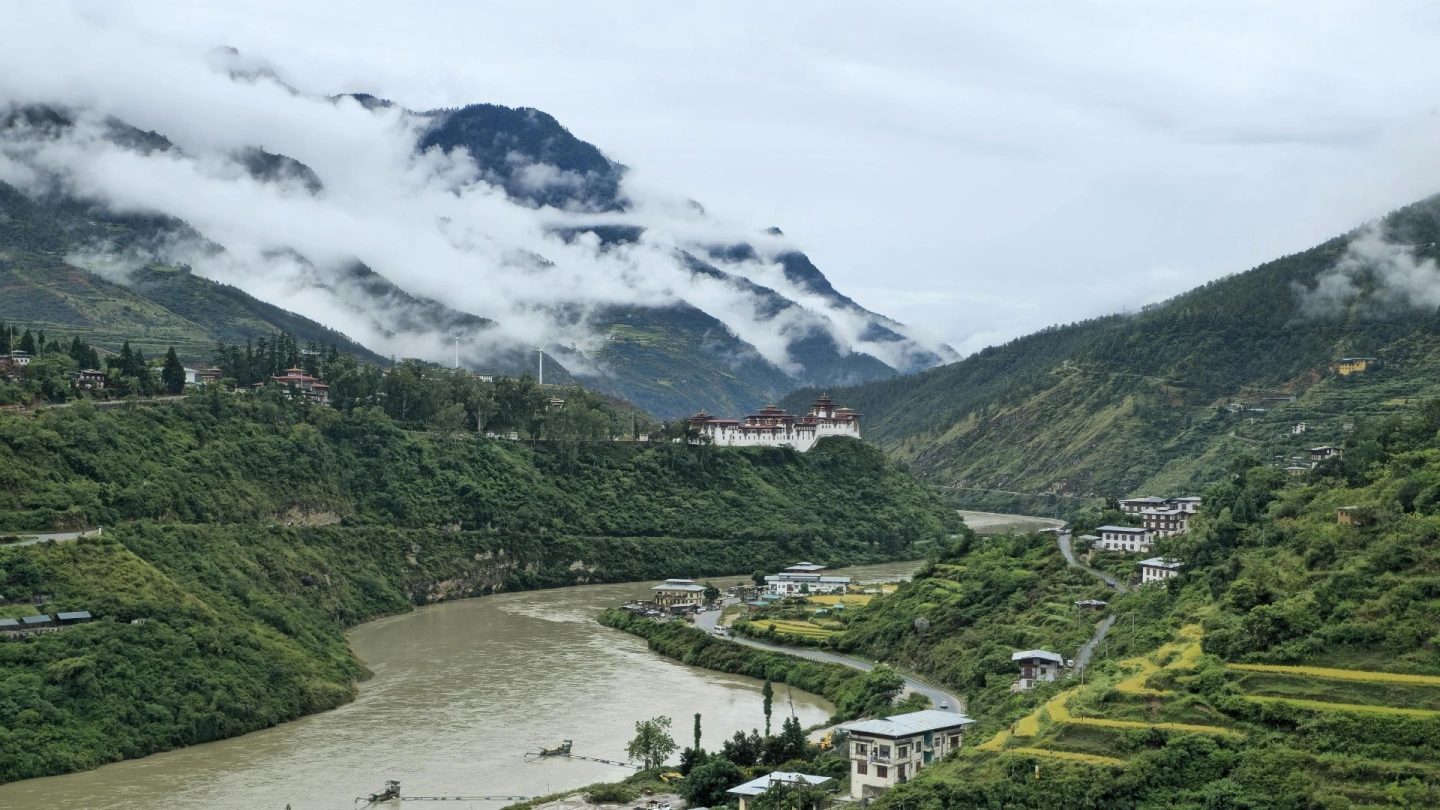
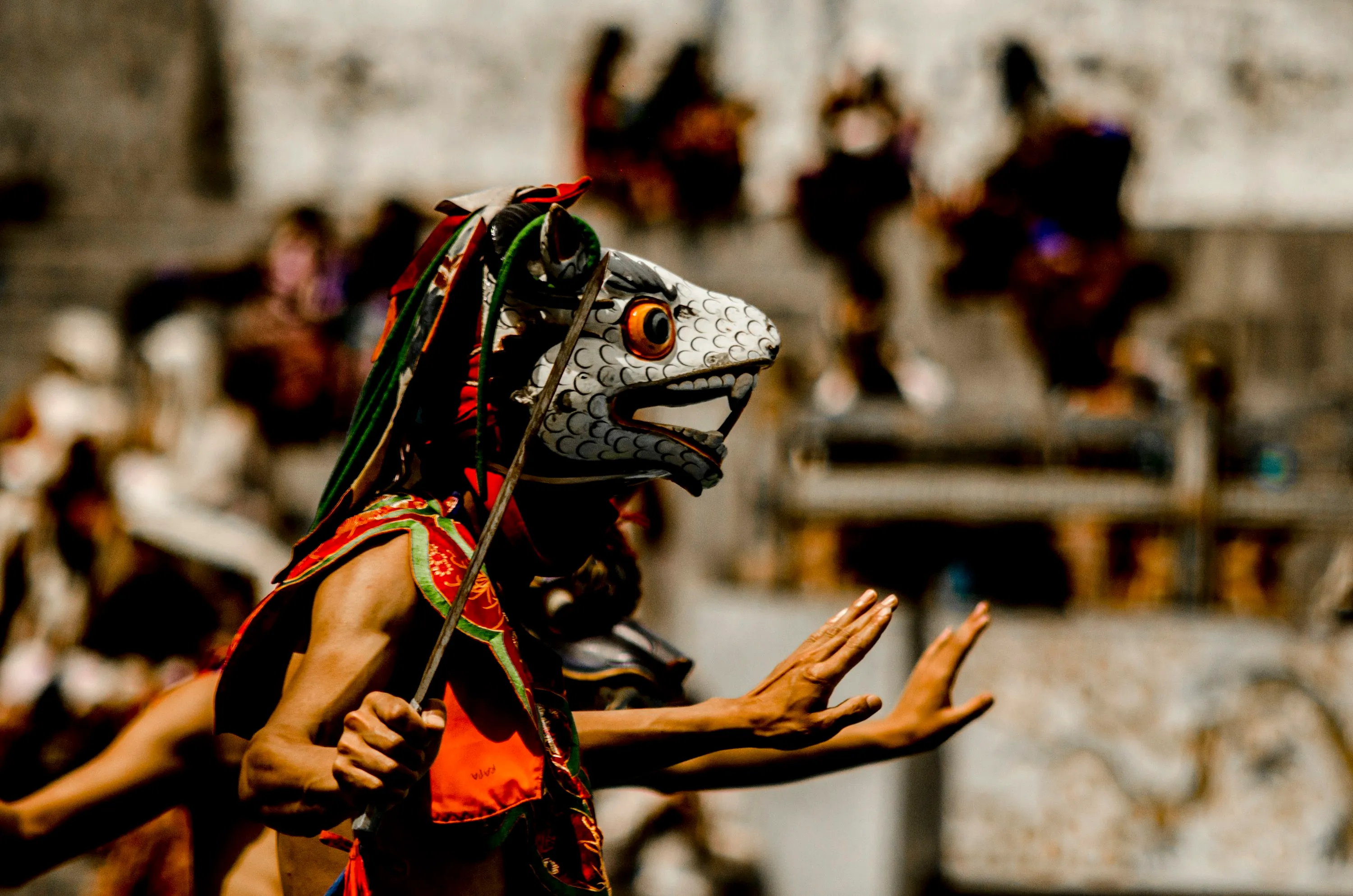
Religion permeates Bhutanese life, with Vajrayana Buddhism shaping daily routines and festivals. Tshechus, annual masked dance events honoring Guru Rinpoche, feature colorful cham dances, blessings, and community gatherings—Thimphu Tshechu in autumn is spectacular. At sacred sites like Punakha Dzong or Kurje Lhakhang, observe silence, circumambulate clockwise, and receive blessings. These experiences deepen understanding of Bhutan's spiritual fabric, where festivals blend devotion and joy, offering Malian travelers insights into a faith-centered society.
Hidden Challenges and Practical Inconveniences
Bhutan travel includes minor inconveniences that add to its authentic charm, requiring patience. Roads are winding and prone to delays from weather or maintenance, extending journeys. Power outages occur sporadically, especially in rural areas, so carry flashlights. Service may be leisurely, reflecting the relaxed pace, and itineraries can shift due to festivals or conditions. Frame these as opportunities to slow down, embracing Bhutan's unpolished allure rather than viewing them as flaws.
Shopping and Souvenirs
Shopping in Bhutan focuses on artisanal goods, with markets in Thimphu and Paro offering handwoven textiles like kira and gho fabrics, bamboo crafts, incense, and Thangka paintings. Authenticity is high, as items support local weavers. Bargaining is minimal—prices are fair, reflecting cultural honesty. Avoid antiques without permits. For Malians, these echo bogolan mud cloths, providing meaningful mementos of Bhutan's craftsmanship.
Altitude Awareness and Physical Preparedness
Altitude affects travelers variably, with symptoms like fatigue emerging above 2,500m. Precautions: hydrate (3-4 liters daily), eat light, avoid alcohol initially, and acclimatize by ascending gradually. If trekking, pace yourself and descend if symptoms worsen. Physical prep includes cardio fitness; consult doctors for medications like acetazolamide. Awareness ensures safe enjoyment of Bhutan's heights.
Security, Safety, and Emergency Information
Bhutan is exceptionally safe, with negligible crime and a peaceful populace. Respect local laws like no smoking in public and environmental protections. Emergency contacts: police 113, ambulance 112, fire 110. No Malian embassy exists; seek assistance via the Indian embassy in Thimphu, as Mali's diplomatic needs are handled regionally. Carry insurance details for swift response.
Photography and Drones
Photography is welcomed outdoors but restricted inside religious sites—seek permission and avoid flash. Respect locals by asking before portraits. Drones require permits from the Bhutan Civil Aviation Authority, prohibited near sensitive areas; declare upon entry. Adhere to rules for ethical capturing of Bhutan's beauty.
What Bhutan Does Not Have
Bhutan lacks skyscrapers, fast-food chains, casinos, and mega-malls, preserving its serene, uncommercialized essence. This absence enhances its appeal as a haven for authentic experiences, free from modern distractions.
Important Questions to Ask Before Booking a Tour
Before confirming your Bhutan tour, engage your operator in detailed discussions to ensure alignment with your needs. Inquire about their licensing by the Tourism Council of Bhutan, confirming legitimacy and adherence to standards. Ask what the package includes—meals, transport, guides, accommodations—and clarify extras like tips or optional excursions, avoiding surprises. Discuss guide qualifications: are they English-speaking, experienced, and able to accommodate any language preferences, perhaps with basic French phrases for Malian comfort? Probe flexibility: can the itinerary adjust for weather or personal interests, like extended festival time? Question accommodation types—standard hotels or upgrades—and food options, including vegetarian or less spicy meals to suit Malian palates. For emergencies, ask about protocols, insurance requirements, and medical support, especially for altitude issues. Inquire how to obtain SIM cards upon arrival and if VPNs are needed for apps. Finally, discuss tipping customs (typically USD 10-15/day) and any cultural training, ensuring a tailored, worry-free experience.
Conclusion
In reflection, Bhutan stands as a rare sanctuary for Malian travelers yearning for cultural depth, untouched natural beauty, and spiritual tranquility amid a world of haste. Far from commercialized escapes, it offers a profound invitation to reconnect with timeless values, where the Himalayas whisper lessons in happiness and harmony. Embrace this journey with an open heart, and return enriched by its enduring magic.