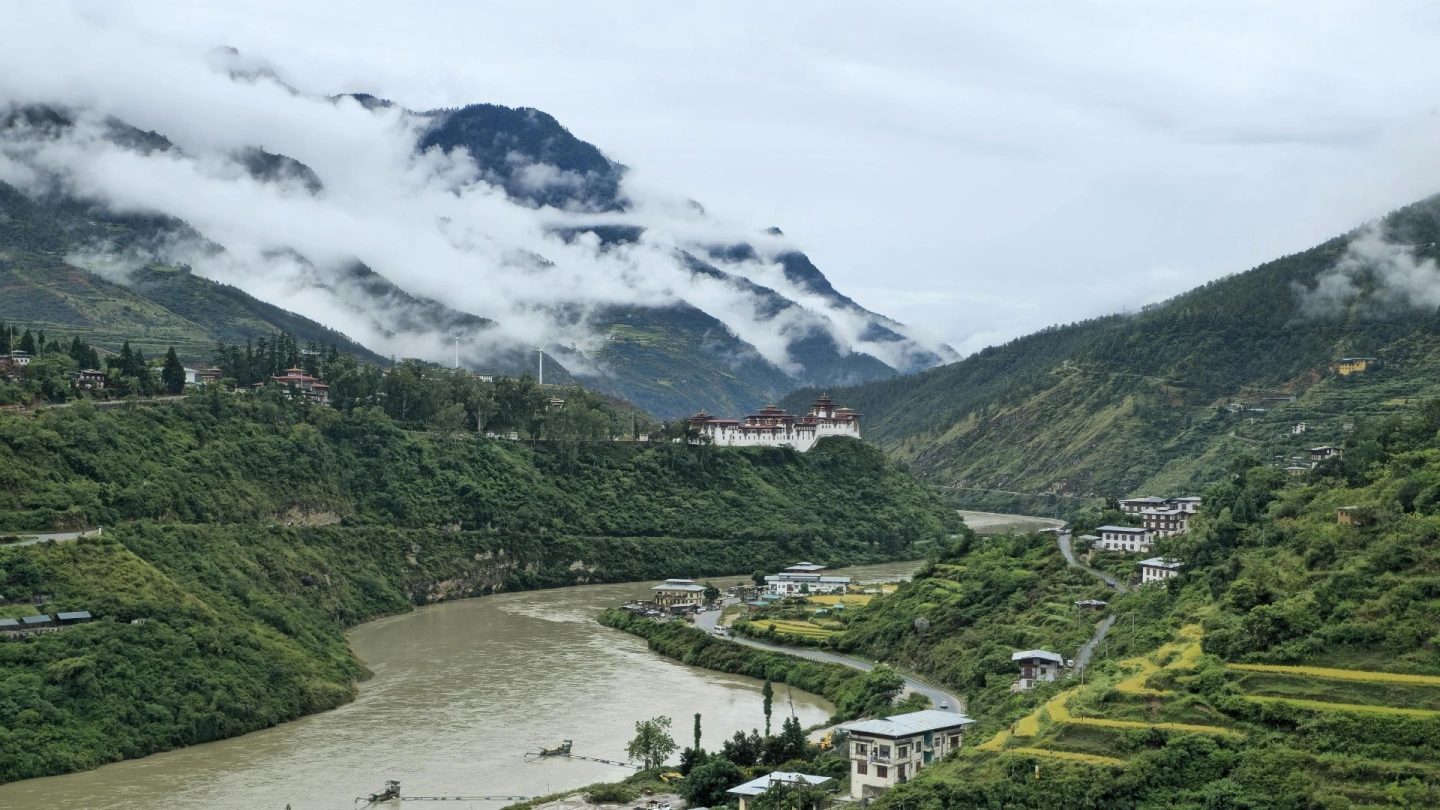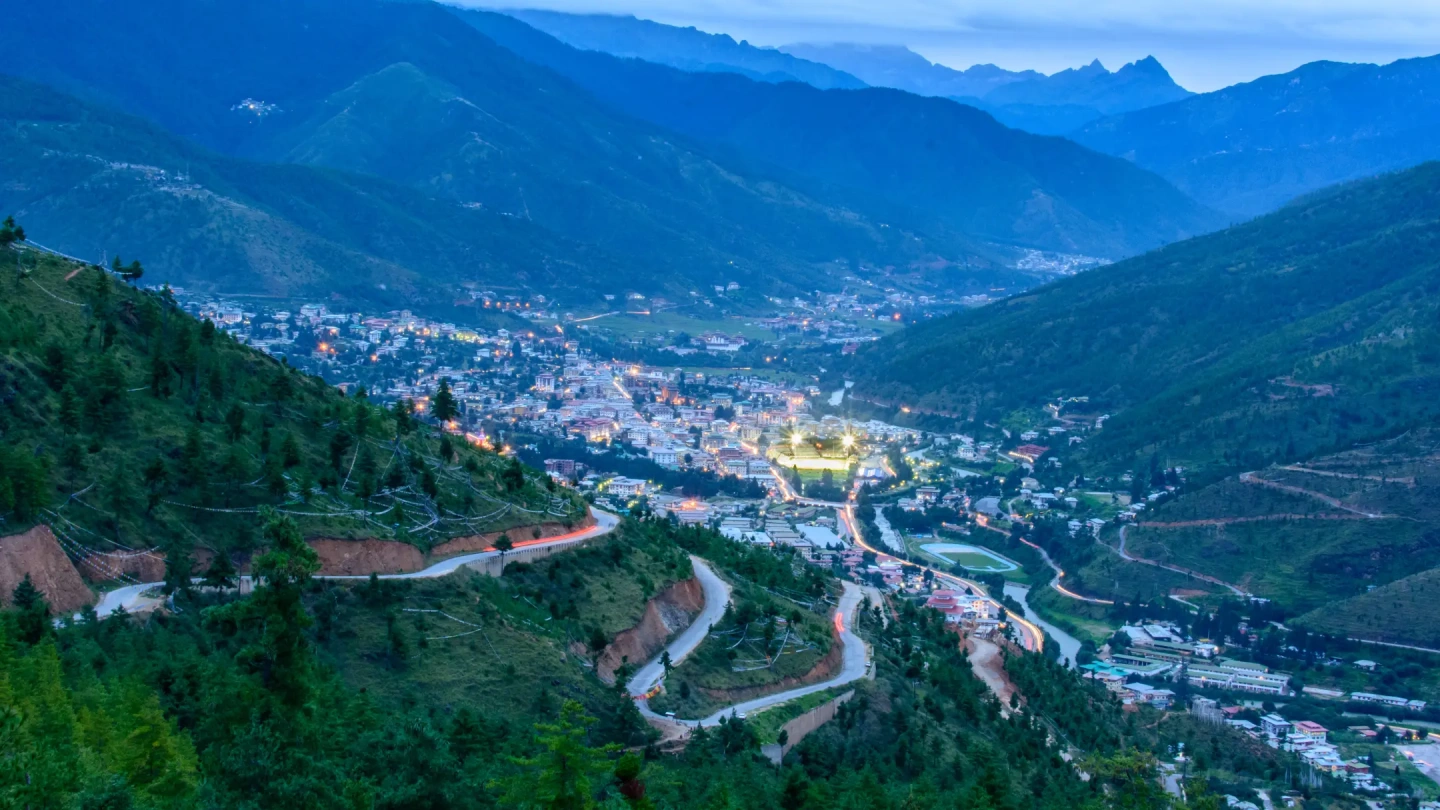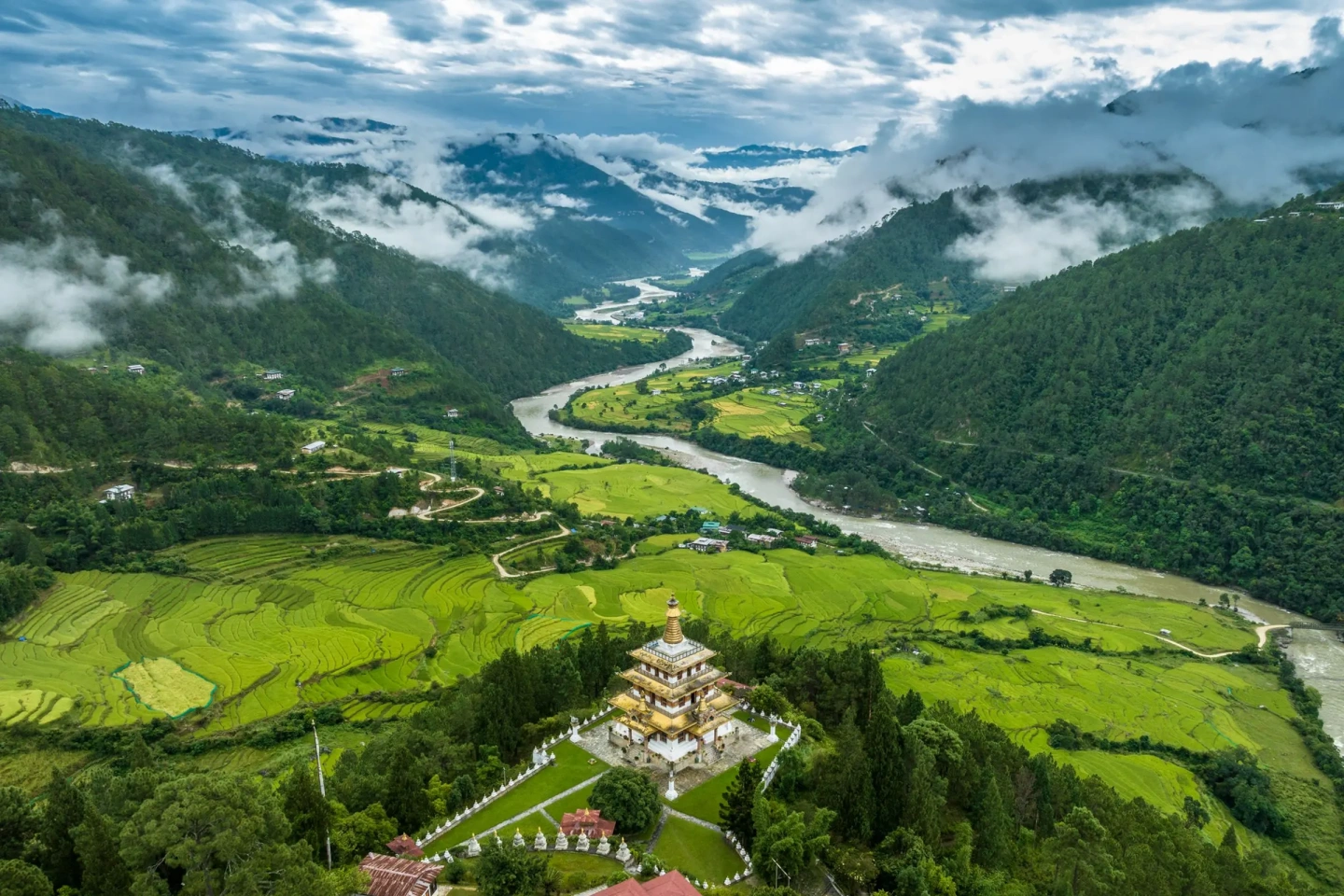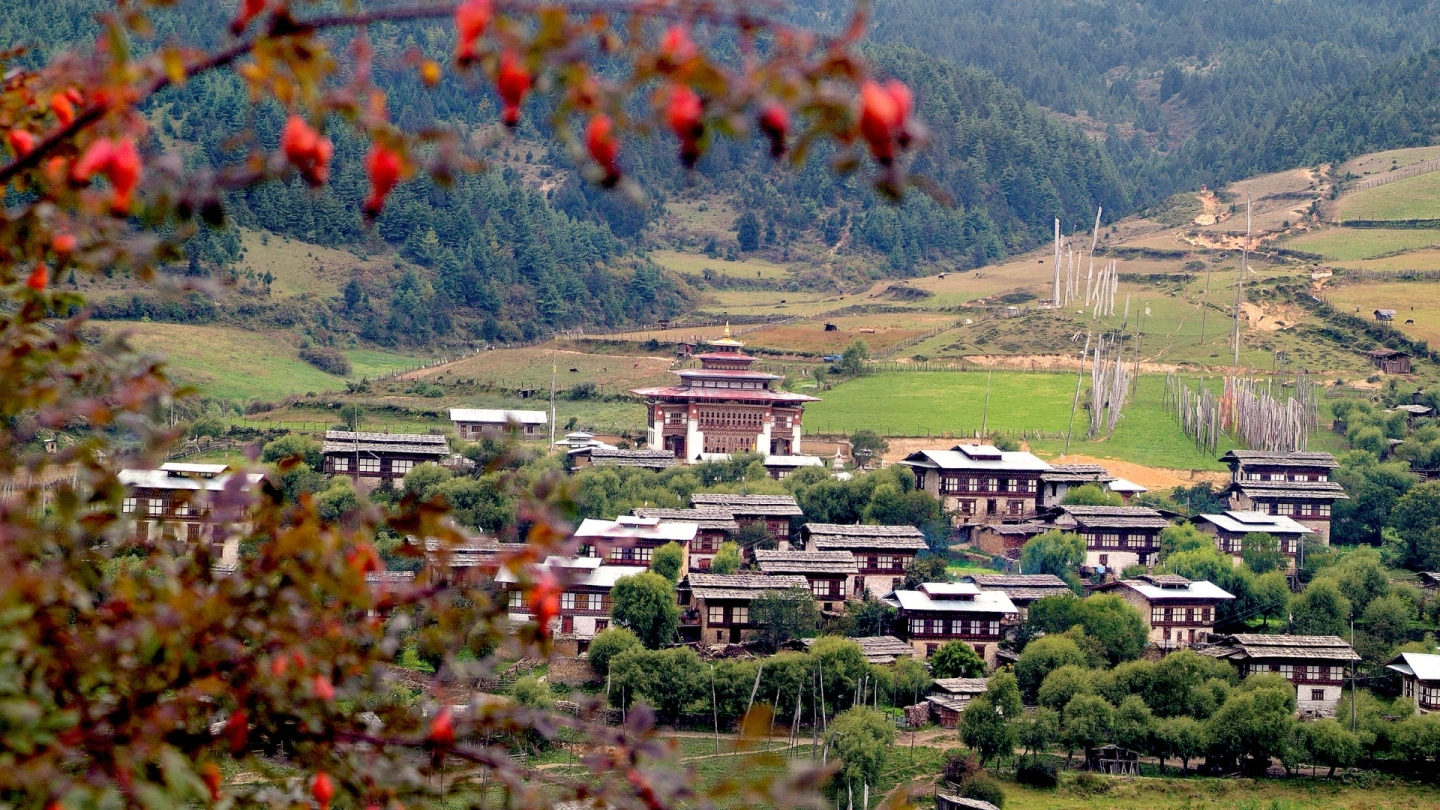



Nestled in the eastern Himalayas, Bhutan beckons Haitian travelers with its pristine landscapes, ancient monasteries perched on cliffs, and a profound commitment to preserving cultural heritage amid modern challenges. As a landlocked kingdom often dubbed the "Last Shangri-La," Bhutan offers a serene escape from the hustle of everyday life, where snow-capped peaks, lush valleys, and fluttering prayer flags create an atmosphere of spiritual tranquility. For Haitians, accustomed to the vibrant rhythms of Caribbean life, vibrant festivals, and resilient communities, Bhutan presents a compelling contrast—a place where happiness is measured not by material wealth but by collective well-being. Though diplomatic relations between Haiti and Bhutan are minimal, primarily conducted through multilateral forums like the United Nations, both nations share intriguing parallels as small countries navigating global pressures while cherishing their unique identities. Haiti, with its rich history of revolution and cultural fusion of African, French, and indigenous influences, mirrors Bhutan's blend of ancient Buddhist traditions and cautious modernization. Both face developmental hurdles: Haiti grapples with economic instability and natural disasters, while Bhutan prioritizes sustainable growth to avoid over-reliance on tourism or industry. Yet, Bhutan's emphasis on Gross National Happiness (GNH) could inspire Haitian visitors seeking renewal, offering lessons in environmental stewardship and community harmony. This guide, crafted as if by an experienced Bhutanese travel consultant, aims to equip Haitian travelers unfamiliar with the Himalayas with practical insights and cultural depth, ensuring a journey that is not only memorable but transformative, fostering a deeper appreciation for the world's diverse ways of living.
Visa and Entry Requirements
Bhutan's tourism is governed by a controlled policy designed to protect its environment and culture, mandating that all foreign visitors, including those from Haiti, book their trips through licensed Bhutanese tour operators. This "high value, low volume" approach ensures sustainable tourism, limiting the number of visitors while providing personalized experiences. For Haitian tourists, the visa process begins with selecting a reputable tour operator who handles the application on your behalf. You will need to provide a valid passport with at least six months' validity, a recent passport-sized photo, and proof of travel insurance. The operator submits these documents to the Tourism Council of Bhutan (TCB) for approval, which typically takes about 72 hours once full payment for the tour is made. Payment is intricately linked to visa approval; the tour cost, including the Sustainable Development Fee (SDF), must be wired in advance to the operator's account, after which the visa is issued electronically. Upon arrival at Paro International Airport, the visa is stamped on your passport. The SDF, a daily levy supporting Bhutan's development in areas like healthcare, education, and conservation, currently stands at $100 per person per night for adults, with reductions for children aged 6-12 at $50 and exemptions for those under 6. This fee significantly impacts overall pricing, as it forms a core part of the minimum daily package rate, which covers accommodation, meals, transport, and guides. Haitian travelers should note that no independent travel is permitted outside this framework, emphasizing Bhutan's commitment to guided, responsible exploration.
Travel Routes from Haiti to Bhutan
Traveling from Haiti to Bhutan involves multiple legs due to the absence of direct flights, requiring careful planning around transit hubs in Asia. From major Haitian cities like Port-au-Prince (PAP), the journey typically starts with flights to key international gateways such as Miami or New York in the United States, or sometimes via Europe like Paris, before connecting to Asian cities. Common transit points include Delhi (India), Bangkok (Thailand), Kathmandu (Nepal), or Singapore, where you can board flights operated exclusively by Bhutan's two national carriers: Drukair (Royal Bhutan Airlines) and Bhutan Airlines (Tashi Air). For instance, a route might involve flying from Port-au-Prince to Delhi via American Airlines or Air France, then transferring to Drukair for the final leg to Paro (PBH), Bhutan's only international airport. These flights are limited in frequency—often just a few per week—and subject to strict weight restrictions due to Paro's high-altitude location at over 7,300 feet, surrounded by mountains, making it one of the world's most challenging airports for landings. Weather plays a significant role; monsoon rains or fog can cause delays or cancellations, so Haitian travelers should build flexibility into their schedules, perhaps allowing an extra day in transit cities. Booking should be done well in advance through your tour operator, who coordinates with the airlines, and expect total travel time to range from 30 to 50 hours, including layovers. Realistic expectations include potential jet lag from crossing multiple time zones and the thrill of a dramatic descent into Paro Valley, where pilots navigate steep turns— a testament to the adventure awaiting in Bhutan.
Best Time to Visit and Seasonality
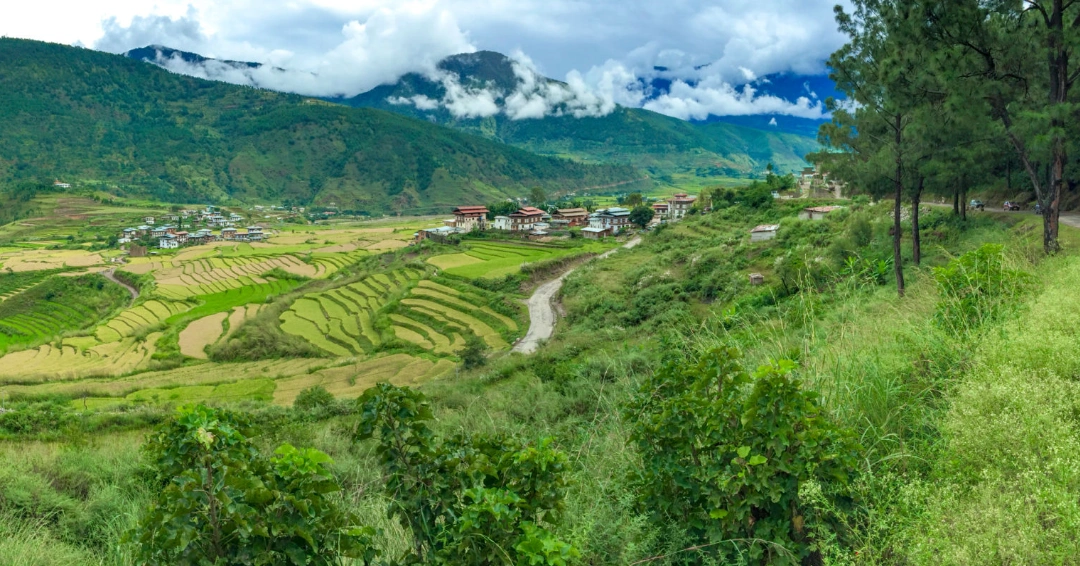
Bhutan's seasons profoundly influence travel experiences, with varying weather patterns across its diverse terrain from subtropical lowlands to alpine heights. Spring (March to May) brings mild temperatures averaging 15-25°C in valleys, blooming rhododendrons and jacarandas painting the landscapes in vibrant hues, ideal for trekking and cultural tours with clear skies for mountain views. This period aligns with festivals like the Paro Tshechu in April, featuring masked dances and religious rituals that offer Haitian travelers a glimpse into Bhutan's spiritual life. Summer (June to August) introduces the monsoon, with heavy rains up to 500mm monthly in southern regions, leading to lush greenery but slippery roads and leech-infested trails, making it less favorable though cheaper and less crowded for those seeking solitude. Autumn (September to November) is widely regarded as the prime season, with crisp air at 10-20°C, harvest festivals like Thimphu Tshechu in September-October drawing crowds for colorful processions, and excellent visibility for photography and hikes. Winter (December to February) sees colder weather, dropping to -5°C in higher altitudes with occasional snow, perfect for low-season tranquility and festivals like the Punakha Drubchen, but requiring warmer gear. For Haitian tourists, accustomed to tropical climates, autumn or spring are recommended to avoid extreme cold or rain, balancing comfortable weather, fewer crowds in shoulder months, and opportunities to witness cultural highlights that resonate with Haiti's own festive traditions.
Money, Costs, and Payment Methods
Bhutan's currency, the Ngultrum (BTN), is pegged to the Indian Rupee (INR) at a 1:1 ratio, facilitating easy exchanges, though Haitian travelers should primarily carry US Dollars (USD) for conversion upon arrival, as Haitian Gourdes are not commonly accepted. Exchange facilities are available at Paro Airport, major banks like Bhutan National Bank, and authorized money changers in towns, but rates can vary, so compare before converting large amounts. ATMs are increasingly available in urban areas like Thimphu and Paro, accepting Visa and Mastercard, though rural spots may lack them, and withdrawal limits apply with potential fees—always carry cash for remote areas. Credit card acceptance is limited to larger hotels and shops in cities, often with surcharges, so rely on cash for most transactions. Tour prices, mandated by the government, start at a minimum daily rate incorporating the SDF, covering three-star accommodation, all meals, private transport, licensed guides, and entry fees, typically ranging from $250-300 per person per day in high season, dropping in low season. Extras include alcoholic beverages, premium souvenirs, tips (suggested $10-15 per day for guides and drivers), personal expenses like laundry, and optional activities such as hot stone baths. Haitian visitors should budget an additional 10-20% for these, noting that the all-inclusive nature minimizes unexpected costs while supporting local economies.
Health, Safety, and Travel Insurance
Health considerations in Bhutan revolve around its high-altitude terrain, where elevations exceed 2,000 meters in many areas, posing risks of acute mountain sickness (AMS) with symptoms like headaches, nausea, and fatigue—Haitian travelers, unused to such heights, should acclimatize gradually and consult doctors beforehand. Recommended vaccinations include Hepatitis A and B, Typhoid, Tetanus, and possibly Rabies due to stray dogs, while malaria is low-risk but mosquito repellent is advised in lowlands. Medical facilities are basic outside Thimphu, with Jigme Dorji Wangchuck National Referral Hospital offering quality care, but evacuation may be needed for serious issues. Travel insurance is mandatory and essential, covering medical emergencies, high-altitude evacuation by helicopter (costing thousands), trip cancellations, and lost baggage—ensure policies include adventure activities if trekking. Bhutan is exceptionally safe with low crime rates, rooted in Buddhist values of compassion, but minor risks include pickpocketing in crowded festivals, encounters with stray dogs (avoid feeding), and uneven paths in rural areas that could lead to slips. Haitian tourists can travel confidently, but staying with guides and respecting local norms enhances security in this peaceful kingdom.
Cultural Etiquette and Social Expectations
Bhutanese society is steeped in Buddhist principles of respect, humility, and harmony, requiring Haitian travelers to adapt behaviors for meaningful interactions. In temples and monasteries, remove hats, shoes, and sunglasses before entering, dress modestly covering shoulders and knees (long pants or skirts for both genders), and circumambulate sacred sites clockwise while avoiding pointing at deities or monks. Public displays of affection are frowned upon, as are loud voices or impatience—embrace a calm demeanor, greeting with "Kuzuzangpo la" (hello) and using both hands or the right hand to give/receive items, never the left. Humility shines in social settings; accept offerings like tea with grace, and when visiting homes, bring small gifts such as fruit or sweets, sitting cross-legged on floors during meals. Haitian cultural vibrancy, with its expressive storytelling and communal spirit, can align well, but tone down boisterous laughter or direct confrontation, opting for polite inquiry instead. Photography of people requires permission, and topics like politics or the monarchy should be approached sensitively, as Bhutanese hold their king in reverence. By observing these nuances, Haitian visitors foster genuine connections, enriching their experience in a culture where kindness is currency.
Connectivity, SIM Cards, Internet Access
Connectivity in Bhutan has improved, but remains variable, with Wi-Fi available in most hotels and cafes in urban areas like Thimphu and Paro, though speeds can be slow in remote valleys due to terrain. For reliable mobile access, Haitian travelers should purchase a local SIM card upon arrival at Paro Airport or in towns from providers B-Mobile (Bhutan Telecom) or TashiCell, both offering tourist packages with data, calls, and texts starting at around $10-20 for 7-10 days. B-Mobile boasts wider coverage, especially in rural areas, while TashiCell is competitive in pricing—bring your passport for registration, and top-ups are easy via scratch cards or apps. Haitian apps may work without issues, but occasional restrictions on international services could arise; a VPN is useful for secure browsing or accessing geo-blocked content. Expect signal drops during treks or drives through mountains, so inform family of potential offline periods, and use connectivity to share Bhutan's beauty while respecting privacy in sacred spaces.
Language and Communication
Dzongkha is Bhutan's official language, but English is the medium of instruction in schools and prevalent in tourism, making communication straightforward for most interactions. Licensed guides, hotel staff, and urban locals speak fluent English, facilitating tours and daily needs, though rural elders may rely on Dzongkha or regional dialects like Sharchop. Haitian Creole or French-speaking guides are not commonly available, as tourism caters primarily to English speakers, but operators can arrange multilingual support if requested in advance. For travelers with limited English, visual aids like translation apps (e.g., Google Translate with offline Dzongkha packs), gestures, and simple phrases such as "Tashi Delek" (good luck) bridge gaps effectively. Patience and smiles go far in Bhutanese culture, where non-verbal cues convey respect—Haitian visitors can draw parallels to their own multilingual society, using curiosity to learn basic Dzongkha for warmer engagements.
Packing and Preparation Advice
Packing for Bhutan demands versatility to handle its microclimates, from warm subtropical plains to chilly Himalayan heights, where temperatures fluctuate daily. Layering is key: include breathable base layers, fleece jackets, waterproof windbreakers, and a lightweight down coat for evenings above 2,500 meters. Comfortable walking shoes with good grip are essential for uneven paths and treks, paired with wool socks, while modest clothing like long pants, collared shirts, and scarves respects cultural sites—avoid shorts or tank tops. Personal items should encompass sunscreen (high UV at altitude), insect repellent, reusable water bottle for hydration, and a power bank as outlets may be scarce. Medications are crucial: pack altitude sickness remedies like Diamox (after consulting a doctor), pain relievers, antidiarrheals, and any prescriptions, plus a first-aid kit. Power adapters for 230V Indian-style plugs (round pins), a universal charger, and binoculars for wildlife enhance the experience. Haitian travelers unfamiliar with cold snaps should add gloves, hats, and thermal underwear for winter, and rain gear for monsoons, ensuring luggage stays under airline limits for Paro's restrictions—preparation fosters comfort in this rugged paradise.
Bhutan’s Unique Tourism Philosophy
At the heart of Bhutan's tourism lies the philosophy of Gross National Happiness (GNH), a holistic metric prioritizing citizens' well-being over economic growth, shaping policies that favor quality over quantity in visitors. Introduced by the Fourth King in the 1970s, GNH encompasses psychological wellness, environmental conservation, cultural preservation, and good governance, leading to cautious tourism that limits numbers through the SDF and mandatory guided tours. This approach prevents overtourism's pitfalls, protecting fragile ecosystems where over 70% of land remains forested and carbon-negative status is maintained. For Haitian travelers, this philosophy reveals why Bhutan resists rapid modernization—skyscrapers or mass developments could erode traditions like archery or weaving, integral to identity. Instead, tourism revenue funds free education and healthcare, creating a model where visitors contribute to societal harmony. Understanding GNH helps Haitians appreciate Bhutan's deliberate pace, inviting reflection on balancing progress with heritage in their own context.
Mindset and Expectations for Visitors
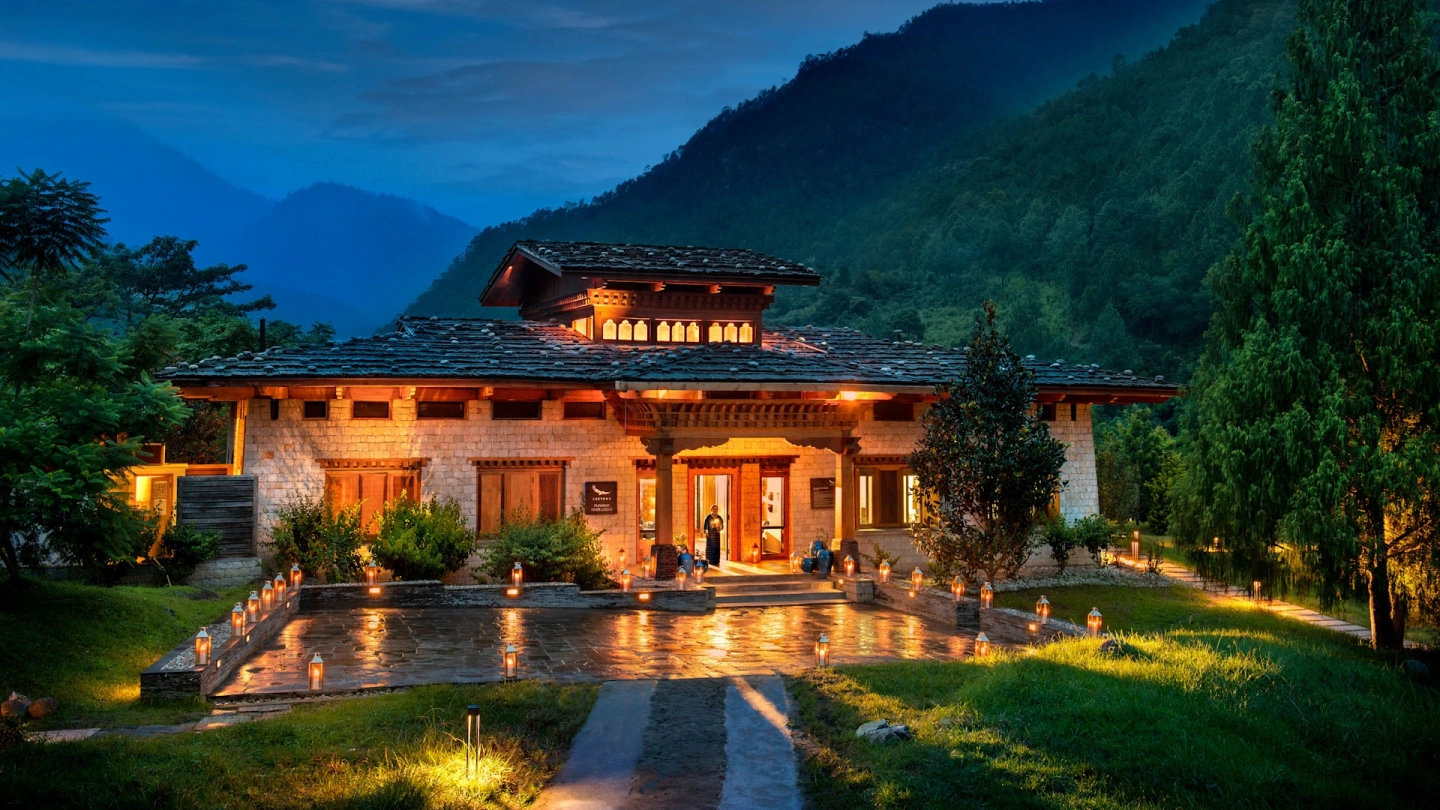
Approaching Bhutan requires a mindset attuned to its unhurried rhythm, where time bends to nature and spirituality rather than convenience, contrasting Haiti's dynamic energy. Expect a slower pace: meals prepared fresh, drives winding through mountains, and interactions emphasizing presence over haste. Infrastructure is developing—roads may be bumpy, hotels cozy but not opulent, often family-run with basic amenities like hot water on demand. Luxury shopping or nightlife is absent; no malls or clubs, just local crafts and evening strolls under stars. The focus shifts to immersion in nature, like hiking to Tiger's Nest Monastery, or cultural pursuits such as attending archery matches. Haitian travelers should release expectations of constant stimulation, embracing simplicity as rejuvenating—power outages become opportunities for candlelit stories, and limited Wi-Fi encourages disconnection. This mindset transforms potential frustrations into charms, revealing Bhutan's essence as a sanctuary for soul-searching amid breathtaking vistas.
Food and Dining Culture
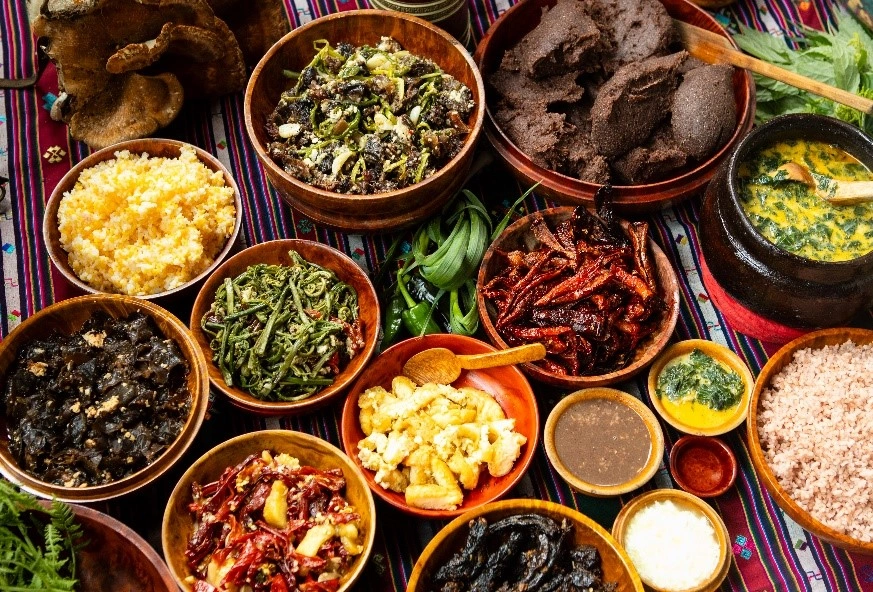
Bhutanese cuisine reflects the kingdom's agrarian roots and Himalayan influences, characterized by bold, spicy flavors from chilies, cheese, and simple ingredients that Haitian palates, fond of heat from Scotch bonnets, may find familiar yet distinct. Staples include red rice, nutty and hearty, paired with ema datshi—a national dish of chilies stewed in yak cheese sauce, fiery yet creamy. Other common offerings are phaksha paa (pork with radish and chilies), momos (steamed dumplings filled with meat or vegetables), and jasha maru (spicy chicken curry), often accompanied by buckwheat pancakes or fermented vegetables. Dining embodies hospitality: meals are communal, eaten with hands or spoons, starting with butter tea (suja) for warmth, and featuring ara (rice wine) in moderation. Attitudes toward food emphasize nourishment and sharing—portions are generous, waste minimal, and vegetarian options abound due to Buddhist principles, though meat is consumed. Alcohol, like locally brewed beer, flows at festivals but with restraint. Haitian travelers will appreciate the emphasis on fresh, organic produce, adapting to cheese-heavy dishes by requesting milder spices, and experiencing dining as a cultural bridge through shared tables and stories.
Festivals, Religion, and Sacred Places
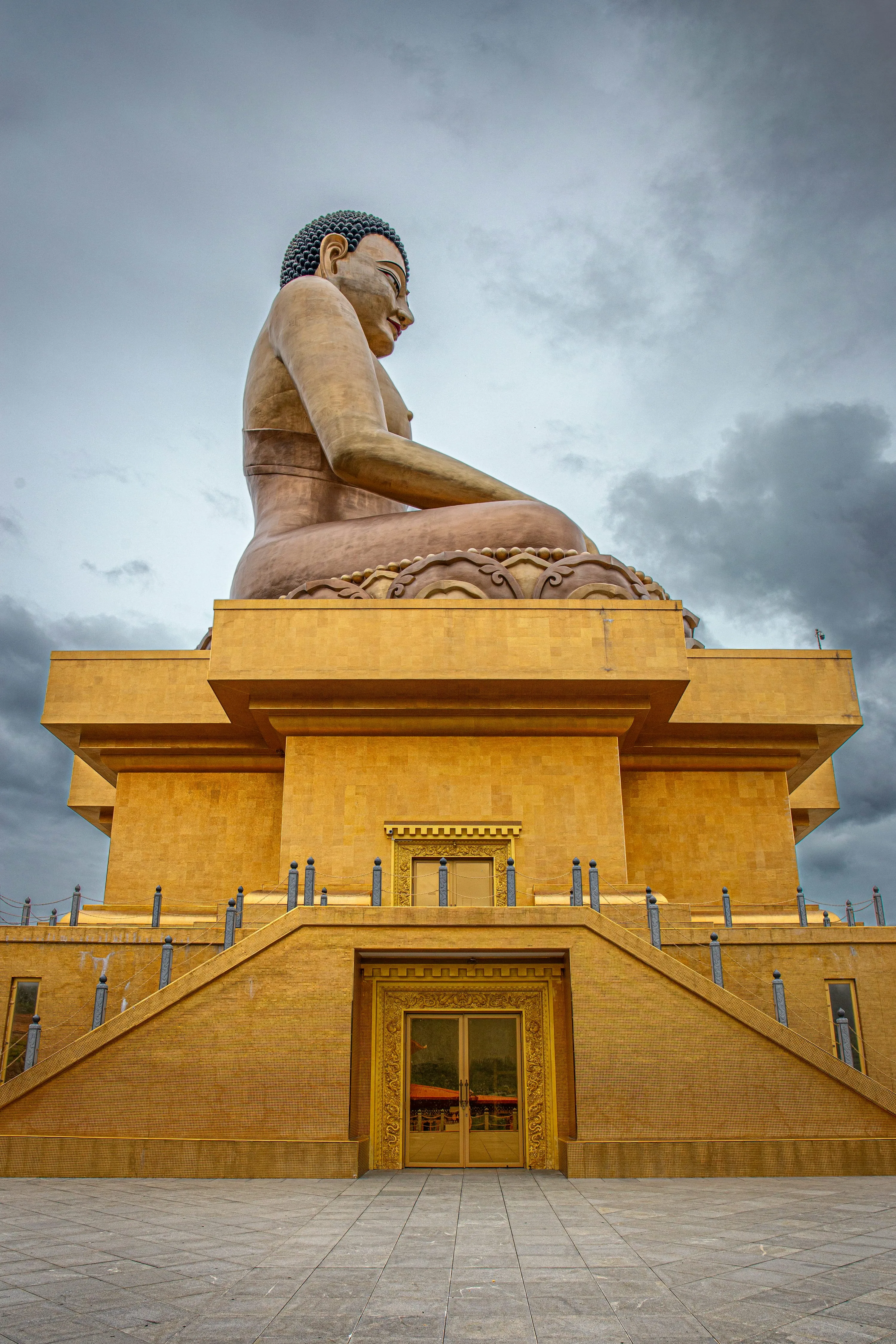
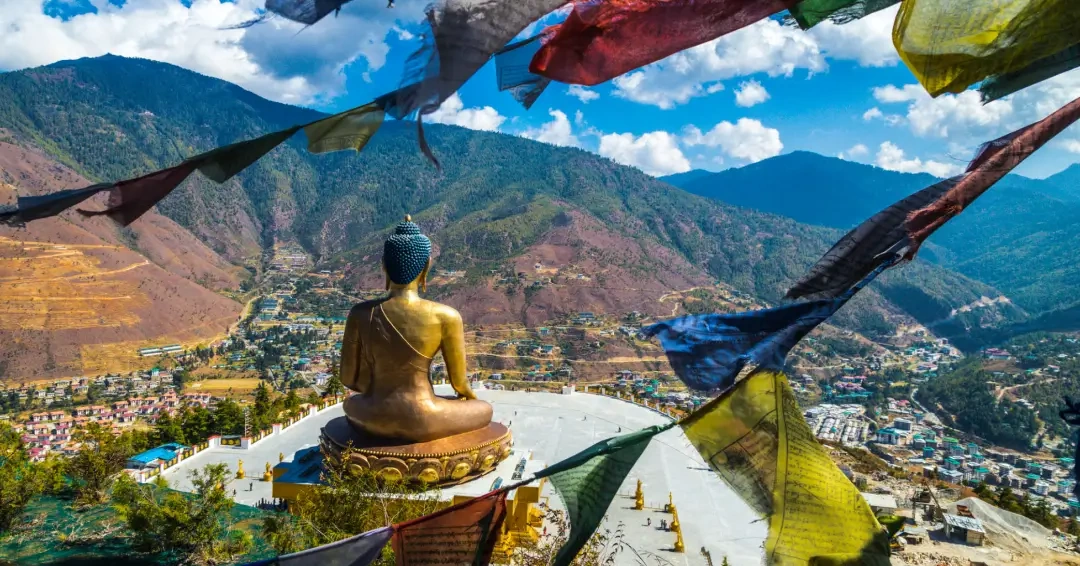
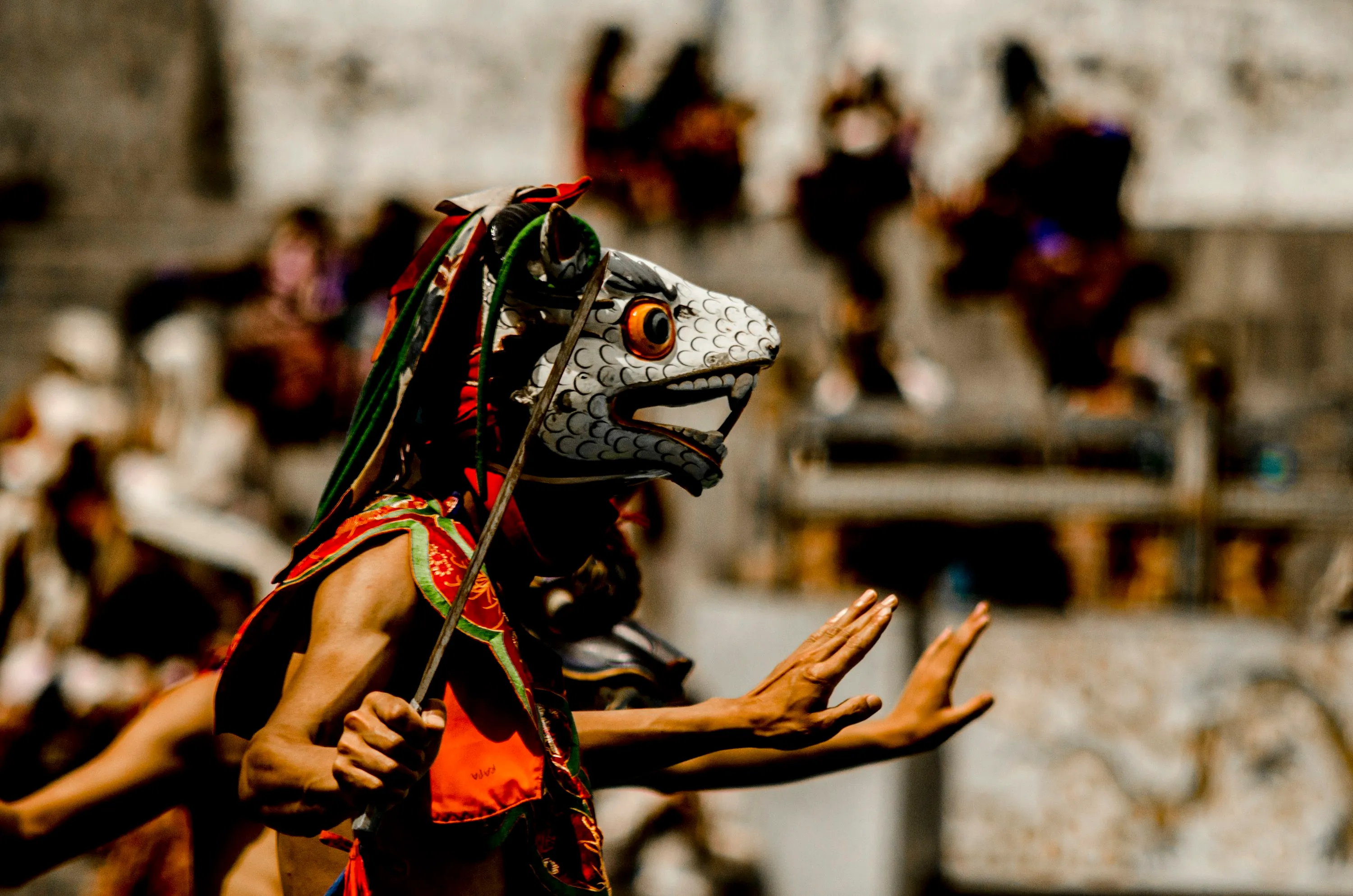
Religion permeates Bhutanese life, with Vajrayana Buddhism guiding daily practices and festivals that Haitian visitors can view as vibrant parallels to their own spiritual celebrations. Tshechus, annual religious festivals honoring Guru Rinpoche, feature masked dances (cham) depicting moral tales, performed in dzong courtyards amid colorful costumes and music, fostering community and purification. Attendees, including locals in traditional gho and kira, receive blessings from unfurled thongdrol banners. Sacred sites like Taktsang (Tiger's Nest) or Punakha Dzong demand reverence: enter quietly, donate modestly, and follow clockwise paths without touching artifacts. These experiences deepen understanding of Bhutan's worldview, where karma and compassion reign, offering Haitian travelers profound insights into unity through ritual and devotion.
Hidden Challenges and Practical Inconveniences
While Bhutan's allure lies in its authenticity, hidden challenges test patience, framing them as integral to its charm rather than flaws. Road conditions are often winding and narrow, with landslides during rains causing delays—journeys that seem short on maps stretch hours, but offer stunning views en route. Power outages occur sporadically, especially in rural areas, turning evenings into intimate gatherings by lantern light, echoing simpler times. Service may feel leisurely, as Bhutanese prioritize mindfulness over speed, and itinerary changes arise from weather or festivals, requiring flexibility. These inconveniences, like intermittent hot water or basic facilities, underscore Bhutan's resistance to over-development, inviting Haitian travelers to embrace them as opportunities for growth and appreciation of unspoiled beauty.
Shopping and Souvenirs
Shopping in Bhutan centers on artisanal treasures reflecting its craftsmanship, devoid of malls or duty-free extravagance, focusing instead on meaningful mementos. Handwoven textiles like kira fabrics or yathra wool scarves from Bumthang showcase intricate patterns, while wooden masks, thangka paintings, and prayer wheels embody spiritual artistry. Incense, handmade paper (deysho), and Dzi beads for jewelry are authentic buys, available in markets like Thimphu's Weekend Market or Paro's craft shops. Bargaining is subtle and respectful—not aggressive haggling but polite negotiation, starting at 10-20% off, as prices are fair to support artisans. Ensure authenticity by purchasing from government-approved outlets to avoid fakes, and Haitian travelers will find these items as cultural bridges, carrying home pieces of Bhutan's soul.
Altitude Awareness and Physical Preparedness
Altitude in Bhutan affects individuals variably, with many sites over 3,000 meters triggering symptoms like dizziness or shortness of breath, demanding proactive measures for Haitian travelers unaccustomed to heights. Acclimatization is vital: spend initial days in lower Paro or Thimphu, avoiding strenuous activity, and ascend gradually. Hydrate abundantly (3-4 liters daily), eat light carb-rich meals, and monitor for AMS signs—if severe, descend immediately. Precautions include pre-trip fitness like cardio walks, carrying medications such as ibuprofen, and adjusting treks to personal limits—guides monitor health. This awareness ensures safe enjoyment of Bhutan's heights, turning potential hurdles into empowered explorations.
Security, Safety, and Emergency Information
Bhutan's reputation as a secure destination holds firm, with negligible violent crime and a society built on trust, allowing Haitian travelers to explore freely under guided supervision. Petty theft is rare but safeguard valuables in crowds; natural hazards like earthquakes or monsoons warrant caution. Emergency contacts include police at 113, medical at 112, and your tour operator for immediate aid. No Haitian embassy exists in Bhutan; nearest assistance is via the US Embassy in New Delhi (for dual citizens) or Haiti's mission in India. Respect local laws against drugs, wildlife trade, or defaming the monarchy—fines are steep. Overall, safety stems from community vigilance, making Bhutan a haven for peaceful journeys.
Photography and Drones
Photography in Bhutan captures its majesty, but rules protect sacredness: interiors of temples, dzongs, and government buildings prohibit shots, while exteriors and landscapes are free. Ask permission before photographing people, especially monks or at festivals, to honor privacy. Drones require prior permits from the Civil Aviation Authority, banned near religious sites, airports, or yellow-roofed buildings—violations lead to confiscation. Respectful behavior, like not using flash in rituals, ensures positive experiences for Haitian photographers documenting this ethereal land.
What Bhutan Does Not Have
Bhutan's deliberate preservation means absences that enhance its uniqueness: no towering skyscrapers pierce the skyline, preserving mountain vistas; fast-food chains like McDonald's or KFC are nonexistent, favoring local eateries; casinos and gambling are prohibited, aligning with Buddhist ethics; and big shopping centers yield to artisan markets. These omissions underscore Bhutan's charm as an untouched realm, inviting Haitian travelers to savor simplicity over commercial excess.
Important Questions to Ask Before Booking a Tour
Before committing to a Bhutanese tour operator, Haitian travelers should engage in thoughtful dialogue to ensure alignment with expectations, starting with inquiries about the guide's expertise—ask if they are licensed by the Tourism Council, speak English fluently, and have experience with diverse groups, perhaps even accommodating basic French phrases for comfort. Delve into itinerary flexibility: question how changes due to weather or personal preferences are handled, and whether customizations like extended hikes or cultural immersions are possible without extra costs. On accommodations, probe the standards—will stays be in three-star hotels or homestays, with details on amenities like Wi-Fi, heating, and dietary adaptations for spicy food tolerances. Food is central, so inquire about meal inclusions, vegetarian options, and adjustments for allergies, ensuring variety beyond standard Bhutanese fare. For emergencies, ask about protocols, including access to medical facilities, evacuation plans, and the operator's insurance coverage. Connectivity matters too—confirm if they assist with SIM cards from B-Mobile or TashiCell, and provide VPN recommendations if needed. Language barriers can arise, so question guide availability in English and strategies for rural communication. Tipping customs should be clarified: what's the norm for guides and drivers, and is it included? Finally, verify the operator's insurance requirements and cancellation policies, ensuring comprehensive protection— these questions build trust, tailoring the journey to Haitian needs for a seamless adventure.
Conclusion
In reflecting on Bhutan as a destination for Haitian travelers, one cannot overlook its rarity—a kingdom where ancient wisdom intersects with natural splendor, offering respite from the world's frenetic pace. Far from commercialized escapes, Bhutan invites introspection through its monasteries, festivals, and verdant trails, fostering cultural depth and spiritual peace that resonate with Haiti's own resilient soul. By embracing its philosophies and nuances, visitors depart enriched, carrying lessons in happiness and harmony to share back home.