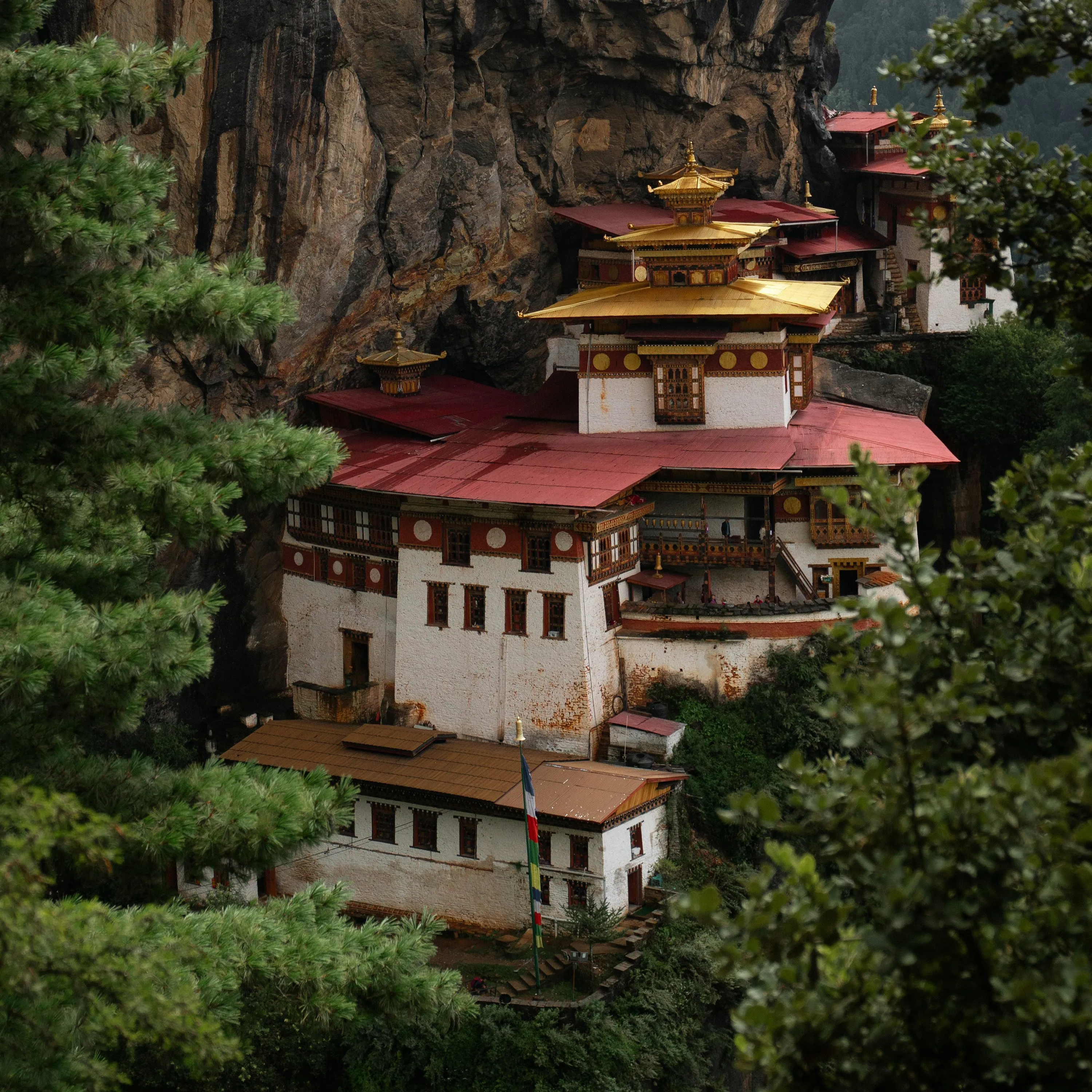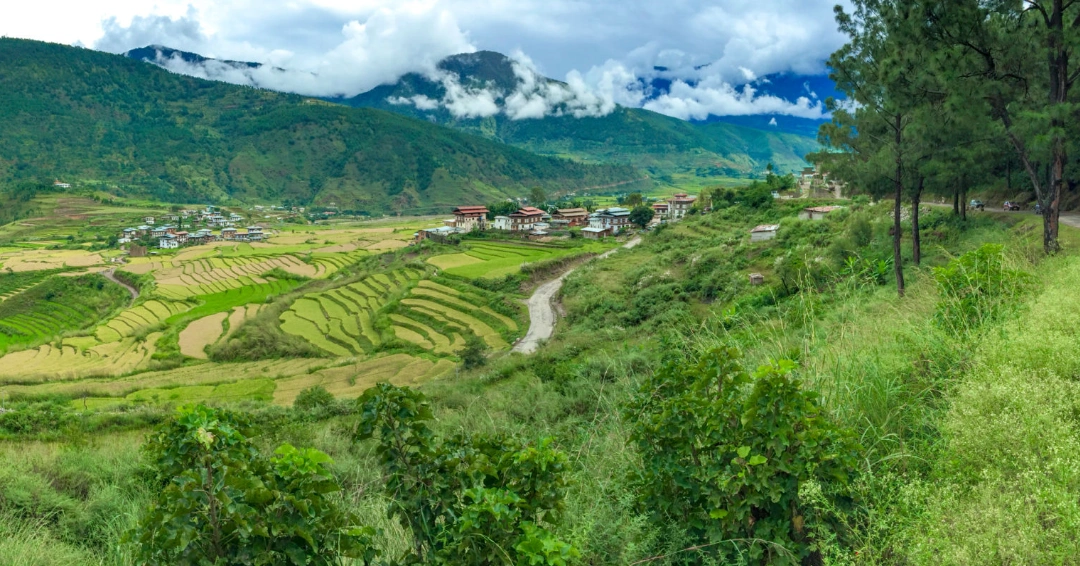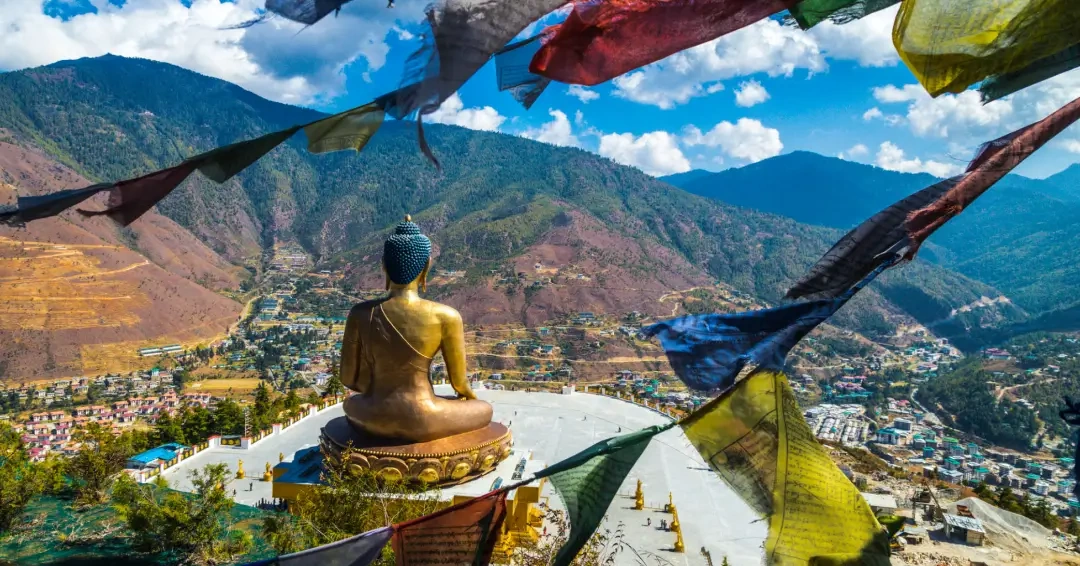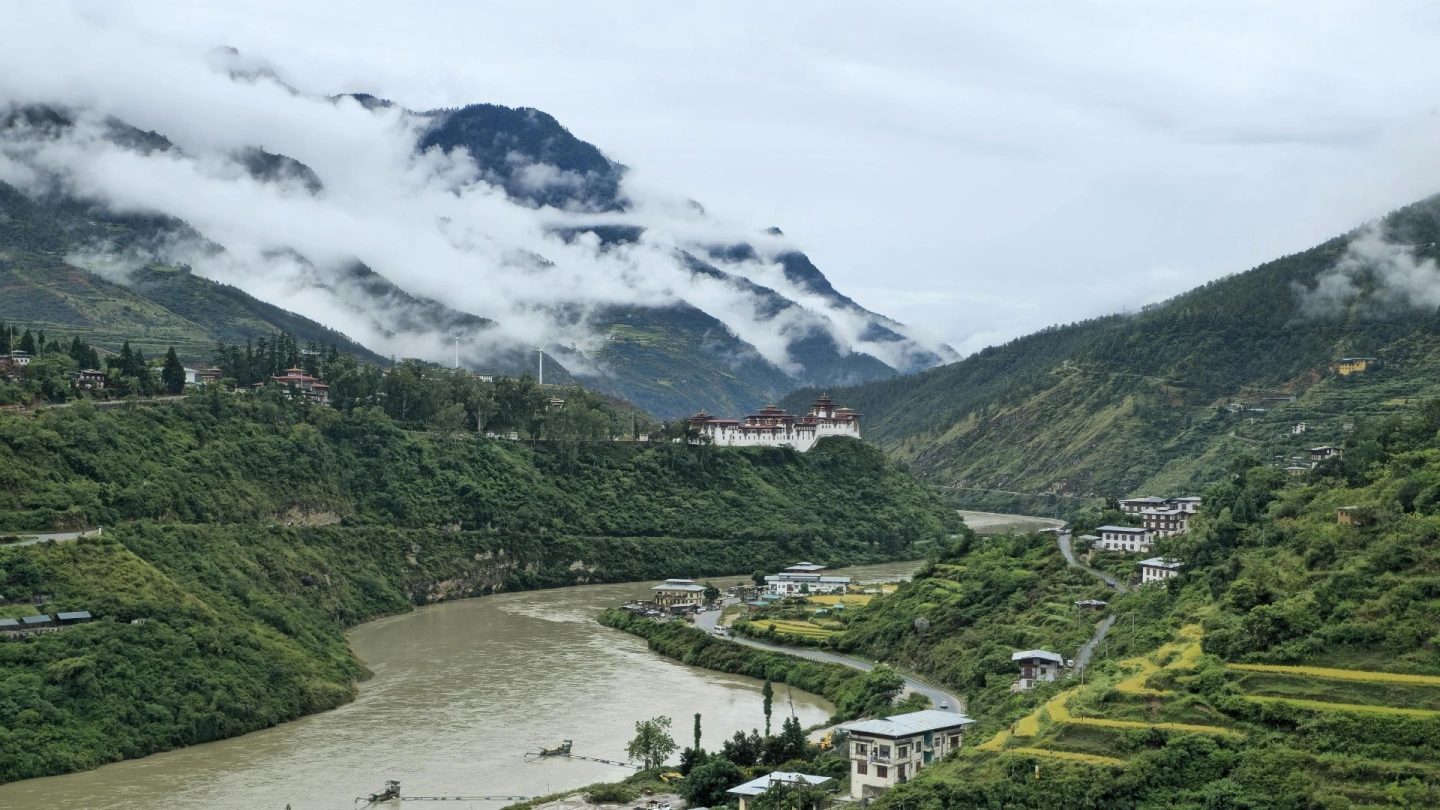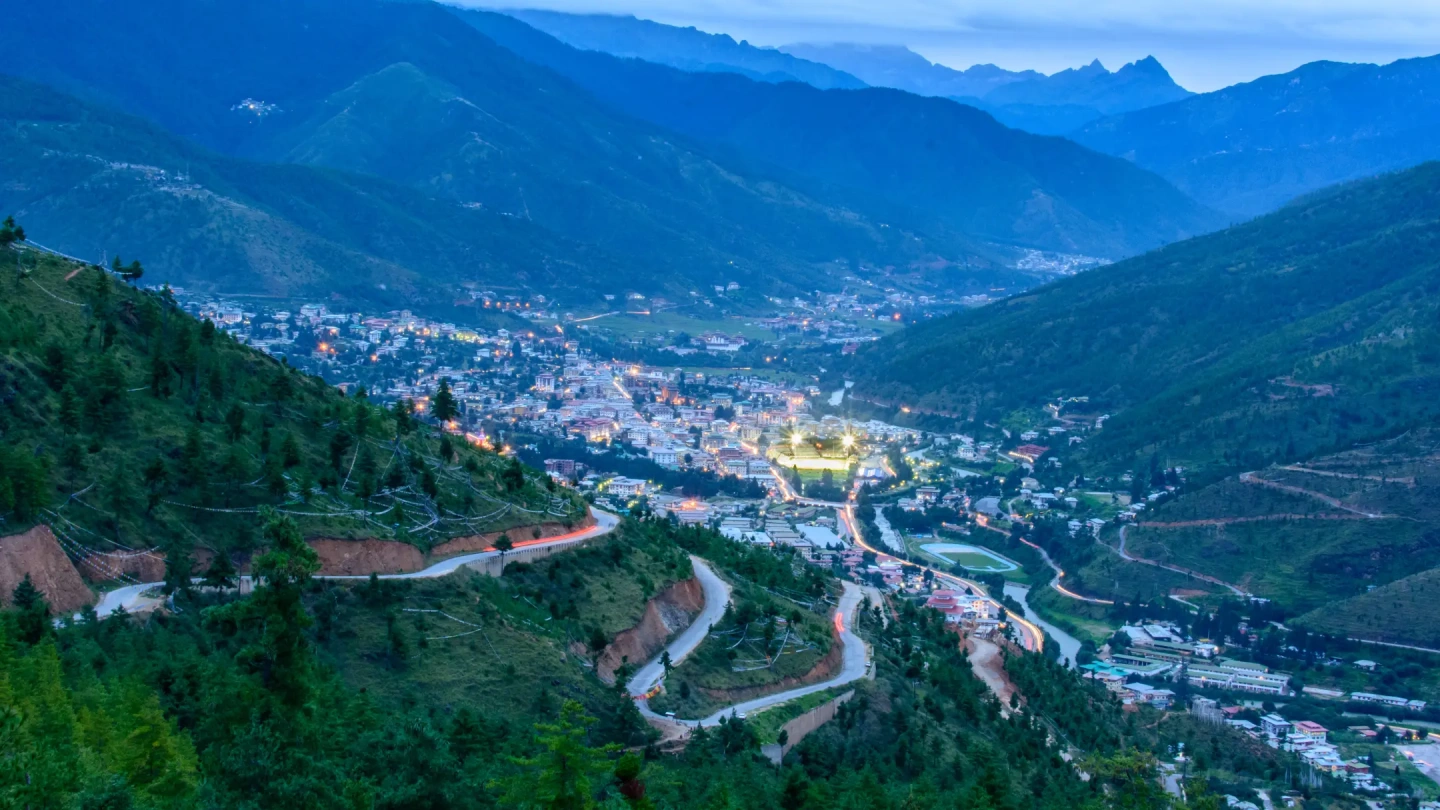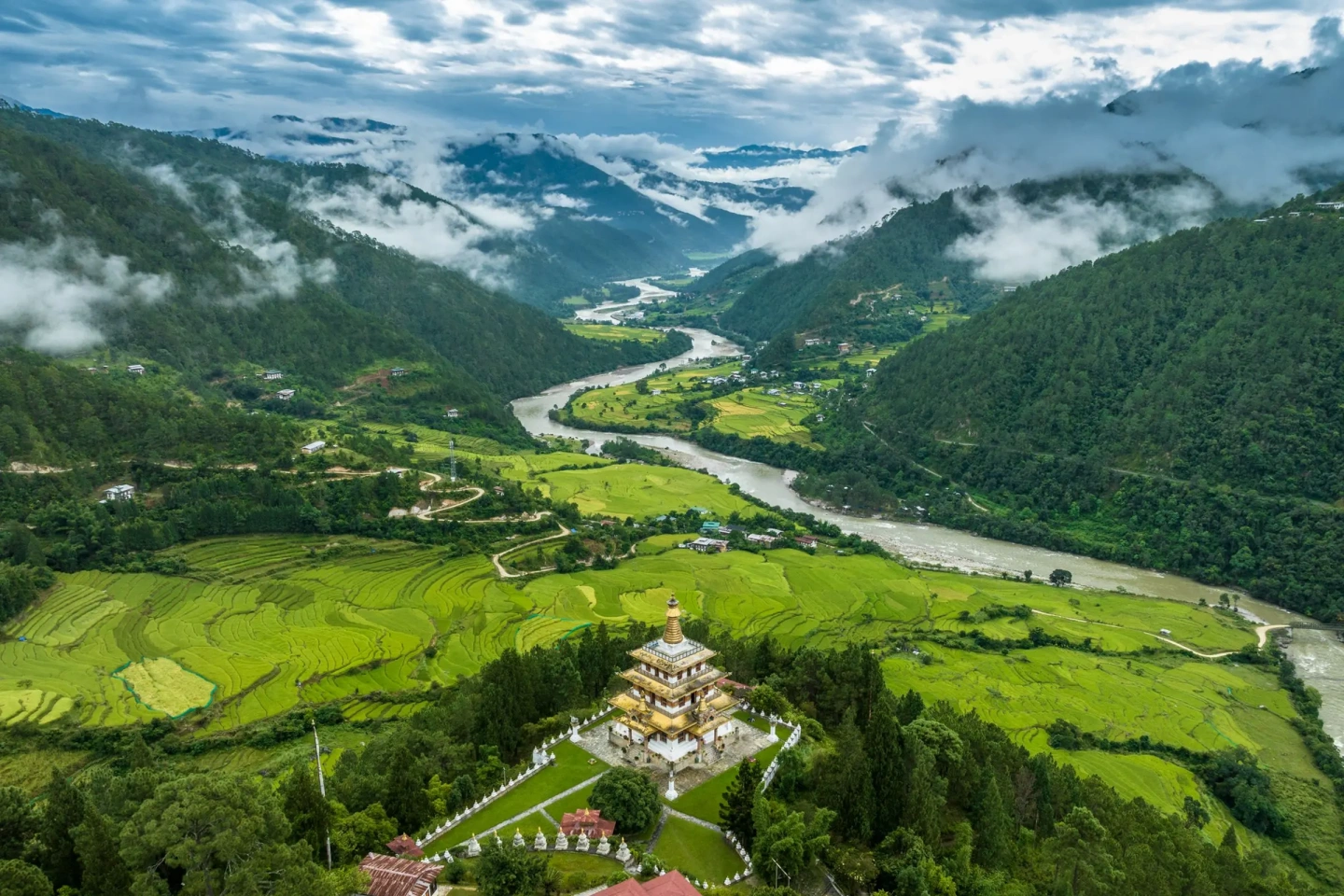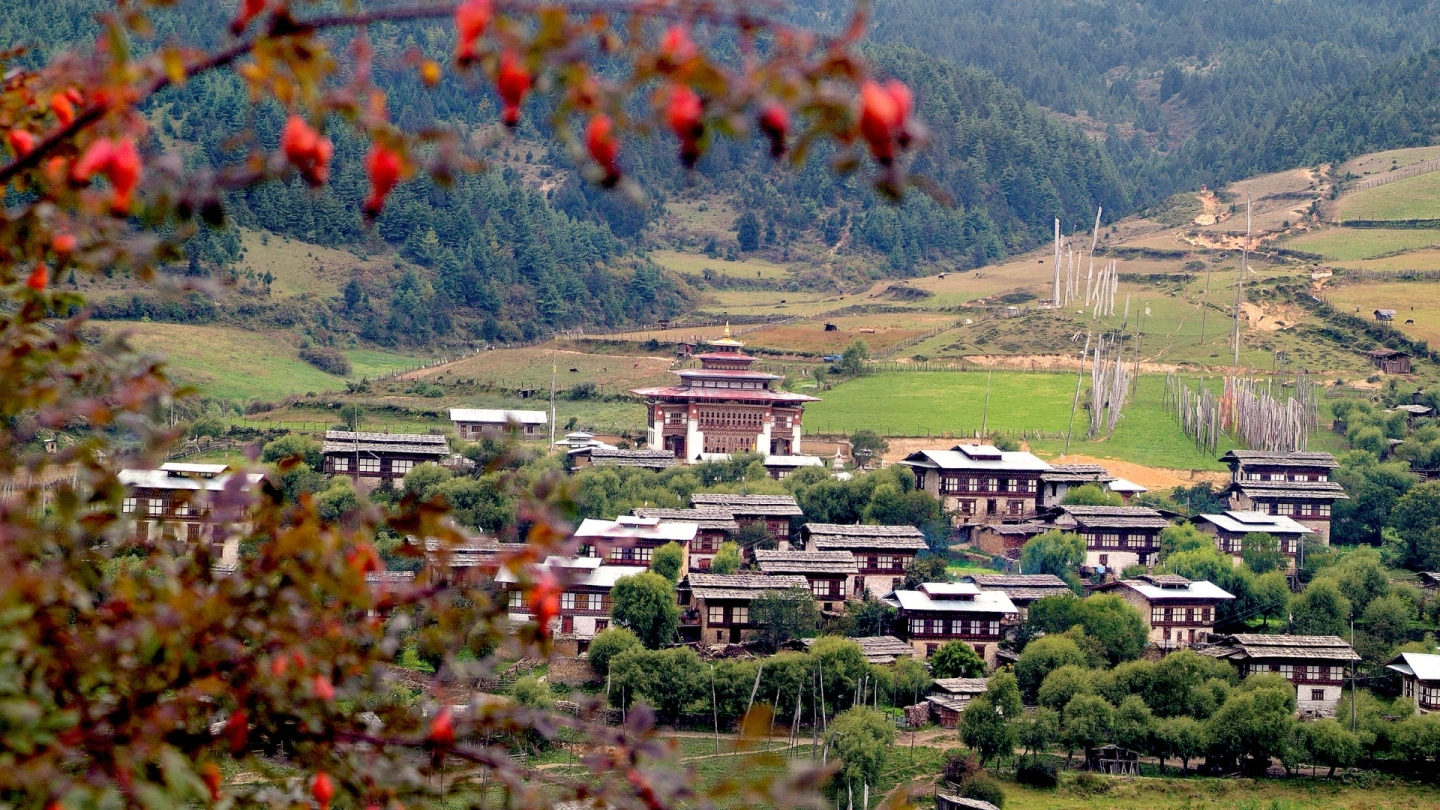



Bhutan, the enchanting kingdom nestled in the Eastern Himalayas, offers a profound escape into a world where ancient traditions harmonize with pristine natural beauty, making it an ideal destination for ni-Vanuatu travelers seeking authenticity far from the familiar shores of the Pacific. As a landlocked nation bordered by India and China, Bhutan stands in stark contrast to Vanuatu's archipelago of volcanic islands scattered across the ocean, yet both countries share a deep commitment to preserving their unique cultural identities and environmental heritage amidst global pressures. With populations of similar modest scales—Bhutan's around 770,000 and Vanuatu's approximately 300,000—these nations prioritize community well-being over rapid modernization; Bhutan's philosophy of Gross National Happiness echoes Vanuatu's emphasis on communal harmony and resilience, as seen in the ni-Vanuatu spirit of overcoming natural disasters like cyclones. Diplomatic ties between Bhutan and Vanuatu, while not extensively formalized, exist within the framework of United Nations membership, where both advocate for small nations' rights on issues like climate change—Bhutan's carbon-negative status and Vanuatu's vulnerability to rising seas highlight shared global concerns. For ni-Vanuatu visitors unfamiliar with high-altitude adventures, Bhutan promises a realistic yet captivating journey: expect winding mountain roads, serene monasteries perched on cliffs, and warm hospitality that feels akin to the communal warmth of a Vanuatu village, but prepare for a slower pace devoid of beachside luxuries, where spiritual depth and ecological mindfulness redefine what it means to travel meaningfully.
Visa and Entry Requirements
Bhutan's tourism is governed by a controlled policy designed to protect its cultural and environmental integrity, mandating that all foreign visitors, including ni-Vanuatu citizens, must book their trips through licensed Bhutanese tour operators rather than traveling independently. This approach ensures sustainable tourism and high-quality experiences, but it requires careful planning. For ni-Vanuatu tourists, the visa process begins once a tour is confirmed with an operator; they handle the application on your behalf by submitting details to the Tourism Council of Bhutan (TCB). Required documents typically include a scanned copy of your passport (valid for at least six months beyond your intended stay), a recent passport-sized photo, proof of travel insurance covering medical emergencies and evacuation, and details of your itinerary. The operator will secure visa approval, which is emailed to you prior to departure, and the actual visa is stamped upon arrival at Paro International Airport or land borders. Payment for the tour, including the Sustainable Development Fee (SDF), must be wired in advance to the operator's account, as this fee is integral to obtaining visa clearance—without it, entry is denied. The SDF, set at USD 100 per person per night as of 2025 (with reductions for children under 12 and exemptions for those under 6), funds Bhutan's development in education, healthcare, and conservation, directly impacting tour pricing by adding a significant but purposeful cost that supports the kingdom's commitment to balanced growth. ni-Vanuatu travelers should anticipate total tour costs starting from USD 250-300 per day per person, inclusive of most essentials, and verify all details with their operator to avoid delays.
Travel Routes from Vanuatu to Bhutan
Reaching Bhutan from Vanuatu involves a multi-leg journey due to the absence of direct flights, reflecting the remote natures of both destinations, but with proper planning, it becomes a seamless adventure bridging the Pacific and Himalayas. From Vanuatu's major hub, Bauerfield International Airport in Port Vila, travelers typically fly first to Australia—often Sydney or Brisbane via airlines like Air Vanuatu or Qantas—before connecting to Asian gateways such as Bangkok, Delhi, or Kathmandu. From these transit points, the final leg to Bhutan's Paro International Airport is operated exclusively by Drukair (Royal Bhutan Airlines) or Bhutan Airlines, the only carriers authorized for commercial flights into the country, with routes from Bangkok (via Thai Airways or direct Drukair), Delhi (via Air India or IndiGo connections), or Kathmandu (via Nepal Airlines). For instance, a common itinerary might involve Port Vila to Sydney (about 4 hours), Sydney to Bangkok (9-10 hours), and Bangkok to Paro (around 3 hours), totaling 20-30 hours with layovers. Paro Airport, one of the world's most challenging due to its high altitude (over 2,200 meters) and surrounding mountains, requires visual approaches by specially trained pilots, leading to potential delays or cancellations from weather like fog or strong winds—ni-Vanuatu visitors accustomed to tropical storms should build buffer days into schedules. Booking flights early through your tour operator is essential, as seats on Drukair and Bhutan Airlines are limited, and realistic expectations include flexible itineraries to accommodate aviation constraints in this mountainous terrain.
Best Time to Visit and Seasonality
Bhutan's diverse climate, shaped by its Himalayan topography, divides into four distinct seasons, each offering unique experiences that ni-Vanuatu travelers, used to tropical warmth, must consider for optimal comfort and cultural immersion. Spring (March to May) brings mild temperatures (10-20°C in valleys) with blooming rhododendrons and clear skies, ideal for trekking and festivals like Paro Tshechu, though occasional showers may occur; this period suits those seeking vibrant flora without extreme crowds. Summer (June to August) introduces the monsoon, with heavy rains (up to 500mm monthly) causing lush greenery but also landslides and foggy conditions that can disrupt travel—festivals like the Matsutake mushroom events in Ura highlight culinary traditions, yet it's less recommended for first-timers due to humidity akin to Vanuatu's wet season. Autumn (September to November) stands out as the prime time, featuring crisp air (5-15°C), harvest festivals such as Thimphu Tshechu with colorful mask dances, and minimal rainfall for unobstructed views of snow-capped peaks; lower crowd levels post-monsoon make it perfect for ni-Vanuatu visitors prioritizing photography and hiking. Winter (December to February) offers cold, dry weather (0-10°C, with snow in higher areas), attracting those interested in quieter treks or festivals like Punakha Drubchen, but ni-Vanuatu travelers should prepare for frost, as it contrasts sharply with Pacific mildness. Overall, autumn is recommended for its balance of pleasant weather, cultural highlights, and manageable tourist numbers, allowing for thoughtful trip planning around personal interests like spirituality or nature.
Money, Costs, and Payment Methods
In Bhutan, the official currency is the Bhutanese Ngultrum (BTN), pegged at par with the Indian Rupee (INR), which is also widely accepted, providing a straightforward exchange system for ni-Vanuatu travelers unfamiliar with Himalayan economies. Currency exchange is available at Paro Airport, major banks in Thimphu and Paro, or authorized money changers, where USD is easily converted at competitive rates—it's advisable to carry crisp USD bills, as damaged notes may be rejected. ATMs are present in urban areas like Thimphu, Paro, and Punakha, accepting Visa and Mastercard, but reliability diminishes in rural regions, so withdrawing sufficient cash early is prudent; credit cards are accepted at larger hotels and shops in towns, yet transaction fees apply, and smaller vendors prefer cash. For ni-Vanuatu visitors, bringing a mix of USD for exchange and Ngultrum for daily use is recommended, as Vanuatu's Vatu isn't convertible locally. Tour packages, mandatory for entry, typically cover accommodations, meals (three per day), transportation, guides, and entry fees, starting at USD 250-300 daily including the SDF, but extras like alcoholic beverages, soft drinks, laundry, tips (USD 10-15 per day for guides/drivers), and personal shopping fall outside this—budget an additional USD 50-100 daily for these. This all-inclusive structure simplifies costs, allowing focus on experiences rather than constant transactions.
Health, Safety, and Travel Insurance
Health considerations in Bhutan revolve around its high-altitude environment, where elevations often exceed 2,500 meters, posing risks of acute mountain sickness (AMS) with symptoms like headaches, nausea, and fatigue—ni-Vanuatu travelers from sea-level islands should acclimatize gradually, staying hydrated and avoiding strenuous activity initially. Medical facilities are basic, with well-equipped hospitals in Thimphu and regional centers, but advanced care may require evacuation to India or Thailand; recommended vaccinations include Hepatitis A, Typhoid, Tetanus, and possibly Rabies due to stray dogs, while malaria is low-risk but dengue occurs in southern borders. Travel insurance is non-negotiable, covering emergency medical evacuation (helicopter rescues can cost USD 5,000+), trip cancellations, and lost baggage—ensure policies include high-altitude activities if trekking. Bhutan maintains exceptional safety with negligible crime rates, fostering a peaceful atmosphere where solo walks feel secure, yet minor risks like uneven paths, stray animals, or vehicle accidents on winding roads warrant caution; ni-Vanuatu visitors will appreciate the communal trust similar to home, but vigilance in remote areas enhances the worry-free exploration of this serene kingdom.
Cultural Etiquette and Social Expectations
Bhutanese society, deeply rooted in Buddhist principles, emphasizes respect, humility, and harmony, requiring ni-Vanuatu travelers to adapt their naturally warm and communal behaviors to align with local customs for meaningful interactions. In temples and monasteries, modesty is paramount—cover shoulders and knees with long sleeves and pants, remove hats and shoes before entering, and circumambulate sacred sites clockwise while avoiding pointing at statues or monks, as this is considered disrespectful; speaking softly and refraining from public displays of affection honors the serene atmosphere. Socially, patience and humility are valued; greet with a slight bow and "Kuzuzangpo la" (hello), accept offerings like tea with both hands, and refuse gifts thrice before accepting to show politeness. ni-Vanuatu cultural traits like storytelling and community gatherings resonate here, but adjustments include toning down directness—use open palms instead of fingers when gesturing—and embracing a non-confrontational approach in discussions. Public spaces demand cleanliness and quietude, with smoking banned nationwide except in designated areas; by embodying these nuances, visitors foster genuine connections, enriching their journey with Bhutan's profound spiritual ethos.
Connectivity, SIM Cards, Internet Access
Connectivity in Bhutan blends modern convenience with rural limitations, ensuring ni-Vanuatu travelers can stay linked while embracing the kingdom's unhurried vibe. Wi-Fi is reliably available in most hotels and cafes in urban areas like Thimphu and Paro, often free but with varying speeds suitable for emails and browsing—however, in remote valleys, it may be spotty or absent, encouraging digital detoxes. For mobile data, local SIM cards from B-Mobile (Bhutan Telecom) or TashiCell are essential; B-Mobile offers broader coverage, ideal for treks, while TashiCell provides competitive data plans—purchase at Paro Airport upon arrival or operator outlets in towns, requiring your passport and visa for registration, with starter packs around BTN 100-300 including data (e.g., 5GB for a week at BTN 500). ni-Vanuatu apps like banking or social media function normally, but occasional restrictions on certain services may arise due to Bhutan's content regulations; a VPN is useful for unrestricted access and privacy on public networks. This setup allows sharing your Himalayan adventures without constant connectivity demands, mirroring Bhutan's balanced lifestyle.
Language and Communication
Bhutan's linguistic landscape features Dzongkha as the official language, with over 19 dialects spoken regionally, but English prevails in tourism, easing communication for ni-Vanuatu travelers whose primary languages include Bislama, French, and English. Tour guides, hotel staff, and urban residents are fluent in English, as it's the medium of instruction in schools, ensuring seamless interactions during guided tours and daily needs. However, in rural areas, English may be limited among elders, so simple phrases like "Tashi Delek" (good luck) or non-verbal cues aid connections. Bislama-speaking guides are unavailable, given Bhutan's isolation from Pacific influences, but English suffices; for those with limited English proficiency, visual aids, translation apps, or operator-arranged interpreters enhance understanding. Patience in conversations, coupled with Bhutan's hospitable nature, transforms potential barriers into opportunities for cultural exchange, much like navigating multilingual villages back home.
Packing and Preparation Advice
Packing for Bhutan demands versatility to handle its variable Himalayan climate, from warm valleys to chilly heights, advising ni-Vanuatu travelers to layer clothing for fluctuating temperatures. Essentials include breathable long-sleeve shirts, modest pants or skirts (covering knees), a waterproof jacket for monsoons, warm fleece or wool layers for evenings (even in summer, nights dip to 5°C), and sturdy hiking boots for uneven terrain—avoid open-toed shoes due to dust and religious sites. Personal items like high-SPF sunscreen, insect repellent (for lower altitudes), reusable water bottle, and hat/gloves for cold snaps are crucial; medications should cover altitude sickness (acetazolamide if prescribed), motion sickness for winding roads, and basics like pain relievers, antidiarrheals, plus any personal prescriptions with copies. Power adapters for 230V Type D/F/G sockets, a universal charger, torch for outages, and eco-friendly toiletries align with Bhutan's sustainability. ni-Vanuatu visitors, accustomed to tropical packing, should add quick-dry items and a daypack for excursions, ensuring comfort in this high-altitude realm unfamiliar with ocean breezes.
Bhutan’s Unique Tourism Philosophy
At the heart of Bhutan's tourism lies the philosophy of Gross National Happiness (GNH), a holistic approach coined by the Fourth King in the 1970s, prioritizing collective well-being over economic metrics and shaping policies that favor quality over quantity in visitors. This ethos measures progress through psychological well-being, health, education, cultural diversity, good governance, community vitality, ecological resilience, living standards, and time use, ensuring development preserves Bhutan's Buddhist heritage and environment. For ni-Vanuatu travelers, understanding GNH explains the cautious tourism model: mandatory tours and the SDF limit mass influxes, preventing cultural dilution and environmental strain seen elsewhere, while promoting immersive experiences like homestays and festivals. Bhutan's resistance to unchecked modernization—maintaining over 70% forest cover and carbon negativity—stems from GNH's emphasis on sustainability, fostering a destination where tourism enhances rather than exploits, inviting visitors to reflect on happiness beyond material gains.
Mindset and Expectations for Visitors
Adjusting expectations for Bhutan involves embracing a mindset of mindfulness and simplicity, where the kingdom's slower pace of life contrasts with any fast-moving urban vibes ni-Vanuatu travelers might anticipate. Infrastructure remains modest, with small boutique hotels offering cozy, traditional stays rather than opulent chains, and roads that wind leisurely through mountains, encouraging contemplation over haste. Absent are luxury shopping malls or vibrant nightlife; instead, evenings unfold with quiet stargazing or cultural performances, emphasizing nature's tranquility and spiritual introspection. ni-Vanuatu visitors, familiar with island rhythms, will find parallels in communal living but should prepare for limited conveniences like 24/7 services, focusing on Bhutan's strengths: pristine hikes, ancient monasteries, and heartfelt interactions that nurture the soul rather than cater to material desires.
Food and Dining Culture
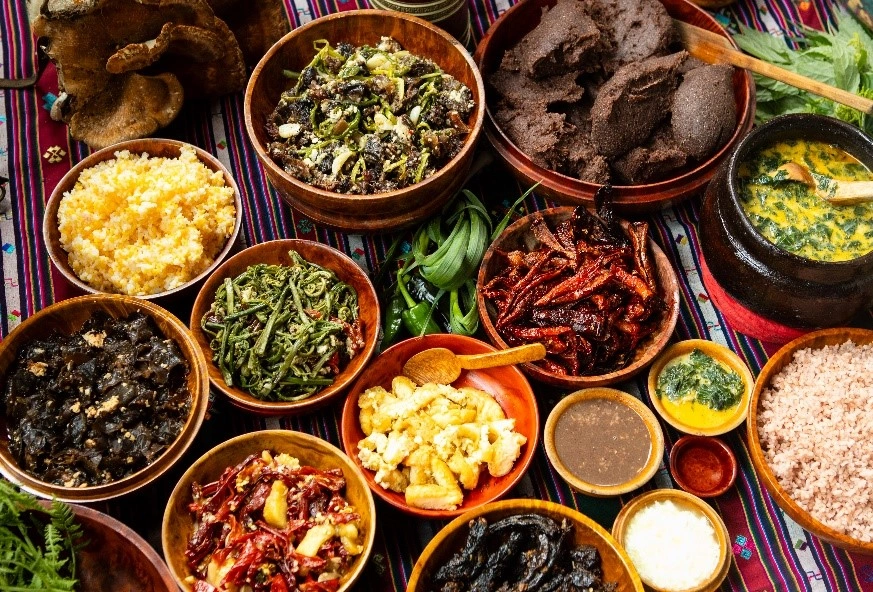
Bhutanese cuisine captivates with its bold, spicy flavors, centered on fresh, local ingredients like red rice, chilies, and cheese, reflecting a dining culture of hospitality and simplicity that ni-Vanuatu travelers can appreciate through shared meals. Signature dishes include ema datshi (chilies stewed in cheese sauce), a national staple that's fiery yet creamy; phaksha paa (pork with radish and chilies); and jasha maru (spicy chicken stew), often accompanied by buckwheat pancakes or momos (dumplings). Meals are family-style, fostering bonds, with butter tea (suja) as a staple beverage—salty and warming—while ara (local rice wine) adds festivity. Alcohol is enjoyed moderately, tea symbolizes welcome, and vegetarian options abound due to Buddhist influences, making dining a cultural ritual that highlights Bhutan's generous spirit.
Festivals, Religion, and Sacred Places
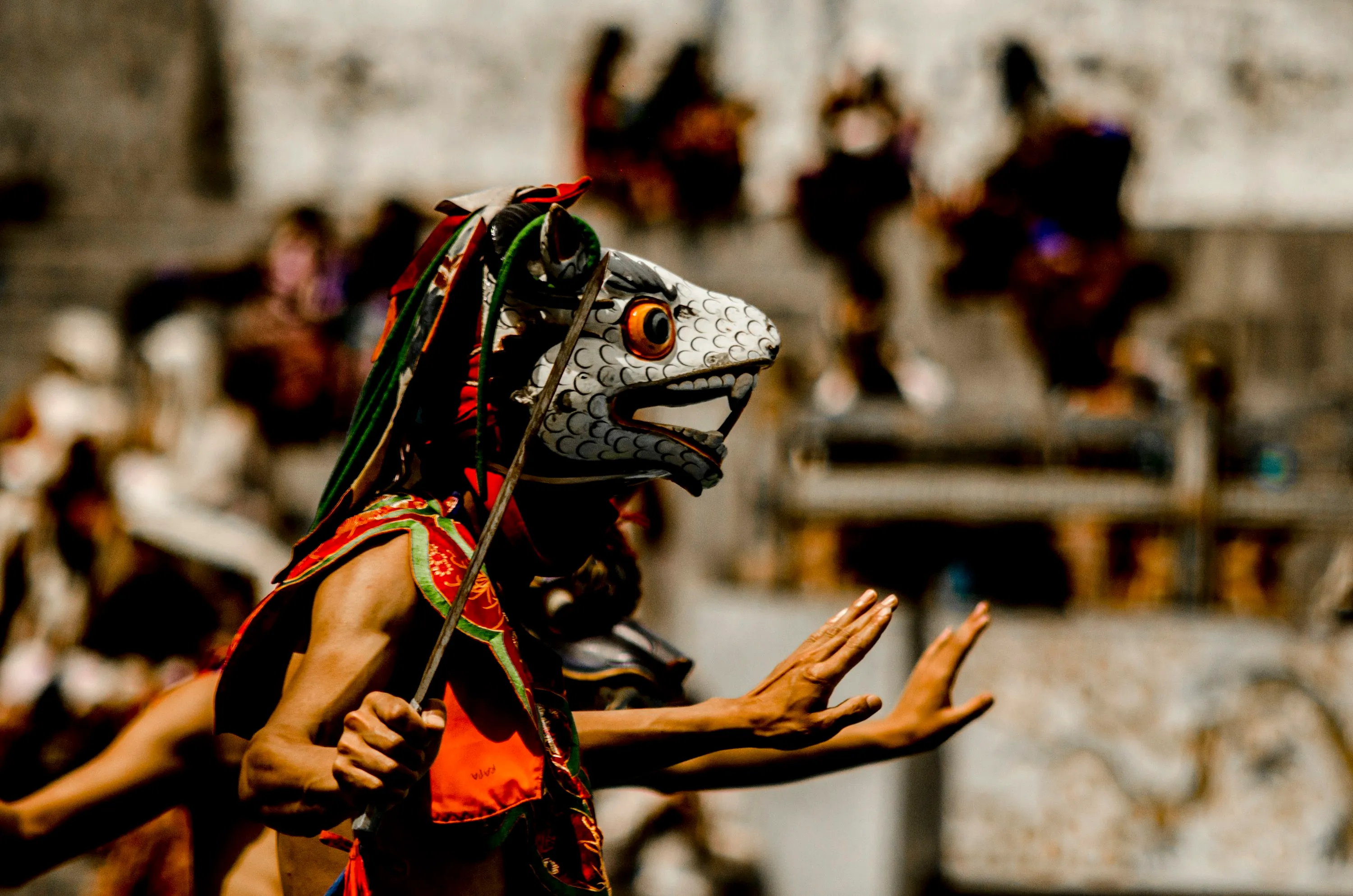
Religion permeates Bhutanese life through Vajrayana Buddhism, where sacred sites like dzongs and monasteries serve as spiritual hubs, and festivals (tshechus) offer profound insights for ni-Vanuatu travelers. Tshechus, honoring Guru Rinpoche, feature masked dances, rituals, and communal gatherings in colorful attire, held annually at places like Thimphu or Paro—visitors must dress modestly, remain silent during ceremonies, and seek blessings respectfully. These events deepen understanding of Bhutan's devotion, blending spectacle with spirituality to reveal a society where faith guides daily harmony.
Hidden Challenges and Practical Inconveniences
Traveling in Bhutan presents subtle challenges that, when viewed patiently, enhance its authentic charm rather than detract from it. Slow service in restaurants or hotels stems from the unhurried lifestyle, teaching ni-Vanuatu visitors to savor moments; itinerary changes due to weather or festivals require flexibility, turning surprises into opportunities. Power outages occur occasionally, especially in remote areas, but candlelit evenings foster intimacy; road conditions, with twists and occasional blocks, demand cautious driving but reveal stunning vistas. Patience is key, framing these as integral to Bhutan's preserved essence.
Shopping and Souvenirs
Shopping in Bhutan focuses on artisanal treasures like handwoven textiles (kira and gho fabrics), intricate crafts, and incense, available at markets in Thimphu or Paro without the high-end malls. Authenticity is assured through government emporiums, and bargaining is minimal—polite negotiation suffices. ni-Vanuatu travelers will cherish these souvenirs as genuine reflections of Bhutan's craftsmanship.
Altitude Awareness and Physical Preparedness
Altitude in Bhutan varies from 200m to over 5,000m, affecting travelers differently with symptoms like shortness of breath or dizziness—ni-Vanuatu from low elevations should acclimatize by ascending gradually, hydrating (3-4 liters daily), and avoiding alcohol. Precautions include light meals, rest days, and consulting doctors for medications; adjust activities like treks accordingly for safe enjoyment.
Security, Safety, and Emergency Information
Bhutan's reputation as a secure destination holds true, with low crime and vigilant communities, but ni-Vanuatu travelers should note emergency contacts: 113 for police, 112 for ambulance, 110 for fire. No Vanuatu embassy exists, so assistance via Australian or Indian missions in Delhi is advised; respect laws like tobacco bans for smooth travels.
Photography and Drones
Photography in Bhutan is welcoming outdoors but prohibited inside religious sites to preserve sanctity—ask permission when capturing locals. Drones require permits from the Bhutan Civil Aviation Authority, restricted near sensitive areas; respectful use ensures harmony.
What Bhutan Does Not Have
Bhutan lacks skyscrapers, fast-food chains, casinos, and sprawling malls, absences that underscore its charm as a haven of simplicity and cultural purity, inviting ni-Vanuatu travelers to value intangible riches over commercial excess.
Important Questions to Ask Before Booking a Tour
Before committing to a Bhutanese tour operator, ni-Vanuatu travelers should inquire about the guide's qualifications and experience, ensuring they are TCB-licensed with English proficiency and knowledge of your interests, as this shapes the personalized depth of your journey. Ask about itinerary flexibility—can adjustments be made for weather, health, or spontaneous cultural encounters?—to align with your pace, avoiding rigid schedules that might overlook unique opportunities like local festivals.
Regarding accommodations, probe the types offered, from standard hotels to luxury lodges or homestays, confirming amenities like Wi-Fi, heating, and dietary accommodations, especially if you prefer ni-Vanuatu-inspired fresh produce or have allergies, guaranteeing comfort in varied altitudes.
Food is central, so question meal inclusions—are vegetarian options available, and how do they handle spice levels or special requests?—plus inquire about hygiene standards and sourcing, fostering trust in the culinary experience.
For emergencies, ask about protocols, including medical support, evacuation plans, and 24/7 contacts, ensuring comprehensive insurance coverage is clarified to protect against altitude-related issues.
On practicalities like SIM cards, seek advice on purchasing and data plans for staying connected, while language queries confirm English guides and any translation aids for deeper interactions.
Finally, discuss tipping customs—typically USD 10-15 daily per guide/driver—and verify insurance requirements, solidifying a worry-free booking.
Conclusion
In reflection, Bhutan emerges as a rare sanctuary for ni-Vanuatu travelers, where the pursuit of cultural depth, untouched natural splendor, and spiritual serenity offers a counterpoint to fast-paced, commercialized voyages, inviting a profound reconnection with what truly matters in life's journey.