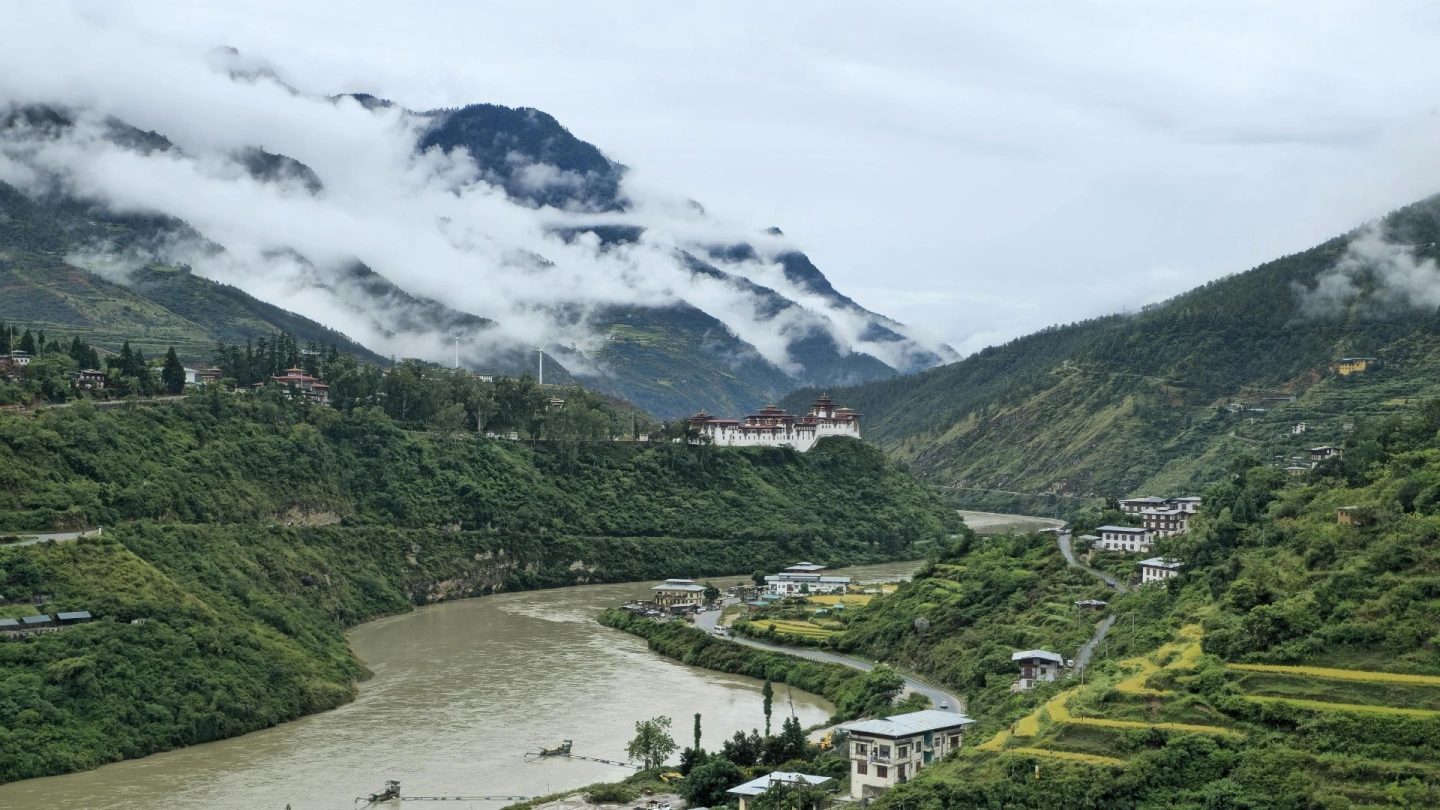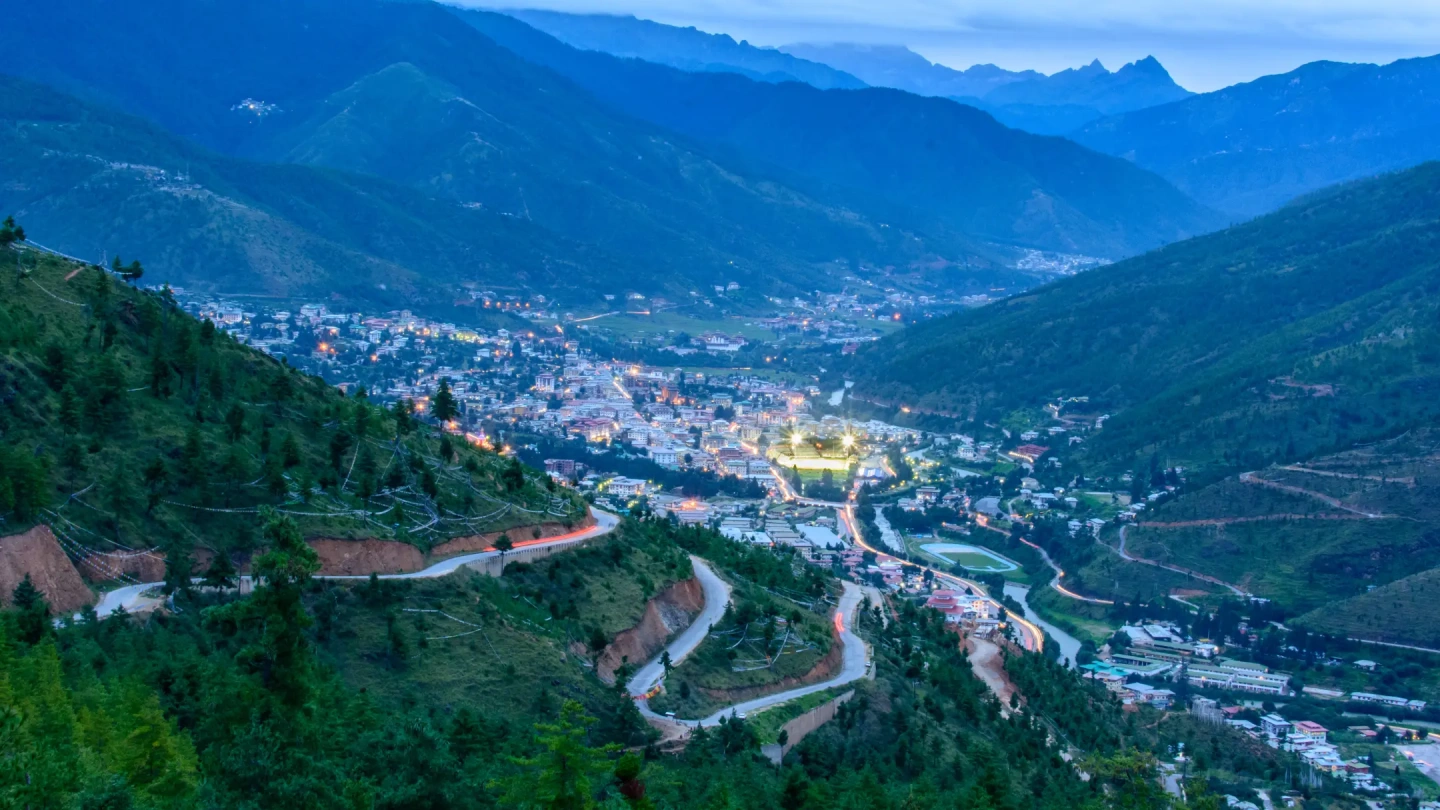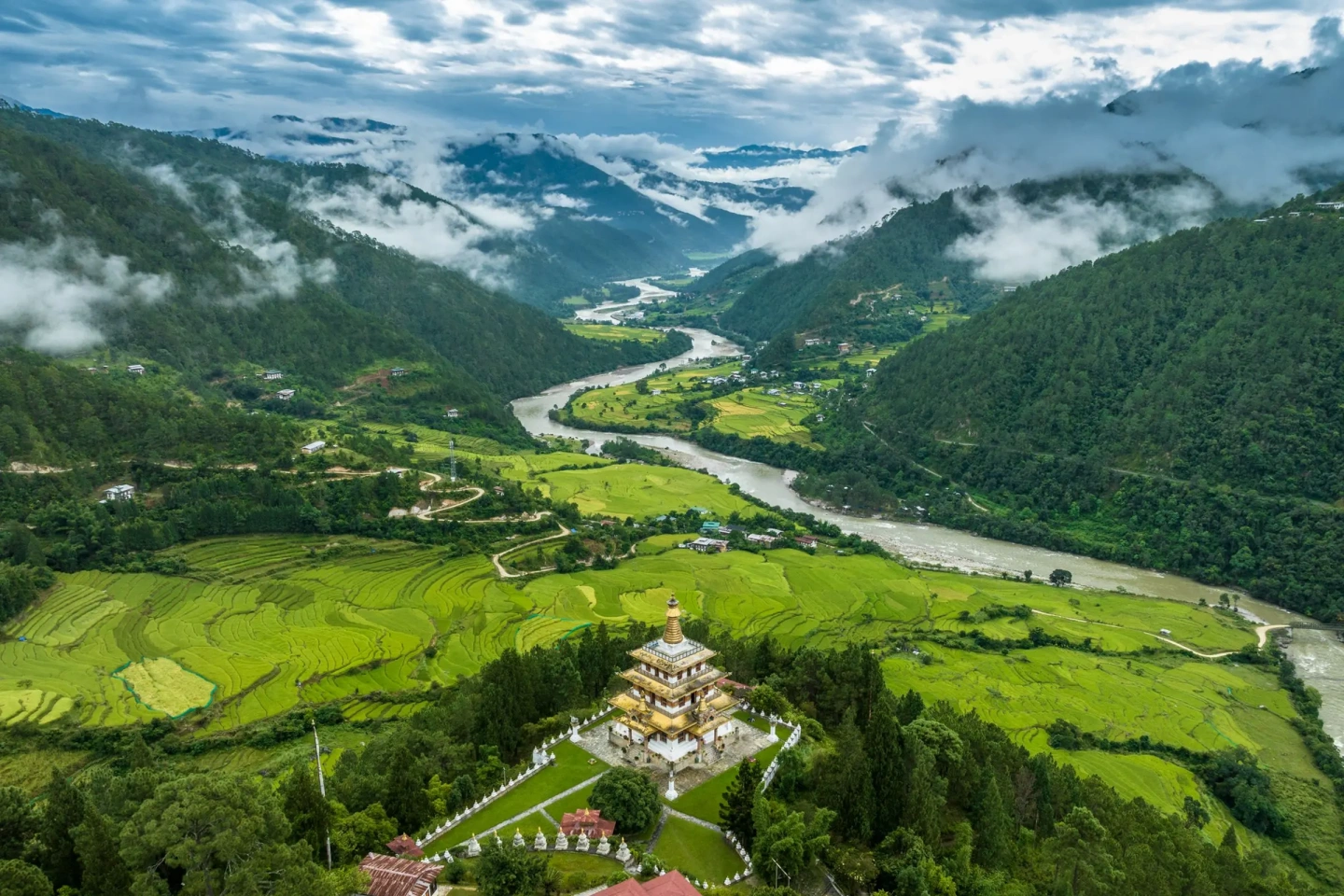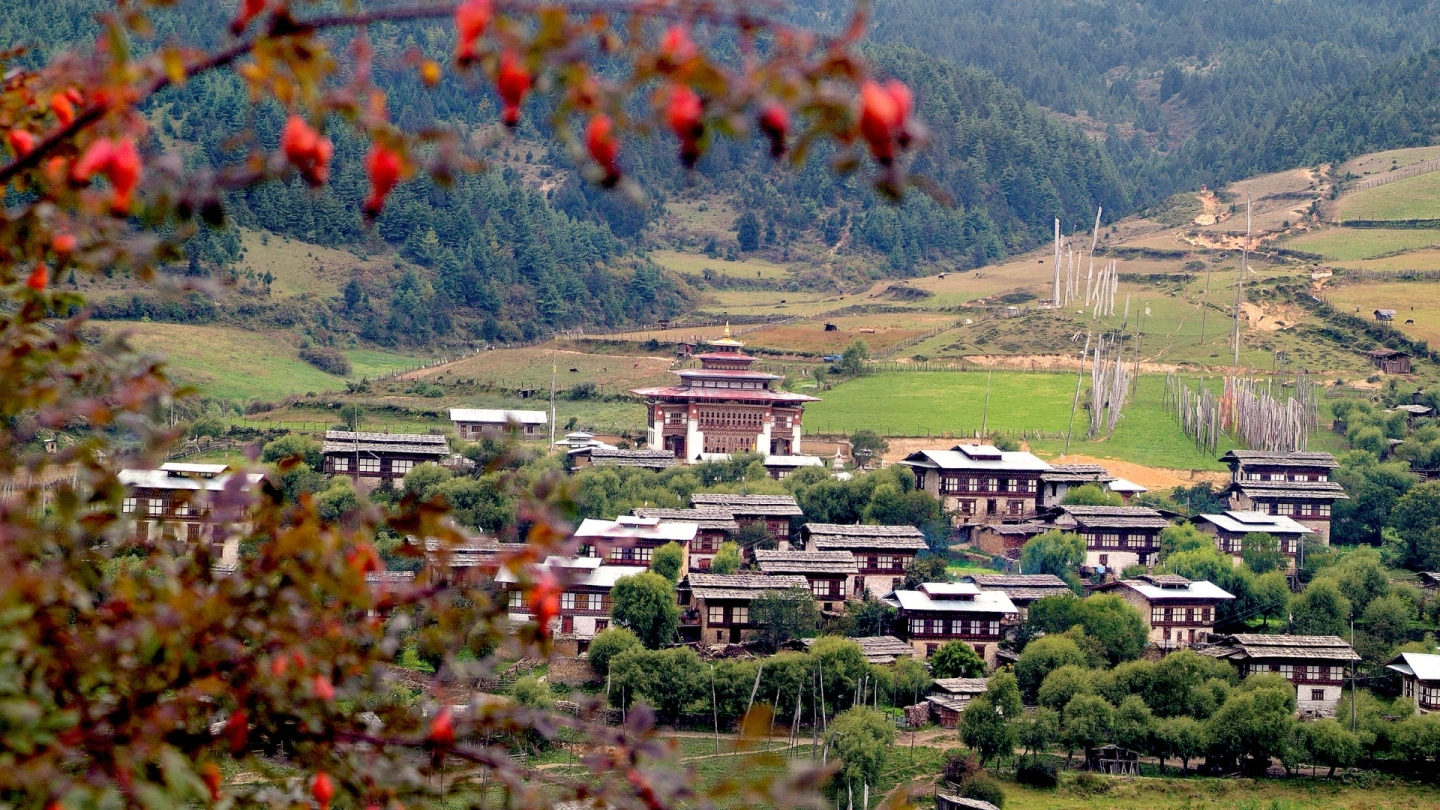



Tucked away in the eastern Himalayas, Bhutan stands as an enchanting kingdom that harmoniously merges breathtaking natural landscapes with a rich tapestry of cultural traditions, presenting Eritrean travelers with a profound contrast to the rugged plateaus, coastal plains, and volcanic terrains of their East African homeland. Eritrea, known for its resilient spirit forged through a history of independence struggles, diverse ethnic groups speaking Tigrinya and Arabic, and a strategic Red Sea coastline that facilitates trade and maritime activities, shares with Bhutan a commitment to sovereignty and cultural preservation, though in vastly different contexts—while Eritrea navigates post-conflict development and arid climates, Bhutan pursues happiness-driven policies amid lush valleys and towering peaks. Diplomatic relations between Eritrea and Bhutan, primarily conducted through multilateral forums like the United Nations where both nations are members, remain amicable but limited, with no direct embassies and minimal bilateral trade, yet offering potential for cultural exchanges via tourism that could bridge their geographical divide. For Eritreans accustomed to the warm, dry weather of Asmara or the communal vibrancy of markets in Massawa, Bhutan offers a realistic yet compelling journey: anticipate challenging treks, variable mountain weather, and a contemplative pace, but discover rewarding moments of spiritual insight and genuine hospitality that resonate with Eritrea's own values of community and endurance, making it a transformative destination for those seeking solace in nature's embrace.
Visa and Entry Requirements
Bhutan's tourism framework is meticulously regulated to safeguard its pristine environment and unique cultural heritage, stipulating that all international visitors, including Eritreans, must arrange their travel exclusively through licensed Bhutanese tour operators who oversee the entire itinerary to promote sustainable practices. For Eritrean tourists, the visa application is facilitated as an eVisa, requiring submission of a passport valid for at least six months beyond the planned departure date from Bhutan, a recent passport photograph, and evidence of return or onward travel arrangements. The selected tour operator manages the process by forwarding these documents to the Tourism Council of Bhutan, which typically approves the visa within five to seven working days, culminating in an electronic visa clearance letter that must be presented at Paro International Airport upon arrival. Crucially, full payment for the tour package, wired in advance to the operator's account, is a prerequisite for visa issuance, as it confirms compliance with Bhutan's high-value, low-impact tourism model. Integral to this is the Sustainable Development Fee (SDF) of $100 per person per night for adults—halved to $50 for children aged 6 to 12, and waived for those under 6—which supports initiatives in education, healthcare, and environmental conservation, thereby elevating the overall cost of travel but ensuring that every visit contributes meaningfully to Bhutan's development. Eritreans should engage reputable operators early to navigate this structured system smoothly, avoiding any entry denials due to incomplete preparations.
Travel Routes from Eritrea to Bhutan
Journeying from Eritrea to Bhutan necessitates multiple connecting flights, as no direct services exist, demanding Eritrean travelers to plan for extended travel times and potential layovers in key international hubs. Departing from Asmara International Airport (ASM), the primary Eritrean gateway, viable routes often involve Ethiopian Airlines, which operates flights such as ET315 from ASM to Addis Ababa (ADD), followed by ET608 to Bangkok (BKK), and then connecting on Drukair flight KB151 to Paro International Airport (PBH), spanning approximately 18-24 hours including transits. Alternative pathways might include Flydubai via Dubai (DXB) to Delhi (DEL), then Drukair or Bhutan Airlines to PBH, or Turkish Airlines through Istanbul (IST) to Kathmandu (KTM) before a final leg on Bhutanese carriers. Exclusively, Drukair (Royal Bhutan Airlines) and Bhutan Airlines service routes into Bhutan from limited points like Bangkok, Delhi, Kathmandu, and a few others, constrained by Paro Airport's unique challenges—situated in a narrow valley flanked by high peaks, it permits only visual flight rules operations during daylight hours in clear weather, frequently resulting in delays or cancellations due to fog, rain, or winds. Eritrean travelers should coordinate bookings through their tour operator for integrated scheduling, incorporate buffer days to accommodate weather-induced disruptions common in monsoon seasons, and expect realistic hurdles such as lengthy layovers or rescheduled flights, ensuring a patient approach to this adventurous transit.
Best Time to Visit and Seasonality
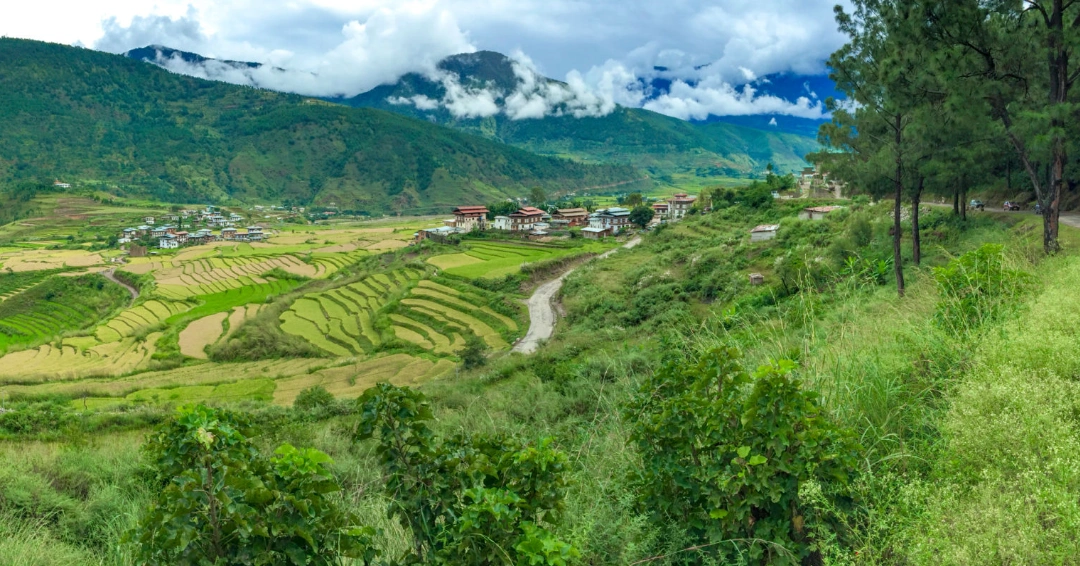
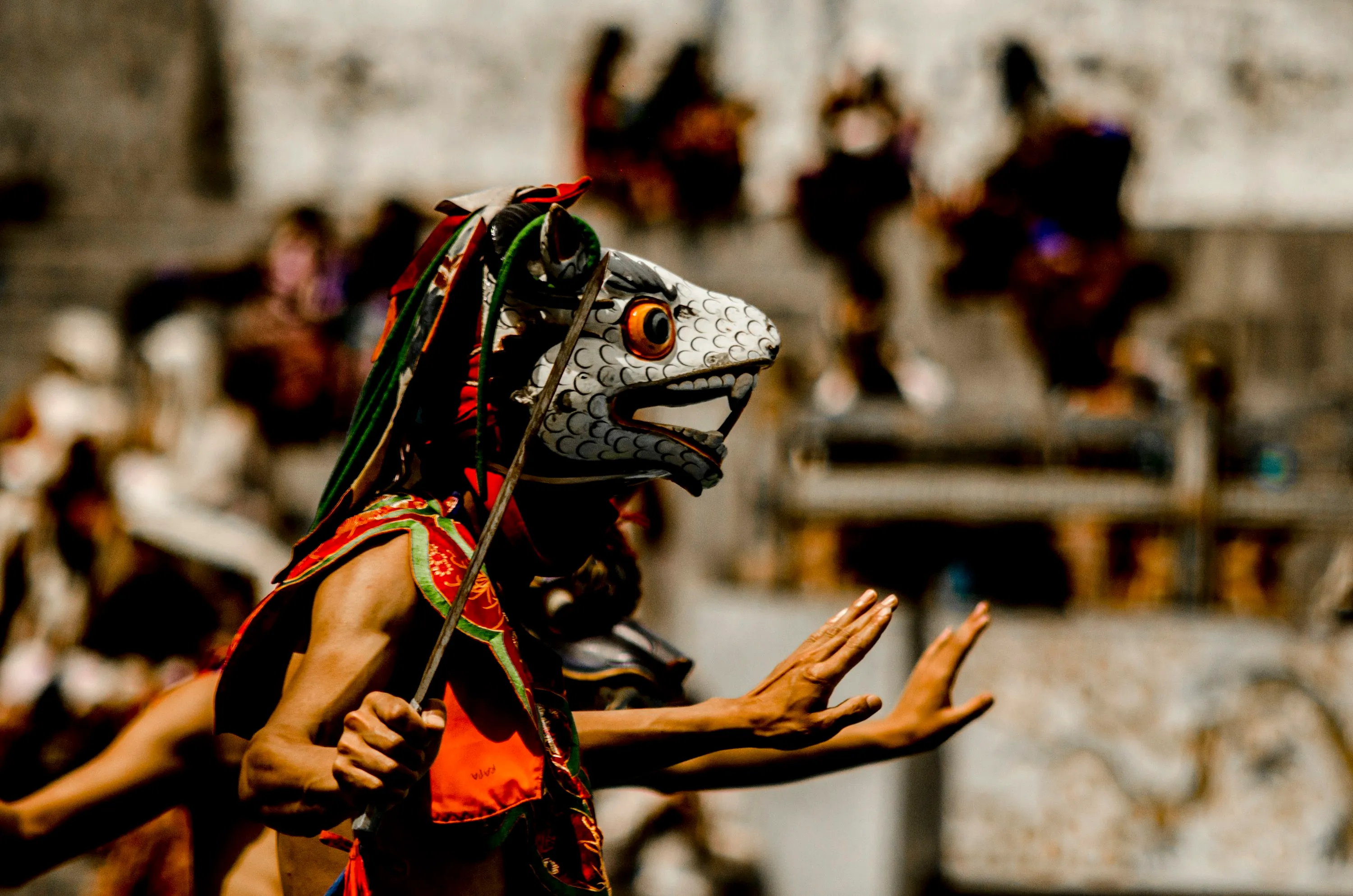
Bhutan's climatic seasons distinctly shape the travel landscape, influenced by its Himalayan topography, requiring Eritrean visitors to align their plans with weather patterns that differ markedly from Eritrea's consistently warm, semi-arid conditions. Spring, from March to May, ushers in temperate weather with daytime temperatures ranging from 10°C to 20°C in lower valleys, accompanied by vibrant floral blooms like rhododendrons and occasional light showers, making it prime for trekking and cultural explorations; this season features festivals such as the Paro Tshechu in April, with elaborate mask dances drawing moderate crowds and enhancing trip vibrancy. The summer monsoon period, June to August, brings heavy rainfall averaging 500mm monthly, humidity, and warmer temperatures up to 30°C, potentially causing roadblocks and landslides—while greenery flourishes and prices dip, it's less ideal for Eritreans preferring drier climes. Autumn, September to November, emerges as the favored window with crisp, dry air (5°C to 15°C), golden harvests, and crystal-clear mountain vistas, coinciding with major events like the Thimphu Tshechu in September or October, though expect peak-season crowds and higher costs. Winter, December to February, delivers colder snaps down to -5°C at elevations, with snowfall in northern regions but sunnier southern valleys suitable for birdwatching and serene visits amid fewer tourists. For Eritreans, October-November or March-May are recommended, offering comfortable weather for outdoor pursuits, festival immersion without overwhelming humidity or cold, and balanced crowd levels that facilitate authentic experiences while easing adaptation from Eritrea's milder variations.
Money, Costs, and Payment Methods
The Bhutanese Ngultrum (BTN), equivalent in value to the Indian Rupee (INR), forms the backbone of transactions in Bhutan, where Eritrean travelers must navigate a predominantly cash-based economy with strategic planning. Currency exchange is readily available at Paro Airport, authorized banks in major towns like Thimphu, and some hotels, favoring USD for favorable rates over Eritrean Nakfa, which may not be directly convertible—thus, carrying clean USD notes is advisable for initial exchanges. ATMs supporting Visa and Mastercard are present in urban centers but sparse in rural areas, with daily withdrawal caps around 10,000-40,000 BTN and associated fees; credit cards find acceptance in upscale establishments, yet cash remains king for markets and small vendors. Mandated tour packages for Eritreans encompass accommodations in approved hotels, three daily meals, internal transportation via private vehicles, licensed guides, and entry fees, typically starting at $250 per person per day inclusive of the SDF, while excluding alcoholic beverages, souvenirs, tips (customarily 10-15% for guides and drivers), and personal indulgences like laundry. Eritreans should budget an additional $50-100 daily for extras, recognizing that Bhutan's sustainable model justifies elevated costs by channeling funds into community welfare, and prepare by exchanging sufficient cash upon arrival to mitigate any connectivity issues in remote locales.
Health, Safety, and Travel Insurance
Health precautions in Bhutan center on its elevated terrains, where altitudes exceeding 2,000 meters heighten risks of acute mountain sickness (AMS) for Eritreans transitioning from lower elevations, manifesting as headaches, dizziness, or nausea—mitigation involves gradual ascent, ample hydration, and medical consultation prior to travel. Vaccinations against hepatitis A and B, typhoid, and rabies are strongly recommended, alongside updates to routine immunizations like tetanus, given potential encounters with stray dogs; medical infrastructure is functional in Thimphu with Jigme Dorji Wangchuck National Referral Hospital but limited elsewhere, underscoring the imperative for comprehensive travel insurance that includes high-altitude coverage and emergency helicopter evacuations, which can cost upwards of $10,000. Bhutan exemplifies safety with negligible crime rates rooted in its Buddhist ethos and vigilant communities, offering Eritreans a secure haven compared to regional instabilities, though minor hazards such as uneven trekking paths or animal bites warrant caution. Procuring insurance with robust medical and repatriation provisions is essential, providing reassurance for unforeseen events in this remote setting.
Cultural Etiquette and Social Expectations
Rooted in Vajrayana Buddhism, Bhutanese customs prioritize respect, harmony, and mindfulness, guiding Eritrean visitors to adopt behaviors that honor these principles during interactions. At sacred sites like monasteries and temples, remove footwear and headwear, don modest clothing covering arms and legs, and navigate clockwise around stupas or prayer wheels while avoiding direct pointing at religious icons or monks—such etiquette extends to refraining from loud conversations or disruptive actions. Socially, humility and patience are esteemed, with greetings involving bowed heads and offerings accepted using both hands; public affection is discreet, and discussions on sensitive topics like politics should be approached delicately. Eritreans, with their cultural emphasis on communal respect and hospitality influenced by Tigrinya and Arabic traditions, may find parallels but should temper any directness or animated expressions to align with Bhutan's understated demeanor, fostering mutual understanding and enriching cross-cultural bonds through genuine engagement.
Connectivity, SIM Cards, Internet Access
Internet and mobile connectivity in Bhutan, while improving, exhibit variability that Eritrean travelers should anticipate, with urban areas offering more reliable access than remote valleys. Wi-Fi is commonly provided in hotels and cafes in Thimphu and Paro, often complimentary but with speeds of 5-10 Mbps adequate for basic tasks like emailing, though streaming may falter; rural accommodations might rely on intermittent hotspots. Tourist-friendly SIM cards from B-Mobile or TashiCell can be acquired at Paro Airport or urban kiosks upon presenting passport and visa, with packages starting at 500 BTN for 5GB data valid for 7-30 days, ensuring 4G coverage in populated zones. No specific restrictions target Eritrean apps or services, but general internet policies in Bhutan promote positive content, and a VPN can enhance privacy on public networks or access any geo-blocked material. For Eritreans, these options facilitate staying connected for navigation or family updates, complementing the kingdom's encouragement of mindful disconnection.
Language and Communication
Dzongkha predominates as Bhutan's official language, yet English's role in education and tourism mitigates barriers for international visitors, including Eritreans. Licensed guides and hospitality staff are proficient in English, ensuring effective communication during tours, while rural communities may use local dialects. Tigrinya or Arabic-speaking guides are unavailable in Bhutanese tourism, which primarily accommodates English, Japanese, French, German, Chinese, and other common languages—Eritreans with limited English proficiency should utilize translation apps supporting Dzongkha, carry phrasebooks, or rely on visual aids and gestures. Non-verbal respect, such as smiles and nods, bridges gaps, and engaging guides as cultural interpreters enhances interactions, allowing Eritreans to navigate conversations with confidence in this linguistically accessible yet diverse environment.
Packing and Preparation Advice
Preparing for Bhutan's diverse climates demands thoughtful packing, as Eritreans shift from arid warmth to Himalayan variability, emphasizing layers and essentials for comfort and health. Clothing should include breathable long-sleeved shirts, trousers, and scarves for modesty at religious sites; thermal layers, fleece jackets, woolen hats, and gloves for cooler evenings or high altitudes; durable hiking boots for trails and rainproof gear for showers. Personal necessities encompass high-SPF sunscreen, moisturizer, and lip balm against dry mountain air; insect repellent, reusable water bottles, and snacks for remote areas; medications like altitude sickness preventatives (consult a doctor), anti-diarrheal aids, and personal prescriptions in original packaging. Type D, F, or G power adapters for 230V outlets, portable chargers for power fluctuations, and items like binoculars or a journal round out preparations—pack efficiently in a backpack, considering tour mobility, to fully embrace Bhutan's demanding yet rewarding conditions.
Bhutan’s Unique Tourism Philosophy
At the heart of Bhutan's approach lies Gross National Happiness (GNH), a visionary metric prioritizing collective well-being across psychological, cultural, environmental, and governance pillars, profoundly influencing tourism policies that favor discerning visitors over mass arrivals. This philosophy manifests in controlled access, where the SDF and operator mandates ensure economic benefits trickle down without compromising ecological integrity or cultural authenticity, explaining Bhutan's resistance to rampant development like unchecked urbanization or commercialization. For Eritreans, accustomed to a nation valuing self-reliance and community amid resource constraints, GNH offers parallels in sustainable living, illuminating why Bhutan caps tourist numbers—to preserve 70% forest cover, maintain carbon neutrality, and nurture spiritual harmony—inviting travelers to appreciate tourism as a mutual enrichment rather than exploitation.
Mindset and Expectations for Visitors
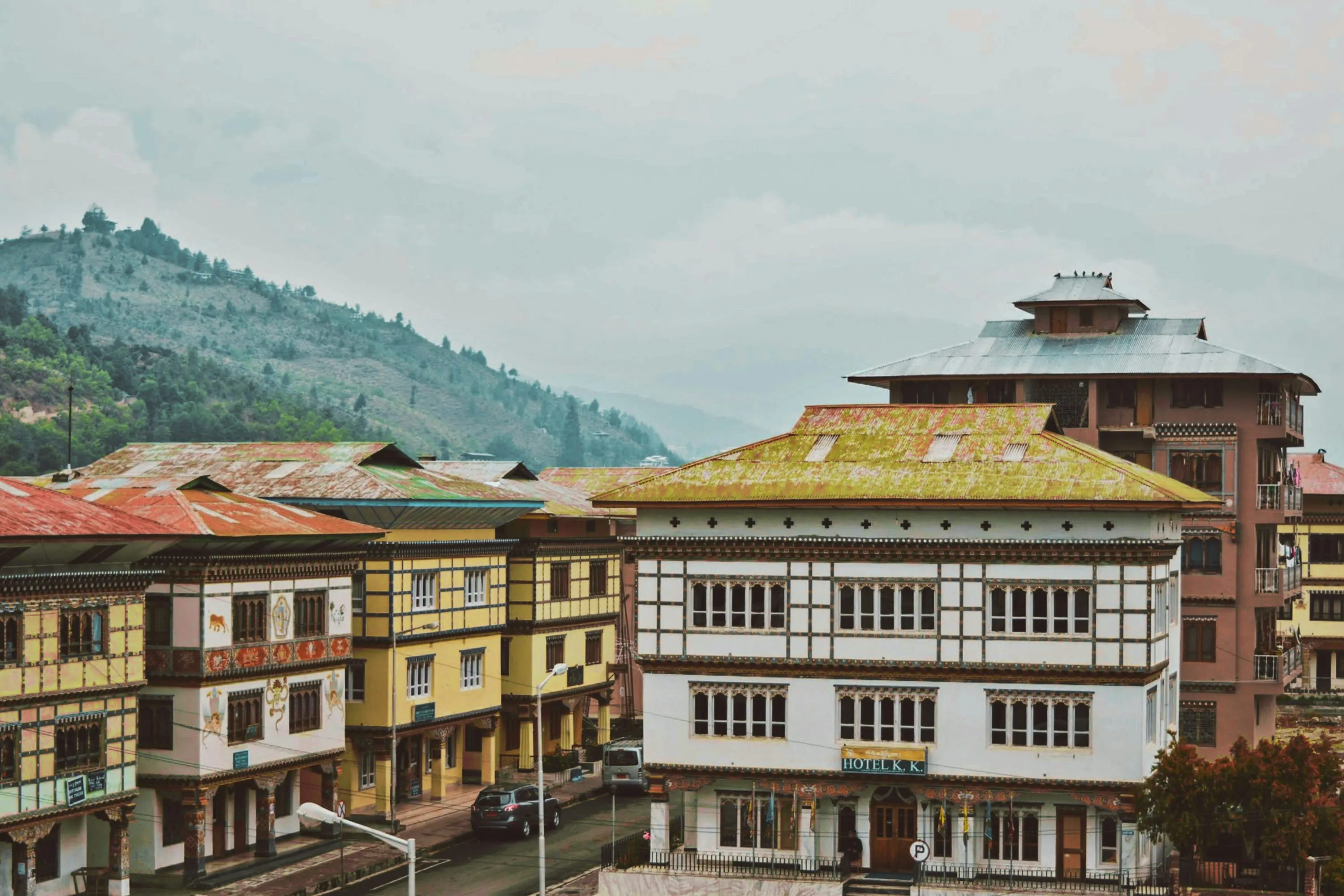
Embracing Bhutan requires recalibrating expectations to its deliberate tempo, where infrastructure prioritizes essence over extravagance, contrasting Eritrea's evolving urban dynamics. Anticipate boutique hotels with cozy, functional amenities rather than opulent chains, absent nightlife or luxury boutiques, and roads that meander through landscapes extending journey times—yet these elements underscore a focus on nature's majesty, cultural depth, and spiritual introspection. Eritreans will find value in this shift, trading material conveniences for profound connections, cultivating patience that transforms the experience into one of personal rejuvenation.
Food and Dining Culture
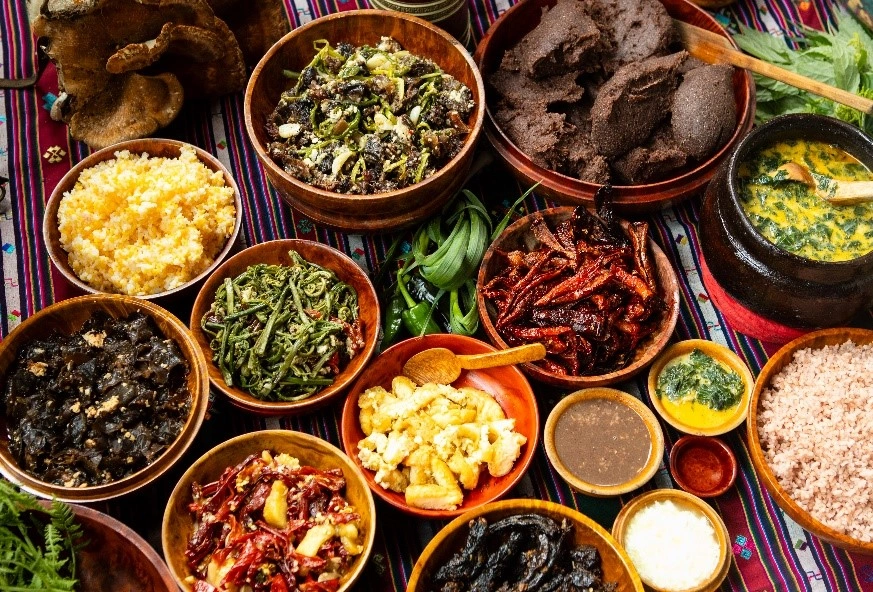
Bhutanese fare embodies simplicity and boldness, with spicy, cheese-infused dishes reflecting agrarian lifestyles and communal bonds that Eritreans may resonate with through their own hearty cuisines. Core meals feature red rice alongside ema datshi (chili and cheese stew), shamu datshi (mushroom cheese), or phaksha paa (pork with vegetables), often laced with fresh chilies as a staple vegetable—request milder spice if needed. Dining rituals involve shared platters, butter tea (suja) for warmth, and occasional ara (fermented rice wine) in moderation; vegetarian prevalence aligns with Buddhist compassion. This hospitable tradition, where food symbolizes generosity, invites Eritreans to partake fully, discovering parallels in shared meals that strengthen social ties.
Festivals, Religion, and Sacred Places
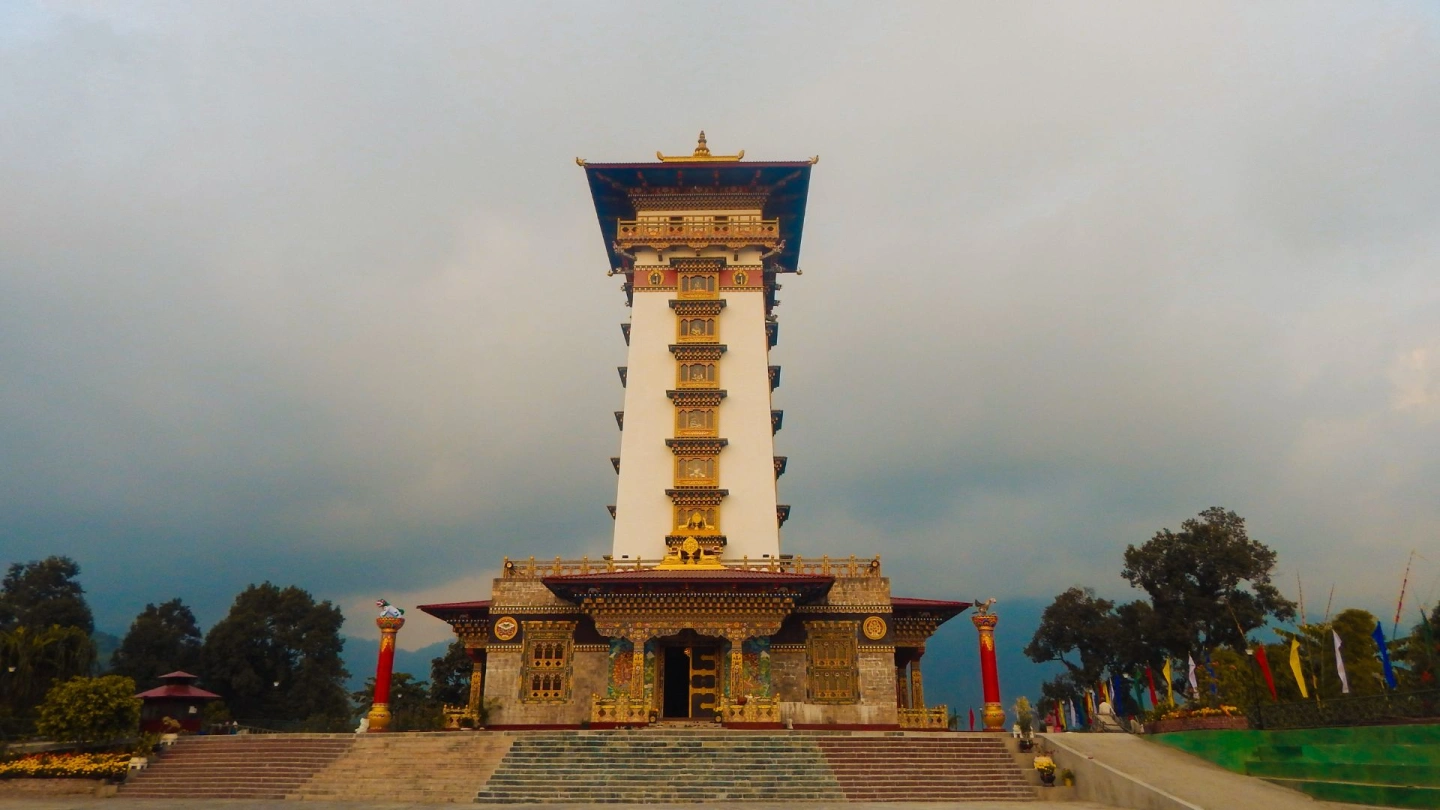
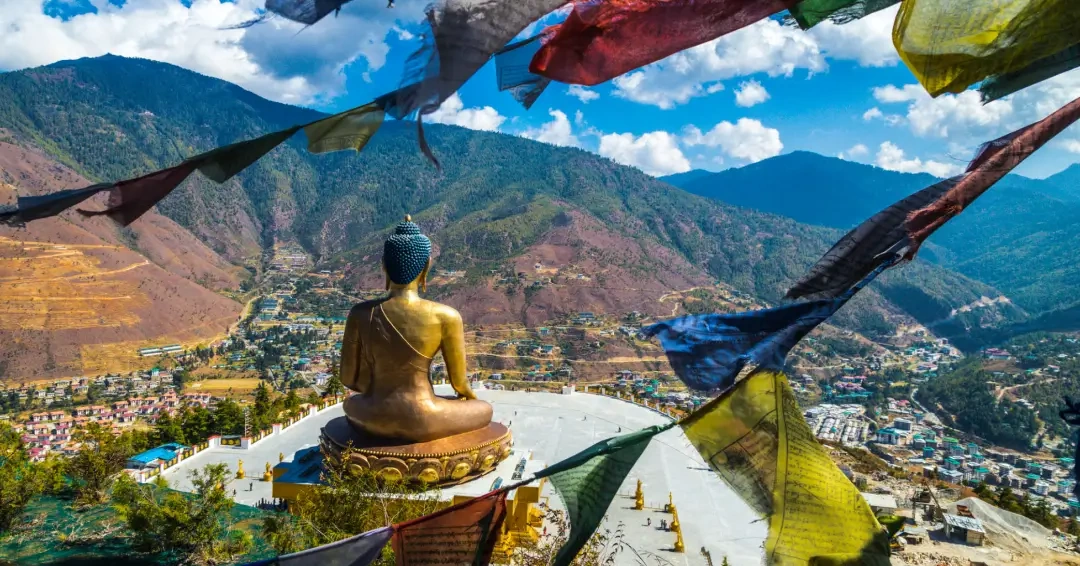
Religion infuses every facet of Bhutanese existence via Vajrayana Buddhism, with Tshechu festivals serving as vibrant communal affirmations through dances, rituals, and teachings that deepen cultural comprehension. Attendees witness cham performances depicting moral tales, but must observe protocols like modest attire, silence during ceremonies, and no interference. Sacred venues like Punakha Dzong demand shoe removal, clockwise ambulation, and artifact respect, contributing to insights into Bhutan's devotional fabric. For Eritreans, these encounters illuminate a shared human quest for meaning, enhancing appreciation for spiritual legacies.
Hidden Challenges and Practical Inconveniences
Bhutan's authenticity includes understated hurdles like leisurely meal services, weather-prompted schedule tweaks, sporadic electricity in outlying areas, and winding, potholed roads—framed positively as invitations to mindfulness rather than deficits. Patience, a virtue Eritreans know well, turns these into charming facets, allowing immersion in the kingdom's unhurried allure.
Shopping and Souvenirs
Bhutan's retail scene highlights artisanal treasures such as woven textiles, wooden masks, incense, and jewelry, available in markets like Thimphu's Centenary Farmers' Market, sans the malls or duty-free hubs. Bargaining is subtle, with emphasis on fair pricing; seek authenticity via government stamps. These purchases support craftsmen, offering Eritreans meaningful keepsakes of cultural exchange.
Altitude Awareness and Physical Preparedness
Altitude's impact varies, with symptoms like breathlessness or fatigue surfacing above 2,500 meters—Eritreans should acclimate slowly, hydrate extensively (3-4 liters daily), and limit exertion initially. Monitor for escalation needing descent, adjusting activities to ensure safe enjoyment of Bhutan's heights.
Security, Safety, and Emergency Information
Bhutan's exemplary safety, bolstered by low crime and communal vigilance, reassures Eritreans, yet adherence to laws against public smoking or substance misuse is vital. Emergencies dial 113 (police), 112 (medical), 110 (fire); for consular aid, contact the Eritrean Embassy in New Delhi, India, given Bhutan's proximity and lack of direct Eritrean representation. This framework supports secure travels.
Photography and Drones
Photography thrives outdoors but is curtailed inside religious or official sites without consent; always seek permission for portraits. Drones require rare Bhutan Civil Aviation Authority approval, often withheld for tourists—opt for ethical, ground-based captures to respect privacy.
What Bhutan Does Not Have
Absent in Bhutan are towering skyscrapers, global fast-food outlets, gambling venues, or expansive shopping complexes, deliberate omissions that preserve its serene identity—Eritreans will cherish this purity as a balm against modernity's clamor.
Important Questions to Ask Before Booking a Tour
Prior to finalizing arrangements with a tour operator, Eritrean travelers ought to pose targeted inquiries to ensure alignment with their preferences, beginning with verification of the operator's Tourism Council of Bhutan license, which guarantees ethical standards and quality assurance. Delve into the guide's credentials, including experience with diverse groups and proficiency in English or other languages, as this facilitates seamless communication for those less fluent. Explore itinerary adaptability, such as provisions for weather alterations or custom interests like extended hikes, and seek specifics on accommodations, from eco-lodges to comfort levels, to match personal expectations. Inquire about dietary inclusions, accommodating preferences like vegetarian or spice-adjusted meals reflective of Eritrean tastes, and comprehensive emergency protocols, encompassing medical access and evacuation strategies. Discuss SIM card procurement for connectivity, tipping norms (around 10-15% distributed), and insurance mandates, confirming if the operator offers supplementary coverage or requires proof of personal policies. These conversational probes empower Eritreans to craft a tailored, worry-free expedition, building trust in the partnership.
Conclusion
Ultimately, Bhutan endures as an extraordinary haven for Eritrean travelers pursuing profound cultural immersion, unspoiled natural wonders, and spiritual tranquility, diverging from hurried, commodified journeys to nurture enduring reflections on happiness and harmony.