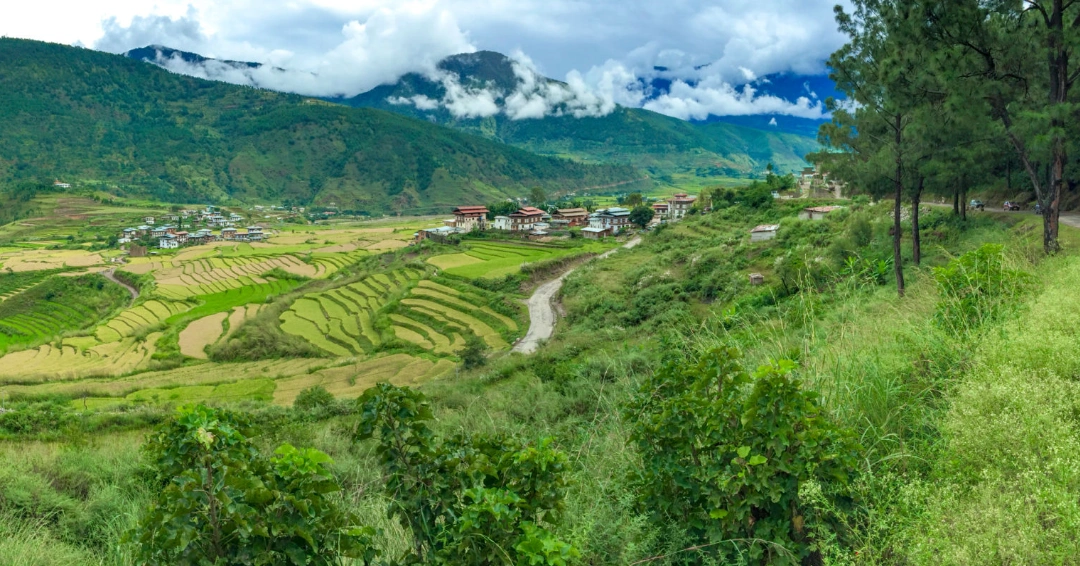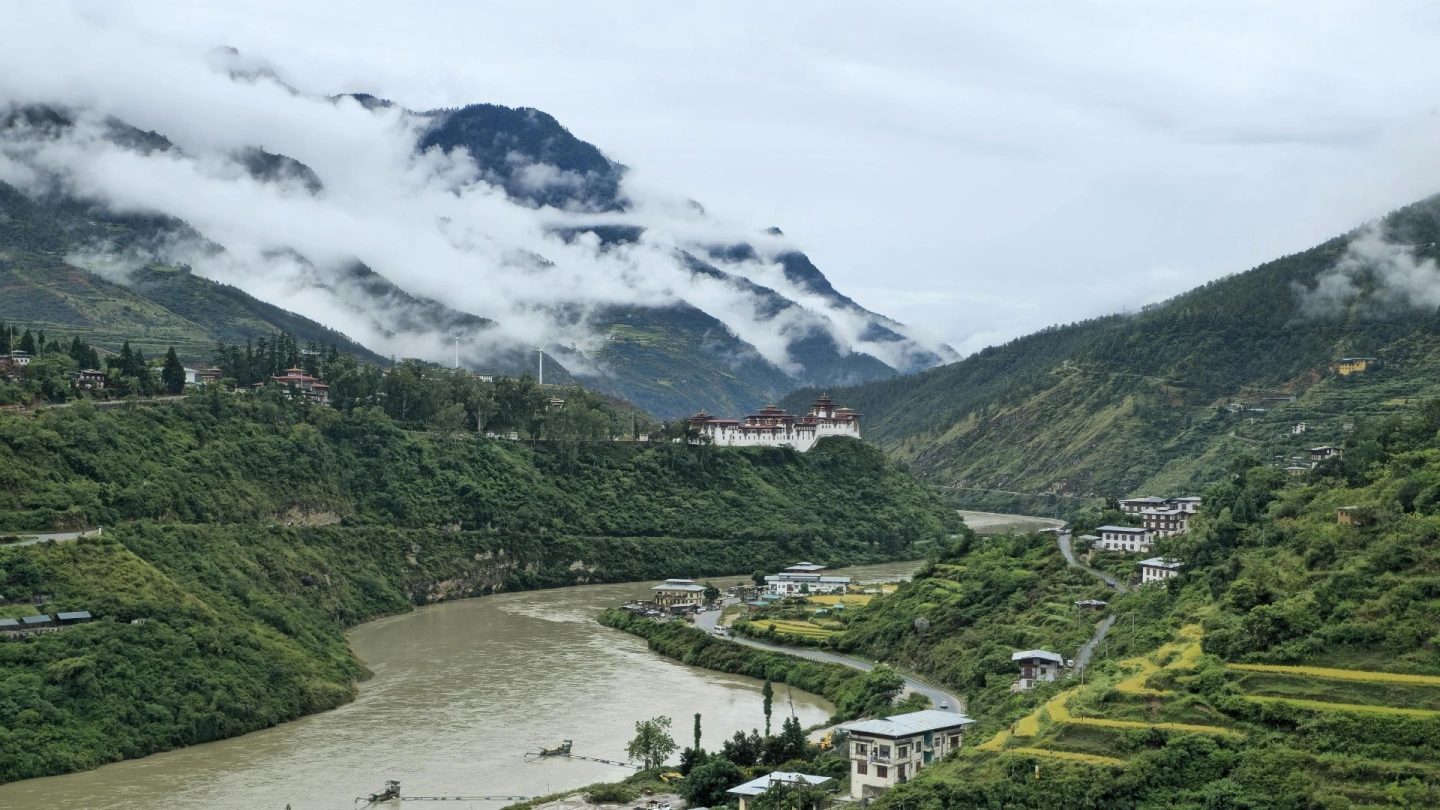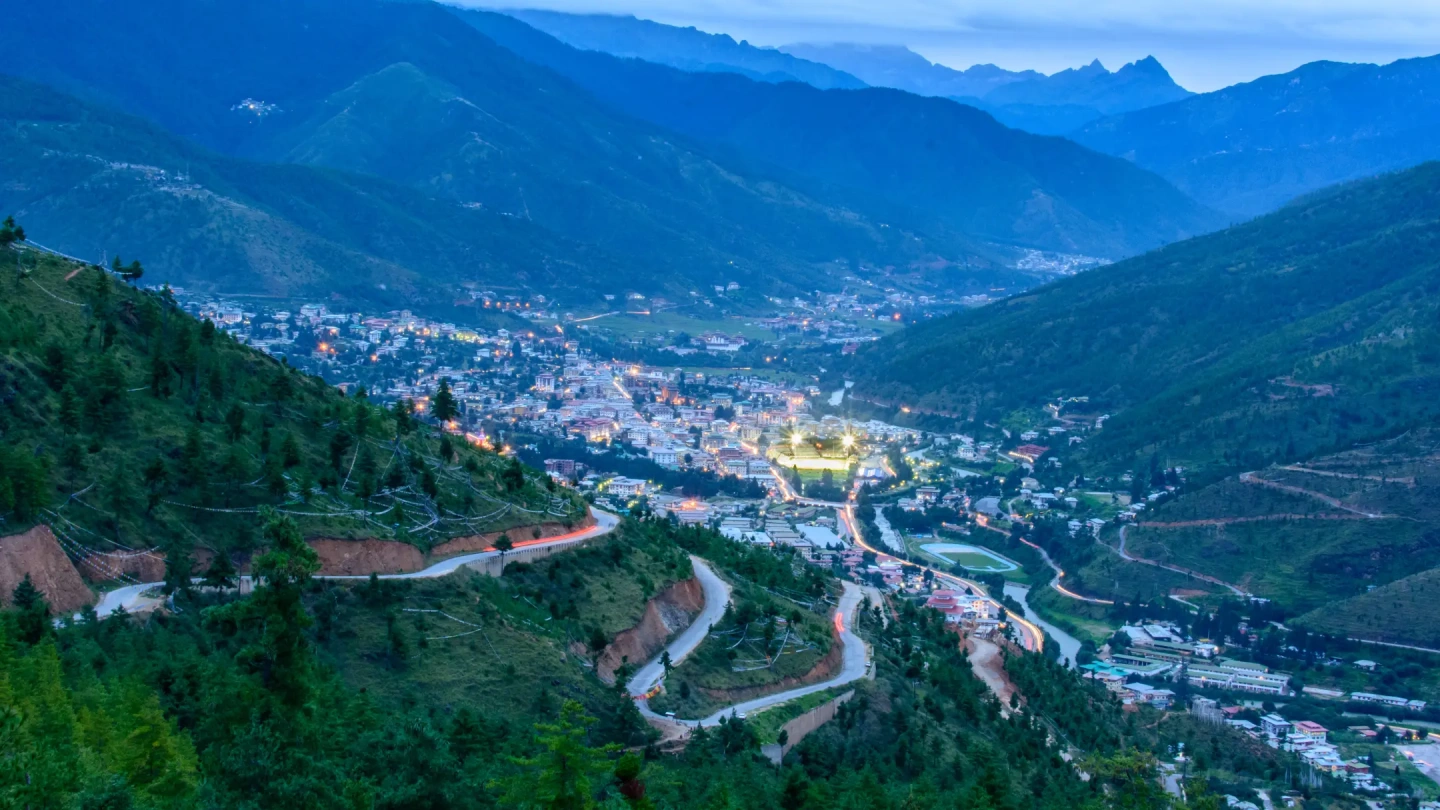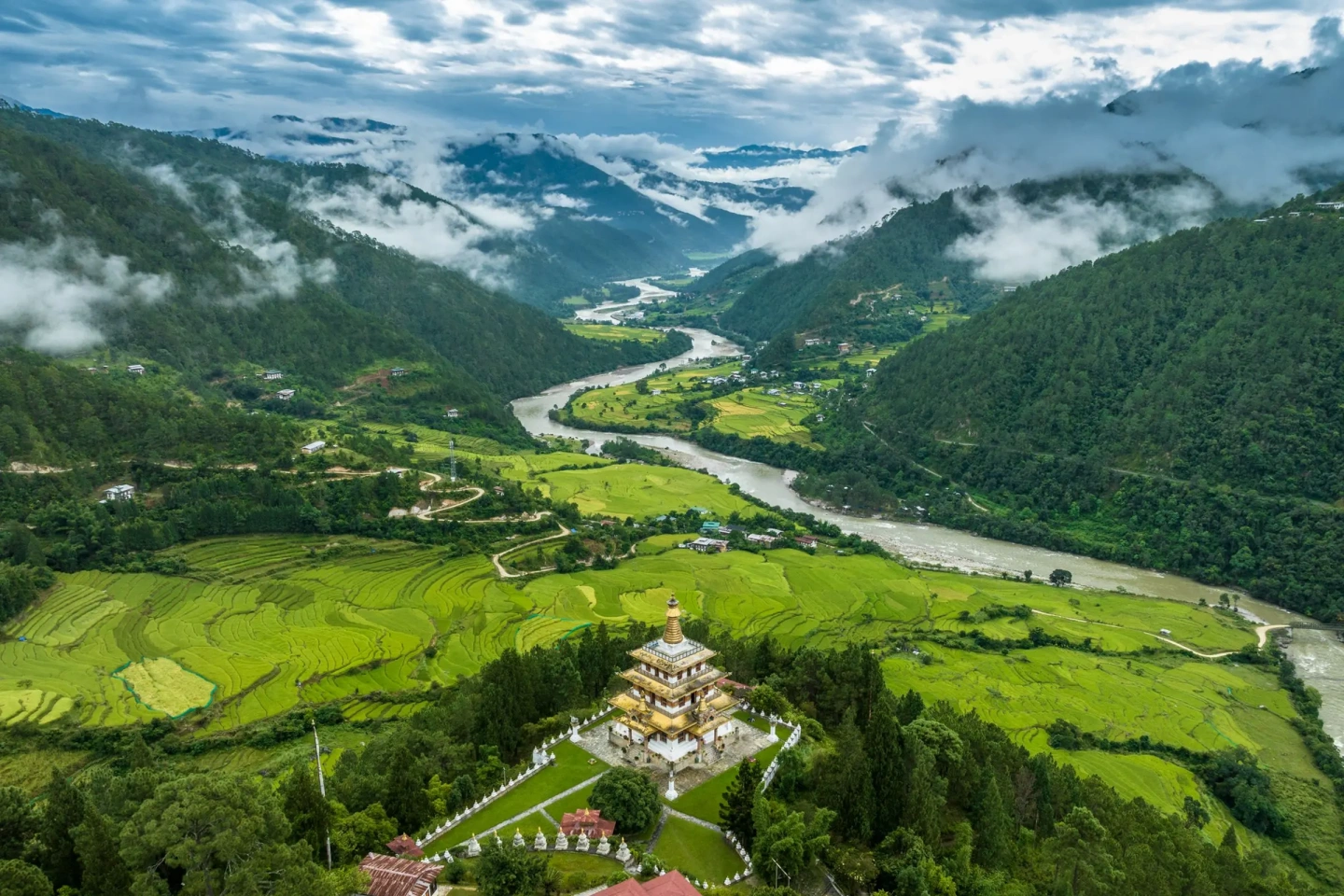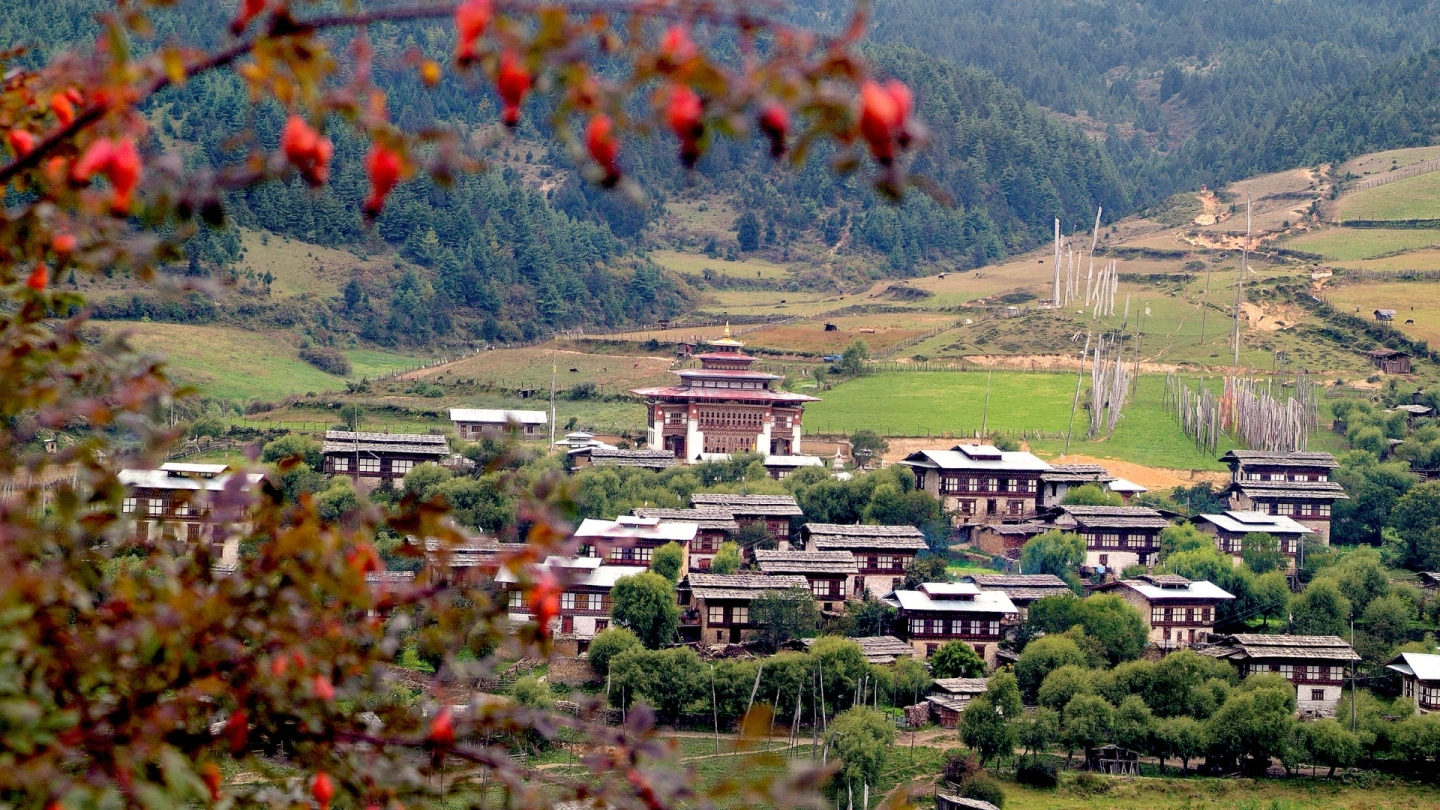



Nestled in the eastern Himalayas, Bhutan stands as a beacon of preserved culture and natural splendor, offering a travel experience that is both profoundly authentic and refreshingly untouched by mass tourism. For Burkinabé travelers, who hail from the vibrant, landlocked landscapes of West Africa's Sahel region, Bhutan presents a striking contrast—a serene kingdom where snow-capped mountains replace arid savannas, and ancient Buddhist monasteries echo the spiritual depth found in Burkina Faso's diverse religious tapestry of Islam, Christianity, and traditional beliefs. While diplomatic relations between Bhutan and Burkina Faso are not formally established through embassies, both nations share commonalities as developing countries prioritizing sustainable growth; Bhutan measures progress through its unique Gross National Happiness index, much like Burkina Faso's emphasis on community resilience and cultural heritage amid economic challenges. Yet, comparisons reveal fascinating differences: Bhutan's small population of under a million fosters an intimate societal fabric, unlike Burkina Faso's bustling 20 million inhabitants, and its commitment to environmental conservation—maintaining over 70% forest cover—mirrors Burkina's efforts against desertification but on a dramatically different terrain. This guide, crafted by an experienced Bhutanese travel consultant, aims to equip Burkinabé visitors with a thorough understanding of Bhutan, transforming unfamiliarity into confident exploration. As dominant travelers seeking meaningful immersion rather than superficial sightseeing, you will discover a destination that rewards patience with unparalleled insights into happiness, harmony, and Himalayan wonder.
Visa and Entry Requirements
Bhutan's tourism policy is meticulously controlled to preserve its cultural and environmental integrity, mandating that all foreign visitors, including those from Burkina Faso, book their trips exclusively through licensed Bhutanese tour operators. This high-value, low-impact approach ensures that tourism benefits local communities while minimizing overcrowding. For Burkinabé tourists, a visa is required and cannot be obtained independently; instead, your chosen tour operator handles the entire application process on your behalf. You will need to provide a scanned copy of your passport (valid for at least six months from the date of arrival), a recent passport-sized photo, and proof of travel insurance. The operator submits these documents to the Tourism Council of Bhutan, which processes the visa within about five working days, issuing an electronic visa approval letter that you present upon arrival at Paro International Airport. Payment for the tour, including the mandatory Sustainable Development Fee (SDF), must be wired in advance to secure the visa, as Bhutan does not issue visas on arrival for most nationalities. The SDF, set at US$100 per person per night as of 2025 (with reductions to US$50 for children aged 6-12 and exemptions for those under 6), funds essential services like free education and healthcare for Bhutanese citizens, directly impacting tour pricing by adding a significant but purposeful cost. This fee encourages thoughtful travel, aligning with Bhutan's philosophy of quality over quantity, and for Burkinabé visitors accustomed to visa processes for international trips, it underscores the kingdom's commitment to sustainable development.
Travel Routes from Burkina Faso to Bhutan
Journeying from Burkina Faso to Bhutan involves multiple connections, reflecting the geographical distance between West Africa and the Himalayas, but with careful planning, it becomes a seamless adventure. Departing from Ouagadougou's Thomas Sankara International Airport (OUA), the most common routes transit through major hubs like Addis Ababa, Istanbul, or Delhi before connecting to Bhutan's sole international airport in Paro. For instance, Ethiopian Airlines offers flights from OUA to Addis Ababa, followed by a transfer to Bangkok or Delhi, where you can board Druk Air (Bhutan's national carrier) or Bhutan Airlines—the only two airlines permitted to operate into Paro due to its challenging mountainous approach. Expect layovers totaling 20-30 hours, with total travel time around 24-35 hours depending on schedules; direct flights are nonexistent, so booking in advance through your tour operator is crucial to align with visa approvals. Paro Airport's limitations, including its short runway and dependence on visual flight rules, mean operations are restricted to daylight hours and often delayed by weather conditions like fog or high winds, which are common in the Himalayas. Burkinabé travelers should anticipate potential disruptions and build buffer time into their itineraries, perhaps opting for business-class seats on long-haul segments for comfort. Realistic expectations include monitoring flight updates via apps and preparing for the thrill of Paro's dramatic landing, often hailed as one of the world's most scenic yet demanding approaches.
Best Time to Visit and Seasonality
Bhutan's climate is diverse, influenced by its Himalayan topography, with four distinct seasons that profoundly shape travel experiences and require strategic planning for Burkinabé visitors unaccustomed to high-altitude variations. Spring (March to May) brings mild temperatures averaging 10-20°C in valleys, blooming rhododendrons, and clearer skies ideal for trekking, though occasional showers can occur; this period highlights festivals like Paro Tshechu, offering cultural immersion with fewer crowds. Summer (June to August) introduces the monsoon, with heavy rains leading to lush greenery but slippery roads and leech-infested trails, making it less favorable for outdoor activities yet perfect for those seeking solitude and lower costs. Autumn (September to November) is widely regarded as the prime season, featuring crisp weather (5-15°C), vibrant festivals such as Thimphu Tshechu, and stunning mountain views with minimal precipitation, though popular sites may see more visitors. Winter (December to February) delivers cold snaps down to -5°C in higher elevations, with possible snowfall enhancing scenic beauty for hardy travelers interested in birdwatching or quieter monastery visits. For Burkinabé tourists, accustomed to Sahelian heat and dry seasons, autumn is recommended for its balanced weather, festival highlights, and moderate crowds, allowing comfortable exploration of both nature and culture while avoiding the extremes that could challenge physical adaptation.
Money, Costs, and Payment Methods
Bhutan's currency, the Ngultrum (BTN), is pegged to the Indian Rupee at a 1:1 ratio, facilitating easy exchanges for Burkinabé travelers who might carry Euros or USD as backups. Currency exchange is available at Paro Airport, major banks in Thimphu and Paro, and some hotels, but rates are standardized, so shopping around yields little benefit; it's advisable to exchange upon arrival or carry crisp USD bills, as they are widely accepted for larger transactions. ATMs are increasingly available in urban areas like Thimphu, accepting Visa and Mastercard with withdrawal limits around BTN 10,000-20,000 per transaction, though rural spots may lack them, prompting the need for cash reserves. Credit cards are accepted at upscale hotels and some shops, but not universally, especially in remote areas where cash reigns supreme. Tour prices, mandated by the government, typically include accommodations, meals, transport, a licensed guide, and internal permits, starting from US$250 per day plus SDF, but exclude extras like alcoholic beverages, tips (US$10-15 per day for guides and drivers), personal shopping, or optional activities. Burkinabé visitors should budget an additional US$50-100 daily for incidentals, noting that Bhutan's controlled economy keeps costs predictable yet elevated to support sustainability.
Health, Safety, and Travel Insurance
Health considerations in Bhutan revolve around its high-altitude terrain, which poses risks like acute mountain sickness (AMS) with symptoms including headaches, nausea, and fatigue, particularly for Burkinabé travelers from low-elevation regions. Medical facilities are basic outside Thimphu, with Jigme Dorji Wangchuck National Referral Hospital offering competent care, but evacuation may be necessary for serious issues. Recommended vaccinations include tetanus, typhoid, hepatitis A, and possibly rabies due to stray dogs; consult a travel clinic well in advance, as malaria is rare but present in southern borders. Bhutan is remarkably safe with low crime rates, attributed to its close-knit society and Buddhist values, though minor risks like petty theft in markets or slips on uneven paths exist—exercise standard vigilance. Comprehensive travel insurance is non-negotiable, covering medical emergencies, evacuation by helicopter (essential for remote areas), trip cancellations, and lost baggage; policies should explicitly include high-altitude activities up to 4,000 meters. For Burkinabé explorers, this preparation ensures peace of mind, allowing focus on Bhutan's tranquil allure rather than unforeseen challenges.
Cultural Etiquette and Social Expectations
Bhutanese society is deeply rooted in Buddhist principles of respect, humility, and harmony, requiring visitors to adapt behaviors for meaningful interactions, especially for Burkinabé guests whose communal African customs may align yet differ in expression. In temples and monasteries, remove hats and shoes, dress modestly covering shoulders and knees (scarves provided if needed), and circumambulate clockwise while avoiding pointing at sacred images. Public spaces demand patience and a soft-spoken demeanor; greetings involve a slight bow with "Kuzuzangpo la" (hello), and accepting offerings like tea with both hands shows gratitude. Modesty extends to attire—avoid revealing clothing—and social norms emphasize humility over assertiveness, where boasting is frowned upon. Burkinabé travelers, known for warm hospitality, might adjust by toning down directness in favor of indirect communication to avoid perceived rudeness. Respect for elders and monks is paramount, and topics like politics or religion should be approached sensitively. Embracing these nuances fosters genuine connections, transforming visits into enriching cultural exchanges.
Connectivity, SIM Cards, Internet Access
Connectivity in Bhutan has improved significantly, though it remains variable, particularly in remote Himalayan valleys, making preparation key for Burkinabé travelers reliant on mobile networks. Wi-Fi is reliable in most hotels and cafes in Thimphu and Paro, often free but slower in rural lodges; expect speeds sufficient for emails but not seamless streaming. Local SIM cards from B-Mobile (Bhutan Telecom) or TashiCell are the best options, available at Paro Airport or outlets in major towns upon presenting your passport and visa—tour operators can assist. Prepaid tourist packages offer data from 2GB for BTN 200 (about US$2.50) valid for a week, with 4G coverage in urban areas and 3G elsewhere. Burkinabé apps like mobile money services may face restrictions due to international roaming limits, so a VPN is useful for accessing familiar platforms securely. While not as ubiquitous as in Burkina Faso's urban centers, Bhutan's connectivity supports essential communication, allowing you to share your journey without constant disruption.
Language and Communication
Dzongkha serves as Bhutan's national language, with over 19 dialects reflecting its linguistic diversity, but English is the medium of instruction in schools and prevalent in tourism, easing barriers for international visitors. Licensed guides and hotel staff are fluent in English, ensuring smooth interactions during tours, though rural locals may have limited proficiency. For Burkinabé travelers speaking Mossi (Mooré) or French, specialized guides in these languages are rare—English remains the default, with no common availability of French-speaking options due to Bhutan's focus on Asian and Western markets. Communication strategies include using simple English, gestures, or translation apps like Google Translate (download offline versions), and learning basic Dzongkha phrases like "thank you" (kadinche la) to build rapport. Patience is vital, as Bhutanese value thoughtful dialogue over haste, aligning with Burkinabé communal storytelling traditions to foster deeper understanding despite linguistic gaps.
Packing and Preparation Advice
Packing for Bhutan demands versatility to handle its fluctuating Himalayan climates, from balmy valleys to chilly peaks, a stark shift for Burkinabé travelers used to consistent warmth. Layering is essential: include breathable base layers, fleece jackets, a waterproof windbreaker, and thermal underwear for evenings when temperatures drop to 5°C or below. Sturdy walking shoes or hiking boots are crucial for uneven terrain, alongside sandals for indoor monastery visits. Personal items should encompass sunscreen (high SPF for intense sun), lip balm, moisturizer to combat dry air, insect repellent for monsoons, and a reusable water bottle for hydration at altitude. Medications like altitude sickness pills (consult a doctor), pain relievers, antidiarrheals, and any prescriptions are vital, plus a first-aid kit. Power adapters for Type D/F/G sockets (230V), a portable charger for outages, and binoculars for wildlife spotting enhance practicality. For cultural respect, pack modest clothing like long pants and scarves. Burkinabé visitors should prioritize lightweight, quick-dry fabrics and prepare for laundry limitations, ensuring comfort in Bhutan's unpredictable weather.
Bhutan’s Unique Tourism Philosophy
At the heart of Bhutan's tourism lies the philosophy of Gross National Happiness (GNH), a visionary framework introduced by the Fourth King in the 1970s, prioritizing collective well-being over economic growth alone. GNH encompasses four pillars—good governance, sustainable development, cultural preservation, and environmental conservation—shaping policies that limit visitor numbers through the SDF and mandatory tours to prevent overtourism's pitfalls. This cautious approach prefers quality travelers who engage deeply with Bhutan's essence, rather than hordes seeking superficial thrills, ensuring that modernization doesn't erode traditions like archery festivals or monastic life. For Burkinabé audiences, who value community harmony amid development pressures, understanding GNH reveals why Bhutan resists rapid infrastructure expansion or foreign investment that could dilute its identity. By capping tourism, the kingdom safeguards its biodiversity-rich forests and spiritual heritage, inviting visitors to contribute positively, fostering a model where happiness is measured in shared joy rather than material accumulation.
Mindset and Expectations for Visitors
Adjusting expectations is key to embracing Bhutan, where a slower pace of life contrasts sharply with Burkina Faso's dynamic rhythms, emphasizing mindfulness over efficiency. Infrastructure is modest—roads wind through mountains with occasional delays, and accommodations favor cozy family-run hotels over opulent chains, often lacking amenities like air conditioning. Nightlife is virtually absent, with no clubs or casinos, and luxury shopping yields to artisanal markets; instead, the focus is on nature's grandeur, cultural depth, and spiritual reflection through hikes, monastery visits, and quiet evenings. Burkinabé travelers, accustomed to vibrant social scenes, should anticipate this tranquility as an opportunity for introspection, where delays become moments for scenic appreciation. Embracing humility and flexibility transforms potential frustrations into profound experiences, aligning with Bhutan's ethos that true fulfillment stems from inner peace rather than external conveniences.
Food and Dining Culture
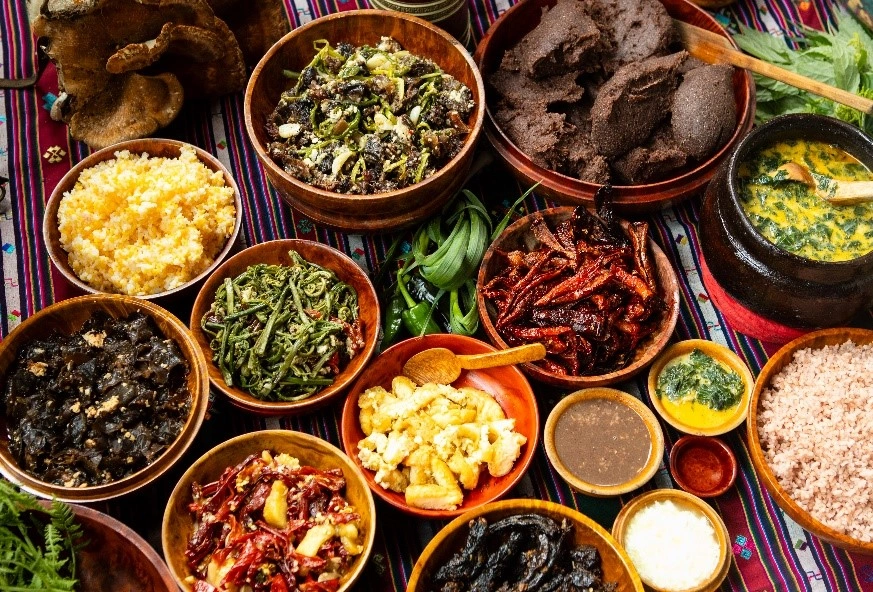
Bhutanese cuisine is a hearty reflection of its agrarian roots, characterized by bold, spicy flavors from chilies, cheese, and simple staples like red rice, offering a sensory adventure for Burkinabé palates familiar with spicy West African dishes. Signature meals include ema datshi (chili and cheese stew), momos (dumplings filled with meat or vegetables), and phaksha paa (pork with radish), often accompanied by fermented yak cheese for richness. Dining is communal and hospitable, with meals served family-style in homes or restaurants, emphasizing sharing and gratitude—guests are welcomed with butter tea (suja), a salty, nourishing brew that sustains in cold climes. Alcohol like ara (distilled rice wine) plays a role in celebrations, consumed moderately in social settings, while sweet milk tea (ngaja) provides everyday comfort. Bhutanese attitudes view food as sustenance for body and spirit, with vegetarian options abundant due to Buddhist influences, inviting Burkinabé visitors to savor this fusion of spice and simplicity as part of the kingdom's warm hospitality.
Festivals, Religion, and Sacred Places
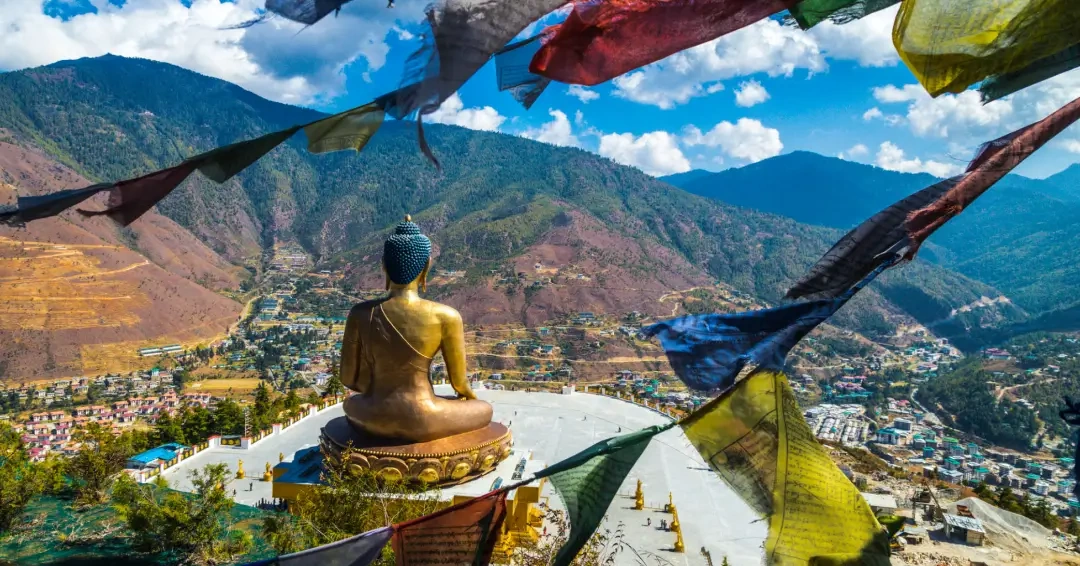
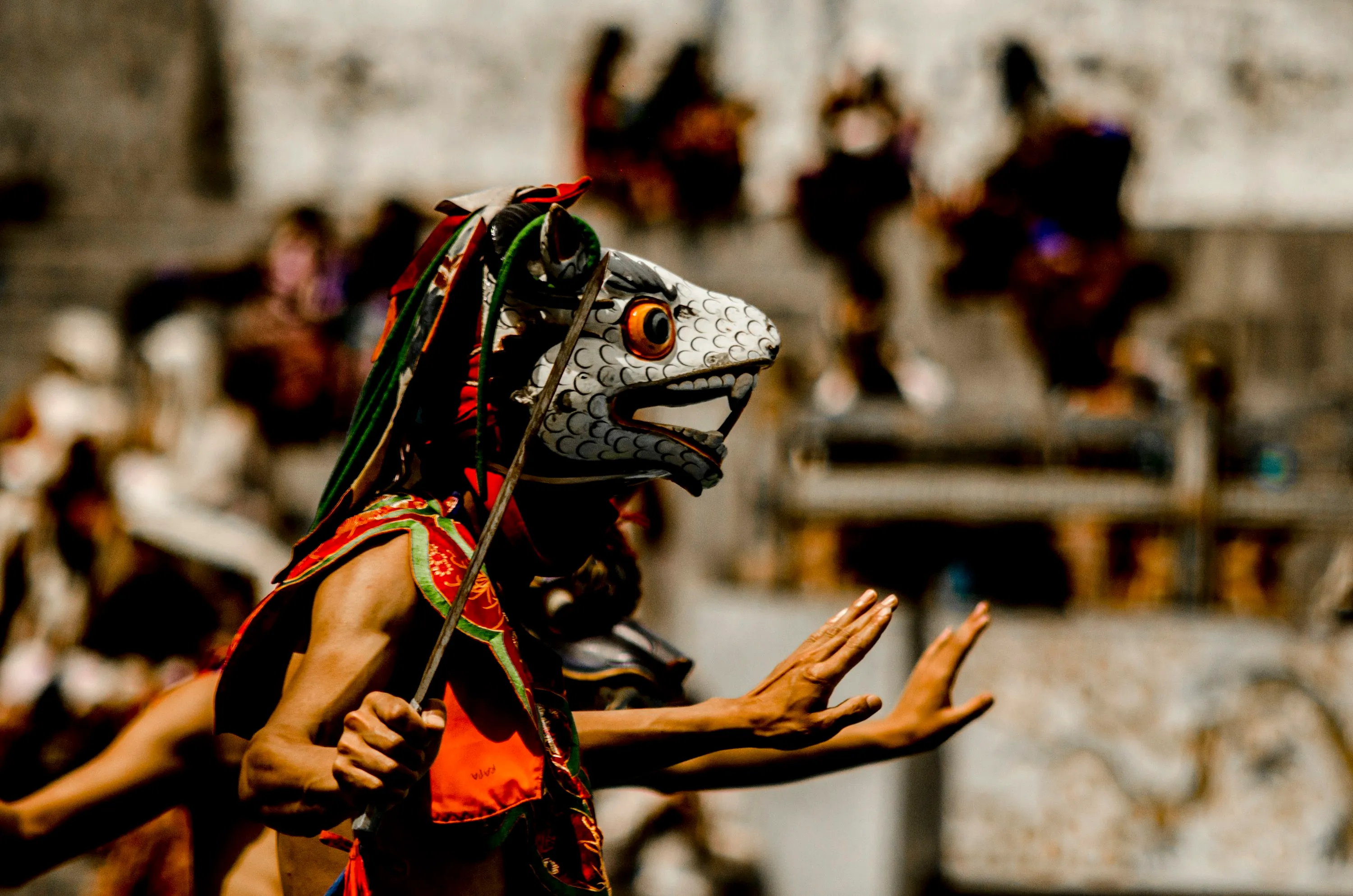
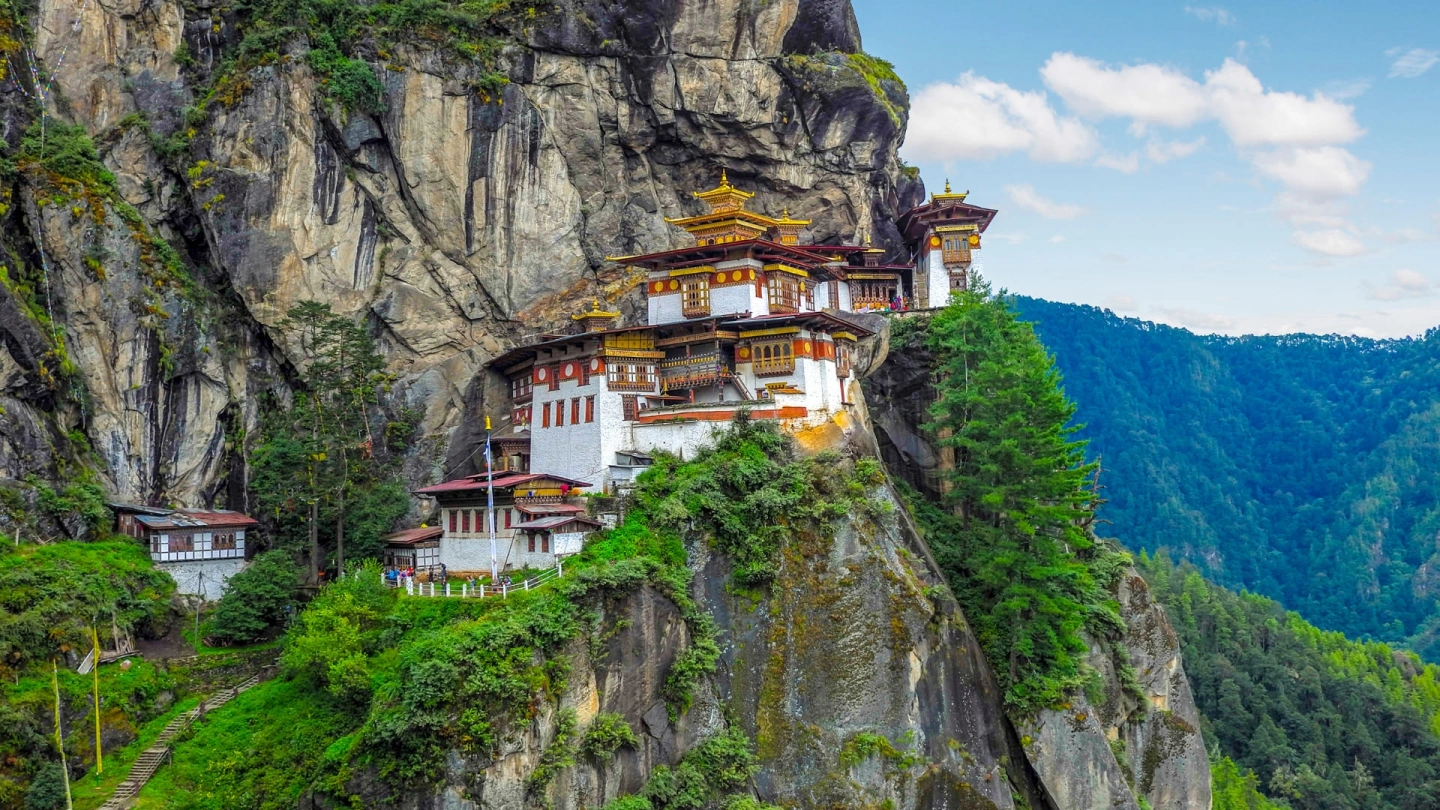
Religion permeates every aspect of Bhutanese life, with Vajrayana Buddhism guiding daily practices and festivals that offer immersive cultural insights. Tshechus, annual masked dance festivals honoring Guru Rinpoche, feature elaborate performances in dzongs (fortress-monasteries), blending spirituality with community celebration—attendees in traditional attire witness rituals believed to bestow blessings. Sacred sites like Taktsang Monastery (Tiger's Nest) demand respectful conduct: modest dress, no photography inside chapels, and clockwise navigation to honor deities. These experiences deepen understanding of Bhutan's worldview, where karma and compassion are central, much like the spiritual diversity in Burkina Faso. Visitors contribute by observing silently, accepting prasad (blessed food), and recognizing festivals as pathways to enlightenment, enriching their journey with profound cultural resonance.
Hidden Challenges and Practical Inconveniences
Bhutan's charm includes subtle challenges that test patience, framing them as integral to its authentic appeal rather than flaws. Road conditions are winding and prone to landslides, especially during monsoons, leading to itinerary adjustments—embrace these as chances for unplanned discoveries. Power outages occur sporadically due to hydropower reliance and terrain, so carry flashlights and enjoy candlelit evenings as romantic interludes. Service may seem slow by urban standards, reflecting a relaxed tempo where quality trumps speed. For Burkinabé travelers, these inconveniences mirror rural life's unpredictability back home, encouraging a mindset of adaptability that enhances appreciation for Bhutan's unhurried rhythm and resilient spirit.
Shopping and Souvenirs
Shopping in Bhutan centers on authentic handicrafts, devoid of high-end malls or duty-free extravagance, focusing instead on cultural treasures like handwoven textiles (kira and gho fabrics), intricate wood carvings, and aromatic incense. Markets in Thimphu and Paro offer Thangka paintings and bamboo products, sourced from local artisans under the 13 traditional arts (Zorig Chusum). Bargaining is minimal, as prices are fair and fixed in government-approved shops to support fair trade—polite negotiation may yield small discounts in bazaars. Ensure authenticity by purchasing from certified outlets, avoiding mass-produced imports. For Burkinabé collectors, these souvenirs embody Bhutan's heritage, providing meaningful mementos that honor craftsmanship over commercialism.
Altitude Awareness and Physical Preparedness
Altitude in Bhutan varies from 200m in valleys to over 4,000m on treks, affecting individuals differently with symptoms like shortness of breath or insomnia—Burkinabé from sea-level regions should acclimatize gradually. Precautions include ascending slowly, hydrating abundantly (3-4 liters daily), avoiding alcohol initially, and recognizing warning signs for medical intervention. Physical preparation involves cardio exercises like walking or jogging weeks prior, building stamina for hikes. Tours often include rest days for adjustment, ensuring safe enjoyment of Bhutan's elevations.
Security, Safety, and Emergency Information
Bhutan ranks among the world's safest destinations, with negligible crime thanks to strong community bonds and law enforcement—petty incidents are rare, but secure valuables. Emergency contacts include police at 113, ambulance at 112, and your tour guide for immediate assistance. Burkina Faso lacks an embassy in Bhutan; nearest support is via the Burkina Faso Embassy in India (Delhi) or honorary consuls. Respect local laws against tobacco sales or environmental harm. This security allows Burkinabé travelers to explore freely, focusing on discovery.
Photography and Drones
Photography in Bhutan is welcomed in public spaces but restricted inside religious sites to preserve sanctity—seek permission for people, offering small tokens if appropriate. Drones are prohibited for tourists without special permits, banned near sensitive areas like monasteries or airports. Adhering to these rules ensures respectful captures of Bhutan's beauty.
What Bhutan Does Not Have
Bhutan's deliberate preservation means an absence of skyscrapers, fast-food chains like McDonald's, casinos, or sprawling shopping centers, emphasizing instead traditional architecture and local eateries. This lack enhances its unique charm, inviting immersion in simplicity over consumerism.
Important Questions to Ask Before Booking a Tour
Before committing to a Bhutan tour, Burkinabé travelers should engage operators with targeted questions to ensure alignment with expectations. Inquire about the guide's experience and language skills—will they speak English fluently, and can they accommodate basic French if needed? Discuss itinerary flexibility: how adaptable is the schedule to weather or personal interests, like extending time at festivals? Probe accommodations: what standards can you expect, from eco-lodges to boutique hotels, and are dietary preferences (e.g., halal or vegetarian) catered to? Address emergencies: what protocols exist for medical issues or evacuations, and does the operator assist with travel insurance? Ask about SIM cards: can they procure one upon arrival, and what's the data coverage like? Clarify tipping norms: how much is customary for guides and drivers? Finally, confirm inclusions like SDF payments and extras, ensuring transparency for a seamless experience.
Conclusion
In reflection, Bhutan endures as a rare sanctuary for Burkinabé travelers yearning for cultural profundity, pristine nature, and spiritual serenity, diverging from hurried, commodified voyages. Its Himalayan embrace offers a mirror to one's soul, where happiness blooms in simplicity, beckoning those ready to embrace its timeless wisdom.